Euphorbia flanaganii Crest: The Mesmerizing Medusa’s Head Succulent (2024 Guide)
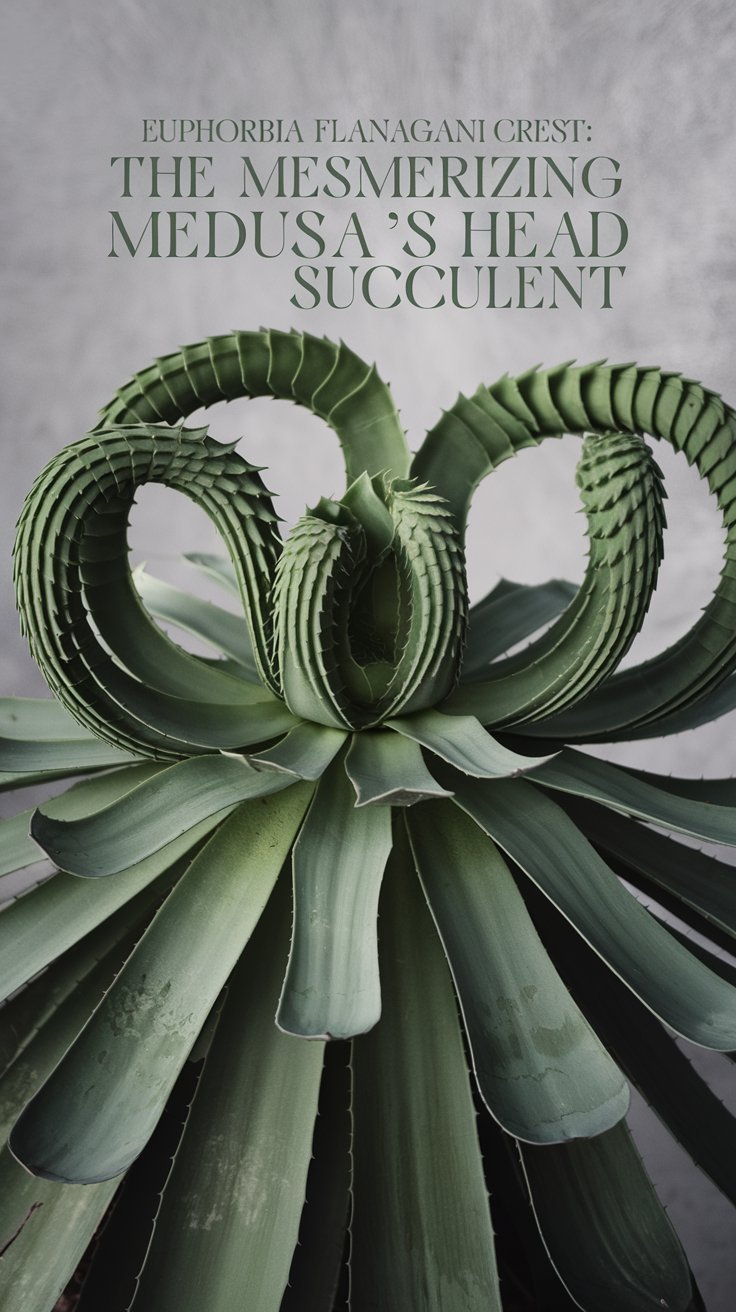
Post Views: 139 Discover the mesmerizing Euphorbia flanaganii crest, aka Medusa’s Head succulent. Learn expert care tips, propagation methods, and how to showcase this unique plant in your 2024 collection. Euphorbia flanaganii crest, often called the Medusa’s Head or Coral Euphorbia, is a captivating and unusual succulent known for its intricate, brain-like growths. This rare variety of the already unique Euphorbia flanaganii species offers a stunning visual display that can become the centerpiece of any succulent collection. In this comprehensive guide, we’ll explore the characteristics, care requirements, and propagation methods for this fascinating plant. As a succulent specialist with over two decades of experience cultivating rare and unusual plants, I’m thrilled to share my insights on the Euphorbia flanaganii crest. Let’s dive into the world of this extraordinary succulent mutation! What is Euphorbia flanaganii Crest? Euphorbia flanaganii crest is a fascinating mutation of the standard Euphorbia flanaganii, a species native to South Africa. The crested form develops when the growing point of the plant becomes elongated and flattened, creating a fan-like or brain-like appearance. Key Characteristics: 2024 Trend: Crested succulents, including Euphorbia flanaganii crest, are seeing a surge in popularity among collectors due to their unique forms and rarity. Fun Fact: The crested form occurs naturally but rarely in the wild, making cultivated specimens highly prized. Caring for Your Euphorbia flanaganii Crest 1. Light Requirements Why It’s Important: Proper lighting ensures healthy growth and maintains the plant’s unique shape. How to Provide: 2024 Update: New LED grow lights specifically designed for crested succulents are entering the market, optimizing light spectra for these unique plants. Pro Tip: Use a light meter to ensure your plant receives 2500-3000 foot-candles of light daily. 2. Watering Needs Why It’s Important: Proper watering prevents root rot while ensuring the plant has enough moisture to thrive. How to Water: 2024 Innovation: Smart self-watering pots with sensors are becoming popular for precise succulent care. Pro Tip: Use the “soak and dry” method, watering deeply but infrequently to mimic natural rain patterns. 3. Soil and Potting Why It’s Important: Well-draining soil prevents water retention and root issues. Ideal Soil Mix: 2024 Trend: Custom soil blends tailored to specific crested succulents are gaining popularity among enthusiasts. Pro Tip: Use terracotta pots to improve soil aeration and prevent water retention. 4. Temperature and Humidity Why It’s Important: Euphorbia flanaganii crest prefers warm, dry conditions similar to its native habitat. Ideal Conditions: 2024 Research: Studies are exploring the impact of controlled microclimates on crested succulent growth patterns. Pro Tip: Use a small fan to improve air circulation and prevent fungal issues in humid environments. 5. Fertilizing Why It’s Important: Proper nutrition supports healthy growth without causing elongation that could distort the crest. How to Fertilize: 2024 Update: New slow-release fertilizers designed for crested succulents are being developed to provide steady, low-level nutrition. Pro Tip: Avoid high-nitrogen fertilizers, which can cause soft growth and distort the plant’s shape. Propagation of Euphorbia flanaganii Crest Propagating crested Euphorbia flanaganii is challenging and not always successful, as the crested form is a mutation. Methods: 2024 Innovation: Tissue culture techniques are being refined to propagate crested succulents more reliably, potentially making these rare plants more accessible. Pro Tip: Always use sterilized tools when taking cuttings to prevent infection. Display and Aesthetic Appeal Euphorbia flanaganii crest makes a stunning focal point in succulent arrangements or as a standalone specimen. Display Ideas: 2024 Trend: Living wall installations featuring crested succulents are becoming popular in high-end interior design. Pro Tip: Use top dressings like colored sand or small pebbles to enhance the plant’s alien-like appearance. Potential Issues and Solutions 2024 Research: New studies are exploring natural pest deterrents specifically safe for crested succulents. Embracing the Unique Beauty of Euphorbia flanaganii Crest Caring for a Euphorbia flanaganii crest is a rewarding experience that allows you to nurture and showcase one of nature’s most intriguing plant mutations. While it requires attention to detail and specific care, the stunning results are well worth the effort. Remember, each crested succulent is unique, and part of the joy is in observing and adapting to your plant’s individual needs and growth patterns. With proper care, your Euphorbia flanaganii crest can become a living sculpture and the pride of your succulent collection. For more information on rare succulents and their care, visit resources like the Cactus and Succulent Society of America or specialized nurseries. Happy growing, and may your Euphorbia flanaganii crest thrive in all its mesmerizing glory! For more gardening tips and plant care guides, visit usagardenhub.com.
