
Learn how to choose and install the right fence for your vegetable garden. Compare materials, heights, and styles to keep pests out and your plants safe.
I’ll never forget the summer I watched a family of rabbits systematically mow down my young bean seedlings in a single evening. It was that moment of frustration that finally pushed me to install a proper garden fence. The difference was immediate and dramatic—my harvest that fall was the best I’d ever had.
A well-chosen fence is one of the most effective investments you can make in your vegetable garden. It protects your plants from animals, can define the space beautifully, and even serve as a support for climbing crops.
Why Your Vegetable Garden Needs a Fence
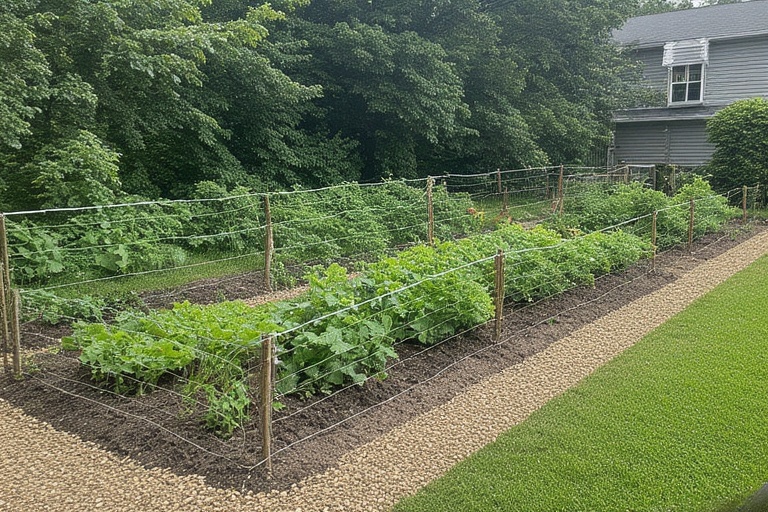
You should fence your garden for three main reasons. It physically blocks pests like rabbits, deer, and groundhogs from eating your plants. A fence can support vining plants like peas, beans, and cucumbers, saving space and improving yields. It also clearly defines your growing area, which can help protect plants from being accidentally trampled.
Choosing the Right Fence for Your Needs
The best fence for you depends on what you’re trying to keep out and your budget.
1. Simple Chicken Wire Fence
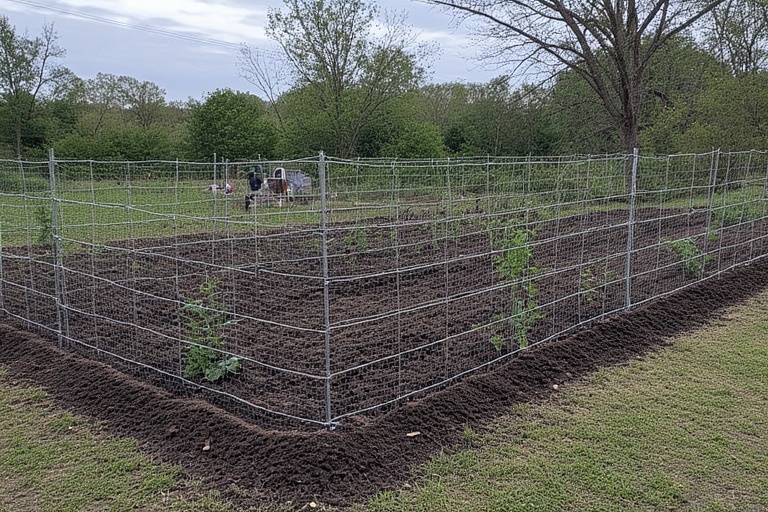
This is the most common and cost-effective solution for keeping out small animals like rabbits and chickens.
- Materials: Chicken wire (also called poultry netting), wooden or metal posts, and staples.
- Height: 3-4 feet tall is sufficient for rabbits. Bury the bottom 6-12 inches underground and bend it outward to prevent digging.
- Best for: Budget-conscious gardeners dealing with small pests.
2. Deer Fencing
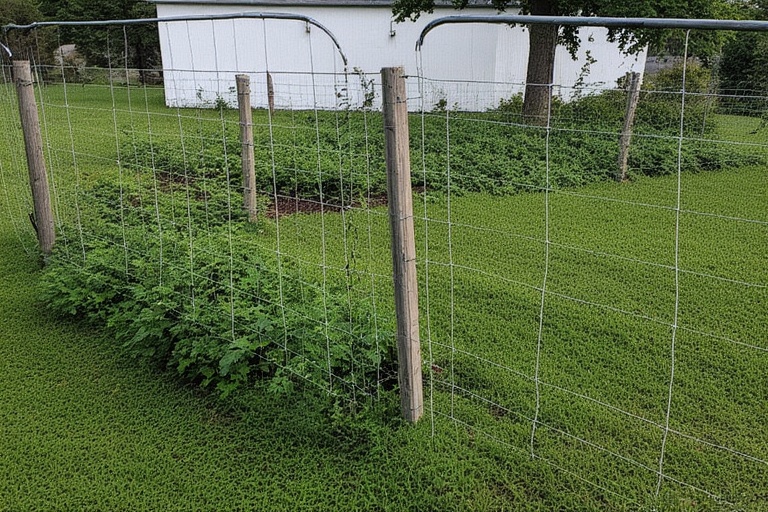
Deer can jump, so you need a taller, more robust barrier.
- Materials: Plastic mesh fencing or heavy-duty welded wire, tall posts (8 feet).
- Height: At least 8 feet tall to prevent jumping. Some gardeners use two shorter, parallel fences spaced 3-4 feet apart, as deer are reluctant to jump into a narrow space they can’t see clearly.
- Best for: Areas with deer pressure.
3. Decorative Fencing (Pickett or Woven Wood)
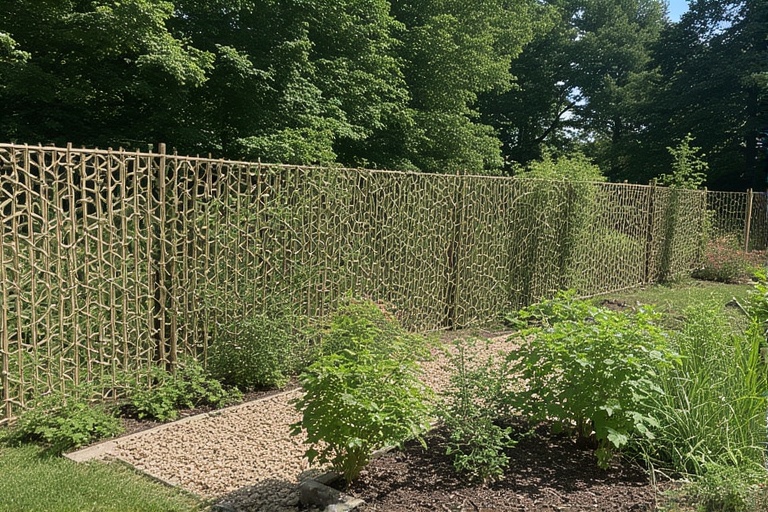
These fences add charm to your garden but may need modification to be fully effective.
- Materials: Wooden picket or rustic woven panels.
- Effectiveness: The gaps in a standard picket fence won’t stop rabbits. You’ll need to attach hardware cloth or chicken wire to the inside to block small animals.
- Best for: Gardeners prioritizing aesthetics who are willing to add pest-proofing.
4. Electric Fencing
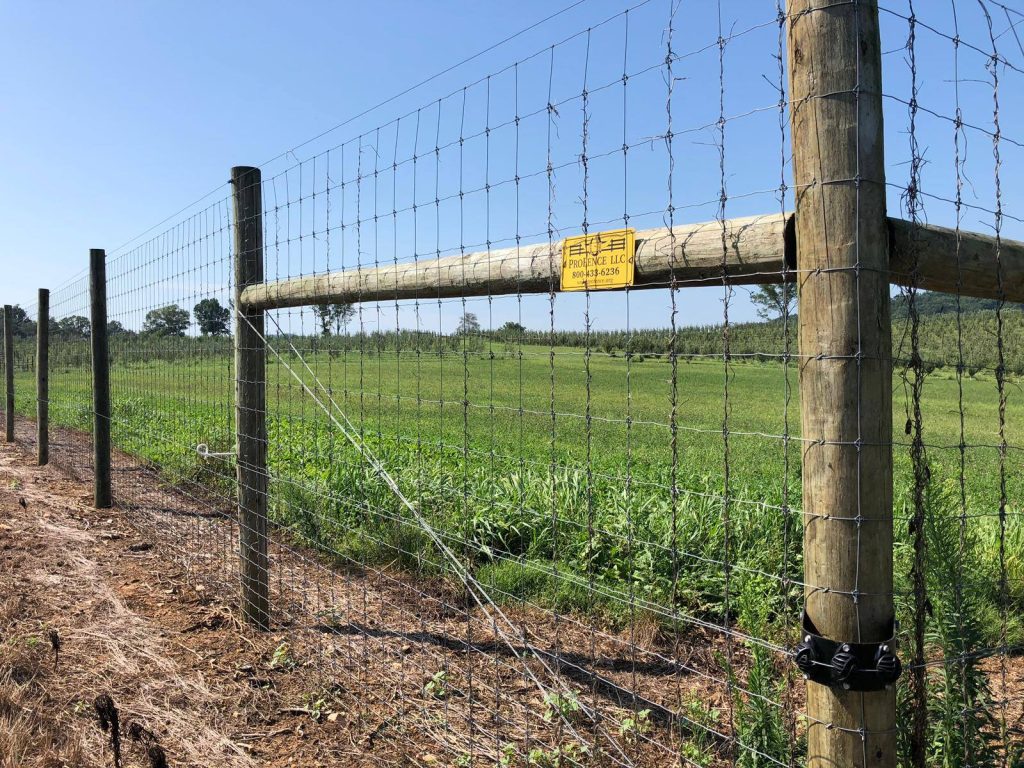
A highly effective deterrent for persistent pests like raccoons and deer.
- How it works: Delivers a safe but memorable shock to animals that touch it.
- Setup: Requires an energizer and careful installation to ensure the wire doesn’t short out on vegetation.
- Best for: Serious pest problems where other fences have failed.
A Quick Comparison of Fencing Options
Fence TypeCostBest ForKey ConsiderationChicken WireLowRabbits, chickens, catsMust bury the bottom to stop diggersDeer MeshMediumDeerNeeds to be 8+ feet tallDecorative WoodHighAesthetics, defining spaceOften needs wire added to block small pestsElectricMedium-HighRaccoons, persistent deerRequires maintenance and a power source
How to Install a Simple Chicken Wire Fence
This is a straightforward weekend project that will solve most small pest problems.
- Gather Materials: You’ll need chicken wire (4-foot width), 6-foot wooden or T-posts (so you can sink 2 feet into the ground), a post driver, wire staples (if using wood posts), and a wire cutter.
- Lay Out and Set Posts: Mark the corners of your garden. Set your posts 6-8 feet apart, driving them at least 2 feet into the ground for stability.
- Attach the Fencing: Unroll the chicken wire along the outside of the posts. Use heavy-duty staples or zip ties to secure it firmly to every post.
- Secure the Bottom: This is the most critical step. Bury the bottom 6-12 inches of the fencing, bending it outward into an “L” shape to create an underground apron that deters burrowers. Alternatively, you can pin it securely to the ground with landscape staples.
- Add a Gate: Create a simple gate by attaching a wooden frame with chicken wire to a sturdy post with hinges. Use a latch or hook to keep it closed.
A Final Tip for Success
The most beautiful fence will fail if it doesn’t address how animals behave. Rabbits and groundhogs dig, so you must secure the bottom. Deer jump, so you need height. Before you buy materials, identify your main pest and build your fence specifically to outsmart them.
For more tips on protecting your garden, check out our guide to organic pest control. If you’re just starting your vegetable patch, our guide on planning a vegetable garden can help.
What’s the biggest pest challenge in your garden? Share your experiences and what kind of fence worked for you in the comments below