
Discover 15 beautiful flowers that start with K. This guide features Knautia, Kniphofia, and other stunning K-flowers for your garden with growing tips and care advice.

I love discovering new plants for my garden, and sometimes the most interesting ones come from simply exploring the alphabet. Flowers beginning with “K” offer a surprising range of colors, shapes, and growing habits, from the bold, torch-like blooms of Kniphofia to the delicate, airy texture of Knautia.
These unique flowers can add structure, color, and pollinator appeal to any garden space. I’ve grown many of them over my ten years of gardening, and they’ve become some of my most reliable and conversation-starting plants.
15 Stunning Flowers That Start With K
Here are 15 remarkable flowers, each with a name that starts with the letter K, that you can grow in your own garden.
1. Knautia (Knautia macedonica)
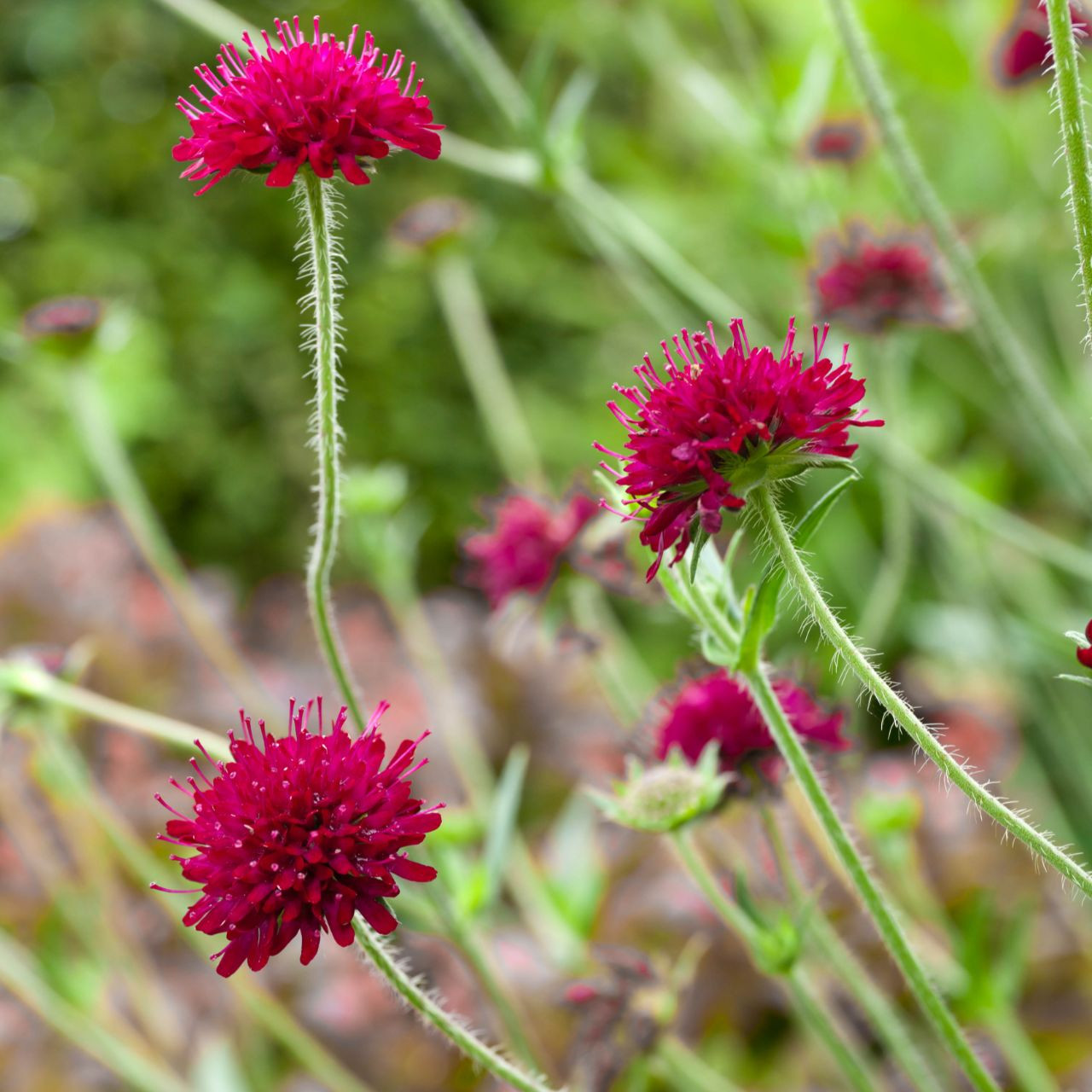
Knautia produces beautiful, deep crimson, pincushion-like flowers on long, wiry stems. It blooms continuously from summer into fall. This plant is a magnet for butterflies and bees. It thrives in full sun and well-drained soil. I find it looks wonderful in a cottage garden setting, and it makes an excellent cut flower.
2. Kniphofia (Kniphofia spp.)
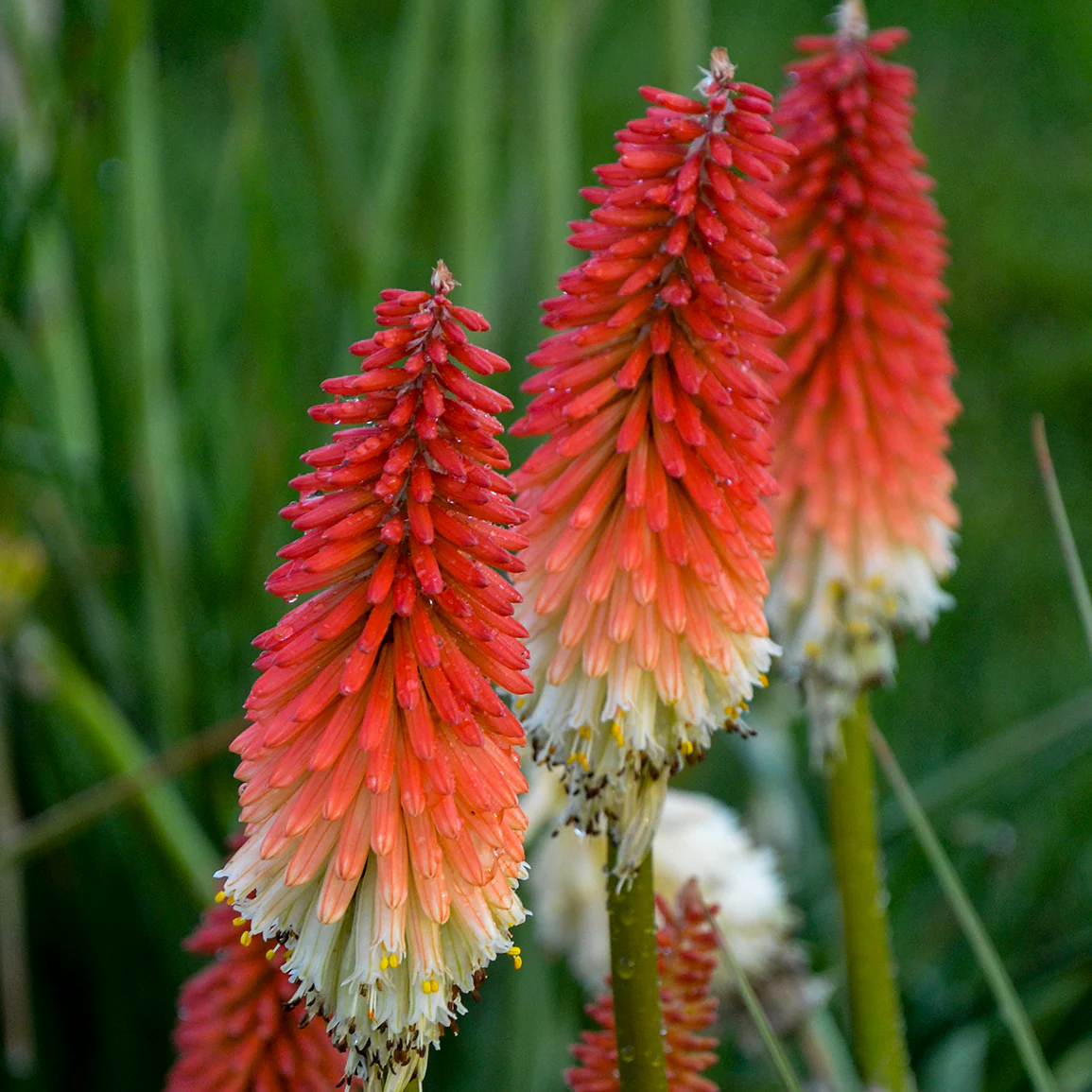
Commonly called Red Hot Poker or Torch Lily, Kniphofia is impossible to miss. It sends up dramatic spikes of tubular flowers that are usually red, orange, and yellow. It loves full sun and is quite drought-tolerant once established. The Missouri Botanical Garden notes its excellent ability to attract hummingbirds.
3. Kalanchoe (Kalanchoe blossfeldiana)
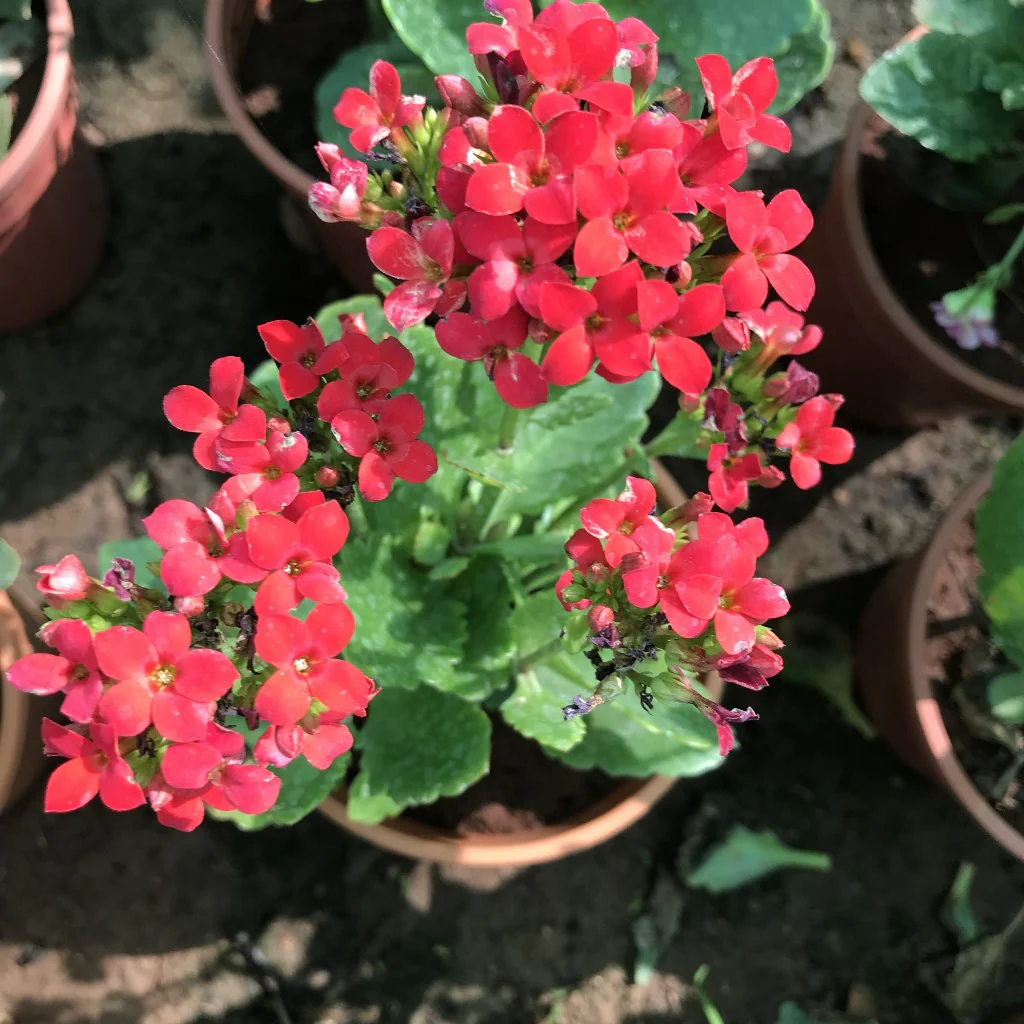
Kalanchoe is a popular succulent houseplant known for its clusters of small, bright flowers in shades of red, pink, yellow, or orange. It thrives in bright, indirect light and needs well-draining soil. I often use it to add a long-lasting splash of color to my sunny windowsills during the winter months.
4. Kiss-Me-Over-the-Garden-Gate (Persicaria orientale)
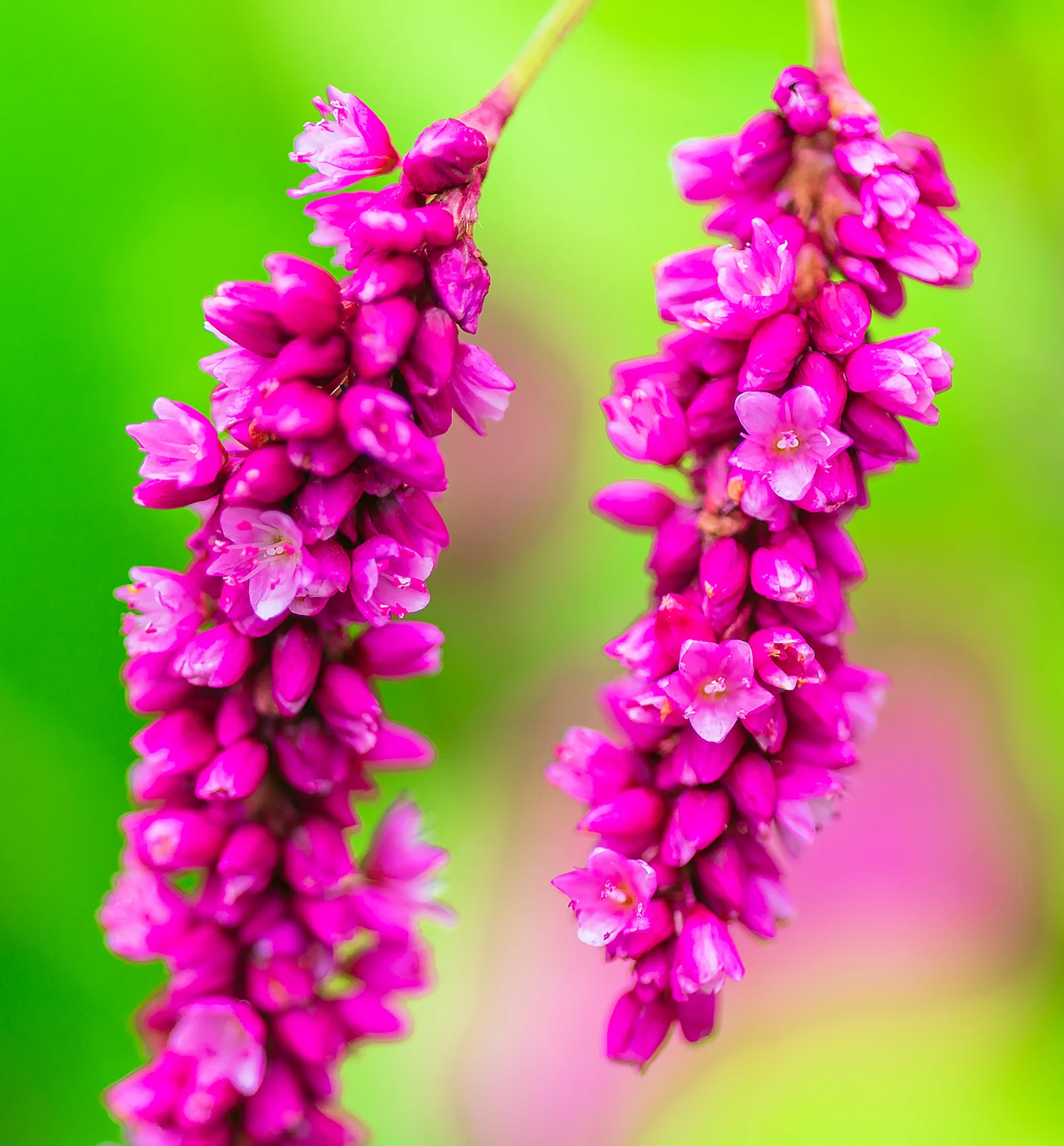
This is a tall, old-fashioned annual with drooping, pink flower racemes. It can grow up to six feet tall in a single season. It self-seeds readily, so once you plant it, you’ll likely have it in your garden for years to come. It prefers full sun to part shade and adds a soft, cottage-garden feel.
5. Kangaroo Paw (Anigozanthos spp.)
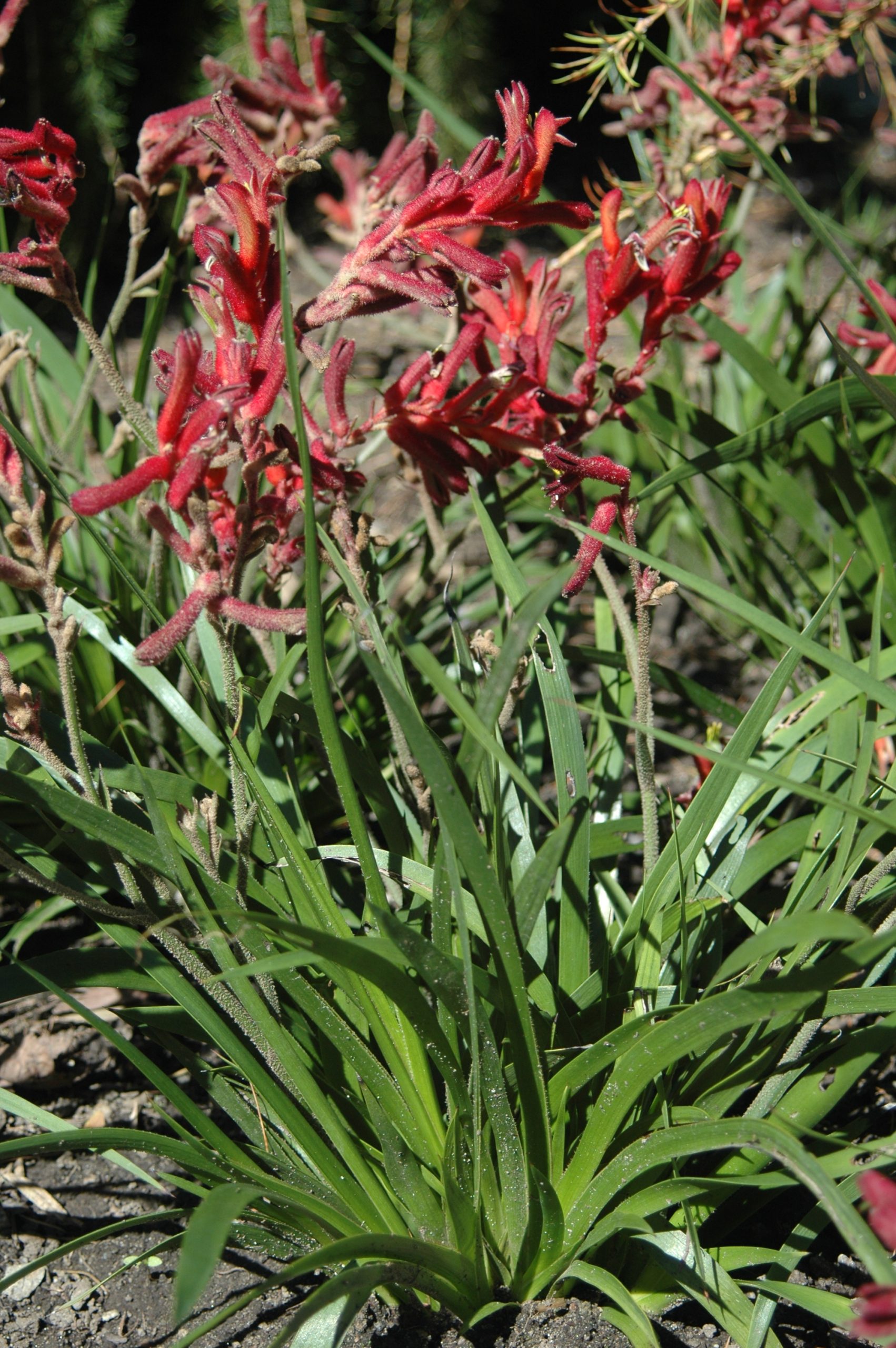
An Australian native, Kangaroo Paw has unique, fuzzy flowers that resemble an animal’s paw. They come in striking colors like red, yellow, and green. This plant needs full sun and excellent drainage. In colder climates, it can be grown in a container and brought indoors for the winter.
6. Kingfisher Daisy (Felicia bergeriana)
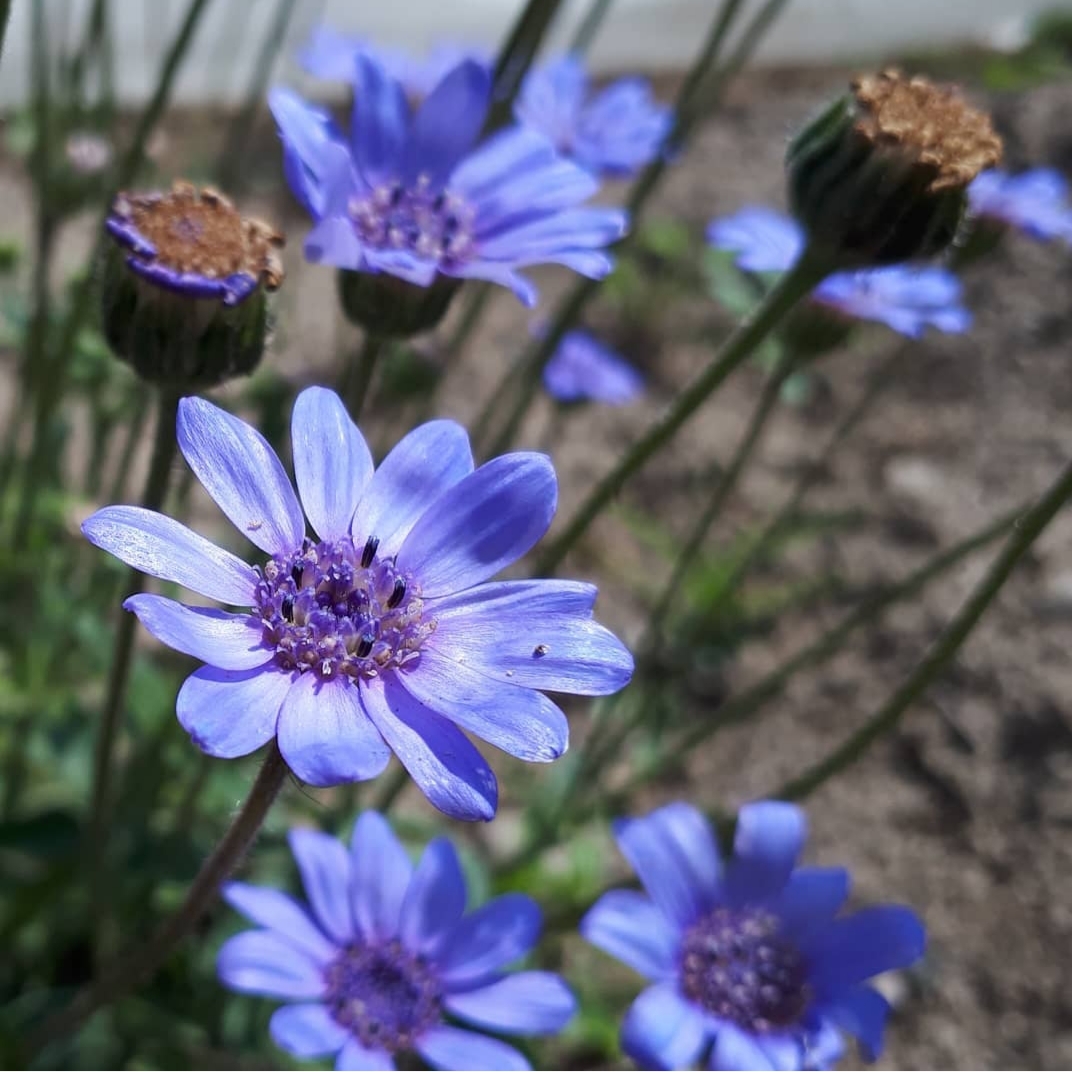
This low-growing annual is covered in small, bright blue daisy flowers with yellow centers. It’s perfect for borders, rock gardens, or spilling over the edges of containers. It blooms profusely in full sun and well-drained soil. I love its true blue color, which can be hard to find in the flower world.
7. Kaffir Lily (Clivia miniata)
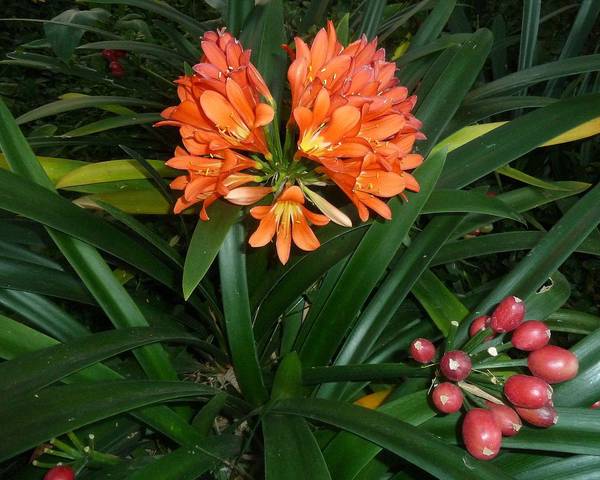
Clivia is a shade-loving perennial with bold, strap-like leaves and clusters of trumpet-shaped orange or yellow flowers. It makes an excellent container plant for a shaded patio or a houseplant. It prefers to be slightly pot-bound to flower best. For more on container growing, see our guide on container gardening.
8. Kentucky Wisteria (Wisteria macrostachya)
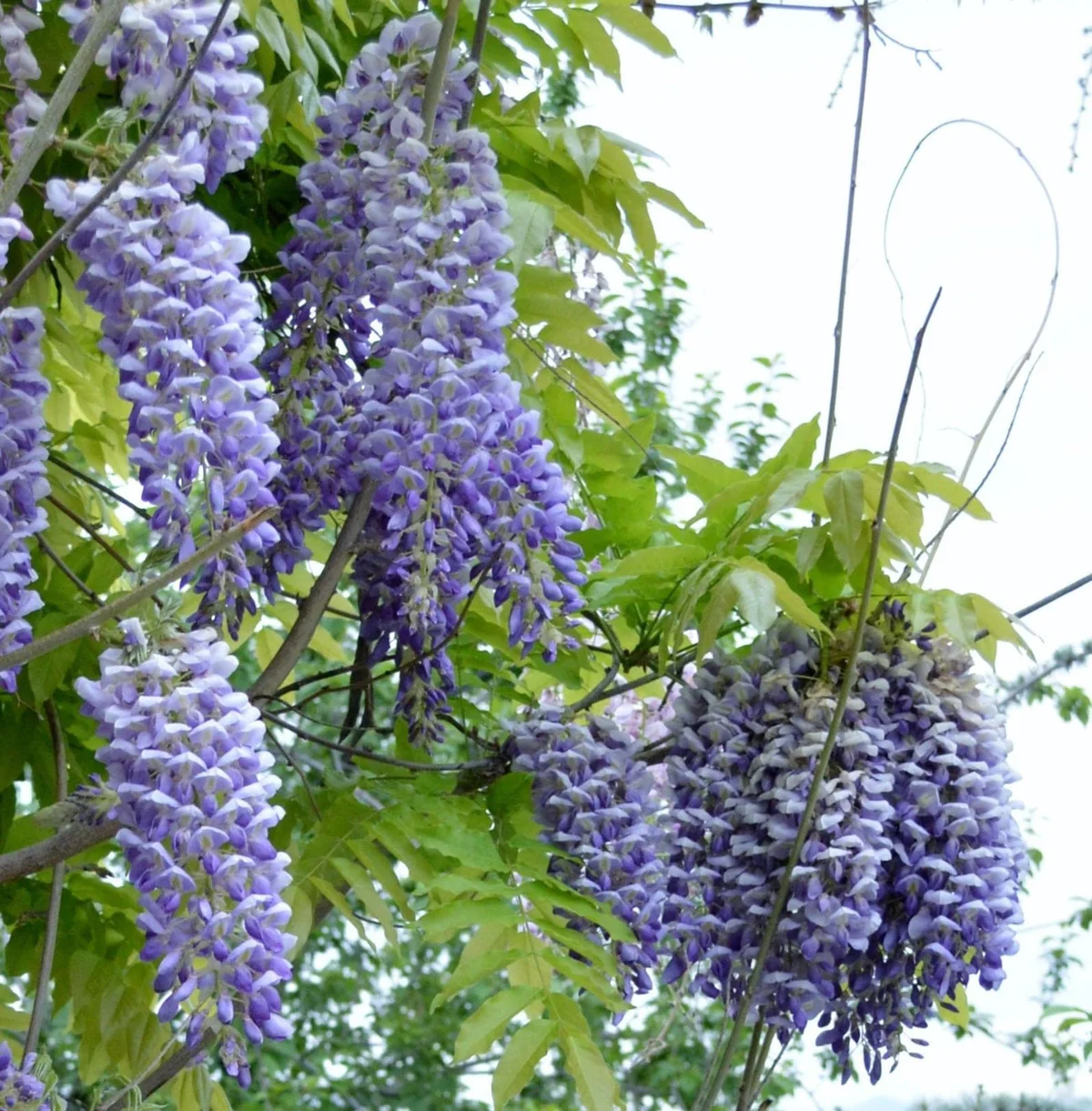
A less aggressive alternative to Chinese Wisteria, this native vine produces beautiful, fragrant, lavender-blue flower clusters in late spring. It requires a sturdy support structure and full sun to bloom well. It is a stunning choice for covering an arbor or pergola.
9. Kerria (Kerria japonica)
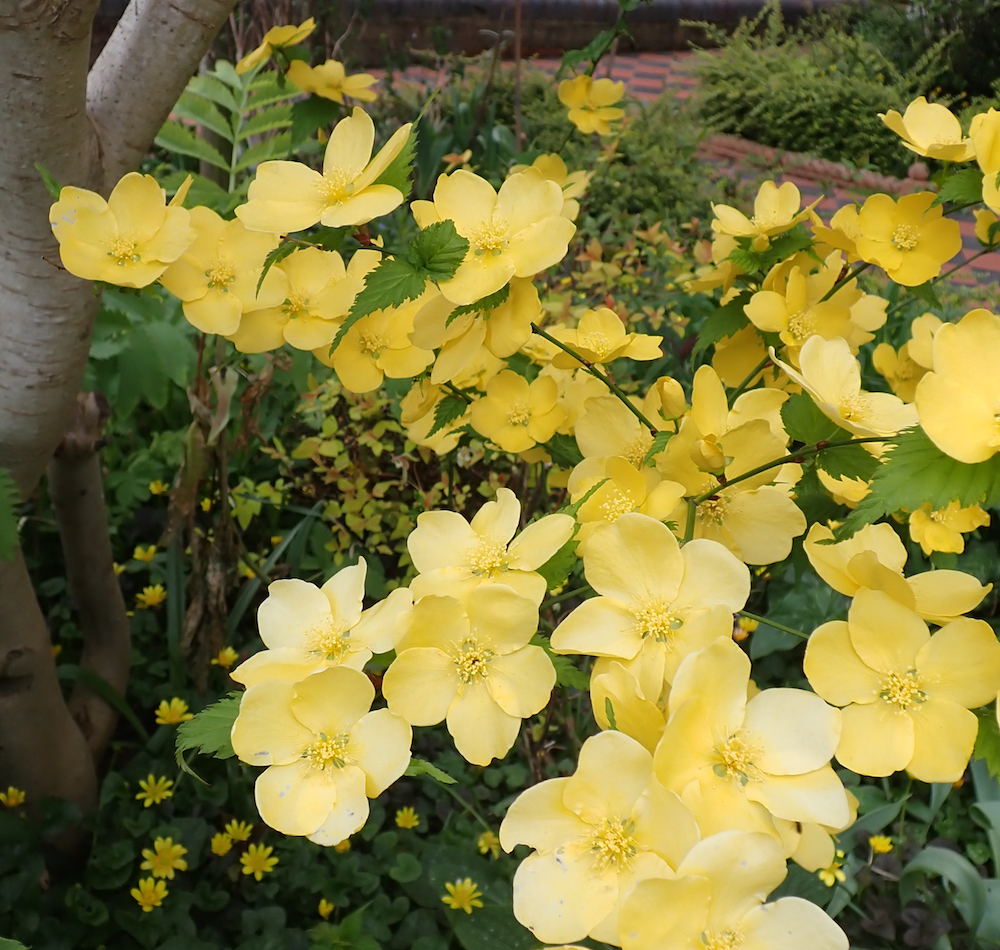
Kerria is a deciduous shrub that brightens up the spring garden with its cheerful, yellow, pom-pom like flowers. It can tolerate shade, making it a valuable plant for darker corners of the garden. The variety ‘Pleniflora’ has double flowers that are especially showy.
10. Kudu Lily (Pachypodium saundersii)
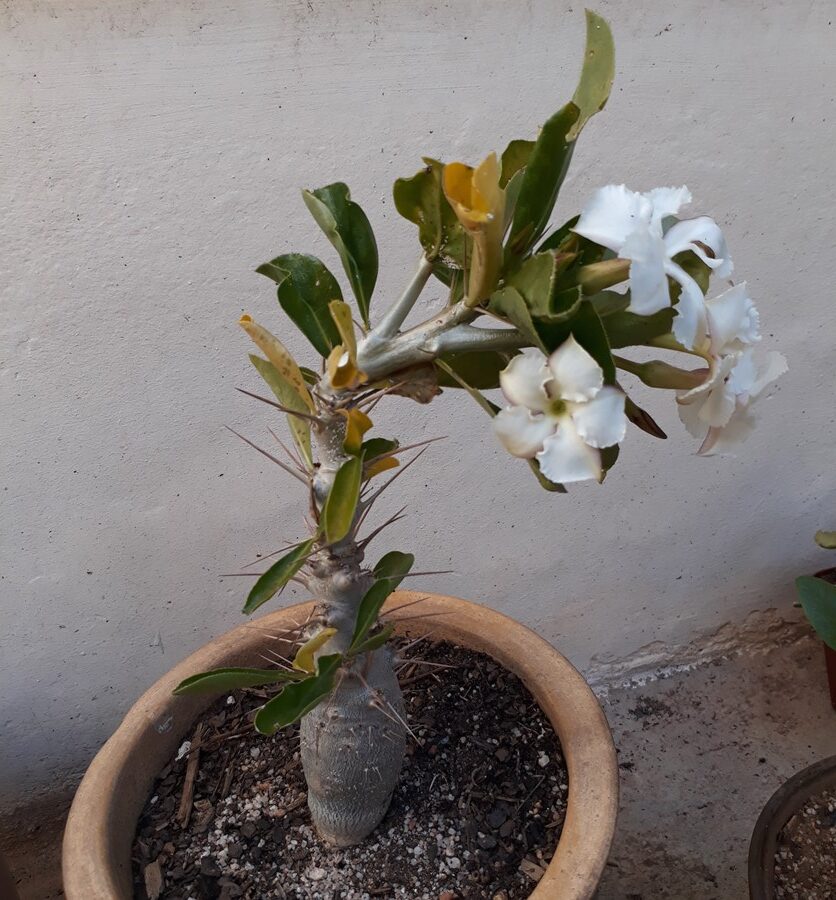
This is a succulent shrub with a thick, spiny stem and beautiful white flowers. It is a unique and drought-tolerant plant for a succulent collection. It requires full sun and extremely well-draining soil. Handle with care because of its sharp spines.
11. Korean Spice Viburnum (Viburnum carlesii)
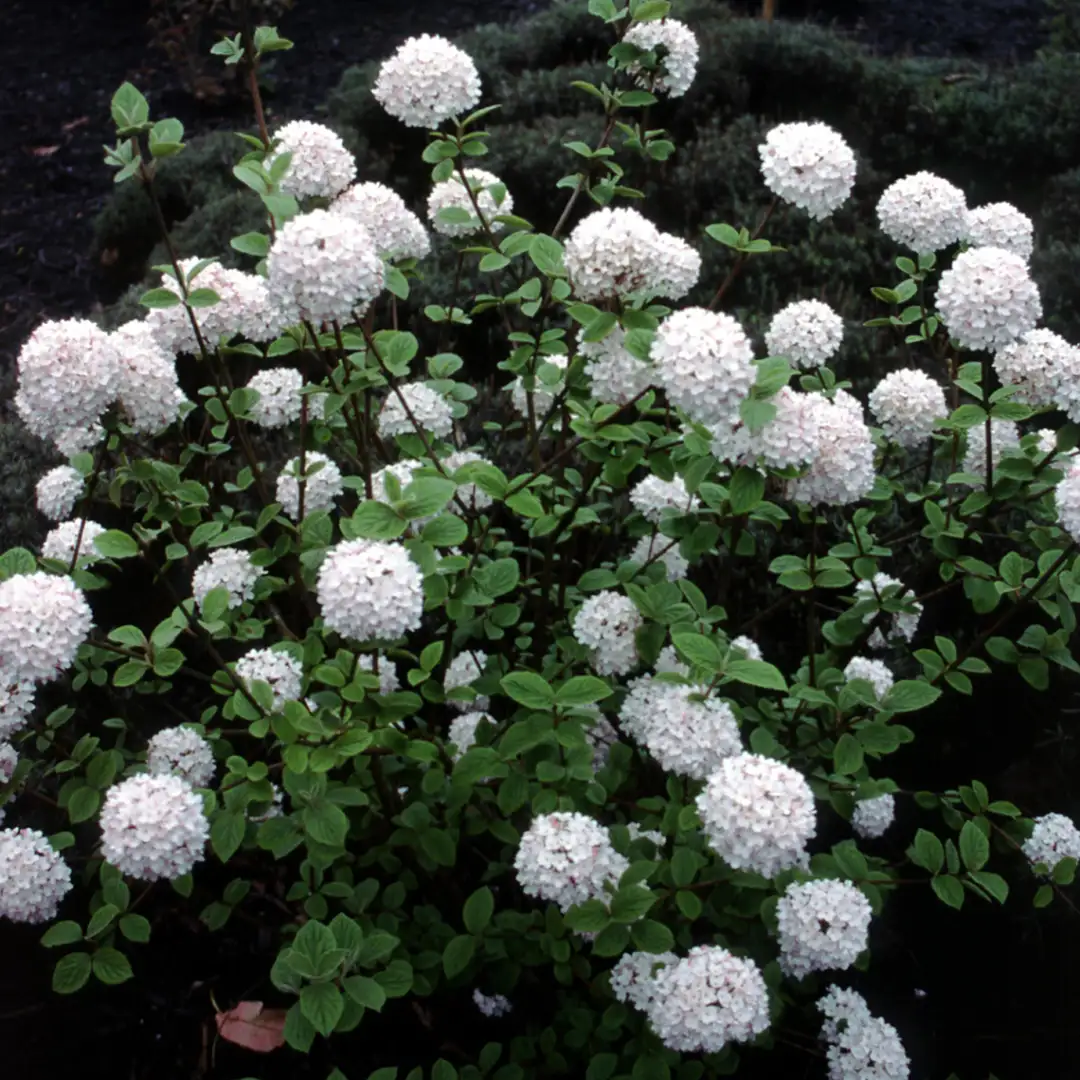
This shrub is prized for its incredibly fragrant, pinkish-white flower clusters that appear in spring. The scent is spicy-sweet and can perfume an entire garden. It grows well in full sun to part shade and is a great foundation planting.
12. Kiss-Me-Not (Myosotis sylvatica)
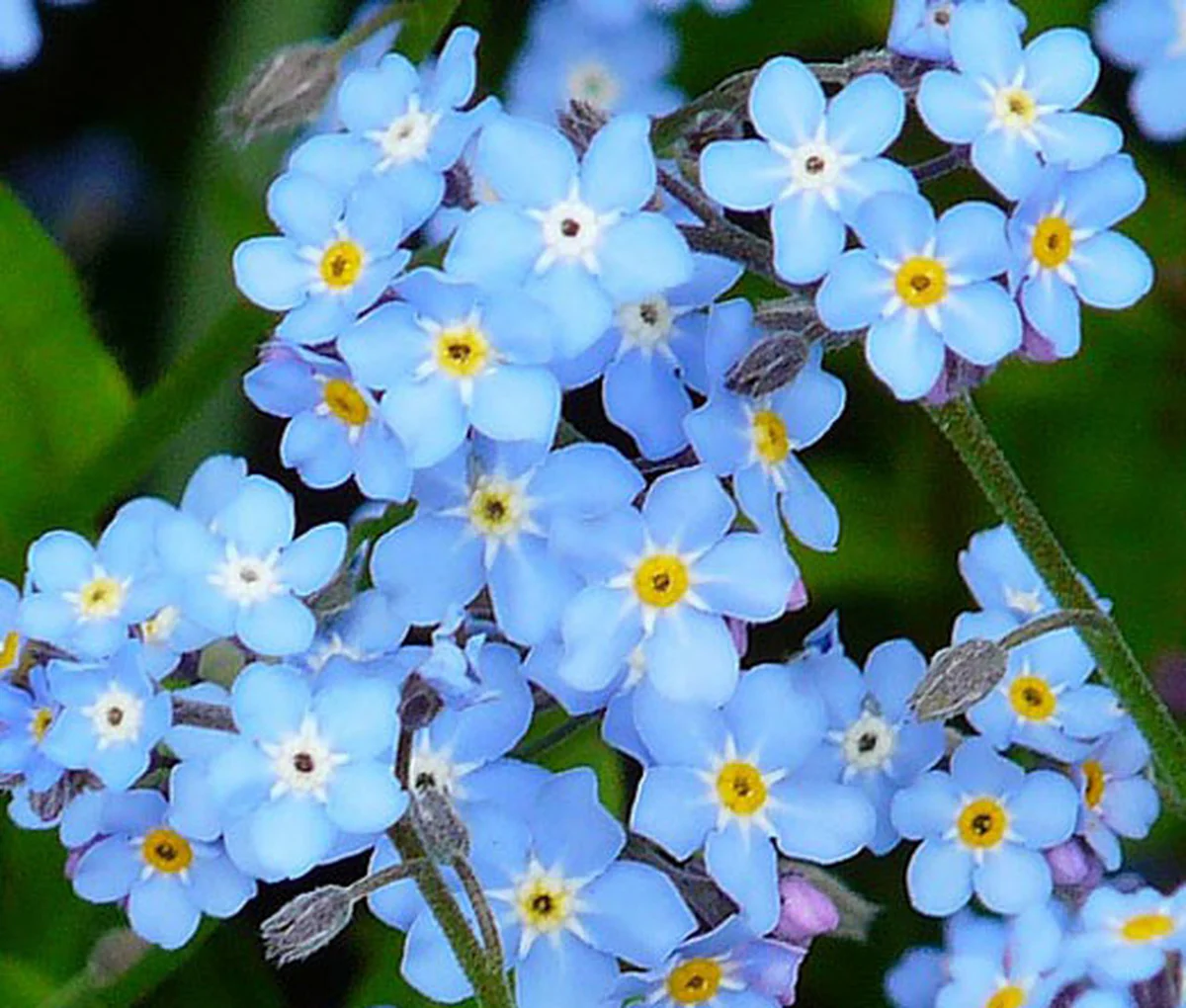
More commonly known as the Woodland Forget-Me-Not, this plant forms clusters of small, sky-blue flowers with yellow centers. It prefers cool, moist conditions and partial shade. It often self-seeds, creating charming drifts of blue in the spring garden.
13. King Protea (Protea cynaroides)
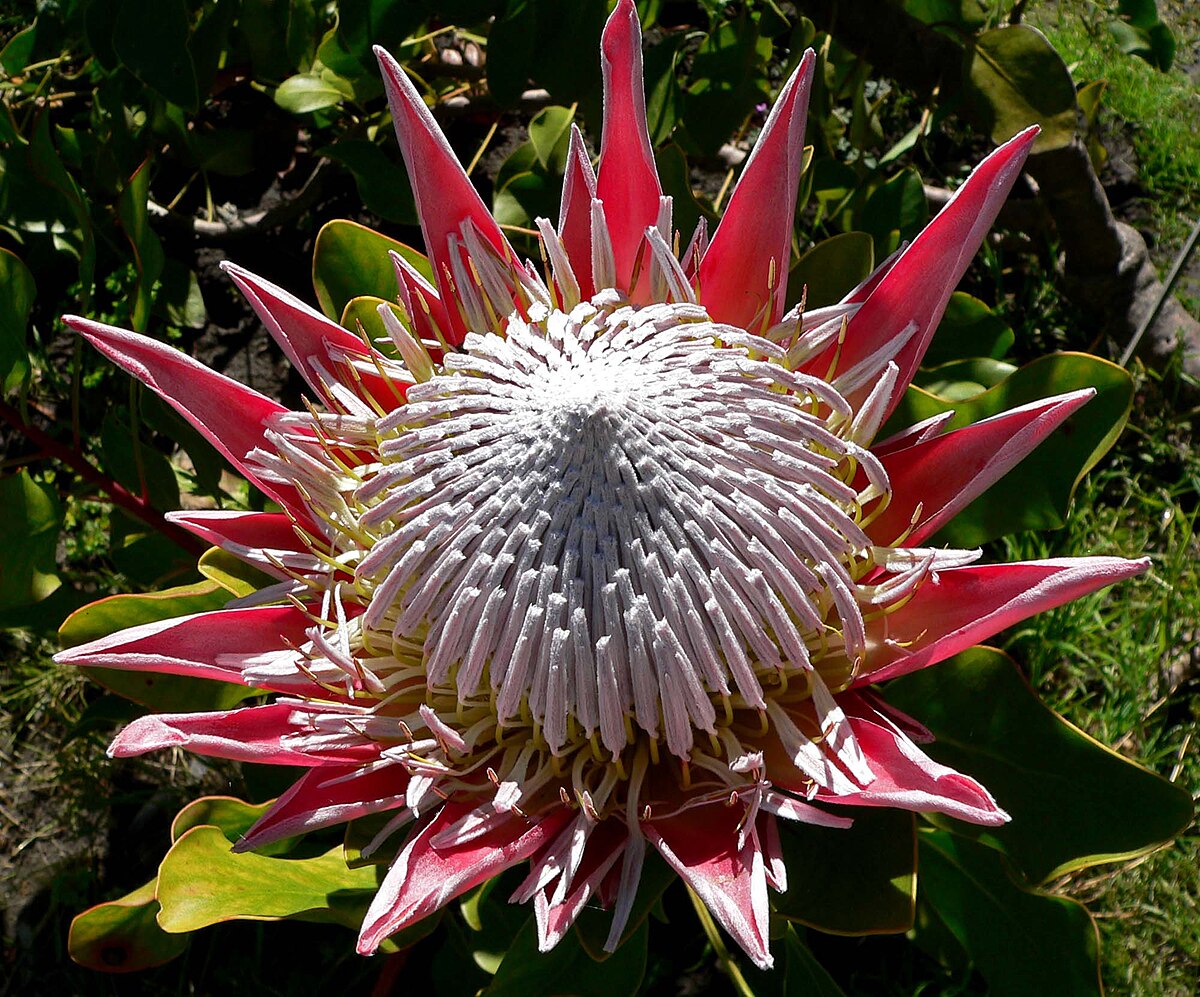
The King Protea is the national flower of South Africa and is known for its enormous, striking flower heads. It is a woody shrub that requires a Mediterranean-like climate with well-draining, acidic soil and full sun. It’s a true showstopper for gardeners in the right climate.
14. Korean Bellflower (Campanula takesimana)
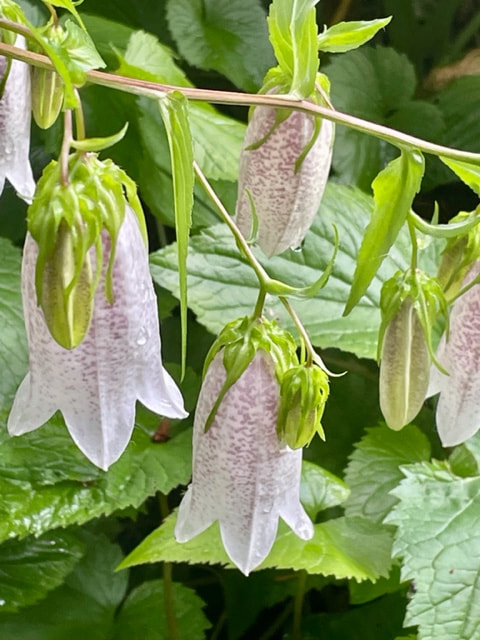
This campanula produces graceful, drooping, bell-shaped white flowers that are speckled with maroon on the inside. It spreads to form a colony in part shade and moist soil. It’s an elegant groundcover for a woodland garden.
15. Kolkwitzia (Kolkwitzia amabilis)
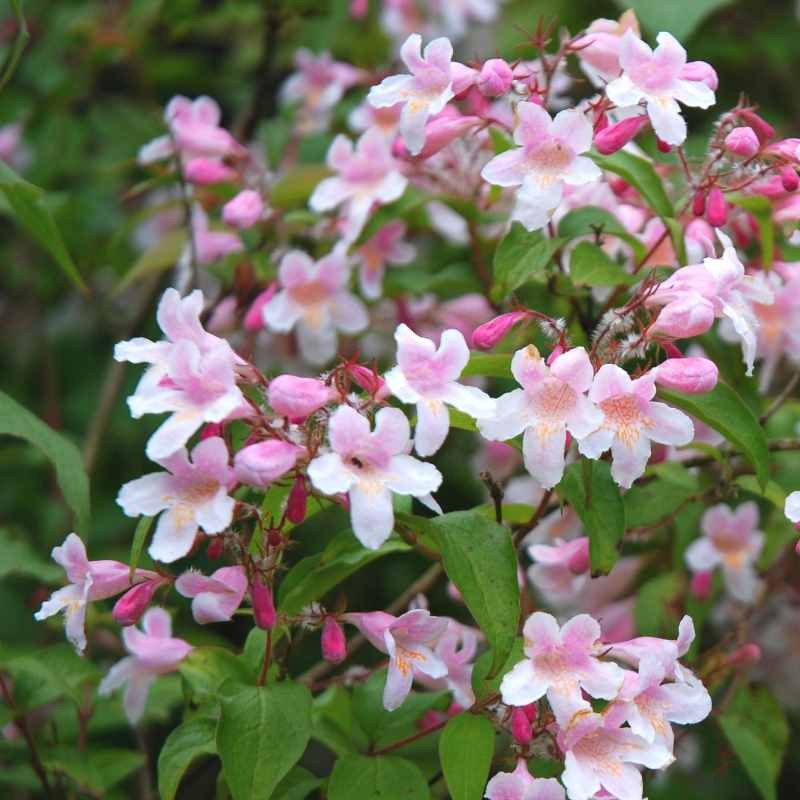
Also known as Beauty Bush, this large, arching shrub is covered in a profusion of small, pink, bell-shaped flowers in late spring. It is a low-maintenance shrub that thrives in full sun and provides a spectacular display each year.
A Quick Guide to K-Flowers
Flower NameTypeKey FeatureSun NeedsKnautiaPerennialCrimson pincushion flowersFull SunKniphofiaPerennialTorch-like flower spikesFull SunKalanchoeSucculentLong-blooming houseplantBright LightKangaroo PawPerennialUnique fuzzy flowersFull SunKerriaShrubYellow flowers, shade tolerantPart Shade
Tips for Growing K-Flowers Successfully
Before you plant, always research your specific variety. Check its hardiness zone to ensure it can survive your winters. Most of the plants on this list need well-draining soil to prevent root rot. Preparing your soil properly is a key first step, which you can learn more about in our garden soil guide.
Consider the plant’s ultimate size and give it enough space to grow. This prevents overcrowding and improves air circulation, which reduces disease problems. For flowering shrubs like Kerria and Kolkwitzia, pruning at the right time of year is essential for maintaining their shape and promoting the best bloom.
Final Thoughts
Exploring flowers by the letter is a fun way to discover new plants you might otherwise overlook. The “K” section of the plant world is full of bold, beautiful, and pollinator-friendly options that can bring unique texture and color to your landscape.
For more inspiration on what to plant, explore our other guides on flower gardening. Have you grown any of these K-flowers? Do you have a favorite that I missed? Let me know in the comments below