
Explore 12 gorgeous flowers that start with M, from marigolds to mullein, with easy growing tips from Ashley Scott, a 10-year gardening pro. Perfect for USA gardens!
Hey there, plant lovers! I’m Ashley Scott, and with 10 years of gardening experience, I’ve grown a ton of beautiful blooms, including some fantastic flowers that start with M. Since you asked for more, I’ve expanded the list to include additional marvelous flowers that can brighten up any USA garden. These picks are perfect for beginners and seasoned gardeners alike, and I’ll weave in some personal stories and tie them to related gardening ideas like succulent propagation for a low-maintenance vibe. Let’s dig into this expanded list of flowers that start with M!
Expanded List of Flowers That Start with M
Here’s a beefed-up list of flowers that start with M, complete with descriptions, growing tips, and how they fit into your garden. I’ve included a mix of annuals, perennials, and even a few that complement propagating succulents in soil or other easy-care plants. Each flower comes with my personal insights from a decade of gardening, plus links to trusted resources for extra info.
1. Marigold (Tagetes spp.)
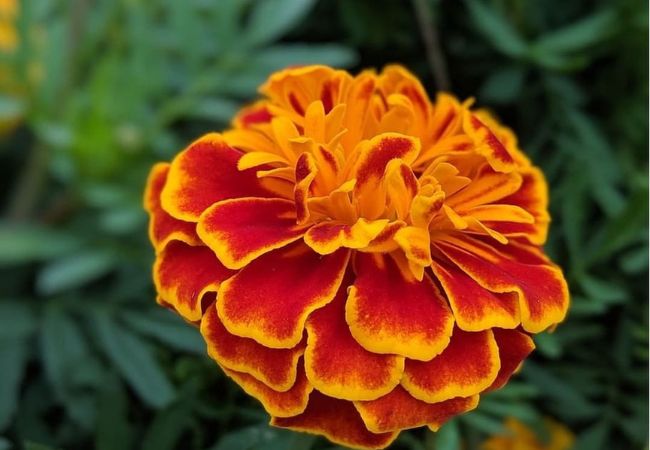
Marigolds are sunny, cheerful flowers in yellow, orange, and red. These annuals are a go-to in my garden for their pest-repelling powers—perfect for planting near veggies or even succulents if you’re trying succulent propagation from leaf. They’re super easy to grow and add a pop of color.
- Growing Conditions: Full sun, well-drained soil.
- Size: 6 inches to 3 feet tall.
- Zones: 2–11 (grown as annuals in most regions).
- Tip from Ashley: I plant marigolds around my tomatoes to deter aphids. Deadhead regularly to keep them blooming all summer.
- Fun Fact: Marigolds are used in Day of the Dead celebrations for their vibrant hues and scent.
Related Resource: Learn about marigold companion planting at Purdue University’s Extension.
2. Morning Glory (Ipomoea spp.)
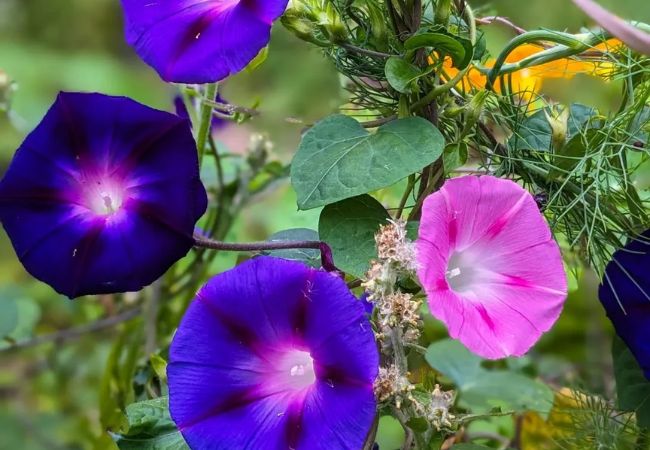
Morning glories are climbing vines with trumpet-shaped flowers in blue, purple, or white that open in the morning and close by afternoon. I’ve trained them up a trellis in my backyard, and they grow so fast, they remind me of how to propagate succulents fast for quick garden wins.
- Growing Conditions: Full sun, well-drained soil.
- Size: Vines grow 6–10 feet long.
- Zones: 3–10 (annual in colder climates).
- Tip from Ashley: Soak seeds overnight to boost germination. Pair with succulents for a cool contrast of textures.
- Caution: Seeds are toxic, so keep them away from kids and pets.
Related Resource: Check out Cornell University’s guide on growing morning glories.
3. Moonflower (Ipomoea alba)
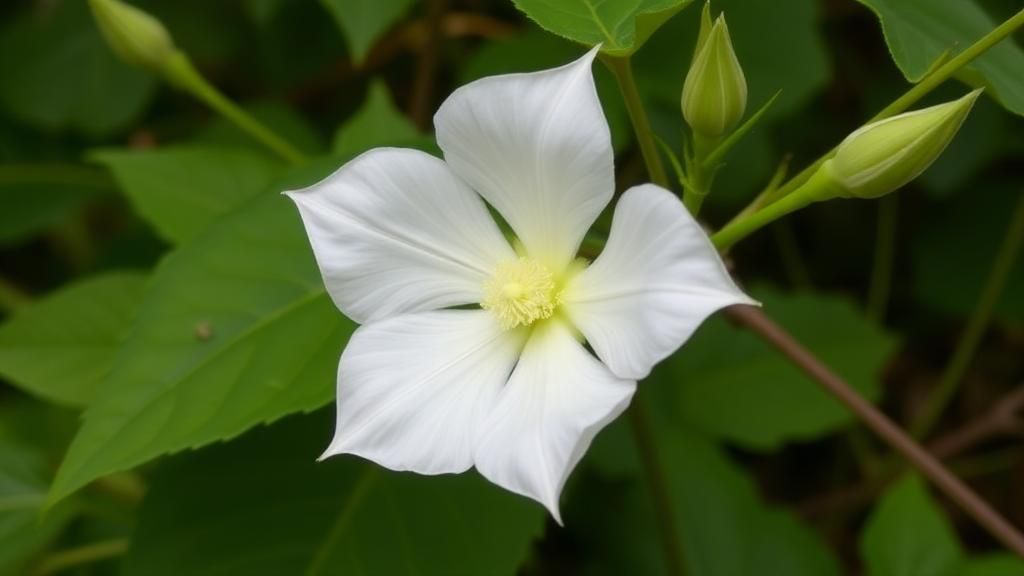
Moonflowers, the night-blooming cousins of morning glories, have large, fragrant white flowers that open at dusk. I planted these near my patio for evening vibes, and they attract moths like crazy. Their vining habit pairs well with succulent propagation from stem for a structured yet flowing garden look.
- Growing Conditions: Full sun to partial shade, moist soil.
- Size: Vines reach 10–15 feet.
- Zones: 10–12 (annual elsewhere).
- Tip from Ashley: Give them a sturdy trellis and water regularly for the best blooms.
- Fun Fact: Moonflowers glow under moonlight, perfect for night gardens.
Related Resource: Explore moonflower care at Missouri Botanical Garden.
4. Magnolia (Magnolia spp.)
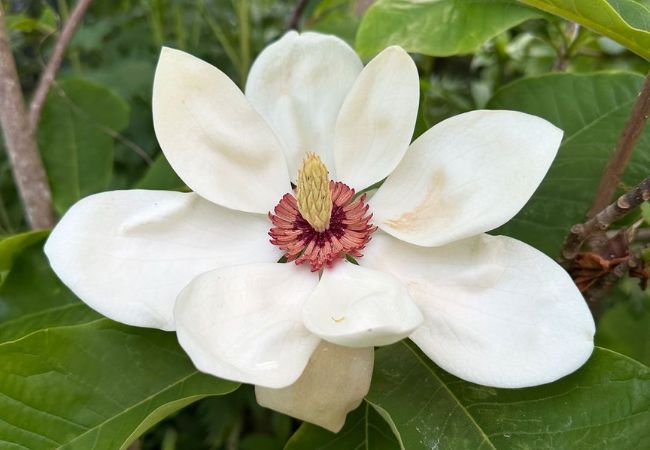
Magnolias are stunning trees or shrubs with large, fragrant flowers in white, pink, or yellow. I have a dwarf magnolia in my small backyard, inspired by my love for easy landscaping ideas for small backyards (check out my post at USA Garden Hub). Their glossy leaves make them a showstopper.
- Growing Conditions: Full sun to partial shade, rich, well-drained soil.
- Size: 10–80 feet tall, depending on variety.
- Zones: 4–9.
- Tip from Ashley: Mulch around the base to keep roots cool and avoid windy spots to protect blooms.
- Fun Fact: Some magnolia flowers are as big as dinner plates!
Related Resource: Discover magnolia varieties at University of Florida’s IFAS Extension.
5. Mallow (Malva spp.)
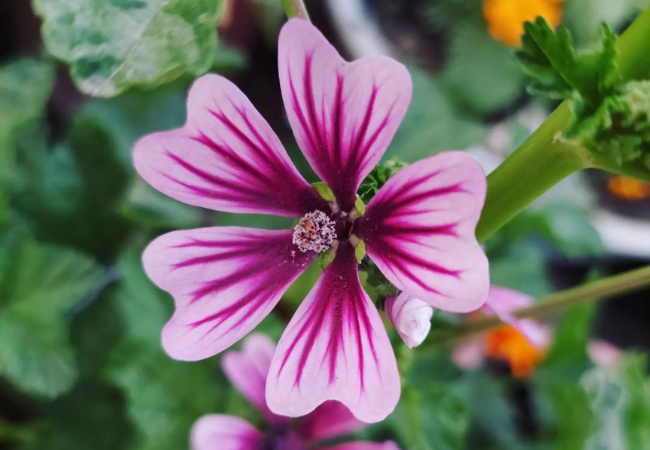
Mallow flowers, with delicate pink or purple petals, are perfect for cottage gardens. These hardy perennials are drought-tolerant, much like succulents, making them a great match for succulent propagation projects. I love how they attract bees, tying into my post on bee-friendly plants.
- Growing Conditions: Full sun, well-drained soil.
- Size: 2–4 feet tall.
- Zones: 3–8.
- Tip from Ashley: Cut back after blooming for a second flush. They thrive in lean soils like native grasses.
- Fun Fact: Mallow leaves are edible and used in herbal teas.
Related Resource: Learn about mallow’s uses at North Carolina State Extension.
6. Monkshood (Aconitum spp.)
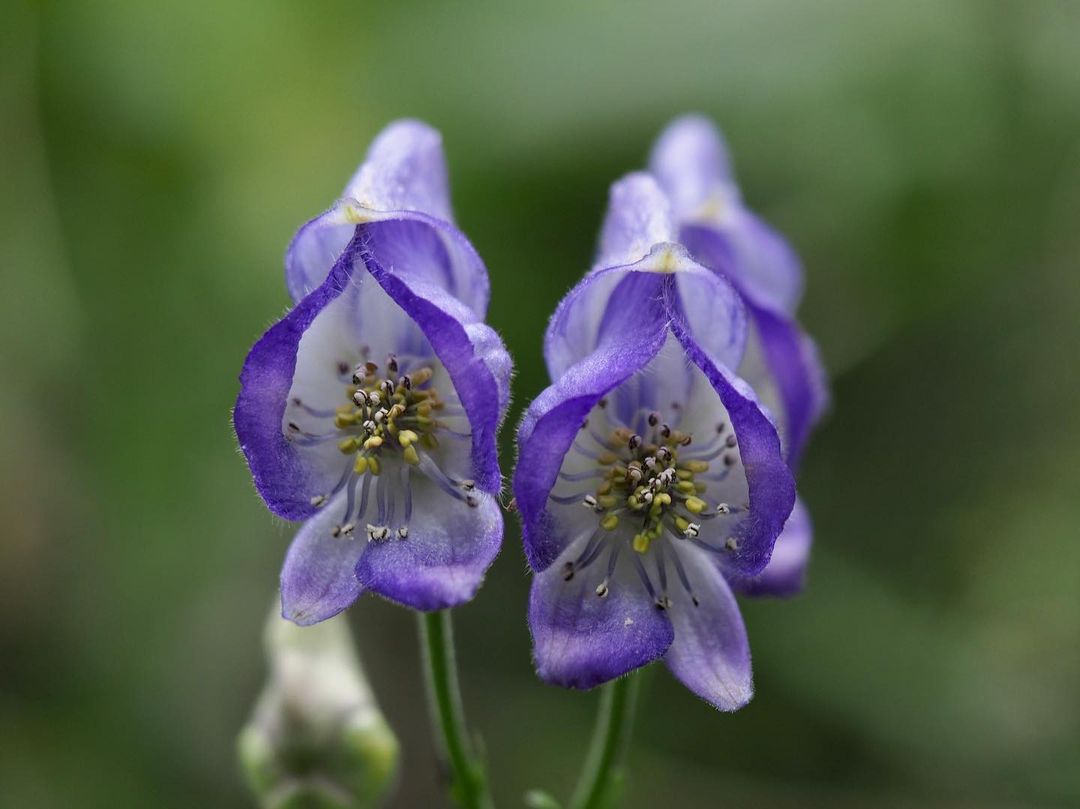
Monkshood brings drama with its hooded blue or purple flowers, perfect for shady spots. I’ve used it in the back of borders for height, much like tall native ornamental grasses (see my post on native grasses). Be careful—it’s toxic!
- Growing Conditions: Partial shade, moist, well-drained soil.
- Size: 2–4 feet tall.
- Zones: 3–7.
- Tip from Ashley: Wear gloves when handling and keep away from kids and pets. Pair with ferns for a lush look.
- Fun Fact: Named for its flower shape, resembling a monk’s hood.
Related Resource: Get safety tips for monkshood at University of Wisconsin Extension.
7. Moss Rose (Portulaca grandiflora)
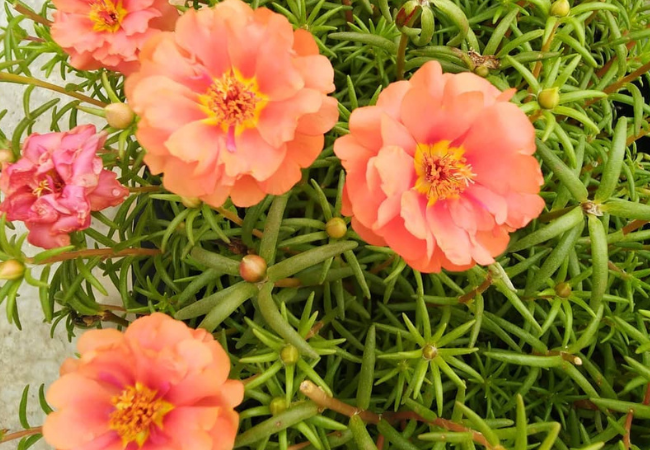
Moss rose is a low-growing annual with vibrant flowers in pink, yellow, red, and white. Its succulent-like qualities make it a natural fit for succulent propagation tray setups. I use it in rock gardens for its drought tolerance and bright colors.
- Growing Conditions: Full sun, sandy or well-drained soil.
- Size: 6–12 inches tall, spreading up to 2 feet.
- Zones: 2–11 (annual in most areas).
- Tip from Ashley: Water sparingly, like you would when propagating succulents in soil. Perfect for sunny borders.
- Fun Fact: Flowers close at night and reopen with the sun.
8. Mexican Sunflower (Tithonia rotundifolia)
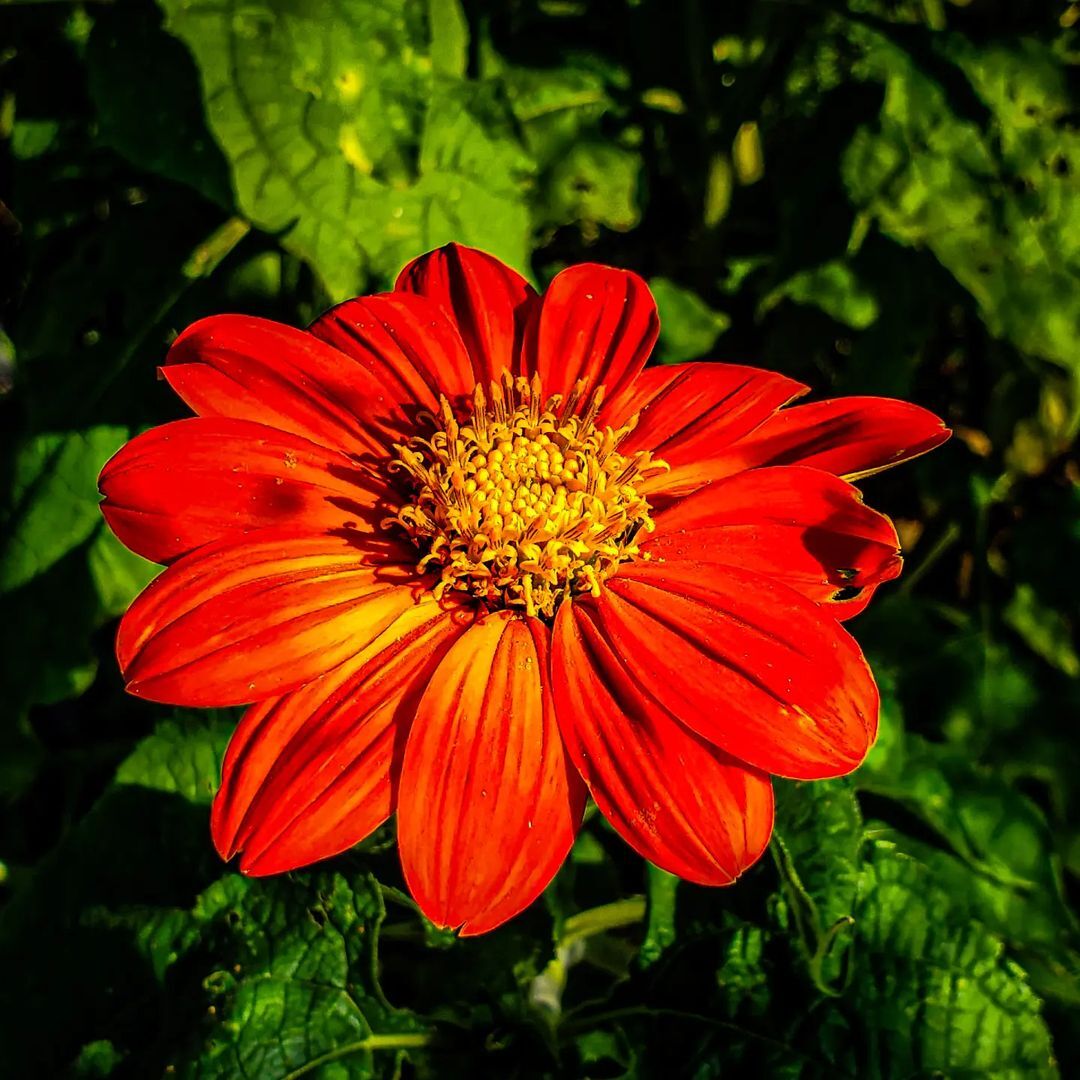
Mexican sunflowers are bold, fiery blooms in orange and red that attract butterflies and bees. I planted these in a sunny corner of my garden, and they’re as low-maintenance as propagating succulent leaves in water. They’re perfect for adding height and color.
- Growing Conditions: Full sun, well-drained soil.
- Size: 4–6 feet tall.
- Zones: 2–11 (annual in most regions).
- Tip from Ashley: Stake taller plants to prevent flopping. They thrive in hot, dry conditions.
- Fun Fact: These flowers are a magnet for monarch butterflies during migration.
Related Resource: Learn more at Texas A&M AgriLife Extension.
9. Million Bells (Calibrachoa spp.)
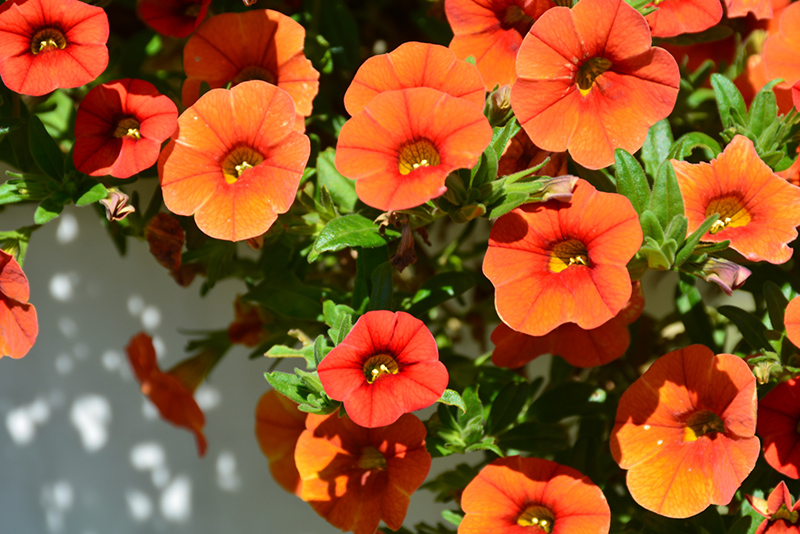
Million bells are petite, petunia-like flowers in shades of pink, purple, yellow, and white. I grow these in hanging baskets for a cascading effect, similar to propagating succulent leaves on a string for a decorative touch. They bloom nonstop with minimal care.
- Growing Conditions: Full sun, well-drained soil.
- Size: 6–12 inches tall, spreading up to 2 feet.
- Zones: 9–11 (annual elsewhere).
- Tip from Ashley: Feed with a liquid fertilizer monthly for endless blooms. They love heat!
- Fun Fact: Named for their bell-shaped flowers that seem to ring in millions.
10. Maltese Cross (Lychnis chalcedonica)
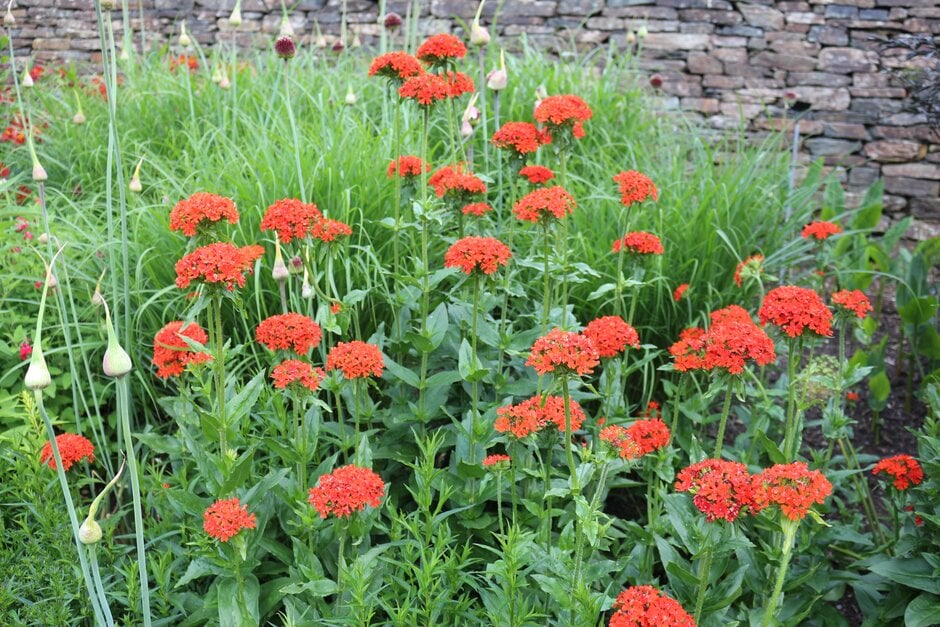
Maltese cross boasts clusters of bright red, star-shaped flowers that add a fiery pop to borders. I’ve used them to complement native ornamental grasses like prairie dropseed for a textured look. They’re tough and attract pollinators.
- Growing Conditions: Full sun to partial shade, well-drained soil.
- Size: 2–3 feet tall.
- Zones: 3–10.
- Tip from Ashley: Divide every few years to keep plants vigorous. Great for bee-friendly gardens.
- Fun Fact: The flower’s shape resembles the Maltese cross symbol.
11. Mullein (Verbascum spp.)
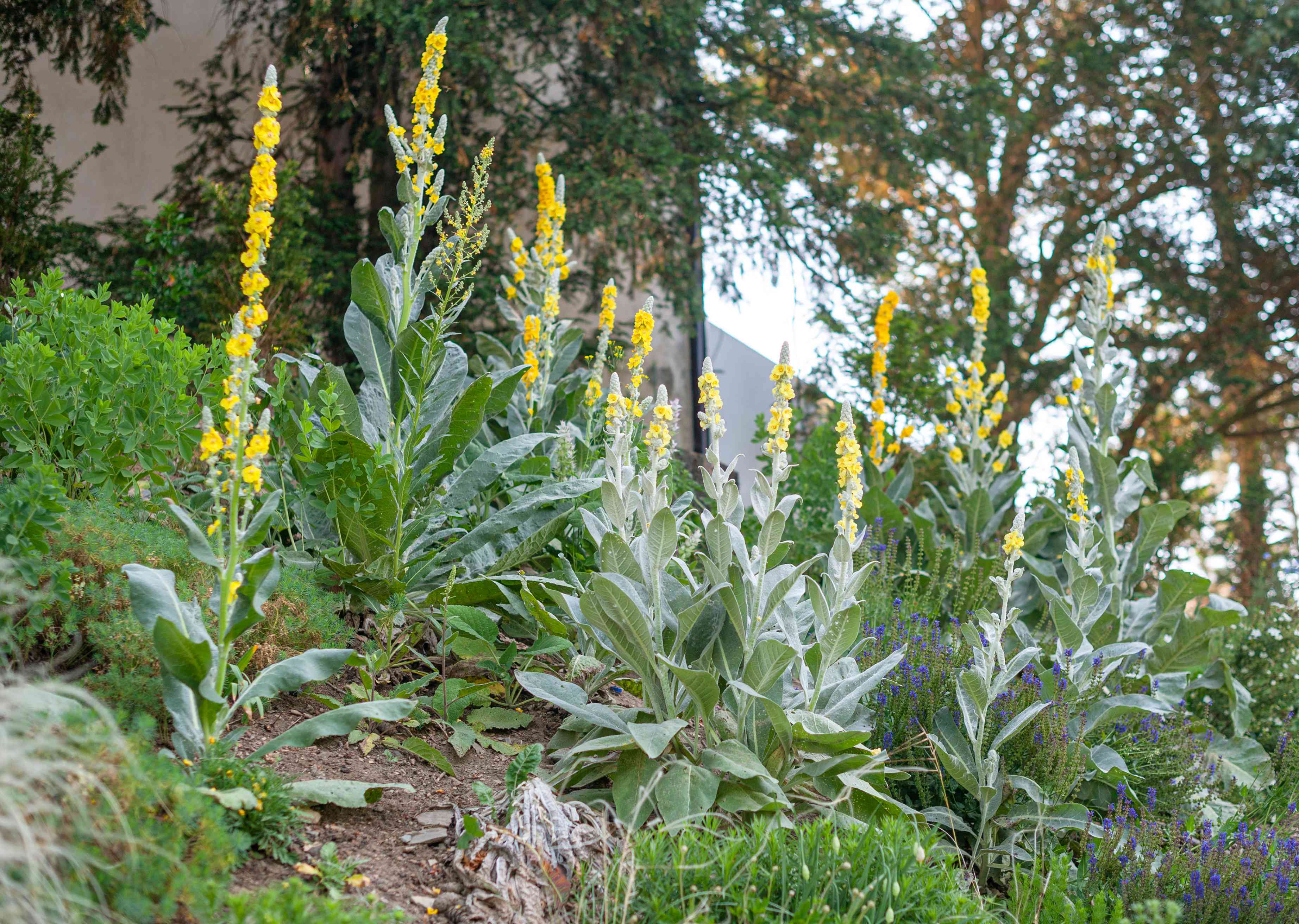
Mullein produces tall spikes of yellow, white, or pink flowers that stand out in any garden. I love their soft, fuzzy leaves, which remind me of the texture play in succulent propagation projects. They’re biennials, so plan for blooms in the second year.
- Growing Conditions: Full sun, dry to medium soil.
- Size: 2–6 feet tall.
- Zones: 3–9.
- Tip from Ashley: Perfect for xeriscaping with succulents. Let them self-seed for more plants.
- Fun Fact: Mullein has been used in herbal medicine for centuries.
12. Meadow Sage (Salvia nemorosa)
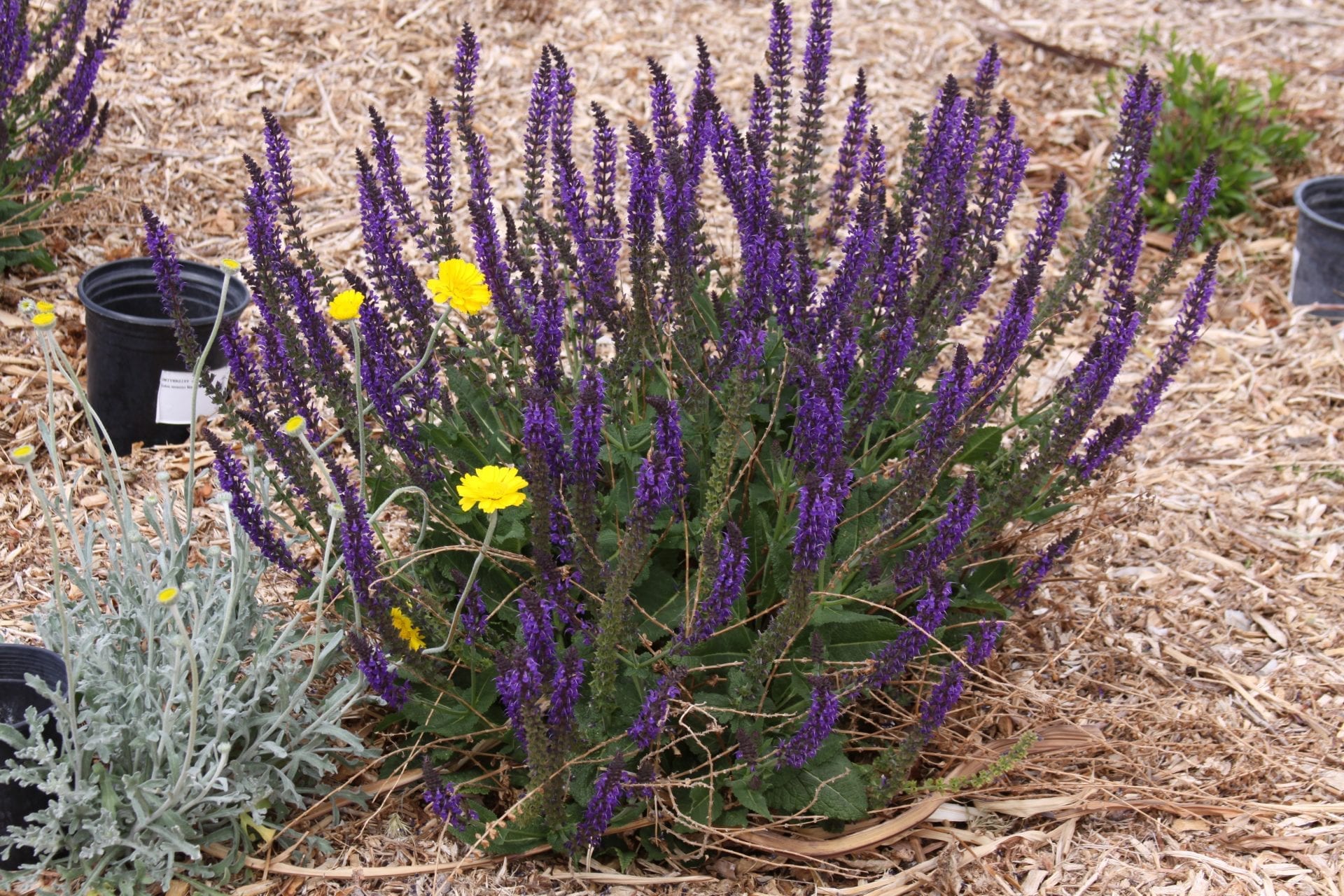
Meadow sage offers spikes of purple, blue, or pink flowers that bees and butterflies adore. I’ve paired it with native grasses like little bluestem for a prairie vibe. It’s low-maintenance, much like succulent propagation timeline for easy gardening.
- Growing Conditions: Full sun, well-drained soil.
- Size: 1–2 feet tall.
- Zones: 4–8.
- Tip from Ashley: Cut back after blooming for a second flush. It’s drought-tolerant once established.
- Fun Fact: Its long bloom time makes it a pollinator favorite.
Why Grow Flowers That Start with M?
These flowers that start with M offer a range of colors, heights, and care levels, making them ideal for USA gardens. From the low-maintenance moss rose to the majestic magnolia, there’s a bloom for every style. They also play well with other plants, like native ornamental grasses or succulents (stay tuned for my succulent propagation guide at USA Garden Hub). Plus, many attract pollinators, boosting your garden’s ecosystem.
Quick Tips for Growing These Flowers
- Mix and Match: Use tall flowers like mullein or Mexican sunflower as focal points and shorter ones like moss rose or million bells as ground covers.
- Check Zones: Match flowers to your USDA zone for best results.
- Pollinator Boost: Marigolds, mallow, and meadow sage attract bees, perfect for pairing with bee-friendly plants.
- Low Maintenance: Combine with succulent propagation for a garden that’s easy to care for.
Wrapping Up
From marigolds to meadow sage, flowers that start with M bring beauty, versatility, and pollinator power to your garden. As a gardener with a decade of experience, I can’t get enough of these blooms, and I hope you’ll give them a try! Got a favorite M flower or a tip to share? Drop a comment on my site, USA Garden Hub!