
Discover 15 flowers to plant in November. This guide covers bulbs, perennials, and hardy annuals for spring blooms and winter color, with planting tips for your region.
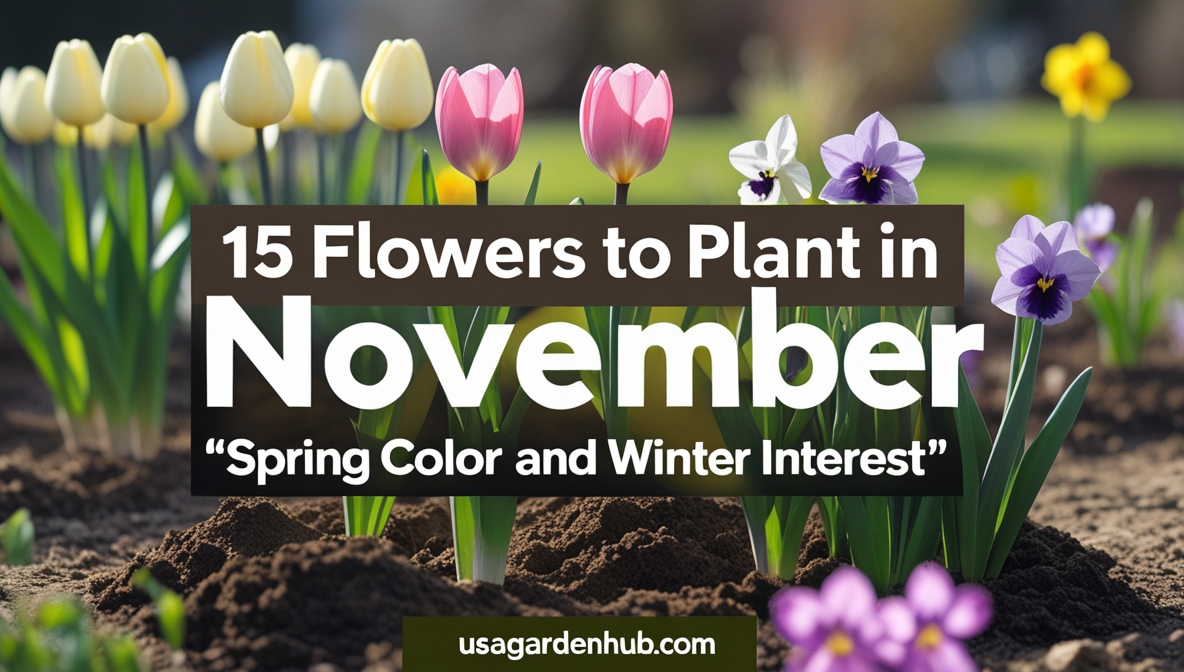
I’ll never forget the November I spent planting tulip bulbs with my grandmother. “We’re planting hope,” she told me, tucking each bulb into the cold soil. When spring arrived, that hope erupted into a dazzling display that made the gray, chilly planting day worth every moment. November might seem like the end of the gardening season, but for savvy gardeners, it’s a secret window of opportunity.
While many gardeners are putting their beds to sleep, you can get a head start on next year’s display. Planting in November allows bulbs to establish roots during the cold months, ensures a vibrant early spring show, and takes advantage of seasonal rains in milder climates to establish perennials.
15 Flowers to Plant This November
Here are my top choices for flowers you can plant in November, from hardy bulbs to resilient annuals.
1. Tulips
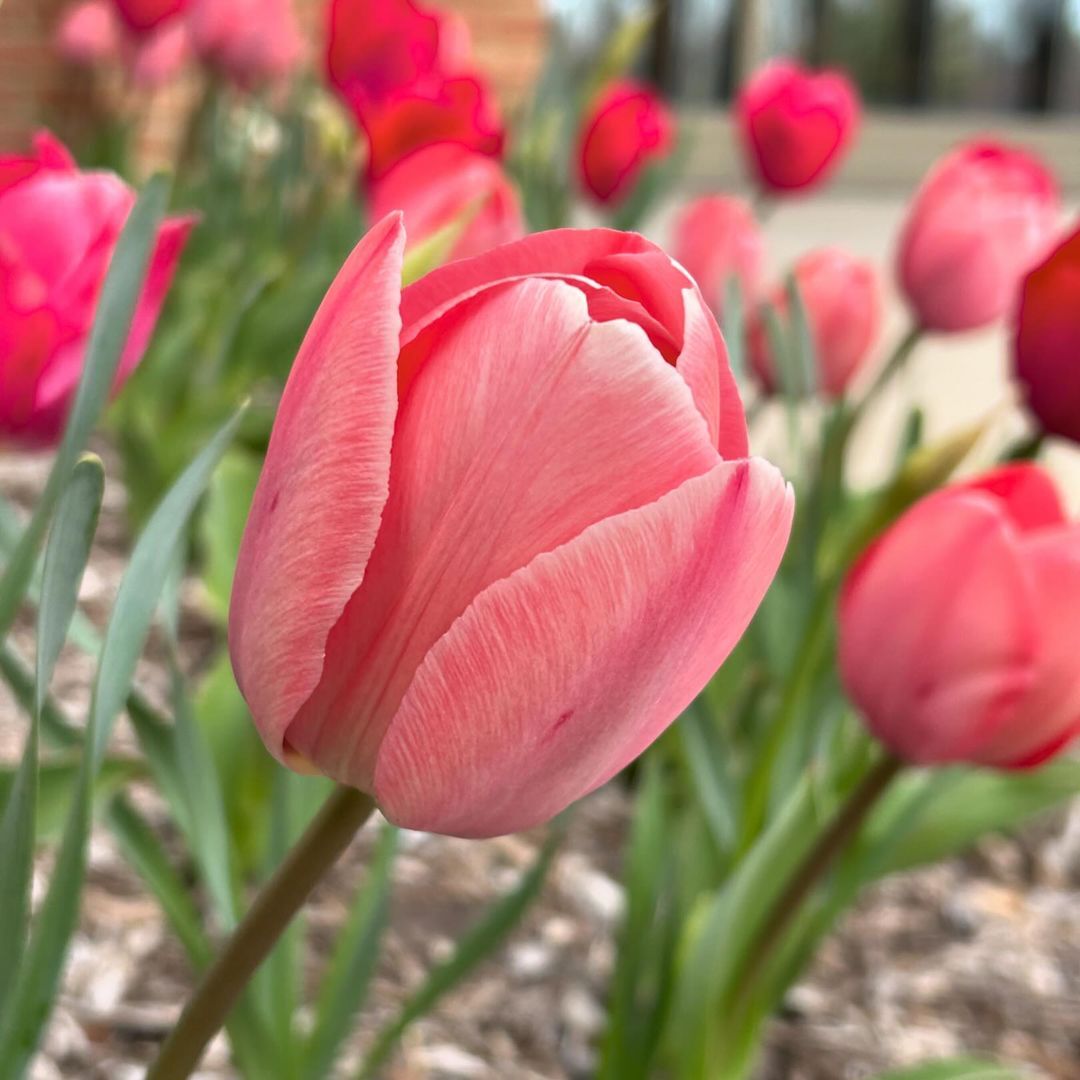
Tulips are the classic fall-planted bulb. In fact, planting them in late autumn can help avoid tulip fire disease. Choose a spot with well-drained soil and full sun to partial shade. Plant bulbs about 6-8 inches deep and 4-6 inches apart.
2. Daffodils (Narcissus)
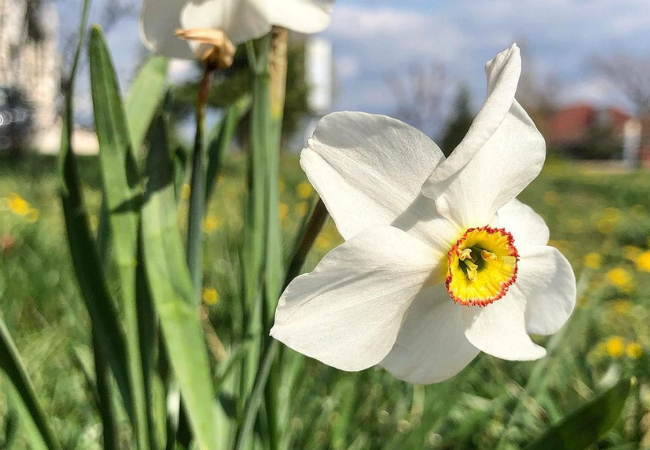
Nothing signals spring like cheerful daffodils. These robust bulbs are rodent and deer-resistant. Plant them in well-draining soil about 6-8 inches deep. They naturalize beautifully, meaning they’ll multiply and return year after year with minimal care.
3. Crocuses
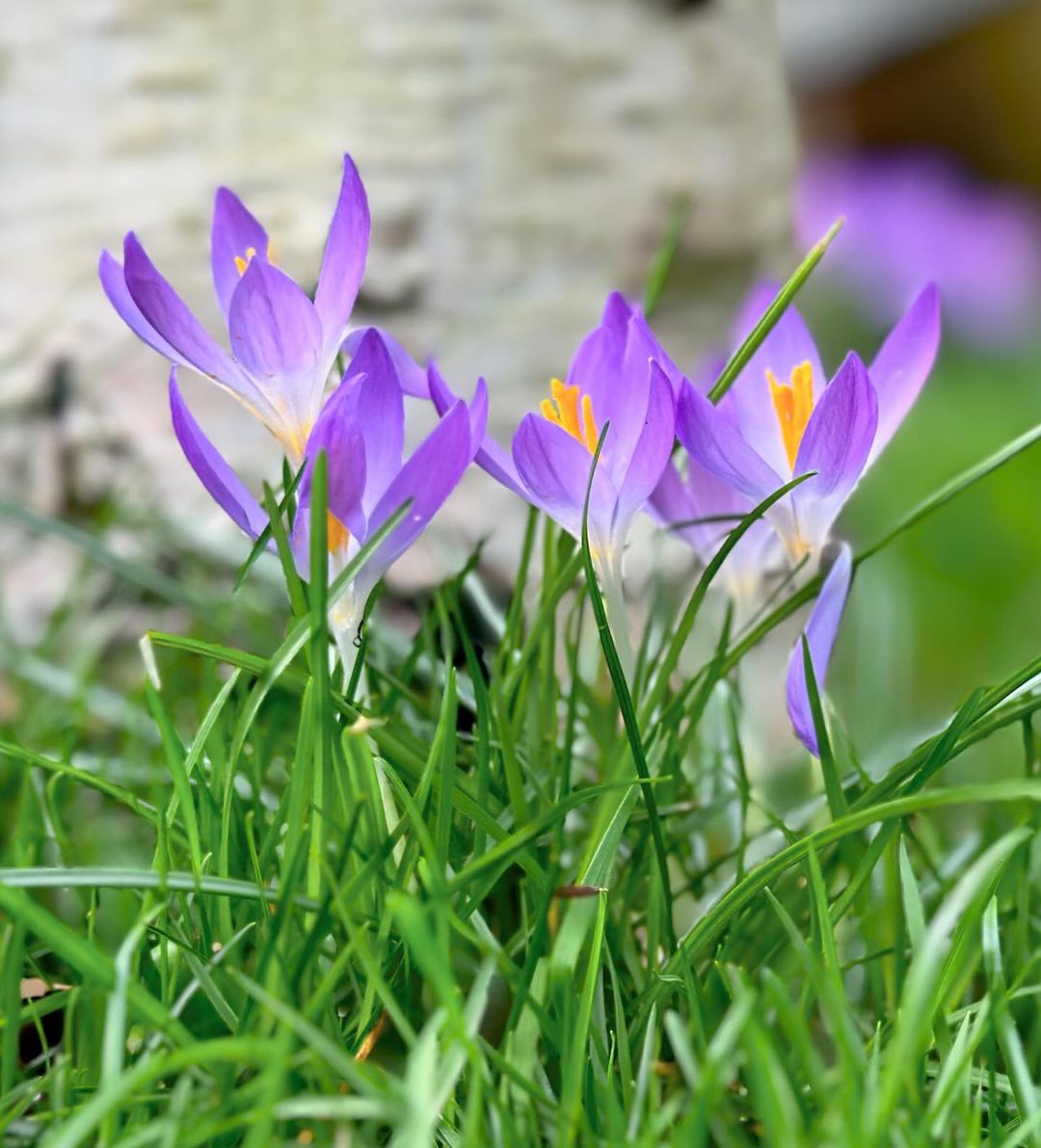
Among the first flowers to appear in late winter, crocuses provide vital early nectar for pollinators. Plant the corms 3-4 inches deep in clusters for the best display. They do well in lawns, borders, and containers.
4. Hyacinths
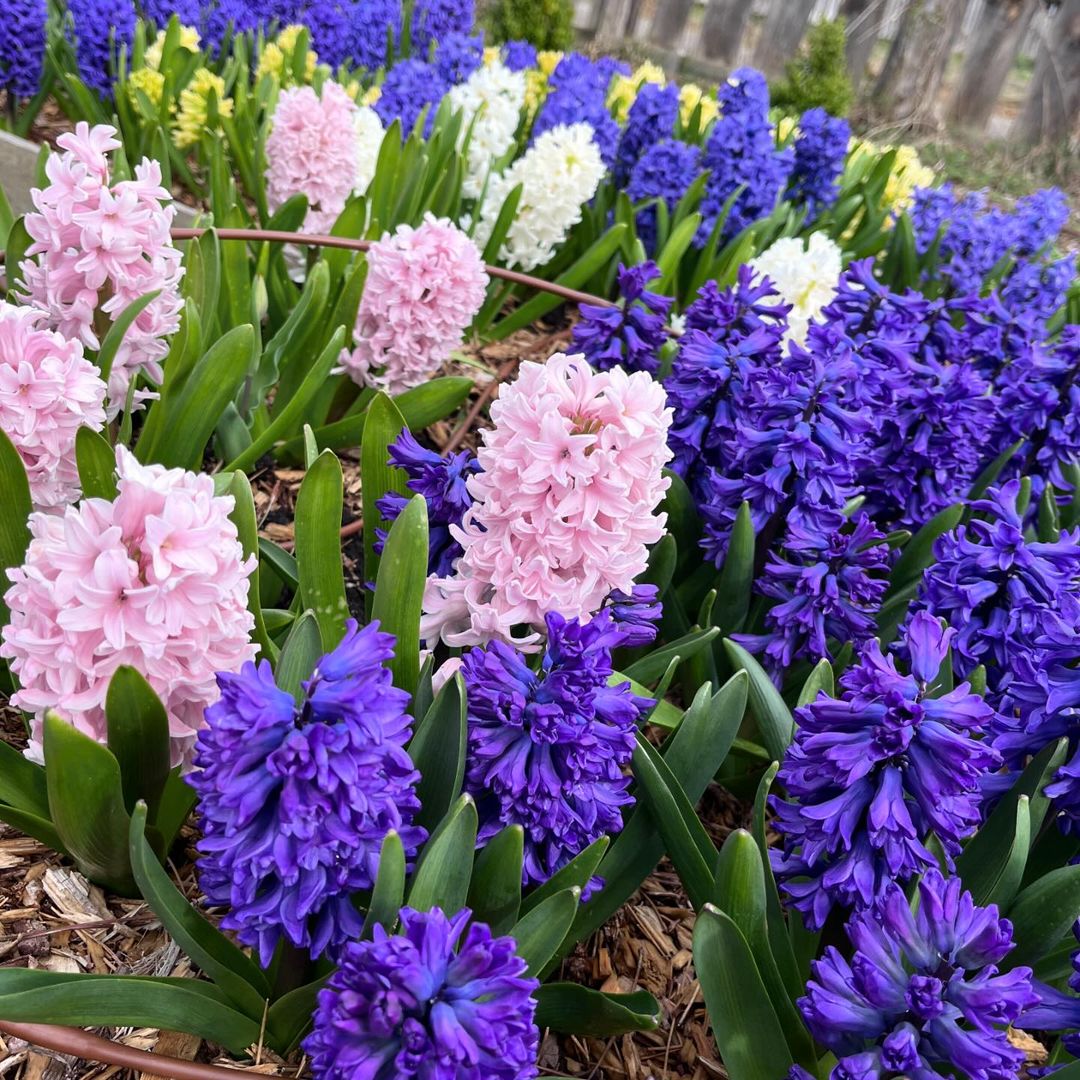
For fragrance and dense, colorful spikes, you can’t beat hyacinths. Plant bulbs 4-6 inches deep in a sunny location. Their intense scent is a welcome harbinger of spring. Forcing bulbs indoors in November is also a popular project for winter blooms.
5. Alliums
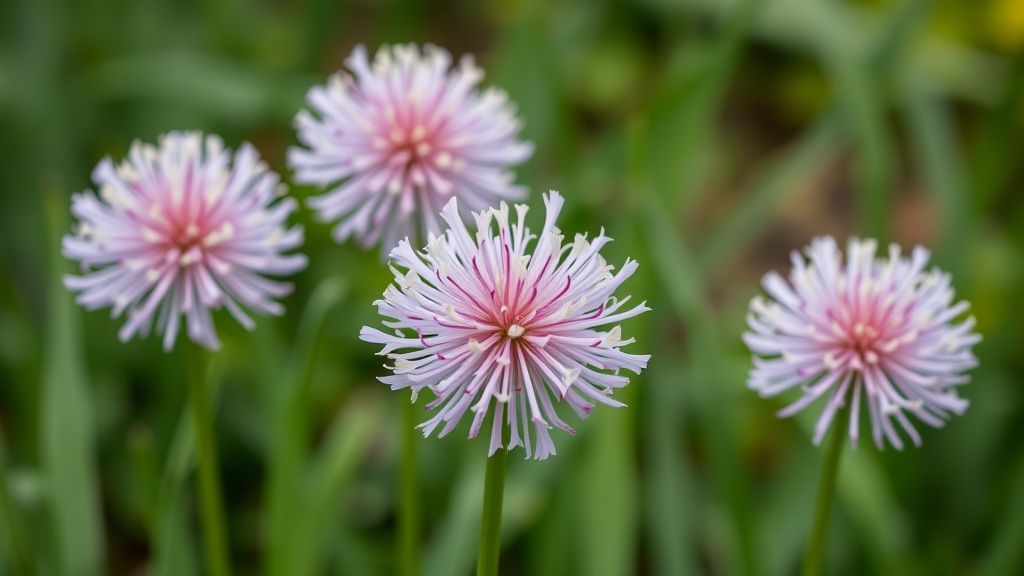
Ornamental alliums add dramatic, architectural height to the spring and early summer garden. Plant these members of the onion family in full sun, placing the bulbs 2-3 times their diameter deep. The University of Vermont Department of Plant and Soil Science notes their excellent deer resistance.
6. Hellebores (Lenten Rose)
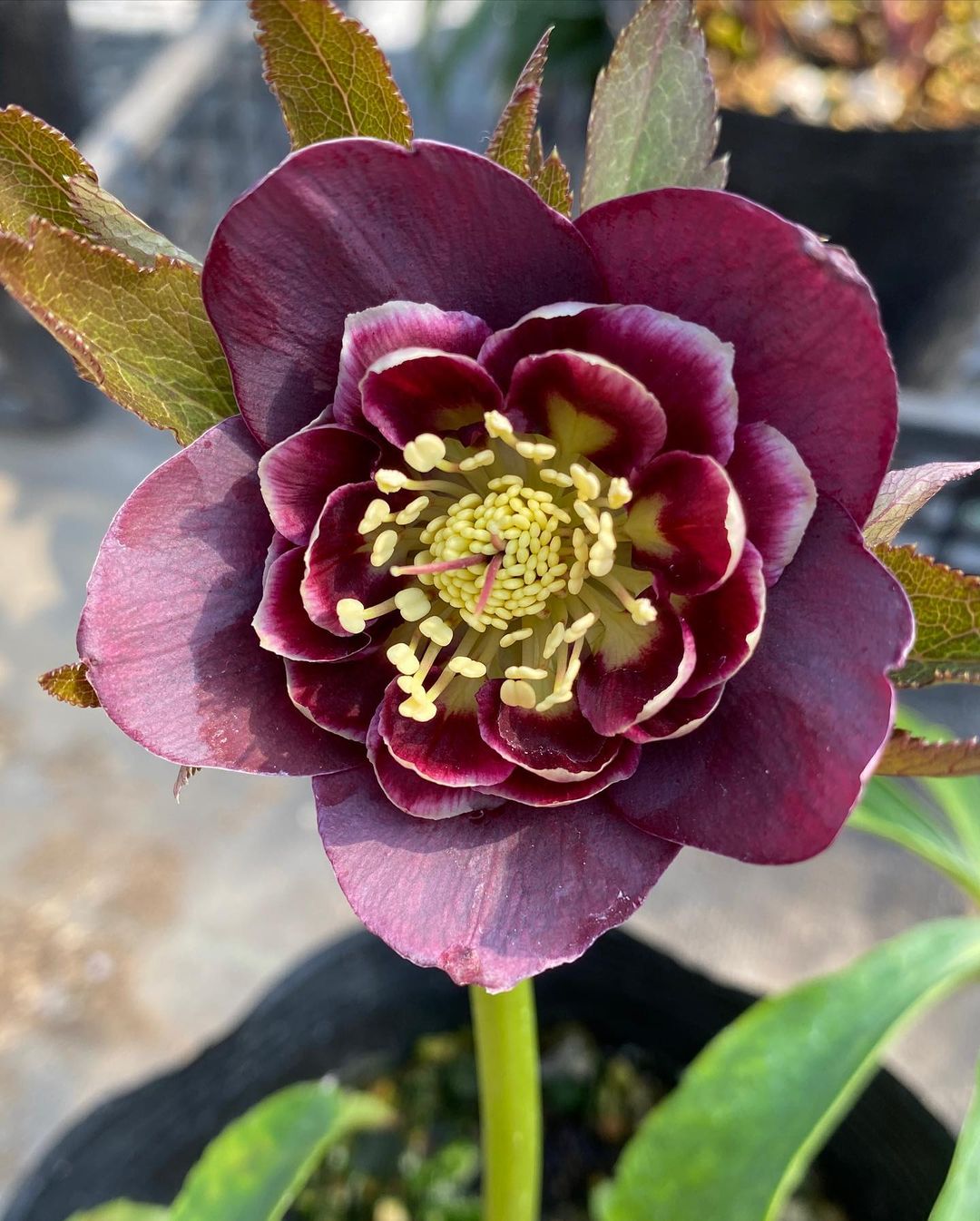
Hellebores are elegant, shade-loving perennials that bloom in late winter and early spring. Plant them in November in partial to full shade with rich, well-draining soil. Once established, they are remarkably drought-tolerant and long-lived.
7. Pansies and Violas
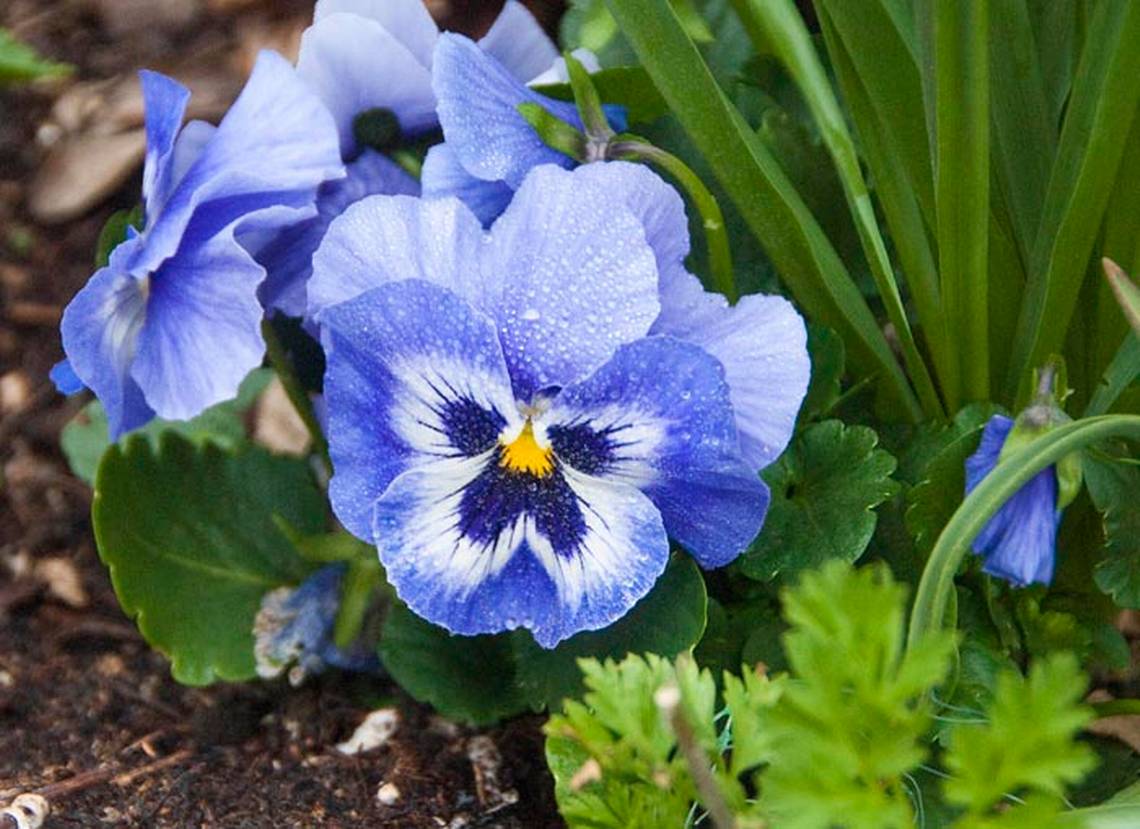
These hardy annuals can be planted in fall in many regions to provide color through winter and into spring. In colder zones, they’ll go dormant under snow and re-emerge in early spring. They thrive in cool weather and are perfect for containers and borders.
8. Flowering Kale and Cabbage
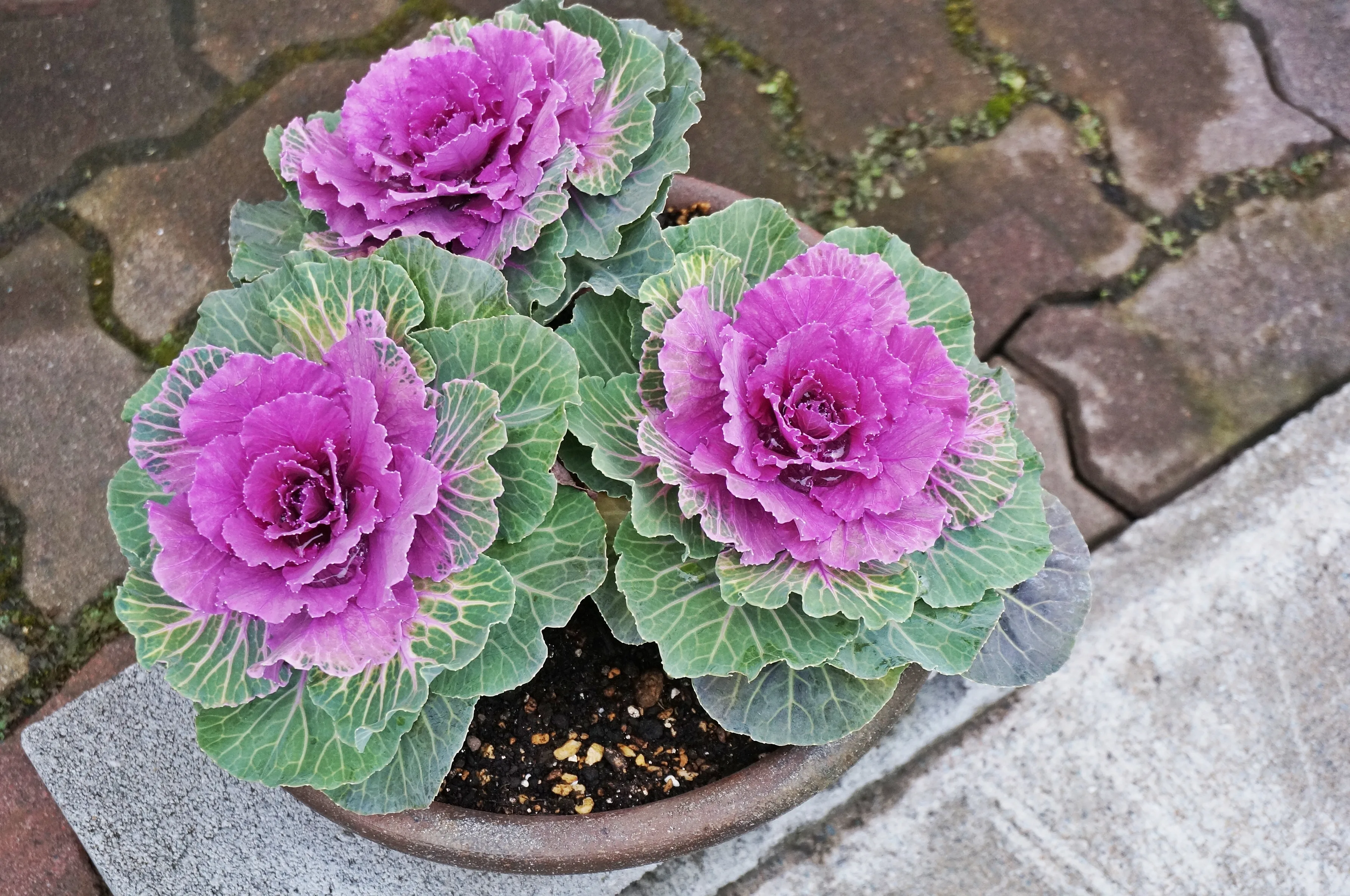
While not traditional flowers, these ornamental vegetables provide stunning foliage color in shades of pink, purple, and white throughout the winter. Plant them in full sun; the color intensifies after frost.
9. Sweet Alyssum
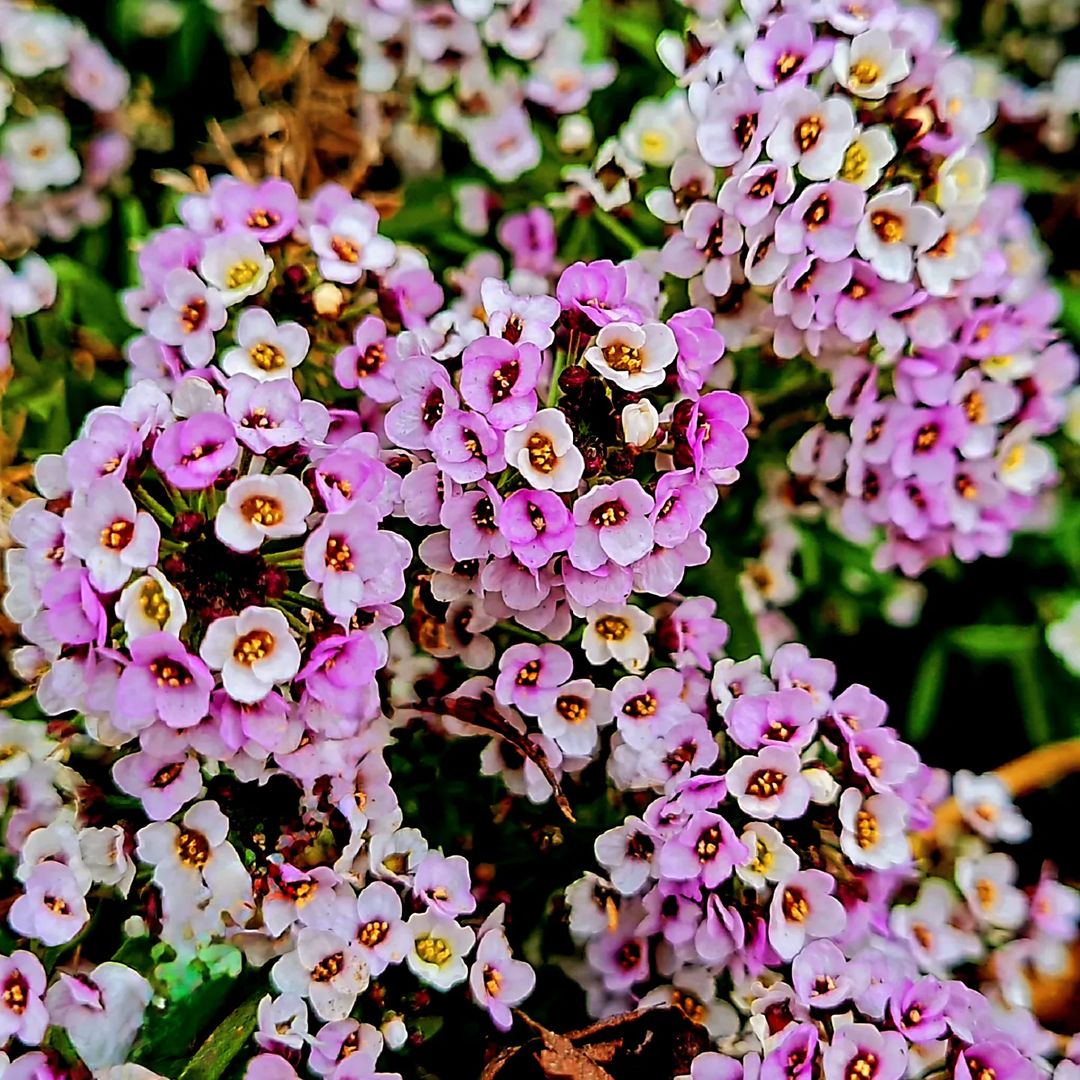
This low-growing annual is tougher than it looks. It can tolerate light frosts and will often self-sow for the following year. Its honey-scented flowers are a favorite of beneficial insects. It’s ideal for the edges of borders and containers.
10. Snapdragons
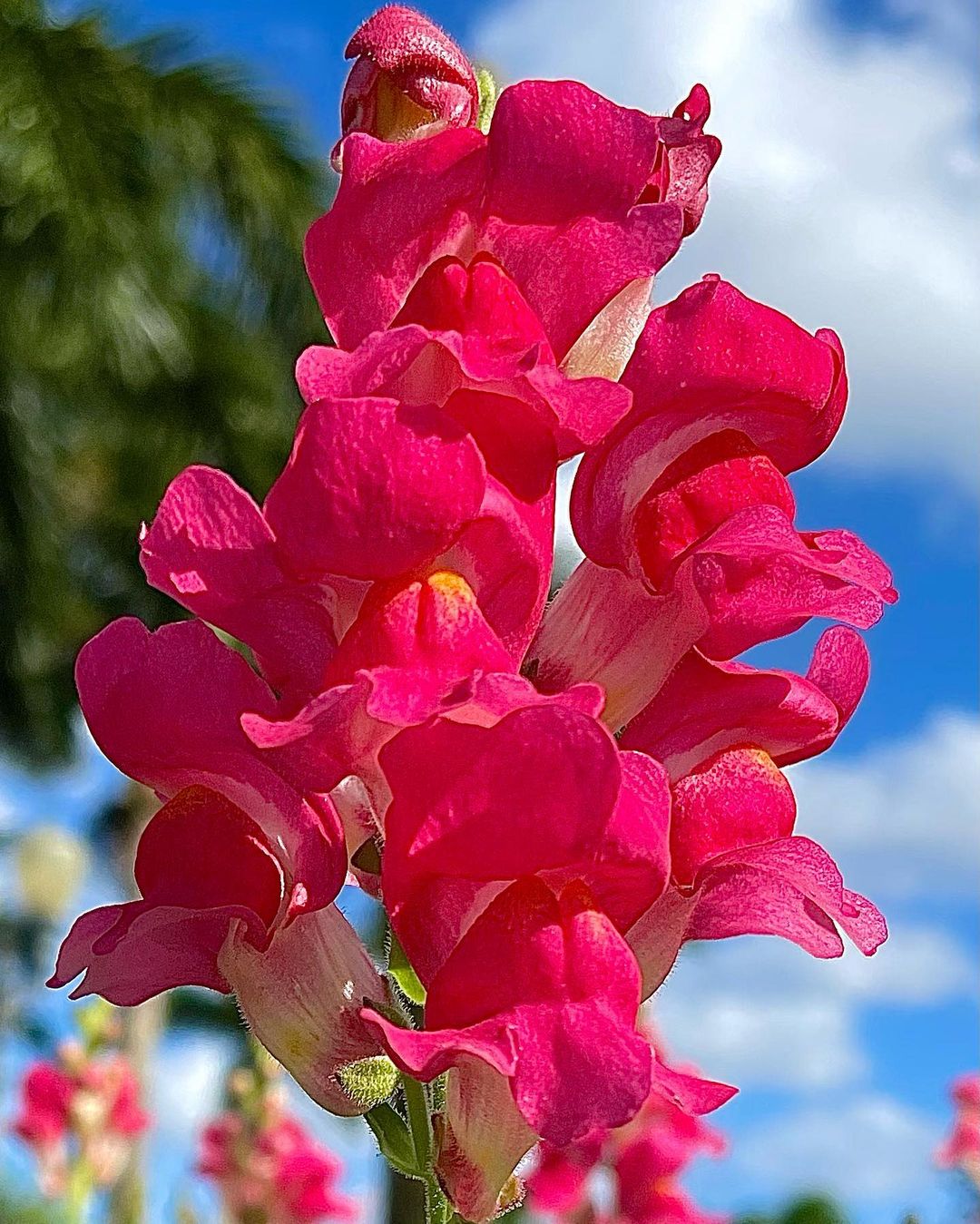
In milder climates, snapdragons planted in fall will establish roots and bloom until a hard freeze, often returning for an even earlier show in spring. Their tall, colorful spikes are excellent for cutting.
11. California Poppies
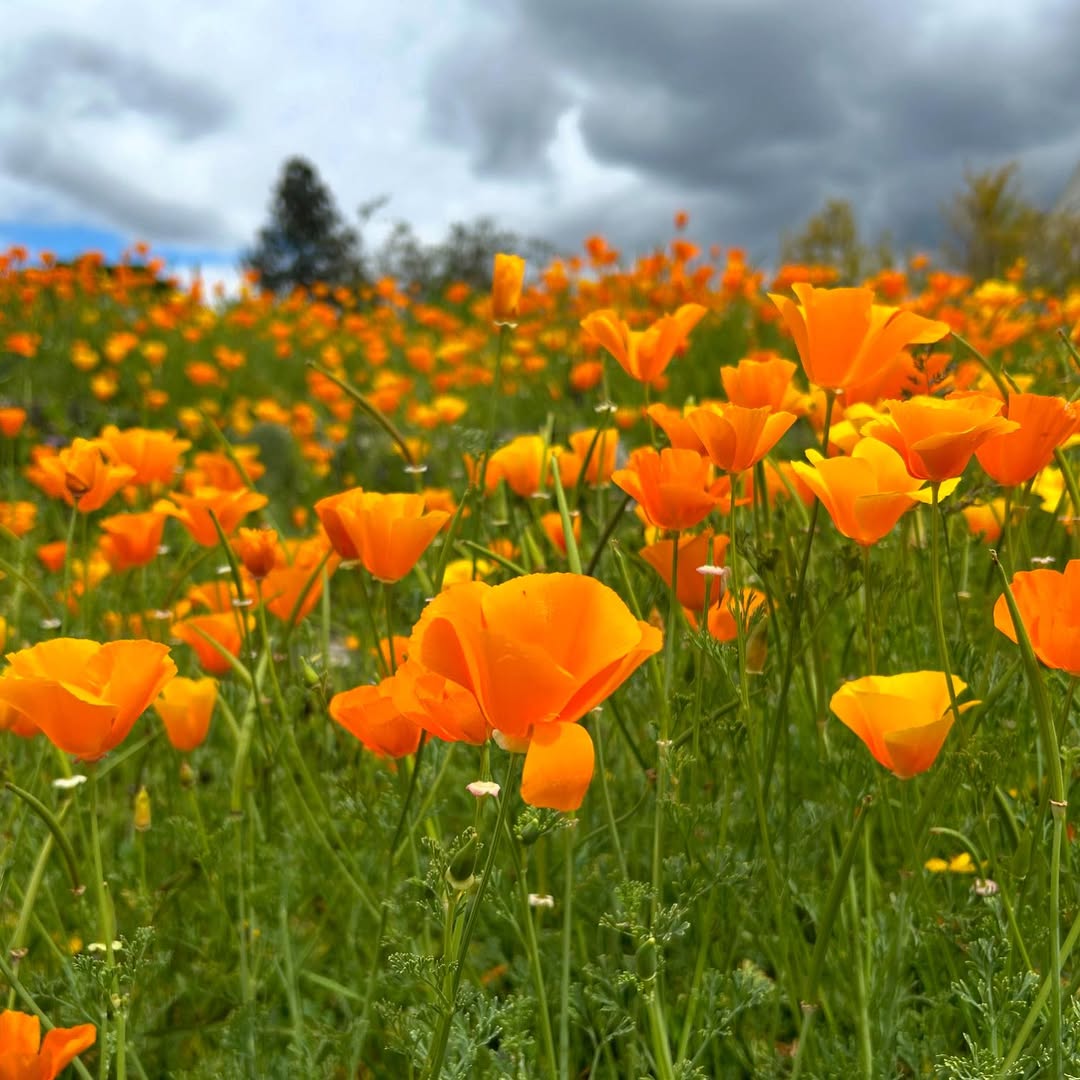
These drought-tolerant, cheerful flowers can be sown directly in the ground in November in zones 8-10. They’ll germinate with winter rains and burst into bloom in early spring, needing very little care.
12. Lilies
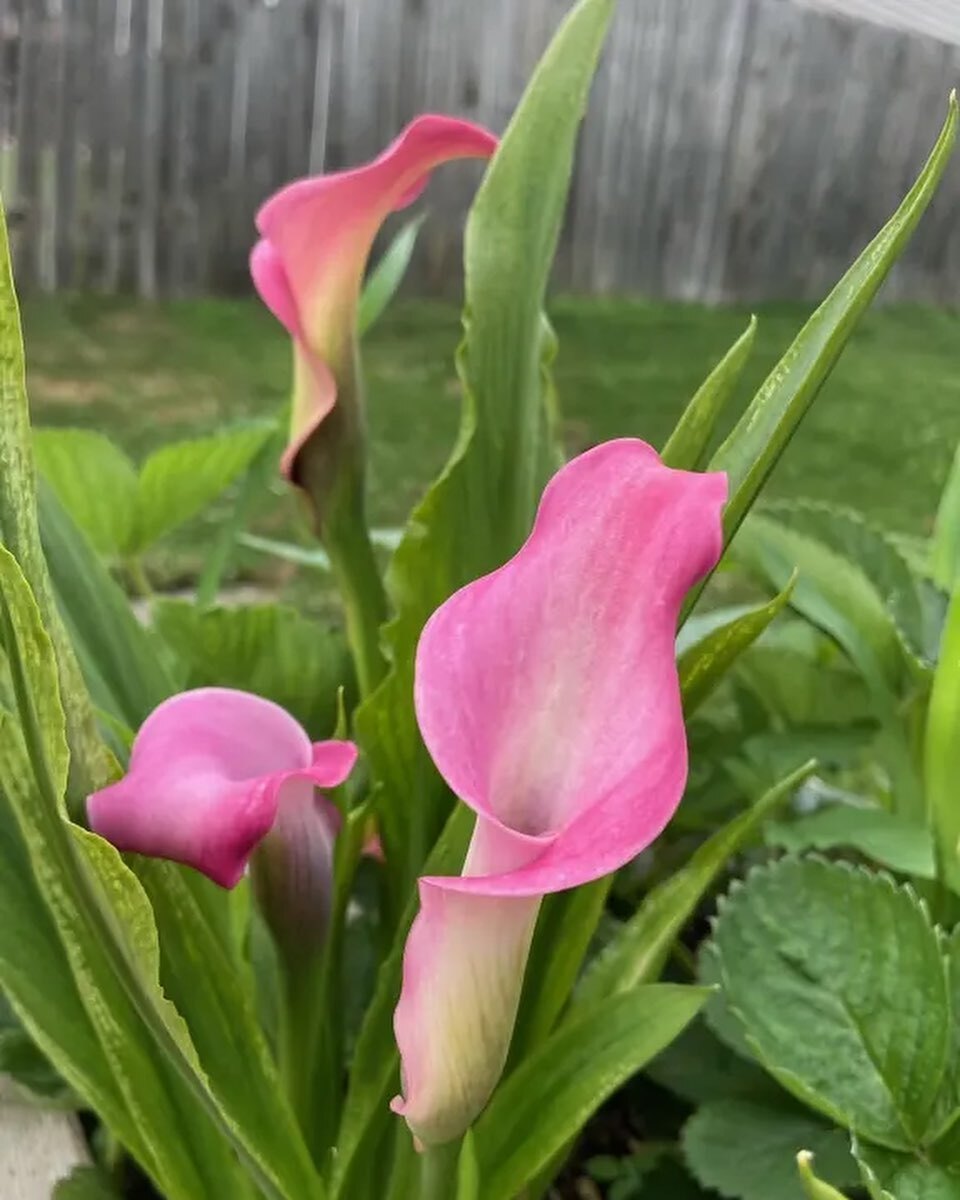
Asiatic and Oriental lilies can be planted in the fall. They prefer well-drained soil and full sun. Plant the bulbs 3 times their height deep for a stunning, fragrant summer display.
13. Dutch Iris
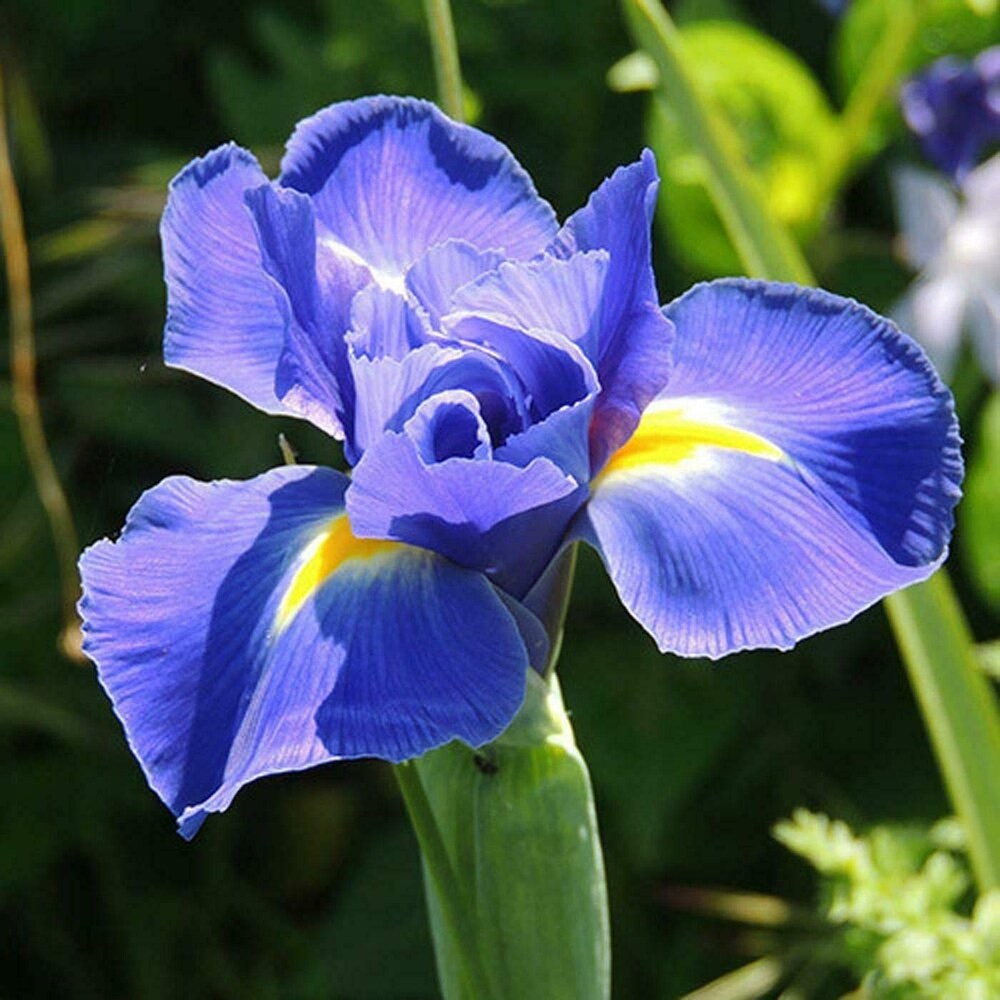
These elegant, slender flowers are easy to grow from bulbs planted in November. They prefer full sun and well-drained soil and will bloom in late spring, making excellent cut flowers.
14. Winter Jasmine (Jasminum nudiflorum)
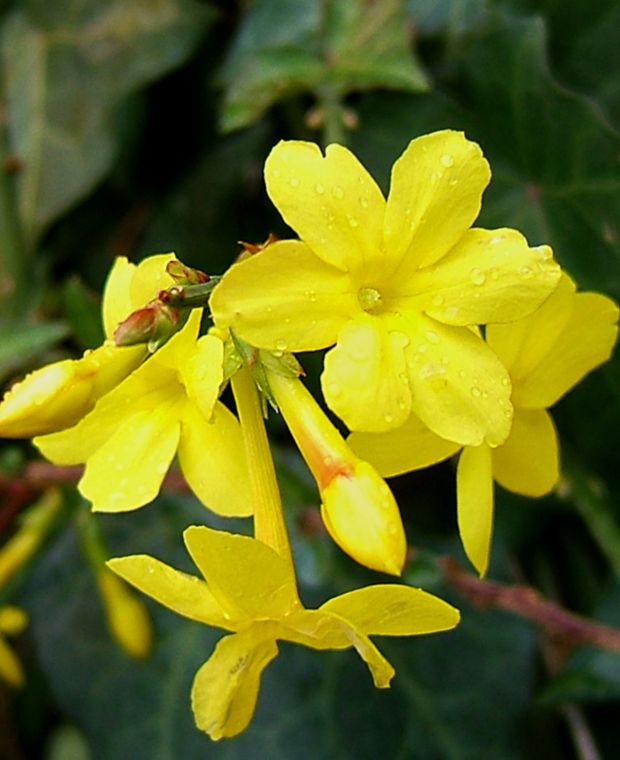
This hardy shrub isn’t a bulb but a valuable November planting. Its bright yellow flowers appear on bare stems in the depths of winter, bringing a splash of sun to the garden when it’s needed most.
15. Peonies
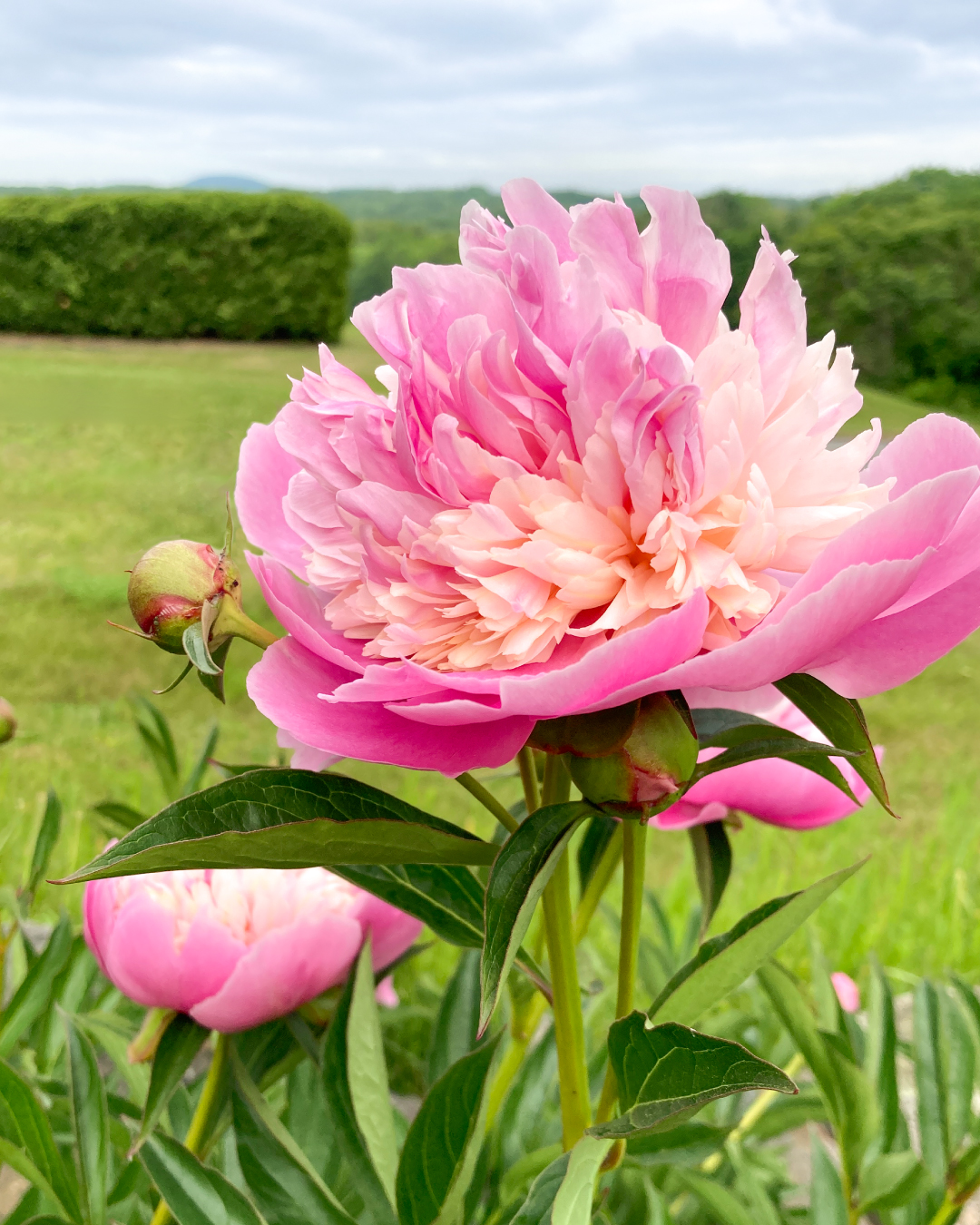
While it may seem surprising, fall is the absolute best time to plant bare-root peonies. These long-lived perennials need a period of cold dormancy to bloom well. Plant the eyes (buds) no more than 2 inches below the soil surface in a sunny spot.
A Quick Guide to November Planting
Flower TypeKey November TaskExpected Bloom TimeSpring Bulbs (Tulips, Daffodils)Plant before ground freezesEarly to Late SpringHardy Annuals (Pansies, Alyssum)Plant for winter/early spring colorFall & Early SpringPerennials (Hellebores, Peonies)Plant bare-root or container plantsVaries (often Spring)Wildflowers (California Poppy)Direct sow in mild climatesEarly Spring
5 Essential Tips for November Planting Success
- Focus on Bulbs: November is prime time for planting spring-flowering bulbs. The cold winter period is essential for their development and ensures a vibrant spring display.
- Check Your Zone: Your USDA Hardiness Zone dictates your options. Gardeners in zones 7-10 can plant a wider variety, while those in colder zones (3-6) should focus on finishing bulb planting and protecting new perennials with a thick layer of mulch after the ground freezes.
- Prepare the Soil: Even in cool weather, good soil preparation is key. Amend planting holes with compost to improve drainage and provide nutrients. Well-draining soil is critical to prevent bulbs from rotting.
- Water Wisely: Water all new plantings thoroughly after they go in the ground. Continue to water during dry spells in the fall and winter, as plants are still establishing roots even if top growth has slowed.
- Mulch for Protection: After the ground has frozen, apply a 2-3 inch layer of mulch like shredded leaves or straw over newly planted perennials and bulbs. This prevents the freeze-thaw cycles that can heave plants out of the ground.
A Final Thought
Planting flowers in November is an act of optimism. It connects you to the cycles of the garden in a deeper way, reminding you that growth is always happening, even when it’s hidden from view. For more region-specific advice, your local university extension service, such as the University of Minnesota Extension, is an invaluable resource.
For more ideas on planning your garden year-round, explore our guide to seasonal gardening tasks.
What are you planning to tuck into the soil this November? I’d love to hear about your late-season gardening projects in the comments below