
Weighing a freestanding greenhouse? Discover the key advantages like optimal light and space, and disadvantages like higher heating costs to make an informed decision.
I’ll never forget the decision my partner and I faced when we finally had the space for a greenhouse. The big question was: attached to our house or freestanding? We ultimately chose a freestanding model, and after several years of using it, I’ve learned firsthand the full spectrum of its benefits and challenges.
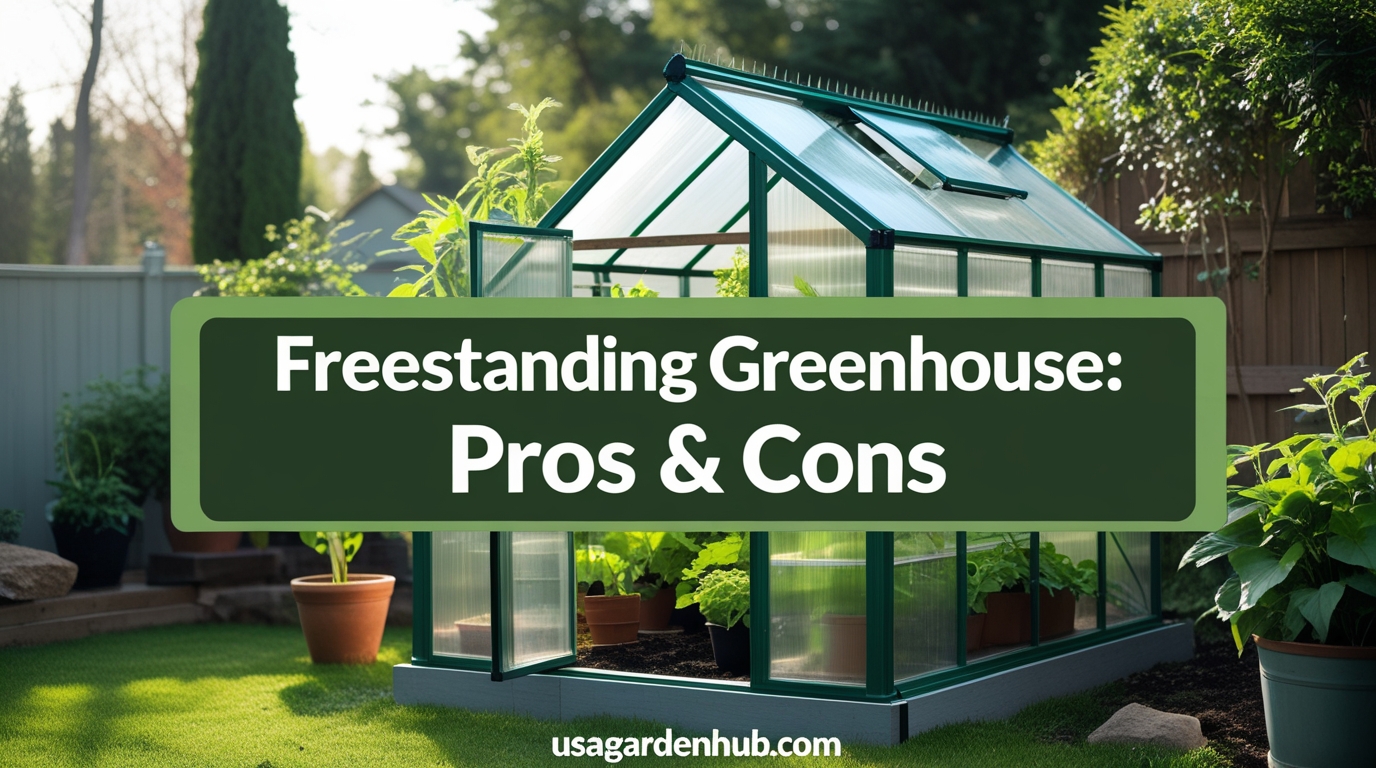
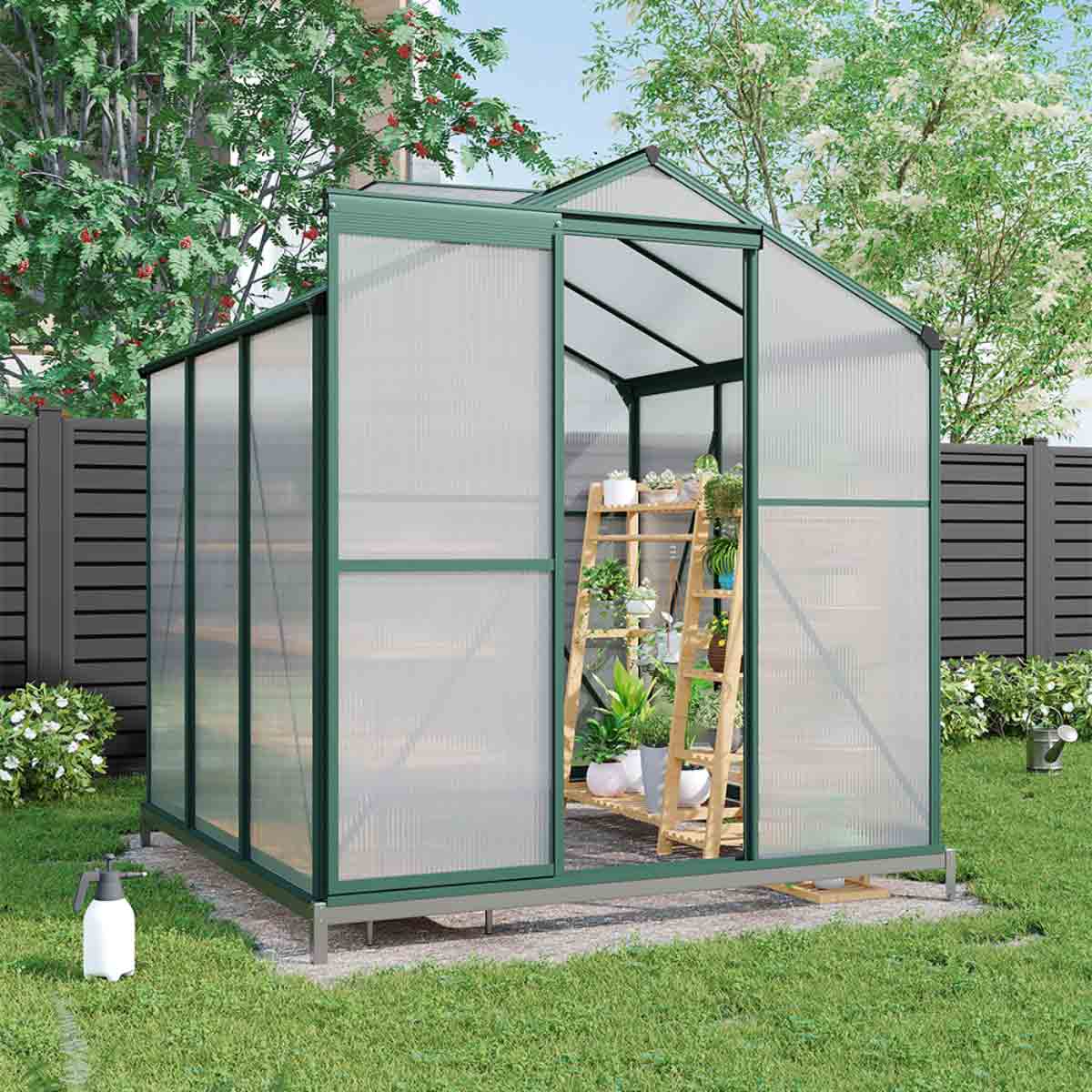
A freestanding greenhouse is a standalone structure, separate from any other building. Unlike lean-to models that share a wall with your home, it sits independently in your yard. This fundamental characteristic is the source of both its greatest strengths and its most notable drawbacks.
Advantages of a Freestanding Greenhouse
Choosing a freestanding structure offers several compelling benefits that can make it the perfect choice for many gardeners.
1. Optimal Light Exposure
This is the single biggest advantage. With all four sides exposed, a freestanding greenhouse captures maximum sunlight from dawn until dusk. There are no shadows cast by your house or other structures. This 360-degree light exposure promotes healthier, more vigorous plant growth and is ideal for light-hungry seedlings and crops.
2. Greater Flexibility in Size and Placement
You are not limited by the dimensions of an existing wall. Freestanding greenhouses come in a vast range of sizes, from compact 6x8 feet models to large-scale commercial structures. You can place it anywhere on your property that has the best sun exposure and is most convenient for your gardening workflow, as long as you have access to utilities.
3. More Growing Space
The uninterrupted interior space is fully usable. You can configure benches, beds, and pathways in the most efficient layout for your needs. There are no limitations imposed by a shared wall, allowing for wider center aisles and more organized planting zones.
4. Simplified Environment Control
Managing pests, diseases, and humidity can be easier. If an infestation occurs in a freestanding greenhouse, it is physically separated from your home, reducing the risk of pests like aphids or whiteflies migrating to your houseplants. Ventilation is also more straightforward, as you can install roof and side vents on all sides to create excellent cross-ventilation.
5. Easier and Often Cheaper Installation
While not always the case, the installation of a basic freestanding greenhouse kit can be more straightforward than building a lean-to. You don’t need to worry about waterproofing a connection to your home’s siding or foundation, which can simplify the DIY process.
Disadvantages of a Freestanding Greenhouse
It’s crucial to consider the challenges to determine if this is the right structure for your situation.
1. Higher Heating Costs
This is the most significant drawback. A freestanding greenhouse has more exposed surface area, meaning it loses heat faster than a lean-to that benefits from the thermal mass of your home. In colder climates, keeping a freestanding greenhouse warm through the winter can be significantly more expensive.
2. Greater Space Requirement
A freestanding greenhouse requires a dedicated, clear area in your yard. This might not be feasible for properties with limited space. You need to consider setbacks from property lines and ensure the location doesn’t disrupt the flow of your landscape.
3. More Complex Utility Hookups
Running electricity for lighting and heating, as well as water for irrigation, is more involved. You will likely need to run underground conduits and pipes from your main house to the greenhouse, which adds to the initial cost and complexity of the installation.
4. Potentially More Exposed to Elements
A freestanding structure can be more vulnerable to strong winds if not properly anchored. Without the windbreak effect of a larger building, it may require a sturdier foundation and frame to withstand severe weather, according to building guidelines from resources like the University of Georgia Extension.
5. Can Be Less Convenient
On a rainy or cold winter day, you have to leave the comfort of your house to check on your plants. This might seem minor, but the convenience of walking directly into a lean-to greenhouse from your kitchen is a real benefit that a freestanding model lacks.
A Quick Comparison
FeatureFreestanding GreenhouseLean-to GreenhouseLight ExposureExcellent (360 degrees)Good, but one side is shadedHeating CostHigherLower (shared wall with house)Space & PlacementFlexible, requires yard spaceLimited to house wallsUtility AccessMore complex/expensiveEasier, closer to house utilitiesConvenienceMust go outside to accessDirect access from home
A Final Thought
The decision ultimately comes down to your priorities. If you have the space and your main goal is to maximize plant growth with superior light and ventilation, a freestanding greenhouse is likely your best bet. However, if you are on a tighter budget for heating, have a small yard, or prioritize convenience, you might want to consider a lean-to model.
For more insights on getting started, you can explore our guide on Grow Microgreens at Home: Simple 7 Steps Guide. What’s the biggest factor in your greenhouse decision: light, cost, or convenience? Share your thoughts in the comments below