
Learn how to germinate bush beans successfully at home. Find out the ideal temperature, soil, watering, and spacing tips for healthy bean plants.
Bush bean seeds germinate in 7 to 10 days when soil temperatures stay between 70°F and 80°F (21°C–27°C). Keep the soil moist, not soaked, and plant seeds about 1 inch deep in loose, well-draining soil for best results.
If you’re planning to grow beans this season, bush beans are a great choice. They’re fast, easy, and don’t need support like pole beans. I’ve been growing bush beans for years, and once you understand their germination process, you’ll see how simple it can be to raise a healthy crop right at home.
This guide covers everything you need to know about germinating bush beans, from soil preparation to common mistakes that slow down sprouting.
What Is Germination of Bush Beans?
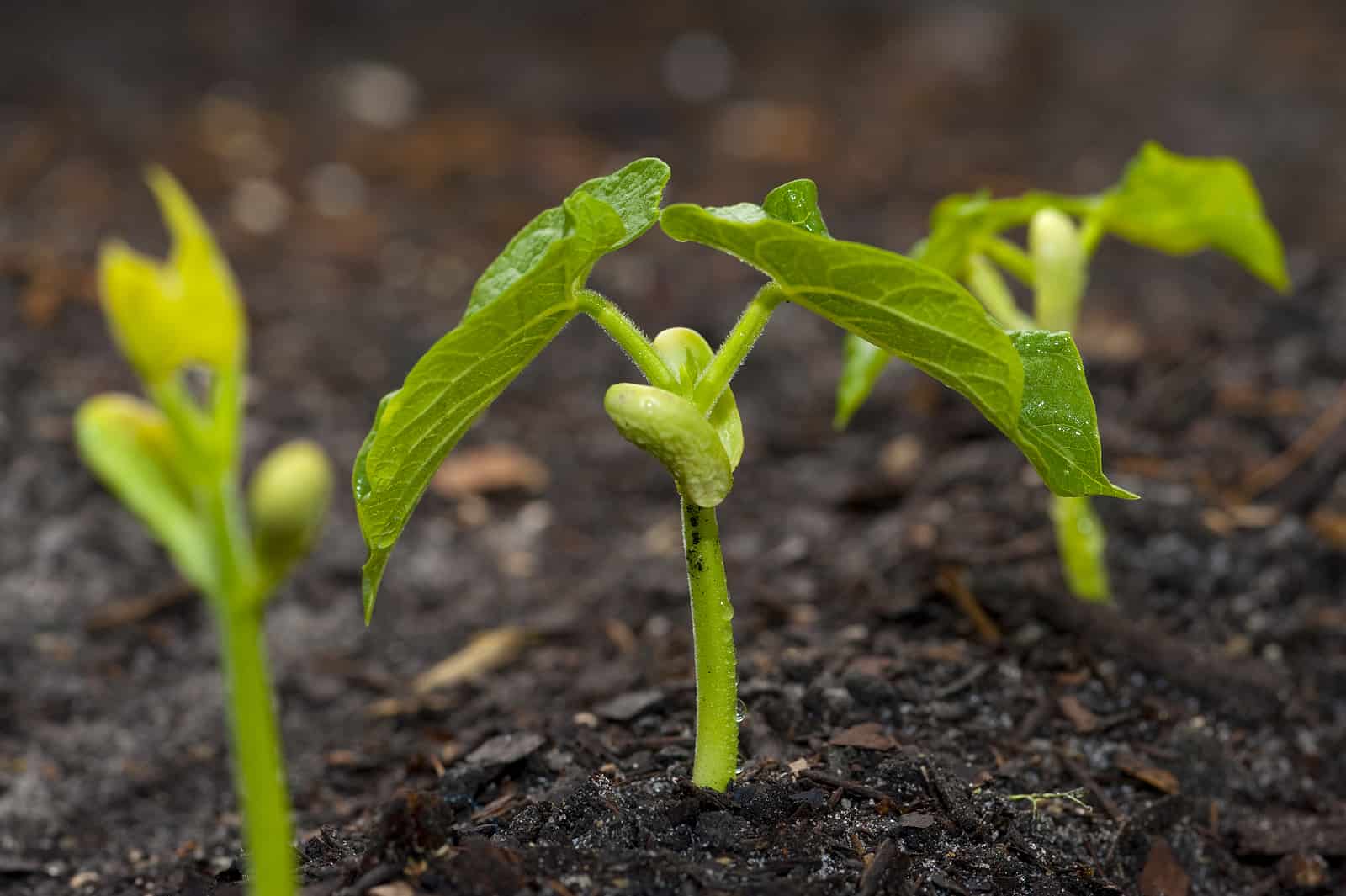
Germination is the stage when a seed starts to grow into a plant. For bush beans, it’s the moment the seed coat breaks and the small shoot (radicle) pushes through the soil. The process depends heavily on temperature, moisture, and oxygen.
When all three are balanced, your bush beans will sprout in under two weeks.
Ideal Conditions for Germinating Bush Beans
1. Temperature
- The best soil temperature range is 70°F to 80°F.
- Seeds may rot if planted in soil below 60°F.
- Use a soil thermometer to check before sowing.
You can check temperature management guides from Cornell University College of Agriculture and Life Sciences for accurate planting data.
2. Moisture
- Keep the soil consistently damp.
- Avoid waterlogging, which cuts off oxygen and slows germination.
- Lightly mist soil once or twice a day if it feels dry.
3. Soil Type
- Bush beans prefer loose, well-drained loam.
- Avoid heavy clay soil that traps water.
- Mix compost or aged manure for added nutrients.
For composting guidance, visit University of Illinois Extension.
How to Germinate Bush Bean Seeds Step-by-Step
1. Prepare the Soil
- Choose a sunny area or container that gets at least 6 hours of sunlight.
- Loosen soil to 6–8 inches deep.
- Blend in organic matter like compost.
If you’re growing in small spaces, try growing bush beans in containers using breathable pots with drainage holes.
2. Soak the Seeds (Optional)
- Soak seeds in room-temperature water for 4 to 6 hours before planting.
- This softens the seed coat and helps faster sprouting.
3. Plant the Seeds
- Plant seeds 1 inch deep and 3 inches apart.
- Rows should be spaced 18–24 inches apart.
- Cover lightly with soil and press gently.
See my guide on beans planting spacing for more spacing tips.
4. Water Properly
- Water immediately after sowing.
- Keep soil moist until sprouts appear.
- Use a watering can with a fine spout to avoid disturbing seeds.
5. Monitor Germination
- Sprouts usually appear within 7 to 10 days.
- In cooler climates, germination may take up to 14 days.
- If no growth appears after two weeks, replant fresh seeds.
Germination of Bush Beans in Containers
If you don’t have garden space, you can grow bush beans in pots. I often do this during early spring indoors.
Here’s how:
- Use 8 to 10-inch deep pots.
- Add loose potting soil with compost.
- Plant two seeds per pot and thin later to one.
- Keep the pot in a sunny window or balcony.
For more ideas on indoor gardening, check my post on how to grow herbs in your kitchen.
Germinating Bush Beans in a Cup (Fun for Kids)
This method works great for school projects or to show kids how seeds sprout.
- Fill a clear plastic cup with soil.
- Place a seed near the cup’s edge so you can see it sprout.
- Water lightly every day.
- Watch roots and shoots form within a week.
You can learn more about how to plant beans in a cup for educational gardening projects.
Common Germination Problems
1. Seeds Rotting in Soil
Cause: Overwatering or cold soil. Fix: Let soil warm up before planting and avoid soggy spots.
2. Slow Sprouting
Cause: Low temperature or old seeds. Fix: Always use fresh bush bean seeds and ensure the soil is above 70°F.
3. Pests Eating Sprouts
Cause: Birds or insects feeding on seedlings. Fix: Use light netting or row covers until plants strengthen.
Learn more about how to keep squirrels out of potted plants if you face critter problems.
When to Transplant Bush Beans
Bush beans grow best when left undisturbed. Transplant only if you start them indoors. Move seedlings outdoors once they reach 3–4 inches tall and night temperatures stay above 60°F.
Follow transplanting tips from North Carolina State University Extension for better success rates.
Caring for Germinated Plants
- Water 1 inch per week.
- Mulch around plants to retain moisture.
- Fertilize with low-nitrogen feed after two weeks.
- Harvest pods once they’re 4–6 inches long and firm.
For fertilizer ideas, visit my guide on fertilizer for pothos to learn about balanced feeding methods for plants.
My Experience Growing Bush Beans
I started growing bush beans ten years ago in small raised beds. My first batch failed due to cold soil, but once I waited for warmer weather, germination success jumped to almost 95%. I’ve learned timing and soil warmth make the biggest difference.
Now, I start my seeds in trays indoors and move them out once spring temperatures rise. It’s consistent, easy, and gives a strong start every time.
Final Thoughts
Understanding the germination of bush beans helps you grow strong, healthy plants in any setting, from garden beds to cups on your windowsill. Keep soil warm, moist, and well-drained. Follow the spacing and watering tips, and your beans will sprout quickly and thrive.
If you love growing food at home, explore my other guides like:
- How to Grow Tomatoes in Pots for a Juicy Harvest
- 20 Small White Flowers: Names and Pictures
- The Best Containers for Successful Propagation
Growing beans is simple when you start with the right information—and now you have it.