
Learn how to grow Shasta Daisies. This guide covers planting, care, popular varieties, and their great value to pollinators and beneficial insects.
After a decade of gardening, I can say that few plants deliver as much cheerful beauty for as little effort as the Shasta Daisy. These classic perennials light up the summer garden with their bright white petals and sunny yellow centers. They come back year after year, asking for little more than a sunny spot and occasional watering.
Shasta Daisies are a hybrid flower developed by famed horticulturist Luther Burbank in the early 1900s. He crossed European and American daisy species to create a larger, more robust bloom, naming it after the snowy peak of Mount Shasta in California . They are hardy, versatile, and a magnet for beneficial insects.
Why Grow Shasta Daisies?
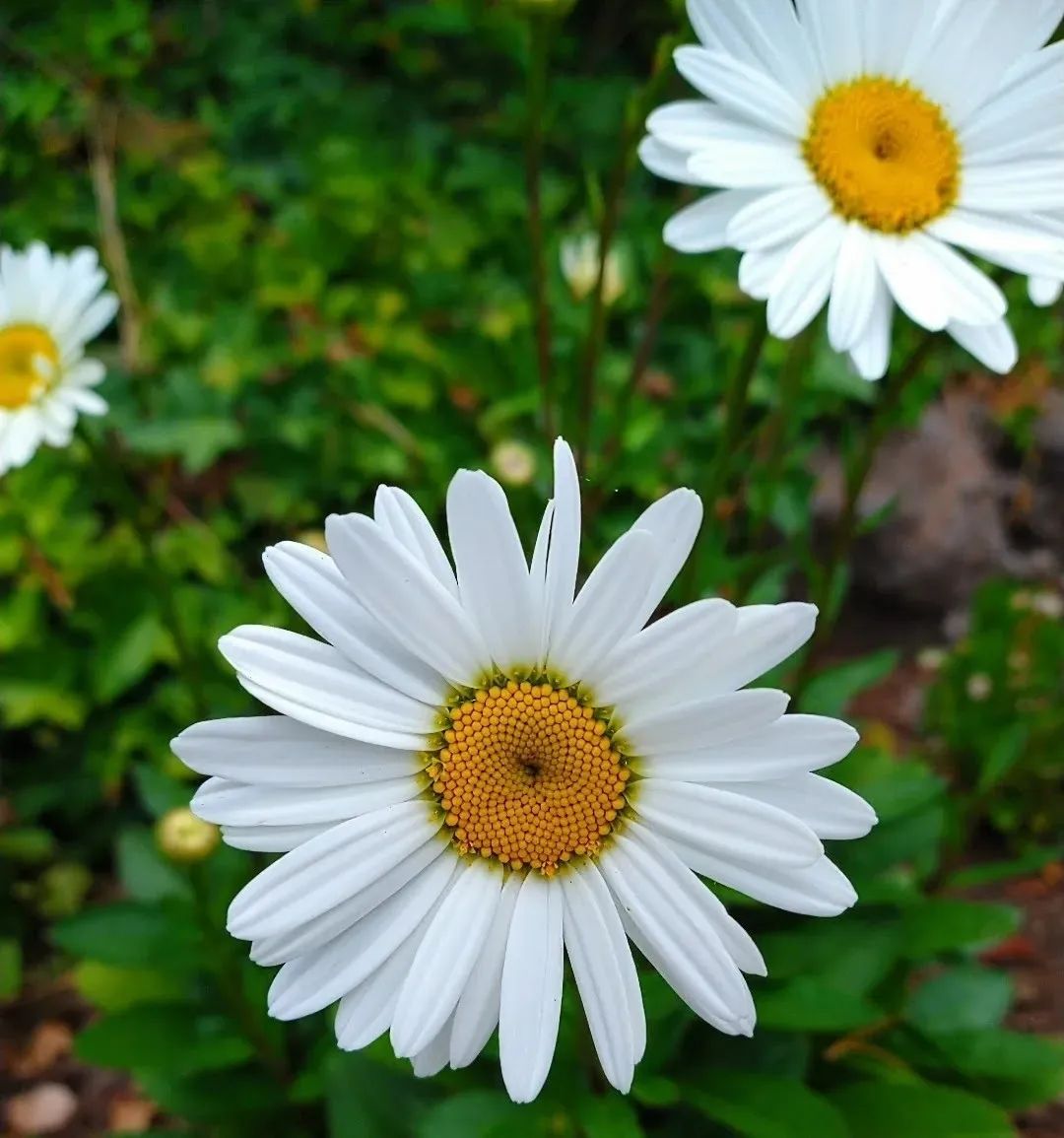
You should grow Shasta Daisies for three main reasons. First, they are incredibly low-maintenance and drought-tolerant once established . Second, they have a long bloom period, flowering from early summer into fall, especially if you deadhead them . Third, and perhaps most importantly, they are excellent for supporting pollinators like bees and butterflies .
How to Grow and Care for Shasta Daisies
Getting these perennials started in your garden is straightforward. Here is what you need to know.
Planting
You can plant Shasta Daisies from seed or from nursery-grown plants.
- From Seed: Sow seeds directly in your garden in the spring after the danger of frost has passed. The seeds need light to germinate, so gently press them into moist soil but do not cover them. You can also start seeds indoors 8-10 weeks before the last frost .
- From Transplants: This is the faster method. Plant them in the spring or early fall, ensuring the top of the root ball is level with the soil surface. Space plants 1 to 2 feet apart to allow for good air circulation.
Location and Soil
Shasta Daisies thrive in full sun, meaning at least six hours of direct sunlight per day . They can tolerate partial shade, but may become floppy and produce fewer flowers.
Well-drained soil is absolutely critical. They are adaptable to many soil types, including chalk, clay, loam, and sand, but soggy soil will lead to root rot. To improve drainage and fertility, amend your planting area with compost or other organic matter .
Ongoing Care
- Watering: Water new plants regularly to help them establish. Once established, Shasta Daisies are moderately drought-tolerant. Provide about one inch of water per week during dry spells. It is better to underwater than overwater.
- Fertilizing: These are not heavy feeders. A thin layer of compost or a slow-release, all-purpose fertilizer applied in spring is usually sufficient. Too much fertilizer, especially nitrogen, will produce more leaves than flowers.
- Deadheading and Pruning: Remove spent flowers regularly to encourage more blooms throughout the season. After the first killing frost in fall, cut the stems back to one or two inches above the soil line.
- Dividing: Divide clumps every two to three years in early spring to maintain plant vigor. This is also an easy way to create new plants for other areas of your garden. If the center of the clump starts to die out, it is definitely time to divide.
Popular Shasta Daisy Varieties
There are many excellent cultivars to choose from, offering a range of sizes and flower forms. You can find more information on plant varieties from resources like the Royal Botanic Gardens, Kew.
Here is a comparison of some of the best Shasta Daisy varieties:
VarietyHeightKey FeaturesBest ForBecky3-4 feetLarge 3-4 inch flowers; very sturdy, no staking needed.Cottage gardens, cutting.Alaska2-3 feetClassic 3-inch white daisies; very hardy and drought-tolerant.Perennial borders, cutting.Snow Lady9-12 inchesFast-growing; can bloom first year from seed.Containers, front of borders, edging.Amazing Daisies® Banana Cream II15-18 inchesLemon-yellow petals that fade to cream; large, lush flowers.Containers, edging.Crazy Daisy22-26 inchesSemi-double, frilly petals for a unique, fluffy look.Adding texture, cut flower arrangements.Snowcap12-15 inchesCompact, abundant bloomer; weather-tolerant.Small spaces, container gardening.
 **Becky Shasta Daisy **
 shasta daisies alaska
 Shasta daisies Snow Lady
 Amazing Daisies® Banana Cream II
 Crazy daisy shasta daisies
 Snowcap shasta daisies
The Pollinator Value of Shasta Daisies
Shasta Daisies are much more than just a pretty face. They are a powerhouse for supporting beneficial insects in your garden .
The flowers provide both nectar and pollen, attracting a diverse crowd of bees, butterflies, and other pollinators. The flat, open shape of the classic daisy flower makes it an easy landing pad and accessible for all kinds of insects.
Furthermore, the low-growing foliage offers habitat for predatory insects like ladybugs and lacewings, which help control pest populations. Even after the growing season, the hollow flower stalks provide essential overwintering habitat for small native bees if you leave them standing through winter.
For the best ecological benefit, consider choosing single-flowered varieties over double-flowered ones, as the nectar and pollen are easier for pollinators to access.
5 Essential Tips for Success with Shasta Daisies
From my experience, following these key practices will ensure your daisies thrive.
- Prioritize Sun and Drainage: The two non-negotiable needs for Shasta Daisies are full sun and well-drained soil. Without these, plants will be weak, floppy, and susceptible to rot.
- Divide Regularly: Shasta Daisies are short-lived perennials, but regular division every few years keeps them vigorous, promotes more blooms, and prevents the center of the clump from dying out .
- Avoid Overwatering: These plants are quite drought-tolerant. Soggy soil is their enemy and will quickly lead to root rot. Water deeply but infrequently, allowing the soil to dry out between waterings.
- Deadhead for More Blooms: To keep the flowers coming from early summer into fall, make a habit of snipping off the spent blooms. This prevents the plant from putting energy into seed production.
- Provide Winter Care: In colder regions, after cutting stems back in the fall, apply a several-inch layer of mulch over the crown to protect it from extreme temperature fluctuations.
A Final Thought on Shasta Daisies
Incorporating Shasta Daisies into your garden is a simple way to add lasting beauty and vitality. Their cheerful blooms are a summer staple, and their value to pollinators makes them a responsible and rewarding choice for any gardener. For more guides on cultivating a beautiful and productive outdoor space, explore our other articles on flower gardening and pollinator gardening.
Have you grown Shasta Daisies in your garden? Which variety is your favorite? Share your experiences in the comments below.