Hairy Balls Milkweed : A Unique and Fascinating Addition to Your Butterfly Garden
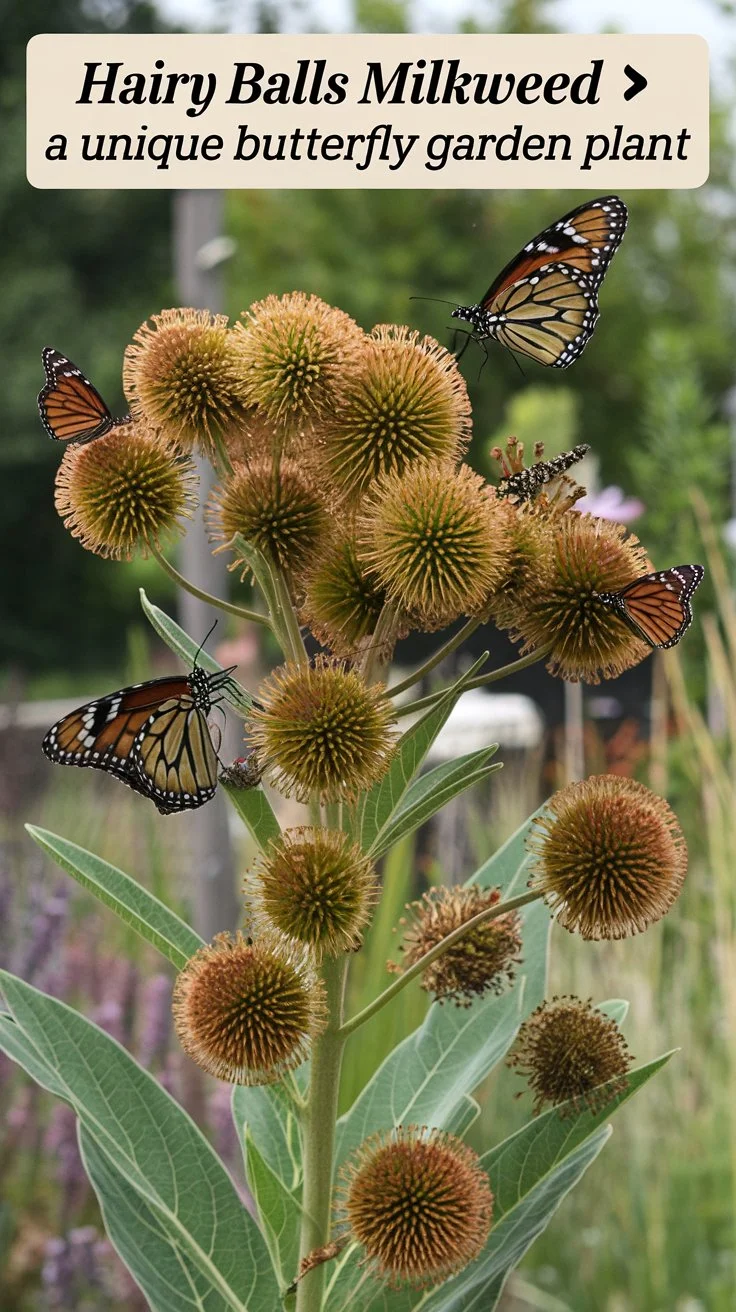
Post Views: 218 Discover how to grow and care for Hairy Balls Milkweed in 2024. Learn expert tips on cultivating this unique butterfly-attracting plant and maximizing its ornamental value. Hairy Balls Milkweed (Gomphocarpus physocarpus, formerly Asclepias physocarpa) is an intriguing ornamental plant known for its distinctive inflated seed pods covered in soft, hair-like projections. This fast-growing milkweed variety serves as a vital host plant for monarch butterflies while adding whimsical interest to gardens. Its unusual appearance and butterfly-attracting properties make it an increasingly popular choice for both pollinator gardens and unique ornamental displays in 2024. Hello, I’m Ashley Scott, a horticulturist with over 15 years of experience in butterfly gardening and native plant cultivation. Today, I’m excited to share my knowledge about Hairy Balls Milkweed, a fascinating plant that has captured the attention of both butterfly enthusiasts and ornamental gardeners alike with its peculiar charm and ecological benefits. Understanding Hairy Balls Milkweed Plant Characteristics According to the Missouri Botanical Garden, key features include: Distinctive Features The North American Butterfly Association recognizes this plant as an important monarch butterfly host. Growing Requirements Climate and Location As noted by the University of Florida IFAS Extension: Soil Requirements Planting and Care Planting Tips The Xerces Society recommends: Maintenance Watering Fertilization Butterfly Garden Integration Monarch Butterfly Benefits According to the Monarch Butterfly Garden: Companion Plants Pair with: Seasonal Care Spring Summer Fall Winter Common Problems Pest Management The University of California IPM identifies: Disease Prevention Propagation Methods Seed Starting Other Methods Ornamental Uses Garden Design Container Growing Conservation and Ecology Environmental Benefits The National Wildlife Federation highlights: Native Plant Connections Additional Resources Related Articles Hairy Balls Milkweed offers a unique combination of ornamental interest and ecological value. While its common name might raise eyebrows, this fascinating plant deserves a place in gardens where its unusual appearance and butterfly-supporting qualities can be fully appreciated. With proper care and placement, it can become a remarkable focal point in your garden while supporting important pollinator populations. Note: As with all milkweed species, take precautions as the milky sap can cause skin irritation, and all parts of the plant are toxic if ingested. For more gardening tips and plant care guides, visit usagardenhub.com
