Haskap Berries: Easy Growing Guide & Care Tips
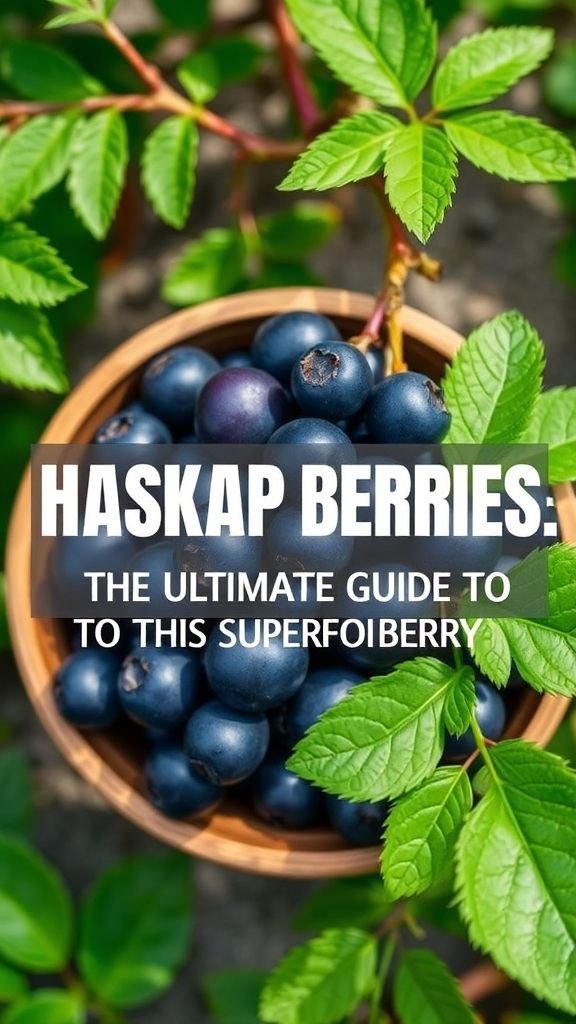
Post Views: 260 Learn how to grow Haskap berries with simple tips from Ashley Scott, a 10-year pro. Hardy, early-fruiting shrubs for USA gardens! Haskap berries are a fantastic choice for USA gardeners due to their extreme cold hardiness (down to Zone 2), low maintenance, and early fruit production—up to 6-10 lbs per mature bush. These compact shrubs, growing 4-7 feet tall and wide, thrive in various soils, including wet or high-pH ones, and attract bees, making them a great fit with my 8 blooming plants that bees love. They’re ideal for urban yards, hedges, or containers, and their pest-resistant, deer-proof nature makes them easier than blueberries. Plus, their early harvest and health benefits make them a standout edible for any garden. Growing Tips for Haskap Berries Here’s how to grow Haskap berries successfully, based on my trials in a Zone 7 garden—they’re super forgiving for beginners! Light Haskaps need full sun with at least 6 hours of direct light daily for optimal fruit production and flavor. They can handle partial shade but may produce fewer berries. Water Keep soil consistently moist, especially in the first year—about 1 inch of water per week. They tolerate wet soils but dislike waterlogging; mulch helps retain moisture. Soil and Planting Haskaps prefer well-drained, loamy soil with a pH of 5.5-7.7, handling higher pH better than blueberries. Plant in early spring or fall, spacing 3-5 feet apart in holes twice as wide as the root ball. Add organic matter like compost for best results. Temperature and Humidity Haskaps are incredibly cold-hardy (Zones 2-7), surviving -40°F winters and thriving in mild summers (60-80°F). They handle average humidity well; mulch roots in colder zones for extra protection. Fertilizer Apply a balanced, slow-release fertilizer (10-10-10) in early spring. Avoid excess nitrogen to prevent weak, leafy growth over fruit. Pruning and Maintenance Prune in late winter or early spring, removing 10-15% of older branches to encourage new fruiting wood. Thin crowded areas for better airflow. Propagation: Grow More Haskap Berries Haskaps are easy to propagate by division or cuttings, similar to succulent propagation from stem. Common Problems and Fixes Why Haskap Berries Shine in Your Garden Haskap berries are a dream for USA gardens, especially in cooler Zones 2-7, offering early harvests and nutrition-packed fruit. Their tidy shrubs fit hedges, edible landscapes, or pots, and berries freeze well for year-round use. Pair them with Dalmatian Bellflower for ground cover or spooky plants for fall interest. For more berry-growing tips, check USDA Forest Service. Wrapping Up Haskap berries bring early, tangy joy to any garden, from northern farms to city patios. My bushes are a summer highlight, yielding delicious berries for smoothies and pies. Whether you’re a beginner or a seasoned gardener, Haskaps are easy and rewarding. What’s your favorite Haskap recipe? Share in the comments on USA Garden Hub!
