
Learn how to grow and care for heliotropes with this simple guide. Discover planting tips, care requirements, and how to enjoy these fragrant, purple blooms in your garden.
I’ll never forget the first time I brushed against a heliotrope in a public garden. The sweet, vanilla-like scent stopped me in my tracks. I had to have this plant in my own garden. After years of growing them, I can tell you that heliotropes are worth the effort for their fragrance alone. Their clusters of tiny, deep purple or white flowers smell like cherry pie or vanilla, earning them the nickname “cherry pie plant.”
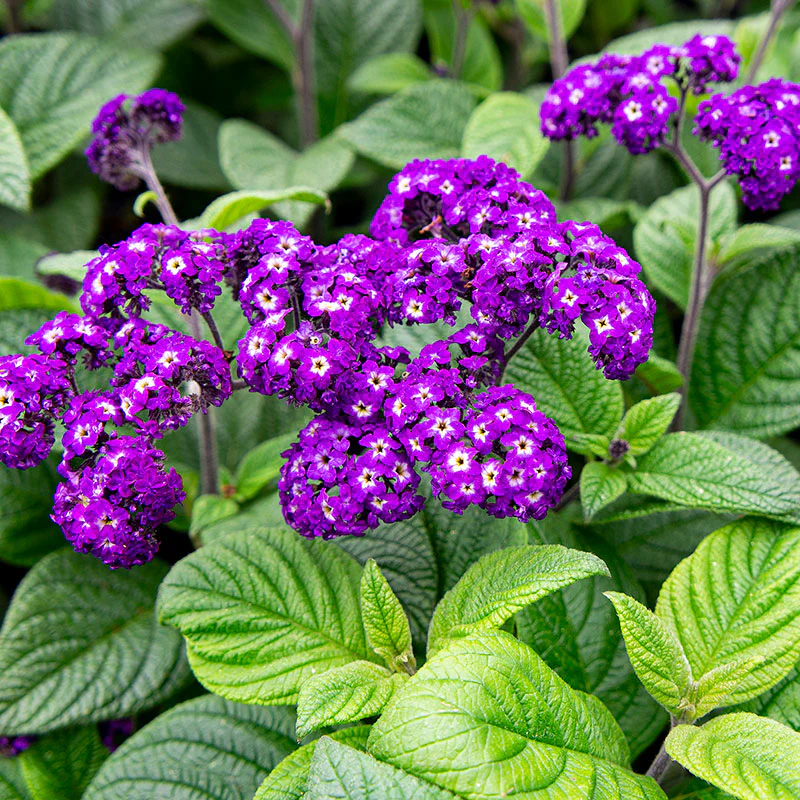
Heliotropes are tender perennials often grown as annuals. They boast rich, dark green leaves and stunning flower clusters that can last from spring until the first frost. While they require a bit more attention than some garden flowers, their sensory appeal makes them a standout choice.
Why Grow Heliotropes?
You should grow heliotropes for three main reasons. First, the fragrance is unparalleled. Second, the rich purple flowers provide beautiful color that complements many other plants. Third, they are excellent for attracting butterflies and other pollinators to your garden, making them a great addition to any pollinator garden.
Getting Started: Planting Heliotropes
You have two reliable ways to begin growing heliotropes.
Starting from Seed
You can grow heliotropes from seed, but it requires patience.
- When: Start seeds indoors 10 to 12 weeks before the last expected spring frost.
- How: Sow seeds on the surface of a moist, seed-starting mix. The seeds need light to germinate, so do not cover them. Gently press them into the soil.
- Germination: Keep the soil consistently moist and warm (around 70°F / 21°C). Germination can be slow, taking 21 to 30 days.
Using Nursery Transplants
This is the easiest and most common method for most gardeners.
- When: Plant outdoors after all danger of frost has passed and the soil has warmed.
- How: Choose a spot with well-draining soil and plenty of sun.
- Spacing: Space plants about 12 inches apart to allow for good air circulation.
Ideal Growing Conditions
To keep your heliotrope healthy and flowering, focus on these key elements.
Sunlight Needs
Heliotropes thrive in full sun to partial shade. For the most abundant blooms and strongest fragrance, provide at least six hours of direct sunlight each day. In very hot climates, afternoon shade can help prevent the plants from wilting.
Soil Requirements
Well-draining soil is essential. Heliotropes prefer a rich, slightly acidic to neutral soil pH. You can amend your garden bed with compost before planting to improve fertility and drainage. If you are growing in pots, a quality potting mix is perfect for your container gardening projects.
Watering and Feeding
Keep the soil consistently moist but not waterlogged. Heliotropes will wilt noticeably if they get too dry. A layer of mulch can help retain soil moisture.
Feed your plants every two to four weeks with a balanced, water-soluble fertilizer to support their long blooming season. Alternatively, mix a slow-release fertilizer into the soil at planting time.
Heliotrope Care and Maintenance
Regular care will keep your plant looking its best all season.
Deadheading and Pruning
Remove spent flower clusters to encourage the plant to produce new blooms. This process, called deadheading, prevents the plant from setting seed and directs its energy into more flowers. If the plant becomes leggy, you can pinch back the stems to promote a bushier shape.
Overwintering
In most climates, heliotropes are treated as annuals. However, because they are tender perennials, you can try to overwinter them indoors if you have a bright, cool spot. Before the first frost, prune the plant back by about one-third and bring it inside. Water sparingly through the winter. The Royal Horticultural Society offers further advice on cultivating these plants long-term.
Common Problems and Solutions
Even the most cared-for plants can face issues.
- Aphids and Whiteflies: These small pests can cluster on new growth and undersides of leaves. Spray them off with a strong stream of water or use an insecticidal soap.
- Spider Mites: These tiny pests thrive in hot, dry conditions. Increase humidity and hose down the foliage to dislodge them.
- Powdery Mildew: This fungal disease appears as a white powder on leaves. To prevent it, ensure good air circulation around your plants and avoid overhead watering. The Missouri Botanical Garden is a trusted resource for diagnosing and treating plant diseases.
- Leggy Growth: This is usually a sign of insufficient sunlight. Move the plant to a sunnier location.
Designing with Heliotropes
The deep purple color and lovely texture of heliotropes make them versatile in the garden. They work well in borders, containers, and even as a fragrant edging plant. I like to pair them with silver-leaved plants like dusty miller or bright annuals like marigolds for a striking contrast. For more ideas on creating beautiful displays, explore our flower gardening resources.
A Final Tip on Scent
For the most intense fragrance, plant heliotropes in a sunny spot near a path or seating area where you can easily enjoy their perfume. The scent is often strongest in the early morning and evening.
Heliotropes bring a unique combination of visual beauty and incredible fragrance to the garden. With the right care, they will reward you all season long. Have you grown heliotropes before? Share your experience in the comments below!