
Discover how to care for hen and chicks plant. Learn planting tips, benefits, and fixes for common issues. Perfect for new gardeners from Ashley Scott at USA Garden Hub.

Hi, I’m Ashley Scott. I run USA Garden Hub. I have gardened for 10 years. I love succulents. One of my favorites is the hen and chicks plant. It looks fun. The big rosette acts like a mother hen. Small offsets grow around it like chicks. I first planted them in my backyard rock garden. They thrived with little work. You can grow them too. This guide covers everything. It answers your questions. It helps you succeed.
What Is a Hen and Chicks Plant?
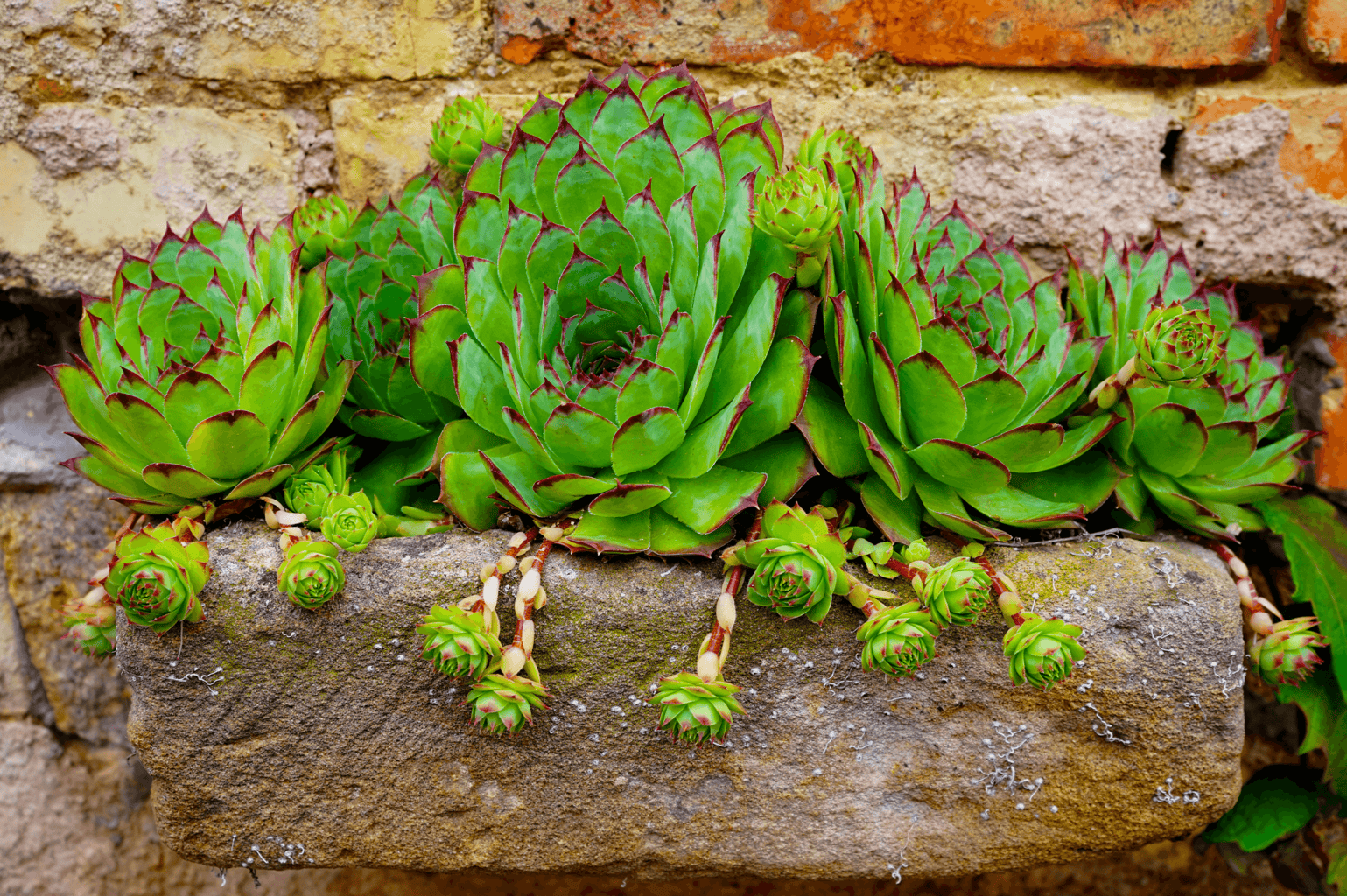
The hen and chicks plant is a succulent. It forms rosettes. The main plant is the hen. Baby plants are the chicks. They spread easily. This plant stays low to the ground. It fits in small spaces.
Its hens and chicks scientific name is Sempervivum. That means “always living” in Latin. These plants last through tough weather. I planted some in pots on my porch. They survived hot summers and cold winters.
You see them in gardens, containers, or indoors. They come in green, red, or purple shades. Pick ones that match your yard.
For more on succulents, check my guide on succulent care.
Hen and Chicks Plant Meaning
The hen and chicks plant meaning ties to family. The hen protects her chicks. People give them as gifts for mothers. They stand for care and growth.
In history, folks used them on roofs. They kept homes cool. Romans thought they warded off lightning. I use them in my garden to add texture. They remind me of family bonds. Once, I gave a pot to my mom. She still has it.
Learn about plant symbols in my post on flower meanings.
Hen and Chicks Plant Care Basics
Care for hen and chicks plant is simple. They need little water. Plant them in well-drained soil. Use cactus mix or add sand to garden dirt.
Water them every two weeks. Let soil dry out. Overwatering causes rot. I learned that the hard way. One plant died from too much rain. Now, I check soil first.
Give them full sun. They like six hours a day. In hot areas, shade them at noon. Fertilize once a year with dilute succulent food.
For cold zones, mulch them in winter. They handle USDA zones 3 to 8. I live in zone 6. Mine come back each spring.
Get tips from the University of Minnesota Extension on succulent growing.
How to Plant Hen and Chicks
Start with healthy plants. Buy from a nursery. Or, take chicks from a friend.
Dig a hole twice the root size. Space hens 12 inches apart. Chicks fill in gaps.
Plant in spring or fall. Water lightly after. They root fast.
I planted a group in a shallow bowl. It became a centerpiece. You can do that for your table.
See my article on planting succulents for steps.
Chicken and Hen Plant Indoor Growing
Grow chicken and hen plant indoor with bright light. Use a south window. They need sun to stay compact.
Pot them in gritty soil. Drain holes prevent sogginess. Water less inside. Every three weeks works.
I keep one on my kitchen sill. It adds green without fuss. Rotate the pot for even growth.
For indoor tips, visit Missouri Botanical Garden’s page on houseplant succulents.
Why Is My Hen and Chick Plant Growing Tall?
A hen and chick plant growing tall means etiolation. It stretches for light. Move it to a sunnier spot.
It might flower. Hens bloom once, then die. Chicks take over. Cut the flower stalk if you want.
My tallest one reached 8 inches. I moved it outside. It fixed itself.
Read about this from Colorado State University Extension on succulent stretching.
Signs of Unhealthy Hen and Chick Plant
Spot an unhealthy hen and chick plant early. Brown tips mean underwatering. Soft leaves signal rot from too much water.
Pests like mealybugs appear white. Wipe them with alcohol. Yellow leaves? Check for poor drainage.
I saved a rotted plant by repotting. Cut bad parts. Let dry. It grew back.
For pest control, see NC State Extension’s guide on succulent pests.
Hen and Chicks Plant Benefits
The hen and chicks plant benefits include low maintenance. They clean air indoors. Outdoors, they prevent soil erosion.
They attract pollinators when blooming. Bees love the flowers.
In my garden, they cover bare spots. No weeds grow there. You save time and water.
Explore benefits from the Old Farmer’s Almanac on hen and chicks.
Pictures of Hens and Chicks Plants
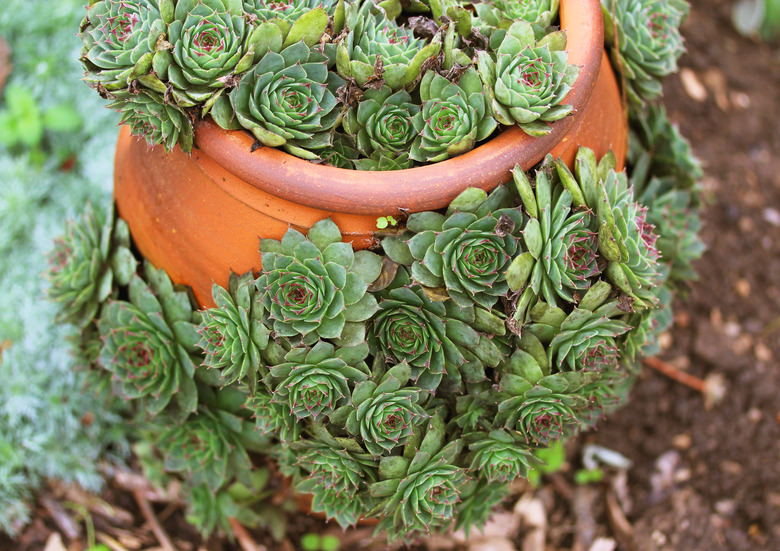
Look for pictures of hens and chicks plants online. They show rosettes in clusters. Some have fuzzy leaves. Others are smooth.
In my yard, I have a mix. Green ones with red tips look striking.
For visuals, check The Spruce’s gallery on succulent varieties.
How to Propagate Hen and Chicks
Propagation is easy. Pull off chicks. Let them dry a day. Plant in soil.
They root in weeks. I made 20 new plants from one hen.
Share extras with neighbors. It builds community.
Link to my propagation tips on succulent propagation.
Common Mistakes to Avoid
Don’t overwater. It kills them fast.
Provide enough light. Shade makes them weak.
Use right soil. Heavy dirt holds water too long.
I avoided these after early fails. Now, my plants thrive.
For more advice, read from Penn State Extension on common succulent mistakes.
Final Tips for Success
Choose a spot with good drainage. Monitor for changes. Enjoy the growth.
With 10 years in gardening, I know these plants reward patience. Start small. Watch them spread.
Visit USA Garden Hub for more guides.