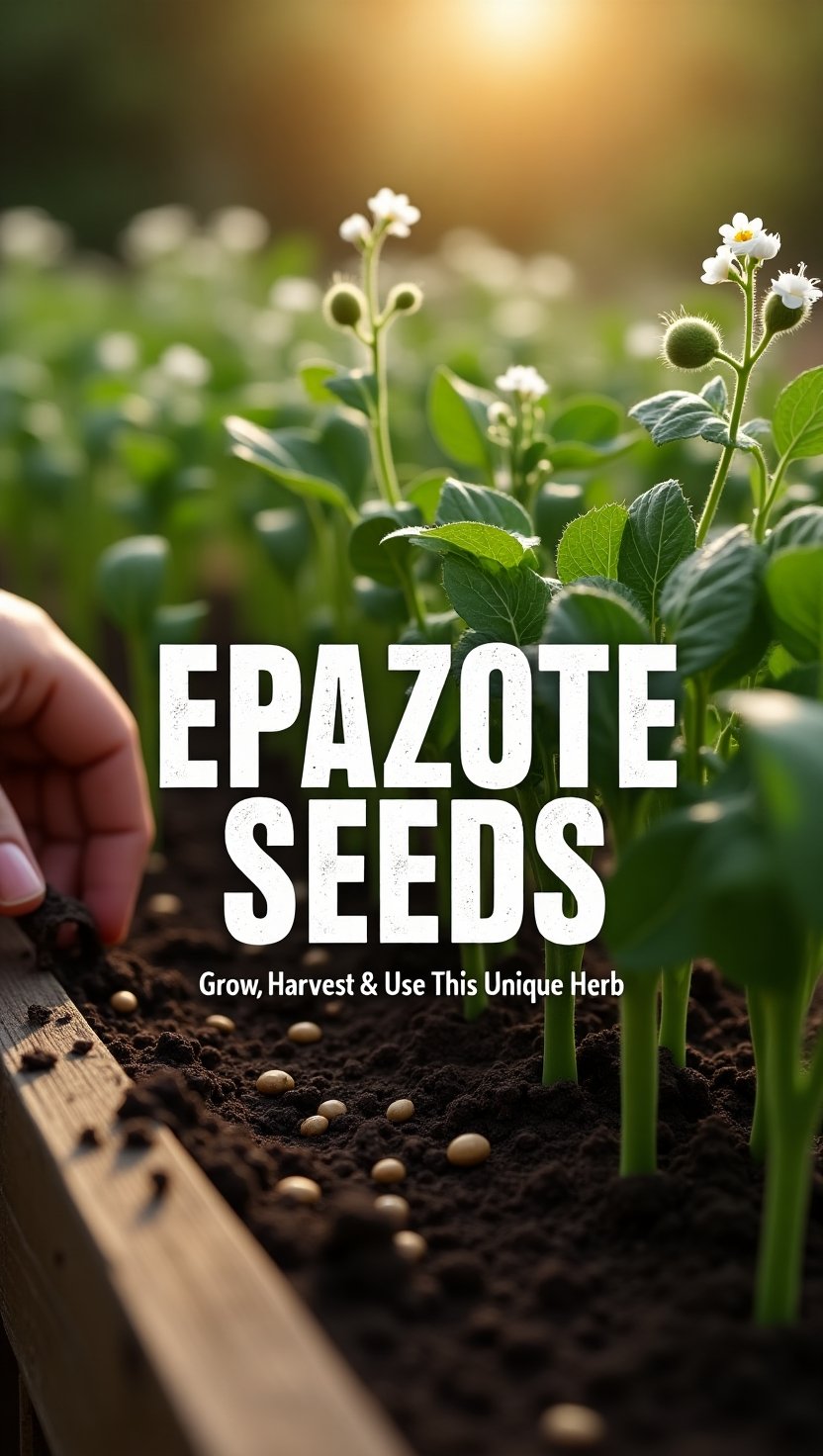
Learn how to start an herb garden with this beginner’s guide. Get tips on choosing herbs, container growing, soil needs, and harvesting for fresh flavors at home.

I’ll never forget the first time I cooked with rosemary I had grown myself. The scent was more vibrant, the flavor more intense than anything I had ever bought in a store. That single plant started a passion that has filled my garden and kitchen with fresh flavors for a decade.
Growing your own herbs is one of the most rewarding and practical forms of gardening. You don’t need a large space or special skills—just a sunny spot and a little knowledge to get started.
Why Start an Herb Garden?
You should grow herbs because they provide incredible flavor that diminishes rapidly in store-bought herbs. They save you money, as a $3 plant can provide dozens of harvests. Having herbs within reach makes cooking more creative and spontaneous. Many herbs also attract beneficial pollinators like bees and butterflies to your garden.
A Quick-Start Guide to Popular Herbs
| Herb | Sun Needs | Water Needs | Best For | Growing Tip |
|---|---|---|---|---|
| Basil | Full Sun | Keep moist | Pestos, Italian dishes | Pinch off flowers to encourage leaf growth |
| Rosemary | Full Sun | Let dry out | Meats, potatoes, breads | Prefers well-draining soil; drought-tolerant |
| Mint | Sun/Part Shade | Keep moist | Drinks, desserts, teas | Grow in a container to control spreading |
| Parsley | Sun/Part Shade | Consistent moisture | Garnishes, sauces, salads | A biennial; grows leaves first year, flowers second |
| Thyme | Full Sun | Let dry out | Soups, roasted vegetables | Woody stems; trim lightly for new growth |
| Oregano | Full Sun | Let dry out | Pizza, pasta sauces | Flavor is best before it flowers |
| Cilantro | Sun/Part Shade | Consistent moisture | Salsas, Asian & Mexican dishes | Plant successively every 2-3 weeks for continuous harvest |
| Chives | Full Sun | Consistent moisture | Eggs, potatoes, salads | Cut leaves at the base; flowers are edible |
Getting Started: Location and Planting
The first step to a successful herb garden is choosing the right location and planting method.
Choosing the Right Location
Most culinary herbs need at least 6 hours of direct sunlight daily. A south or west-facing spot is ideal. If you’re growing indoors, a sunny windowsill is perfect. Good air circulation helps prevent disease, so avoid cramming plants too close together.
Container Gardening vs. In-Ground Beds
You can successfully grow herbs in containers or directly in the ground. Containers are perfect for small spaces, patios, and controlling spreaders like mint. Use pots with drainage holes and a quality potting mix. In-ground beds work well if you have good soil and space. Either way, ensure the soil drains well, as most herbs dislike “wet feet.”
Essential Care for Thriving Herbs
Once your herbs are planted, a little consistent care will keep them productive.
Watering Wisdom
Check soil moisture by sticking your finger an inch into the soil. Water when it feels dry. Herbs like rosemary, thyme, and oregano prefer to dry out between waterings. Basil, mint, and parsley like consistent moisture but not soggy soil. Always water the soil, not the leaves, to prevent disease.
Soil and Fertilizing
Herbs generally don’t need rich soil. In fact, too much fertilizer can produce lush growth with less flavor. A balanced, slow-release fertilizer applied at planting time is usually sufficient. If growing in containers, a half-strength liquid fertilizer every 4-6 weeks during the growing season can be beneficial. For more on soil preparation, see our guide to garden soil basics.
Pruning and Harvesting
Regular harvesting is the best pruning. Always harvest in the morning after the dew has dried but before the sun is intense—this is when essential oils are most concentrated. Use sharp scissors or pruners for a clean cut. Never remove more than one-third of the plant at once. For leafy herbs like basil and mint, pinch just above a set of leaves to encourage bushy growth.
Common Problems and Solutions
Even with good care, you might encounter a few issues.
- Leggy Growth: This means your plant isn’t getting enough sun. Move it to a brighter location.
- Yellowing Leaves: Often a sign of overwatering. Check your watering schedule and ensure the soil drains well.
- Powdery Mildew: A white powder on leaves usually indicates poor air circulation or overhead watering. Space plants properly and water at the soil level.
- Pests: Aphids and spider mites can sometimes be a problem. Spray them off with a strong stream of water or use insecticidal soap. The University of Minnesota Extension offers excellent advice on managing common herb garden pests.
Preserving Your Harvest
When your herbs are producing more than you can use fresh, try these preservation methods.
- Drying: Hang small bunches upside down in a warm, dry, dark place with good air circulation. You can also use a food dehydrator.
- Freezing: Chop herbs and freeze them in ice cube trays with water or olive oil. This works especially well for basil, cilantro, and parsley.
- Herb Oils and Butters: Mix chopped herbs with olive oil or softened butter, then freeze for future use.
A Final Tip for Success
Start small with 3-5 herbs you use most frequently in your cooking. A pot of basil, rosemary, and thyme can provide immense satisfaction without being overwhelming. As you gain confidence, you can expand to more varieties. The key is to begin, learn as you go, and enjoy the process of growing your own food.
For more specific guidance, explore our articles on container gardening and indoor plant care.
What herbs are you most excited to grow? Share your plans or ask questions in the comments below