
Discover 15 tropical herbs and spices you can grow at home. Get practical tips for cardamom, ginger, ghost peppers, and more to bring exotic flavors to your garden.
After a decade of gardening, I can tell you that nothing transforms your cooking like adding homegrown tropical flavors. You might think these plants need a jungle to thrive, but you can grow many in your backyard or on a sunny windowsill.
Growing your own tropical herbs and spices opens up a new world of fresh flavors for your kitchen. You can grow these plants even if you don’t live in a tropical climate; you just need to understand their basic needs. I’ve found that many of these plants are surprisingly adaptable.
Why You Should Grow Your Own Tropical Spices
When you grow your own spices, you get to experience flavors at their absolute peak. Freshly picked leaves and home-harvested rhizomes have a vibrancy that store-bought versions can’t match. You also save money, as many of these herbs are expensive to buy fresh and are often sold in small quantities. Plus, you have the satisfaction of adding a truly personal touch to your meals.
15 Tropical Herbs & Spices for Your Garden
Here are 15 of my favorite tropical herbs and spices that you can cultivate yourself.
1. Cardamom
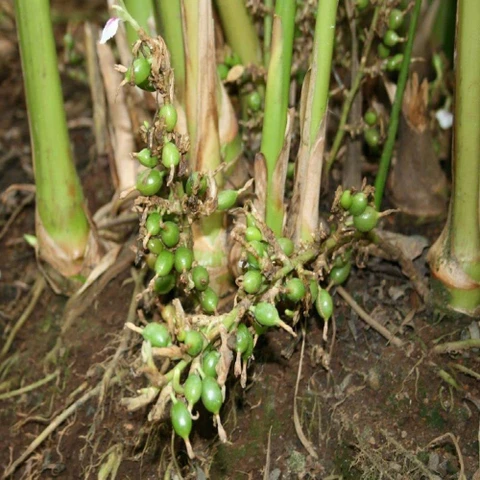
Cardamom is a member of the ginger family and is known for its aromatic seed pods. The plant has long, green leaves and can grow five to ten feet tall. Provide it with dappled sunlight and consistently moist soil. It grows well outdoors in USDA Zones 10 to 13 but also makes a good houseplant if you can provide adequate humidity. The seed pods are used in both savory Indian dishes and sweet baked goods.
2. Cuban Oregano
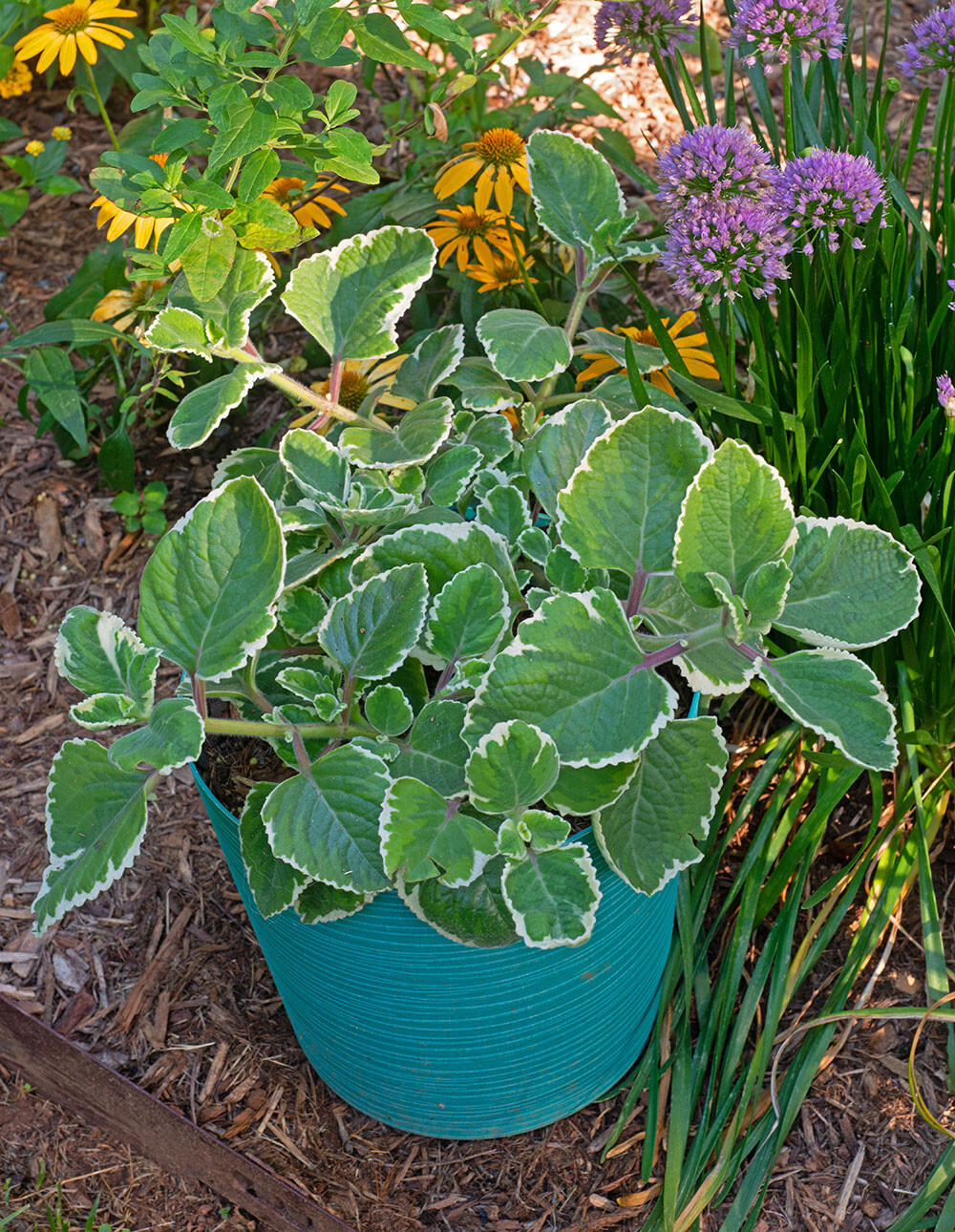
Cuban Oregano is a tropical mint relative with thick, velvety leaves. It has a flavor similar to common oregano but with more intensity. It grows one to three feet tall and thrives in partial shade. Water it when the top inch of soil is dry. You can grow it outdoors in Zones 9 to 11 or easily care for it indoors. Use it to season sofrito, pasta, and Tex-Mex dishes.
3. Culantro
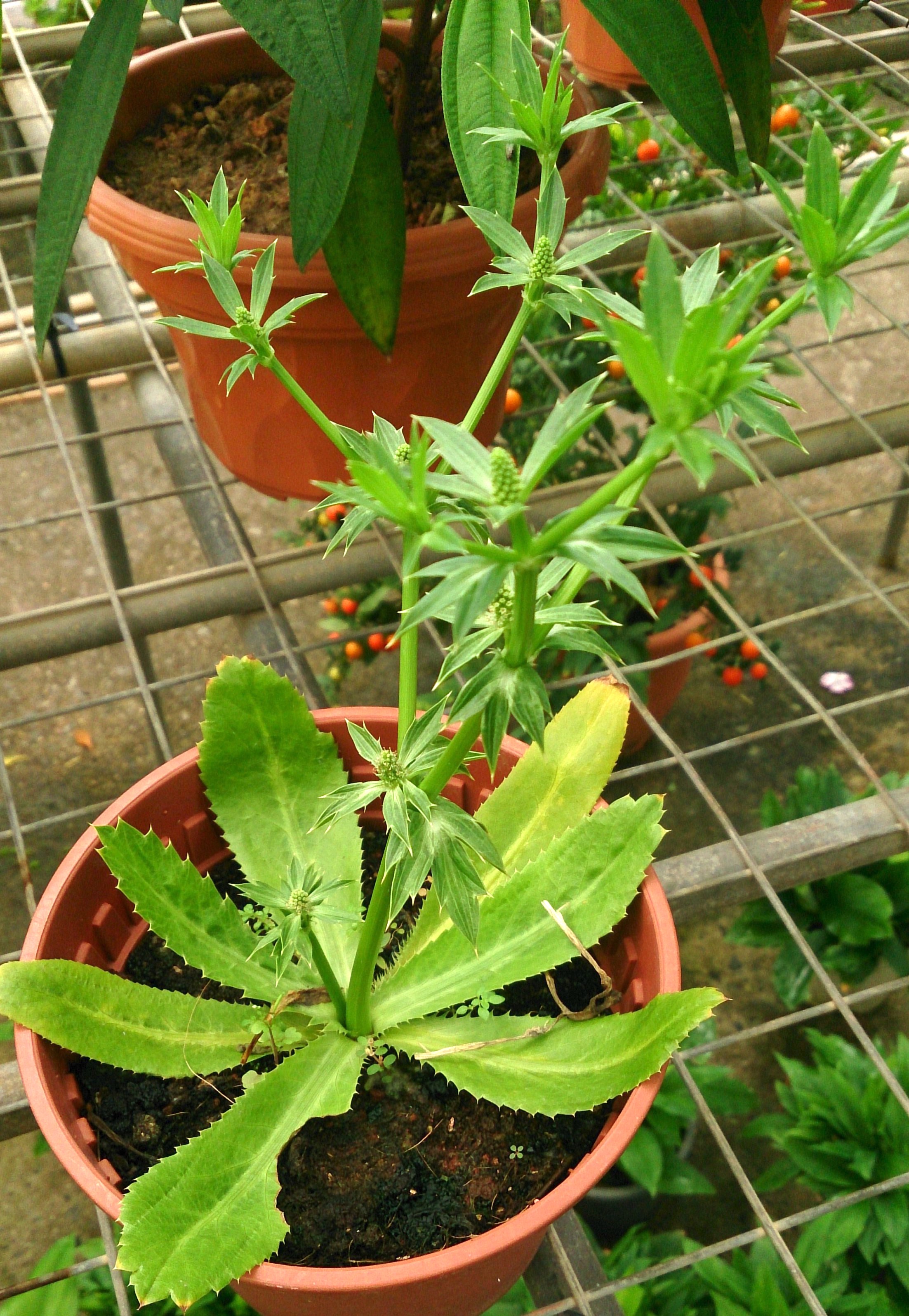
Don’t confuse this with cilantro. Culantro has a similar flavor but thrives in hot weather that would cause cilantro to bolt. It has long, serrated leaves and grows about two feet tall. Plant it in part shade and keep the soil moderately moist. It is perennial in Zones 7 to 11 and is an excellent cilantro alternative in Asian and Latin American cooking.
4. Curry Leaf Tree
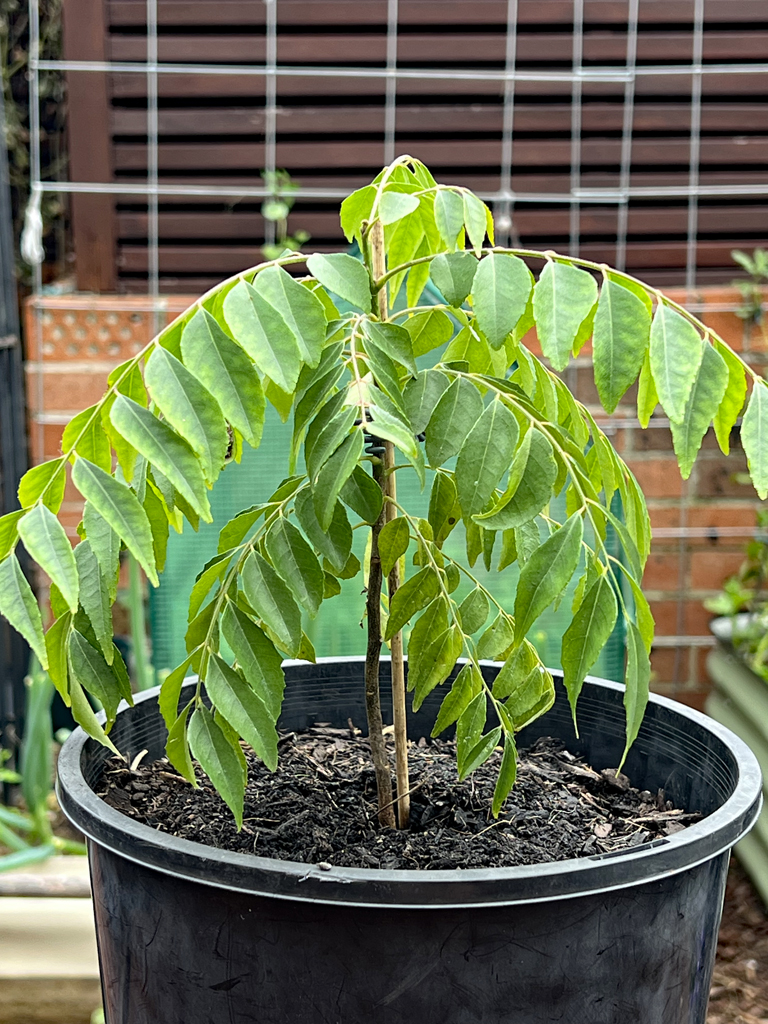
The leaves of the Curry Leaf Tree are a staple in Indian cooking, offering a citrusy, earthy flavor. This small tree can grow six to fifteen feet tall. It prefers full sun to part shade in hot locations. Allow the soil to dry to the touch between waterings. It can be grown outdoors year-round in Zones 9 to 12. Use the fresh leaves in curries and stews.
5. Galangal
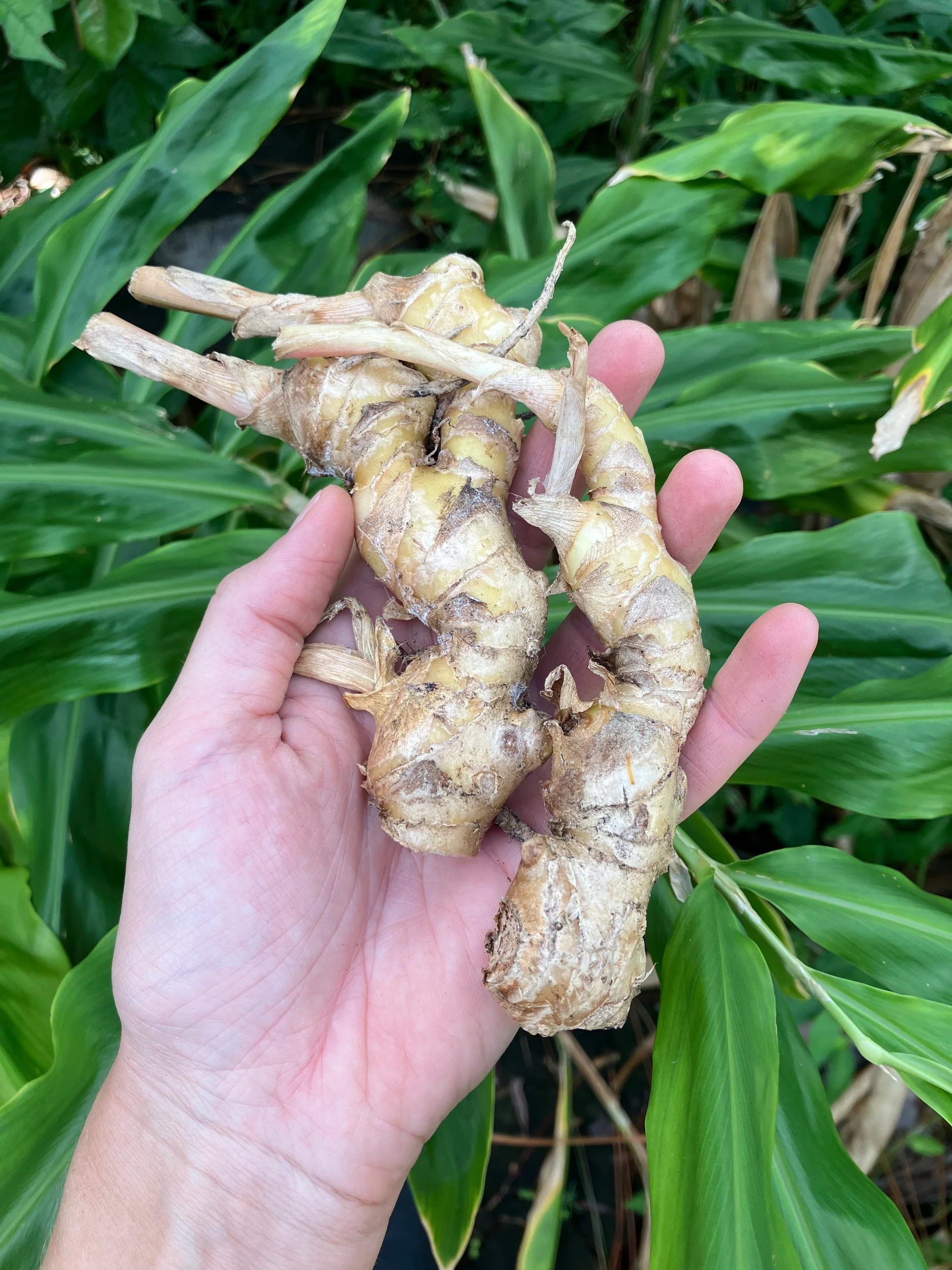
Often called Thai ginger, galangal is a rhizome with a unique, citrusy flavor essential to Thai and Vietnamese cuisine. The plant has upright stalks with widely spaced leaves and can reach over six feet tall. Grow it in part shade with moist soil. It is hardy in Zones 9 to 12, and you can harvest the rhizomes about three months after planting.
6. Ghost Pepper
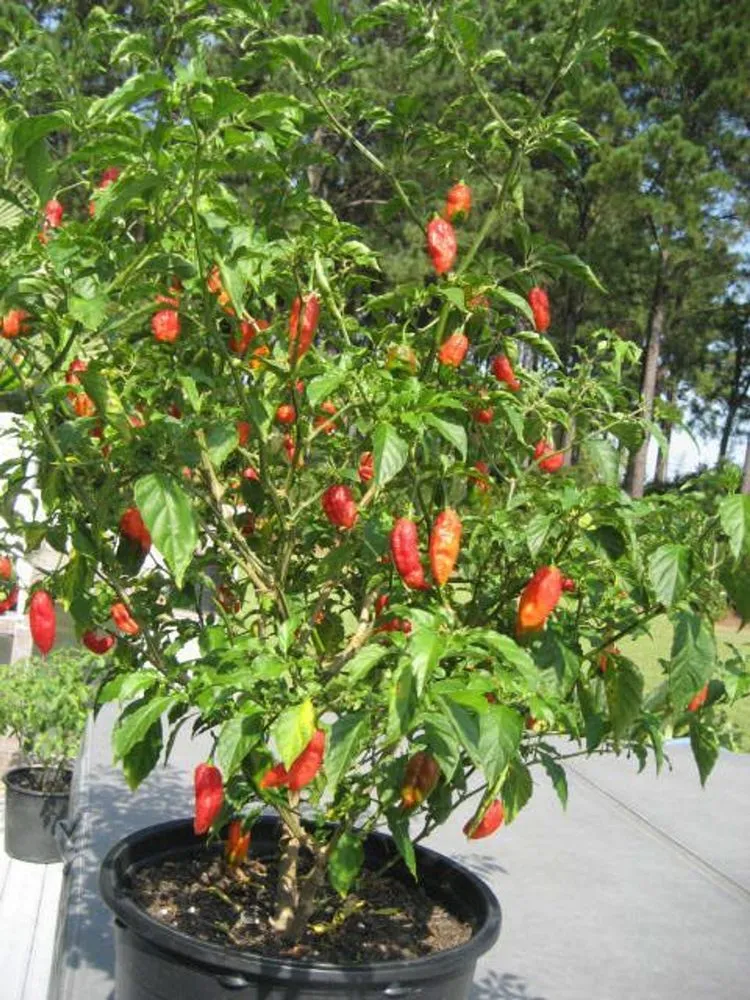
If you love intense heat, the ghost pepper is for you. These peppers score over one million Scoville heat units. The plants can reach four feet tall and bear wrinkly, tapered peppers that mature from green to red. They need full sun, well-drained soil, and a long, hot growing season. They are tender perennials in Zones 8 to 11. To understand more about the Scoville scale and pepper heat levels, you can visit the Pepper Institute at New Mexico State University.
7. Ginger
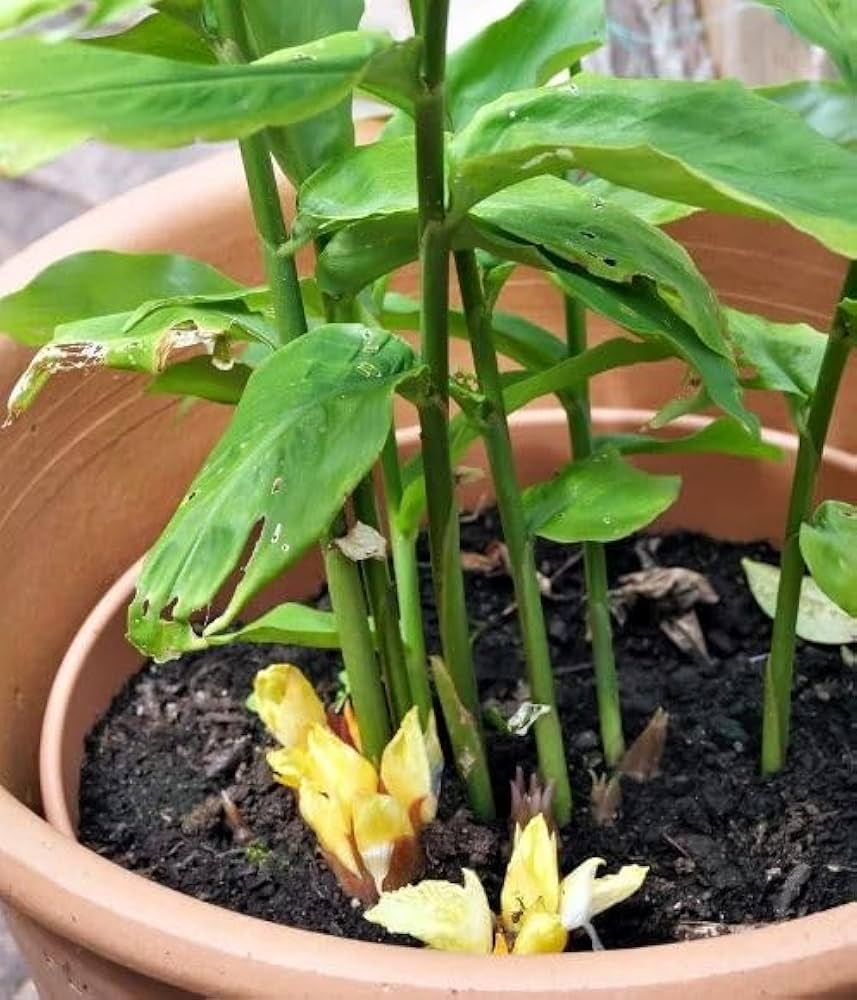
This is a classic, versatile spice. The ginger plant grows about three feet tall with narrow leaves. It thrives in part shade with moist soil. In colder climates, you can grow it in containers. It is hardy in Zones 9 to 12, and the rhizomes are ready for harvest eight to ten months after planting. You can use fresh ginger in stir-fries, teas, and baked goods. For a detailed guide on cultivating ginger, the University of Florida’s IFAS Extension offers an excellent resource.
8. Lemongrass
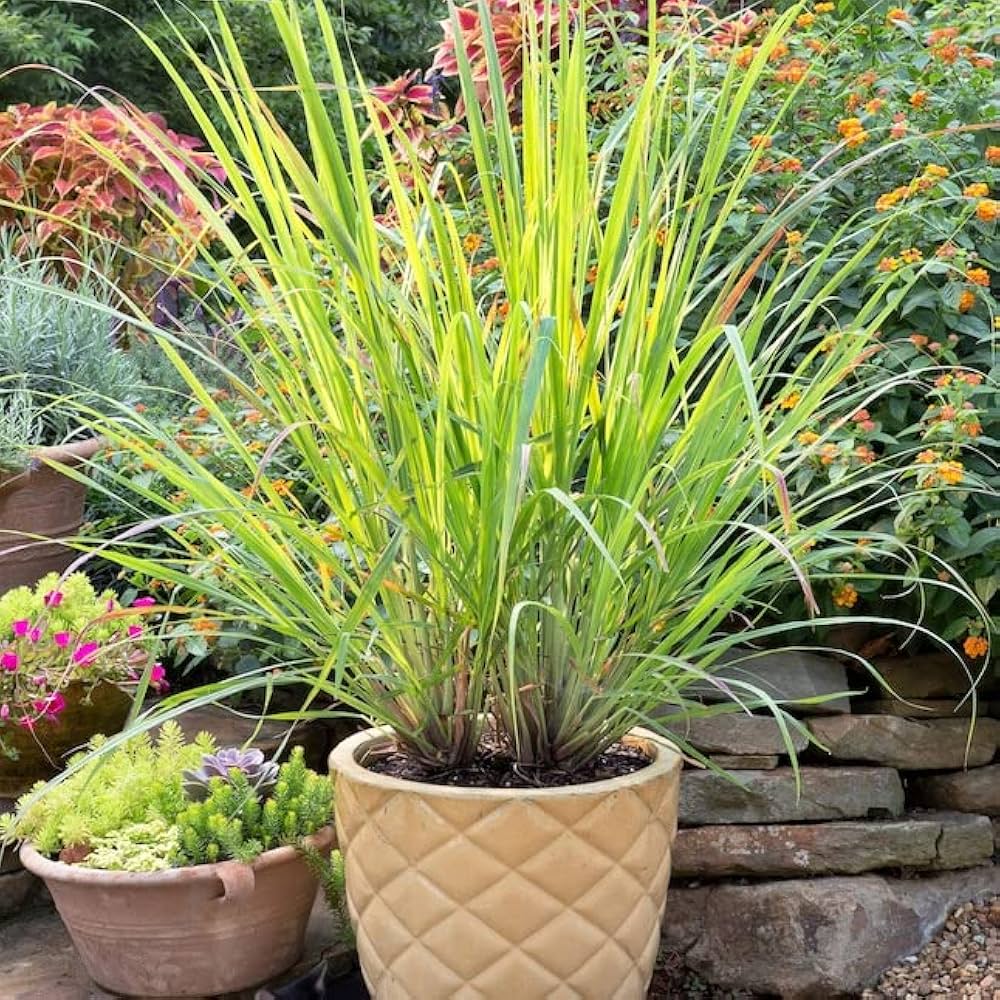
Lemongrass forms tall, grassy clumps and is valued for its citrus-flavored stalks. It is a low-maintenance plant that loves heat and full sun. In colder climates, you can grow it as an annual or in pots to bring indoors during winter. The tender base of the stalks is used to flavor teas, soups, and curries.
9. Turmeric
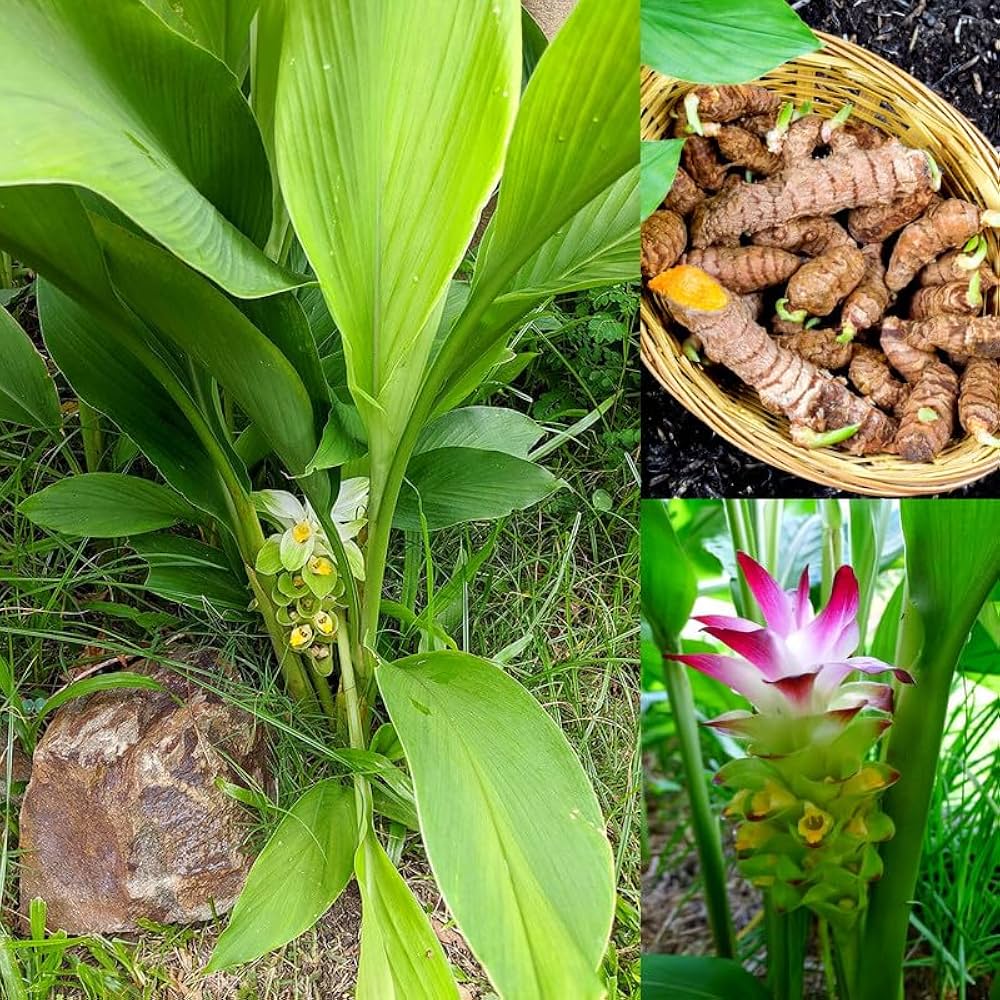
Known for its bright orange rhizomes, turmeric is closely related to ginger and is grown in much the same way. It requires a long, warm growing season. Plant the rhizomes just an inch or two deep in rich, well-drained soil. Harvest the rhizomes in the fall after the leaves have died back. Use it fresh or dried to add color and flavor to curries and sauces.
10. Kaffir Lime
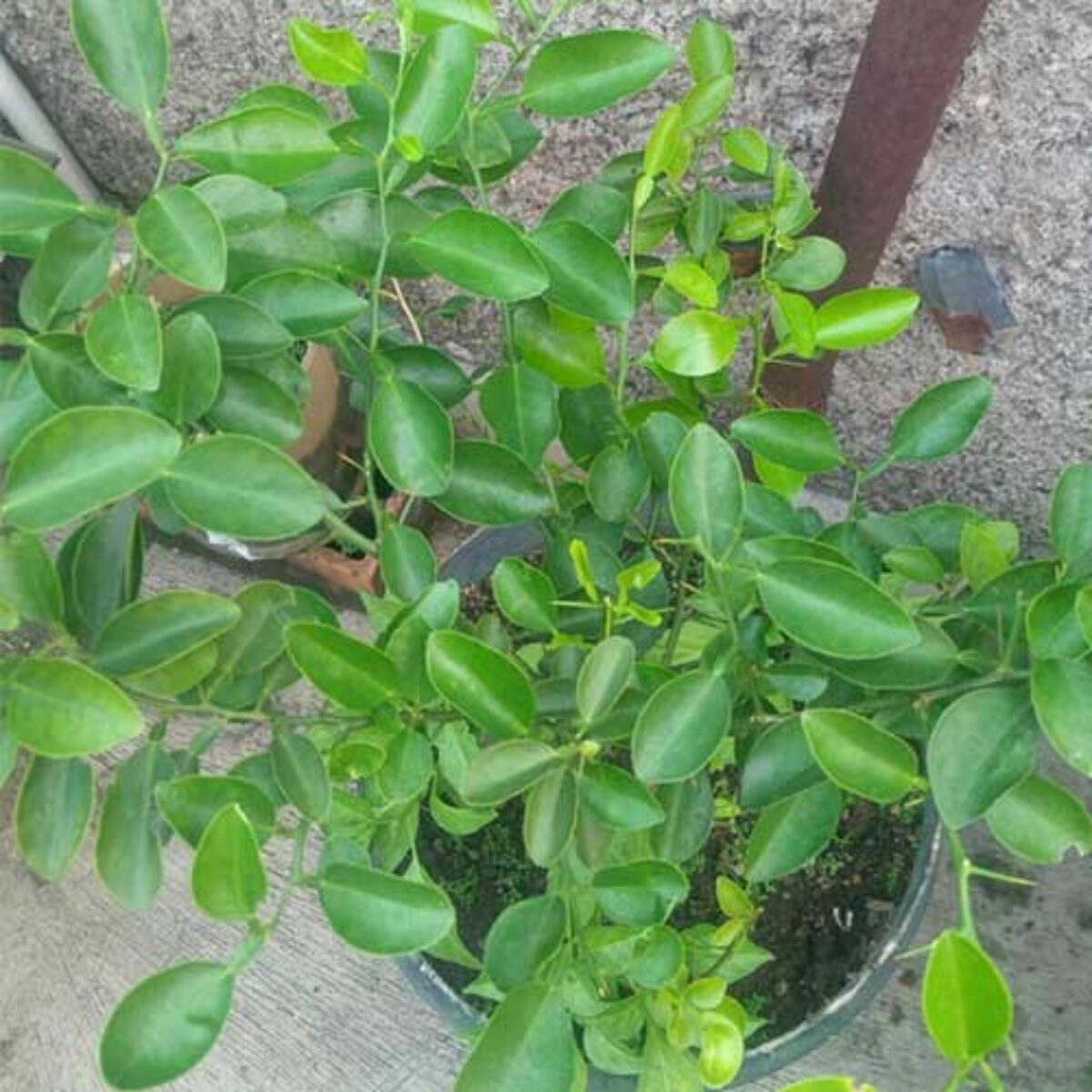
The glossy, double-lobed leaves of the Kaffir Lime tree are a fundamental herb in Southeast Asian cooking, providing a distinctive citrus aroma. The tree can be grown in a pot and makes a beautiful ornamental plant. It needs full sun and well-draining soil. The leaves can be used fresh or dried, and the bumpy fruit zest is also used in cooking.
11. Vanilla
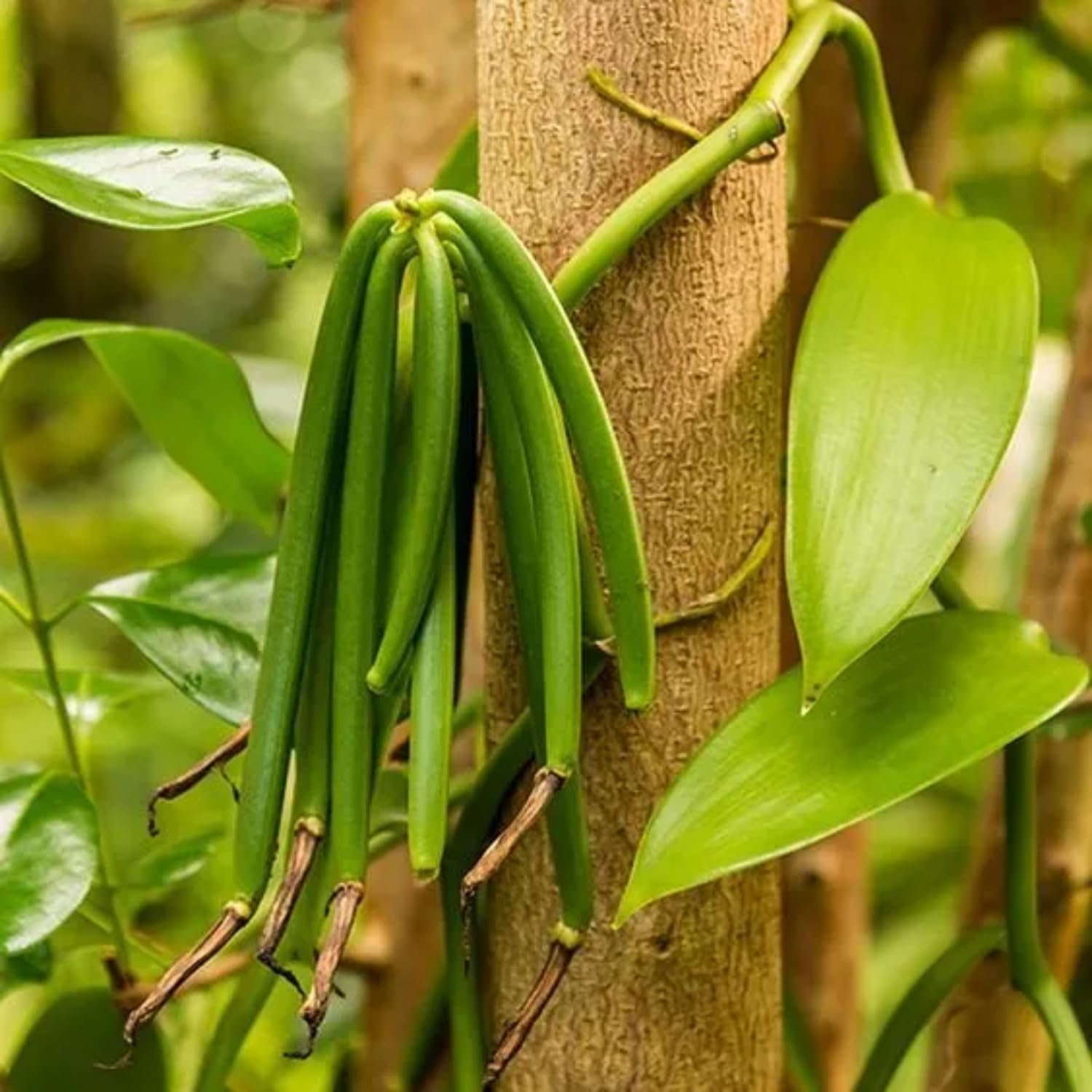
Vanilla comes from the orchid Vanilla planifolia. Growing your own vanilla beans is a project for a patient gardener, as the vines need a support to climb and several years to mature. The orchids require a warm, humid environment with filtered light. Pollinating the flowers is a delicate process, but the reward of home-cured vanilla pods is unparalleled. The Royal Botanic Gardens, Kew provides fascinating background on the history and botany of the vanilla orchid.
12. Thai Basil
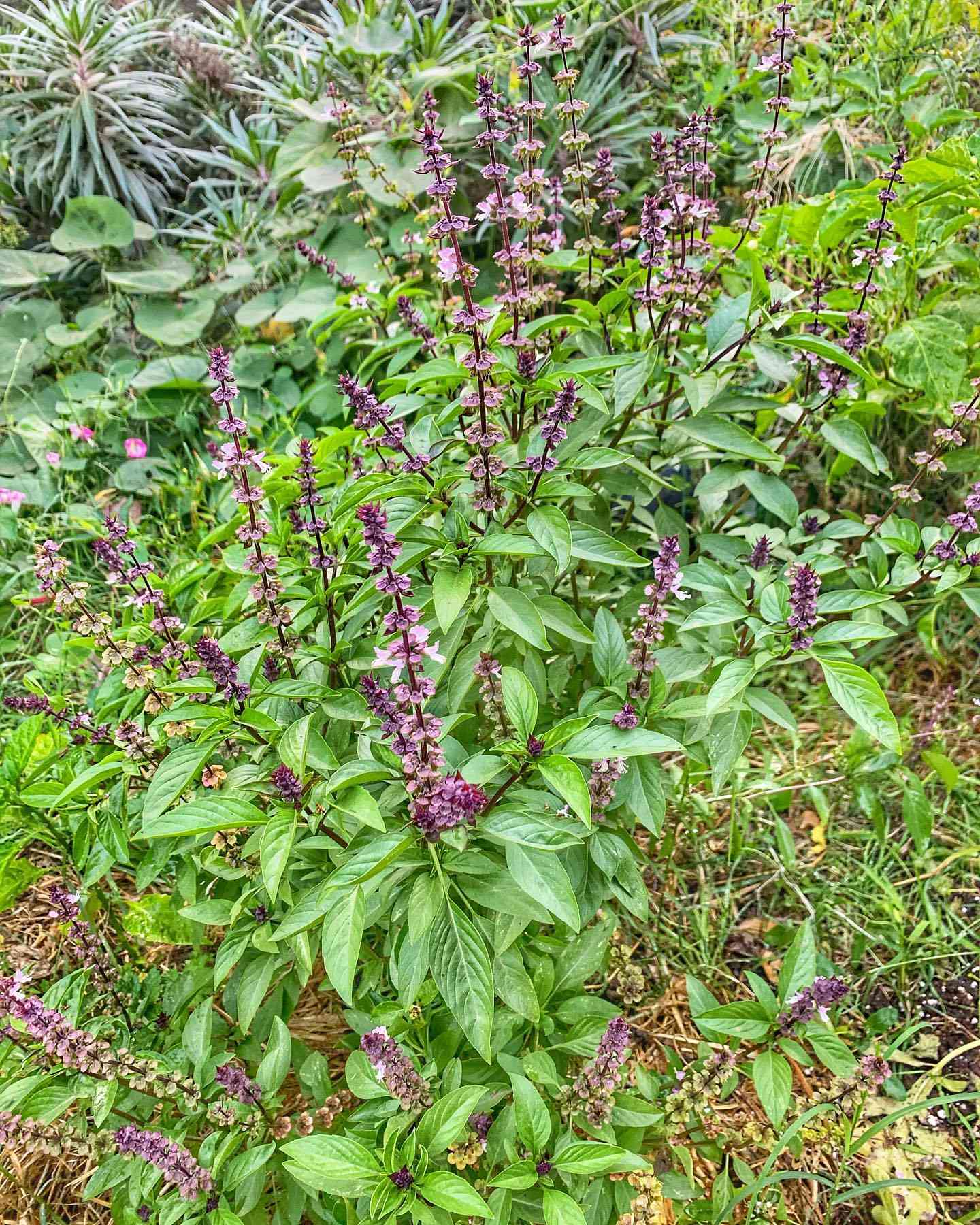
Unlike sweet basil, Thai Basil has a distinct anise-licorice flavor and holds up well in cooked dishes. It has purple stems and pointed leaves. It is an annual that loves full sun and warm weather. Harvest the leaves regularly to prevent flowering. It is essential for dishes like Vietnamese pho and Thai green curry.
13. Peppercorn
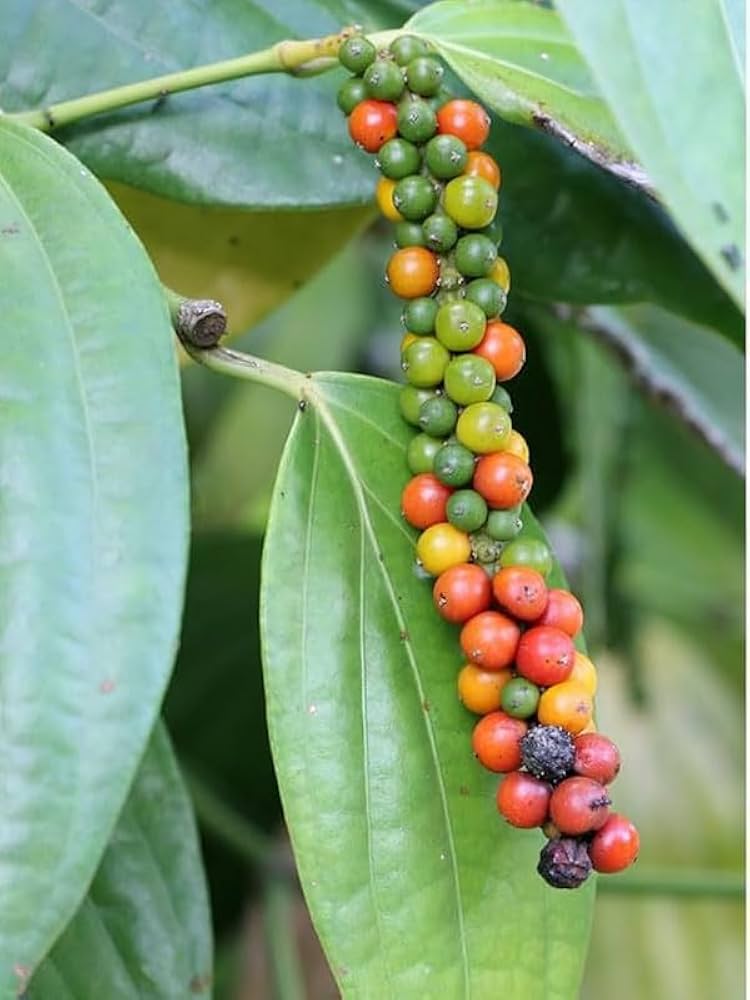
The Peppercorn plant is a tropical vine that produces the black, white, and green peppercorns we use daily. It requires a truly tropical climate or a large, warm greenhouse to thrive. The vine needs a sturdy support and will produce strings of small fruits that are harvested and dried at different stages to create the various types of pepper.
14. Allspice
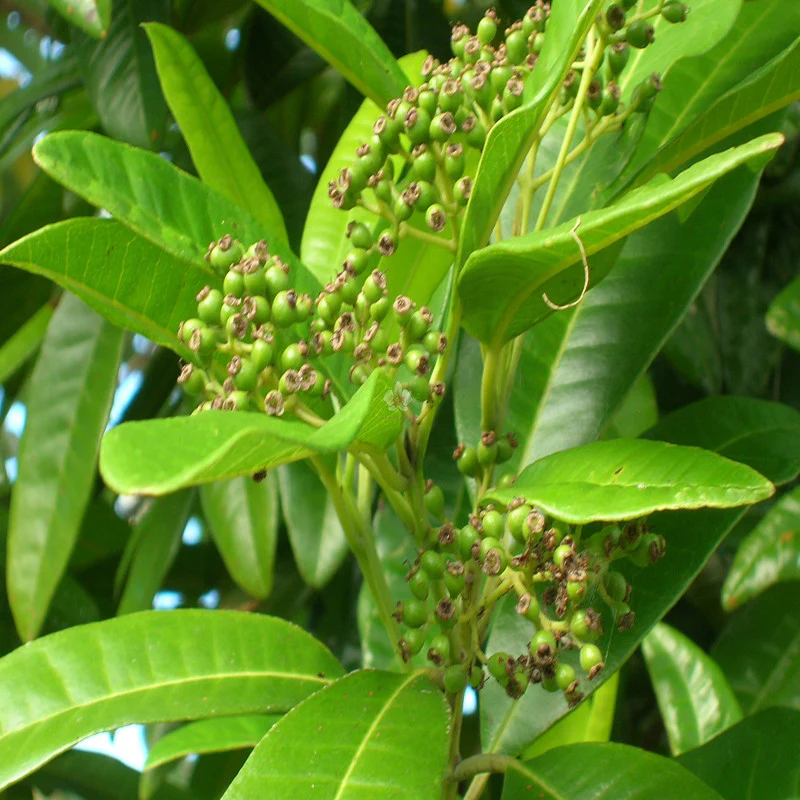
Allspice comes from the dried berries of the Pimenta dioica tree. It is called allspice because its flavor resembles a combination of cloves, cinnamon, and nutmeg. The tree can grow quite large but is often kept smaller in containers. It thrives in full sun and well-drained soil. The green berries are harvested and dried for use in both sweet and savory dishes.
15. Mexican Tarragon
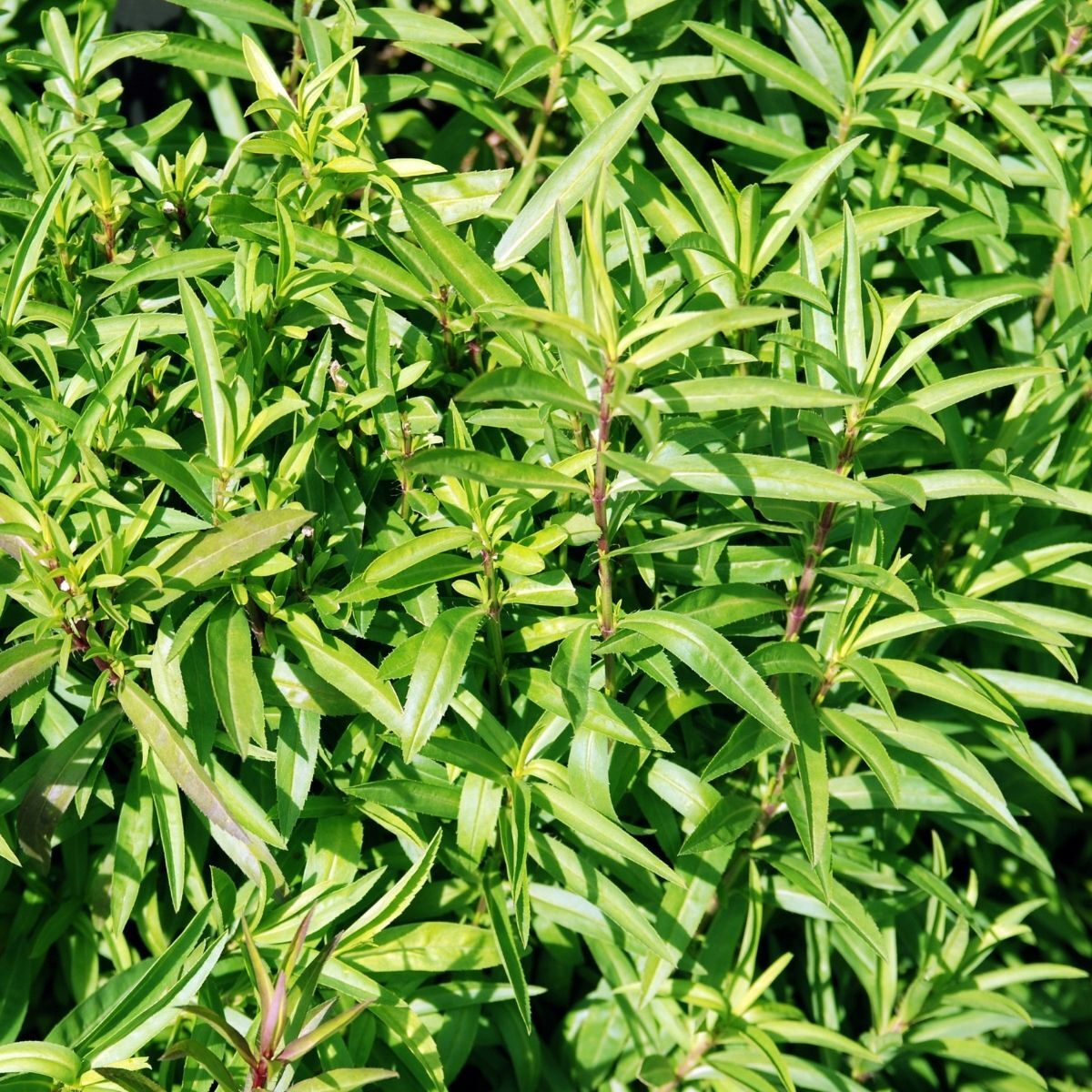
Also known as Mexican mint marigold, this herb is a great substitute for French tarragon in hot climates. It has slender, dark green leaves and produces small yellow flowers in the fall. It loves full sun and is drought-tolerant once established. Use the licorice-flavored leaves in salads, chicken dishes, and teas.
5 Essential Tips for Growing Tropical Spices Successfully
You do not need a perfect tropical climate to grow these plants. Here is what I have learned from my experience.
- Focus on Climate and Seasonality: If you live outside a tropical zone, treat many of these plants as container specimens. You can grow them outdoors during the warm summer months and bring them inside before the first frost. A sunny south-facing window or a grow light can keep them happy through the winter. For comprehensive advice on indoor plant care, you can reference resources from the Missouri Botanical Garden.
- Master Soil and Watering: Well-draining soil is non-negotiable for most of these plants. While they like consistent moisture, waterlogged soil will cause rhizomes like ginger and turmeric to rot. A good rule is to water when the top inch of soil feels dry.
- Understand Light Requirements: Many tropical spices, like cardamom and galangal, naturally grow under a forest canopy. They prefer dappled sunlight or partial shade, especially during the hottest part of the day. Conversely, plants like peppers and lemongrass need full sun to produce a good harvest.
- Start with Transplants or Rhizomes: For a beginner, it is much easier to start with a young plant from a nursery or a piece of fresh organic ginger or turmeric rhizome from the store. This gives you a head start compared to growing from seed.
- Provide Humidity: Tropical plants thrive in humid air. If you are growing plants indoors, misting the leaves regularly or using a humidity tray can prevent the leaf tips from turning brown.
A Final Thought on Your Tropical Garden
Adding these tropical herbs and spices to your garden is a rewarding project that will expand your culinary horizons. The flavor and aroma of a leaf you pick seconds before adding to your pot are unmatched. For more gardening guides, from starting your first herb garden to more advanced techniques, explore our other articles on vegetable gardening and container gardening.
Have you ever tried to grow a tropical spice? I would love to hear about your experiences. Share your stories in the comments below.