
Learn about 10 herbs you should never plant together, like mint and basil, with reasons and tips from Ashley Scott, a 10 year gardening pro. Perfect for USA gardens.
Hey there, plant lovers. I am Ashley Scott, and with 10 years of gardening experience, I have learned a lot about growing herbs in my USA backyard. Today, I want to share something important, 10 herbs you should never plant together. Planting the wrong herbs side by side can lead to poor growth, pests, or even bad flavors. These mistakes happen because some herbs compete for water, spread too fast, or release chemicals that harm others. I made this error once with mint taking over my basil patch, and it was a mess to fix. These tips come from my own trials and trusted sources. They are perfect for USA gardeners who want a healthy herb garden. Let us dive in with easy advice to keep your plants happy.
10 Herbs You Should Never Plant Together
Here is my list of 10 herbs you should never plant together, based on common problems like different needs or bad interactions. Each pair includes why to avoid them, growing tips, and a bit from my garden story. Many of these herbs do well alone or with better matches, and they can even tie into low care ideas like succulent propagation for a mixed garden.
1. Mint and Basil
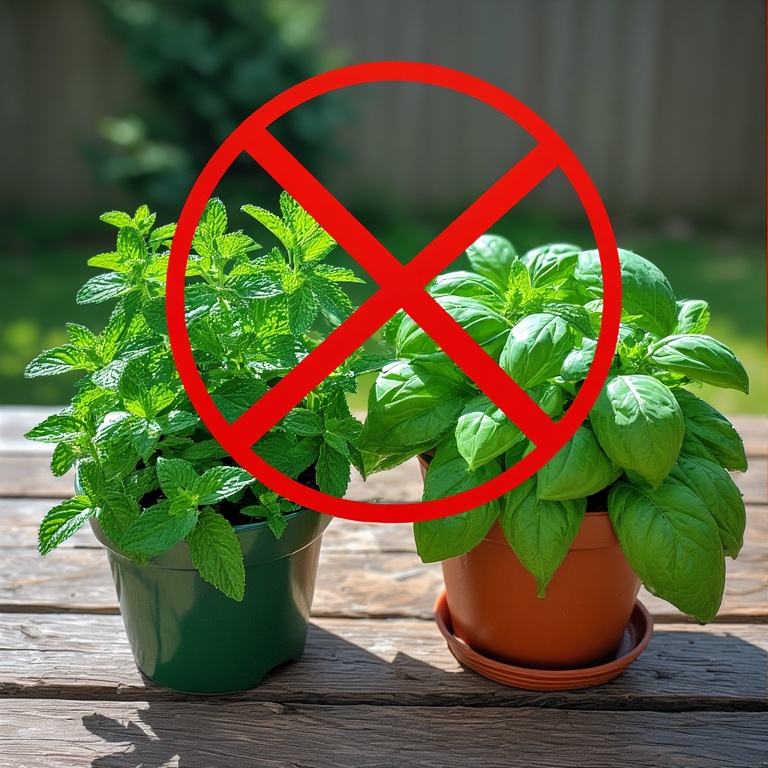
Mint spreads quickly through roots and can choke out basil, which needs space to grow tall. Their different growth habits make them bad neighbors. I planted them together once, and the mint won, leaving my basil weak and small.
Why Avoid: Mint is invasive and shades out basil. Growing Conditions: Mint likes moist shade, basil needs full sun and dry soil. Tip from Ashley: Grow mint in a pot to contain it, like I do now near my patio. Fun Fact: Mint can cross with basil and change flavors if too close. Related Resource: Learn more about mint care at Missouri Botanical Garden.
2. Fennel and Dill
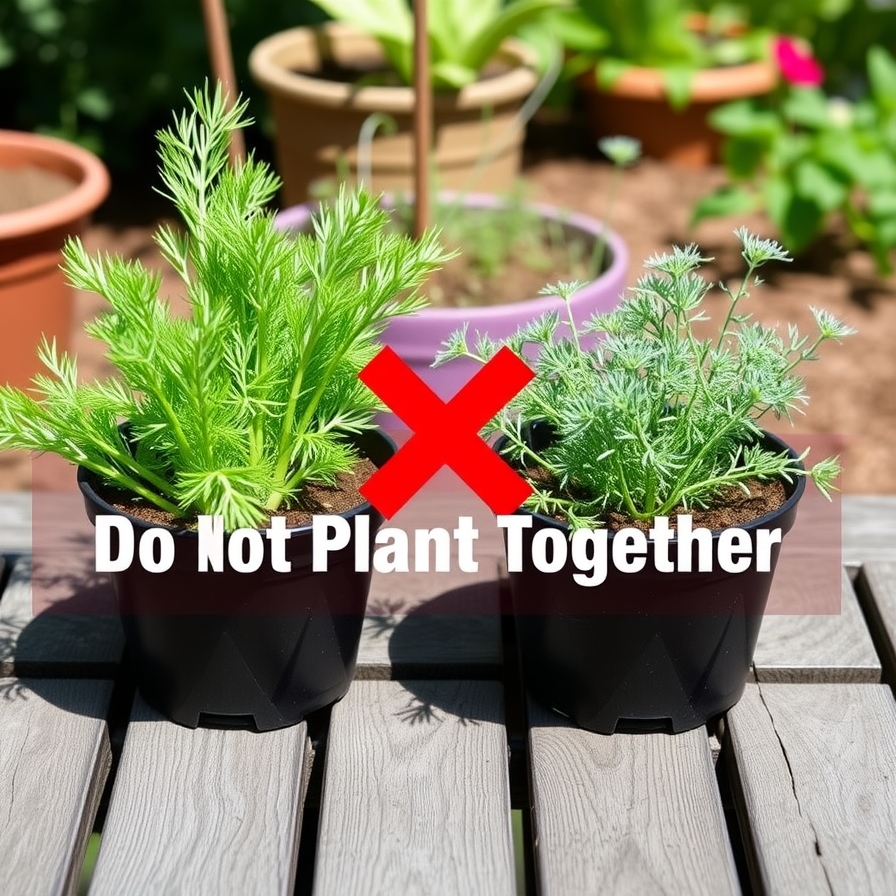
Fennel and dill are in the same family, so they can cross pollinate and create odd tasting seeds. Fennel also releases chemicals that slow dill growth. In my garden, I keep them far apart to protect my dill for pickling.
Why Avoid: Cross pollination and growth inhibition. Growing Conditions: Both like full sun, but fennel needs more space. Tip from Ashley: Plant fennel alone in a corner, as it attracts bees like in my post on blooming plants that bees love. Fun Fact: Fennel bulbs are edible, but its roots harm nearby plants. Related Resource: Check fennel details at North Carolina State Extension.
3. Sage and Chives
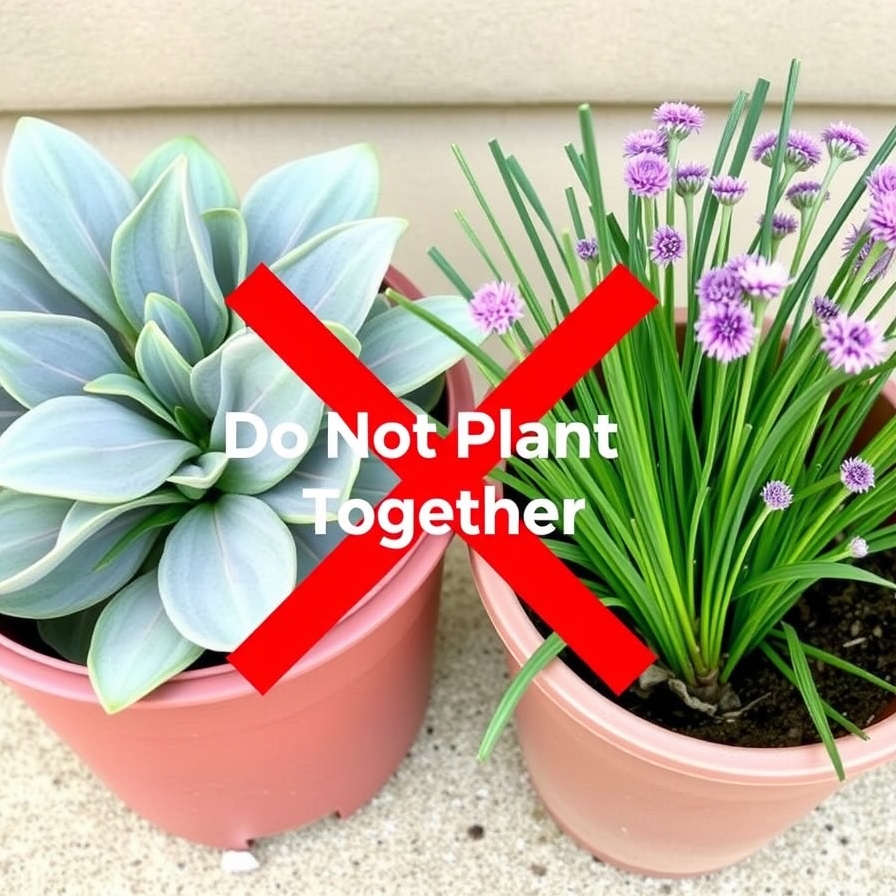
Sage prefers dry soil, while chives need more moisture, leading to root rot or dry out for one. They also attract different pests. I tried this combo and ended up with unhappy chives.
Why Avoid: Different water needs cause stress. Growing Conditions: Sage in dry sun, chives in moist partial shade. Tip from Ashley: Pair sage with thyme instead for better results. Fun Fact: Sage is great for tea, but chives add onion flavor to salads. Related Resource: Explore sage growing at University of Florida IFAS Extension.
4. Basil and Sage
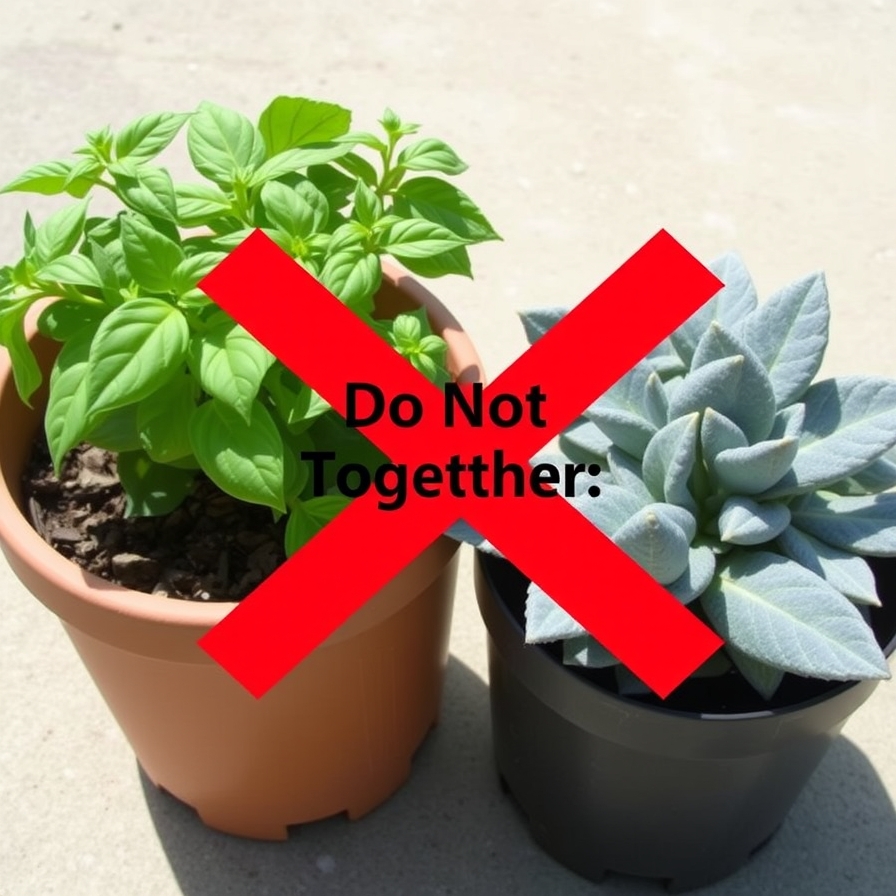
Basil loves warm, moist soil, but sage wants it dry and sandy. This mismatch stunts both. In my small backyard, I separate them for strong flavors.
Why Avoid: Opposing soil and water preferences. Growing Conditions: Basil in full sun with moisture, sage in dry spots. Tip from Ashley: Use basil with tomatoes, and sage with rosemary. Fun Fact: Basil repels flies, while sage deters moths. Related Resource: Get basil tips at Purdue University Extension.
5. Fennel and Basil
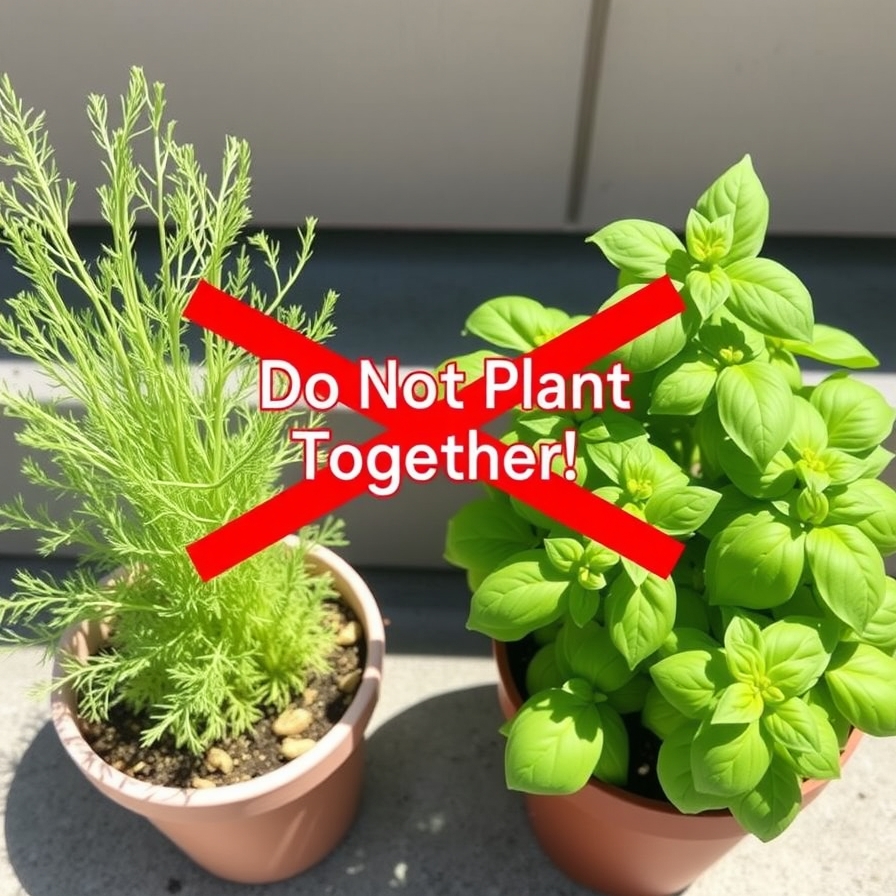
Fennel inhibits basil growth with its chemicals, making basil leaves small and bitter. I learned this the hard way when my basil near fennel failed.
Why Avoid: Allelopathy from fennel harms basil. Growing Conditions: Fennel in isolation, basil with friends like parsley. Tip from Ashley: Keep fennel away from veggies too, for a balanced yard like in my easy landscaping ideas for small backyards. Fun Fact: Fennel seeds aid digestion, but plant wisely. Related Resource: Learn about fennel at University of Wisconsin Extension.
6. Dill and Lavender
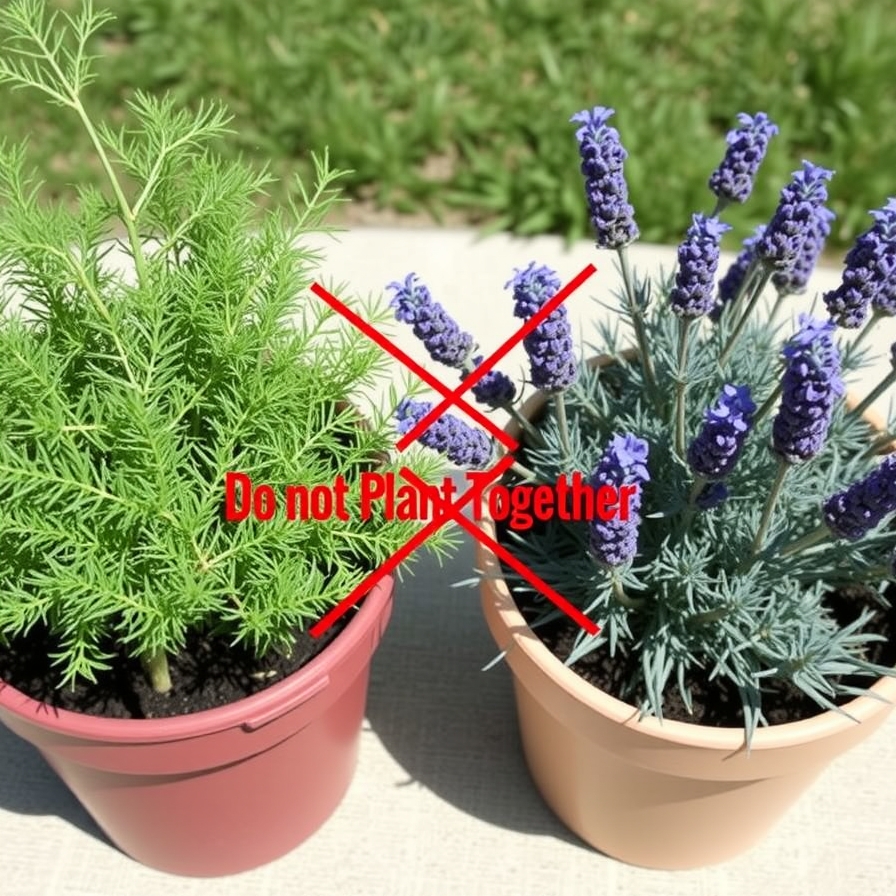
Dill draws pests like aphids that damage lavender, and their water needs differ. Lavender stays dry, dill likes wet. My lavender thrived once I moved dill away.
Why Avoid: Pest attraction and moisture clash. Growing Conditions: Dill in moist sun, lavender in dry gravel. Tip from Ashley: Lavender pairs with roses for scent. Fun Fact: Lavender calms, dill flavors pickles.
7. Mint and Parsley
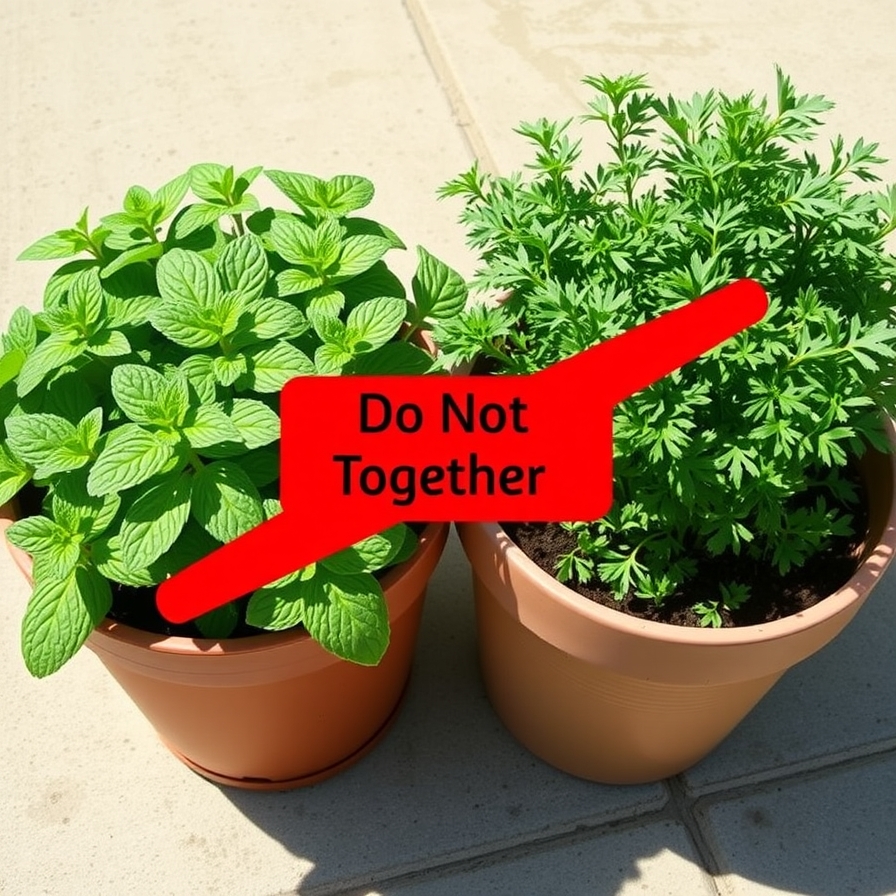
Mint overruns parsley with its fast roots, blocking light and nutrients. Parsley grows slow, so mint wins. I pot mint now to save my parsley.
Why Avoid: Invasive mint crowds parsley. Growing Conditions: Mint contained, parsley in open soil. Tip from Ashley: Parsley with carrots deters pests. Fun Fact: Parsley freshens breath, mint aids stomach.
8. Fennel and Cilantro
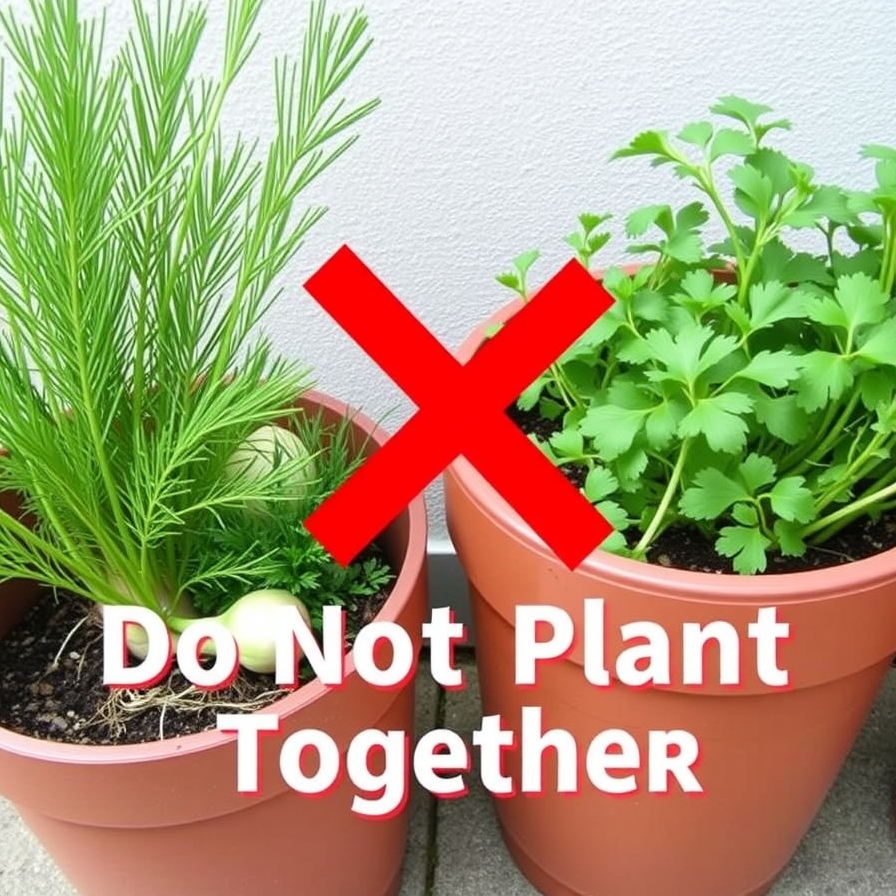
Fennel stops cilantro from bolting right, and they compete for space. Both bolt fast in heat. I grow cilantro in shade, fennel alone.
Why Avoid: Growth inhibition and similar bolting issues. Growing Conditions: Cilantro in cool spots, fennel in sun. Tip from Ashley: Cilantro with tomatoes for salsa gardens. Fun Fact: Cilantro leaves, coriander seeds from same plant.
9. Rue and Basil
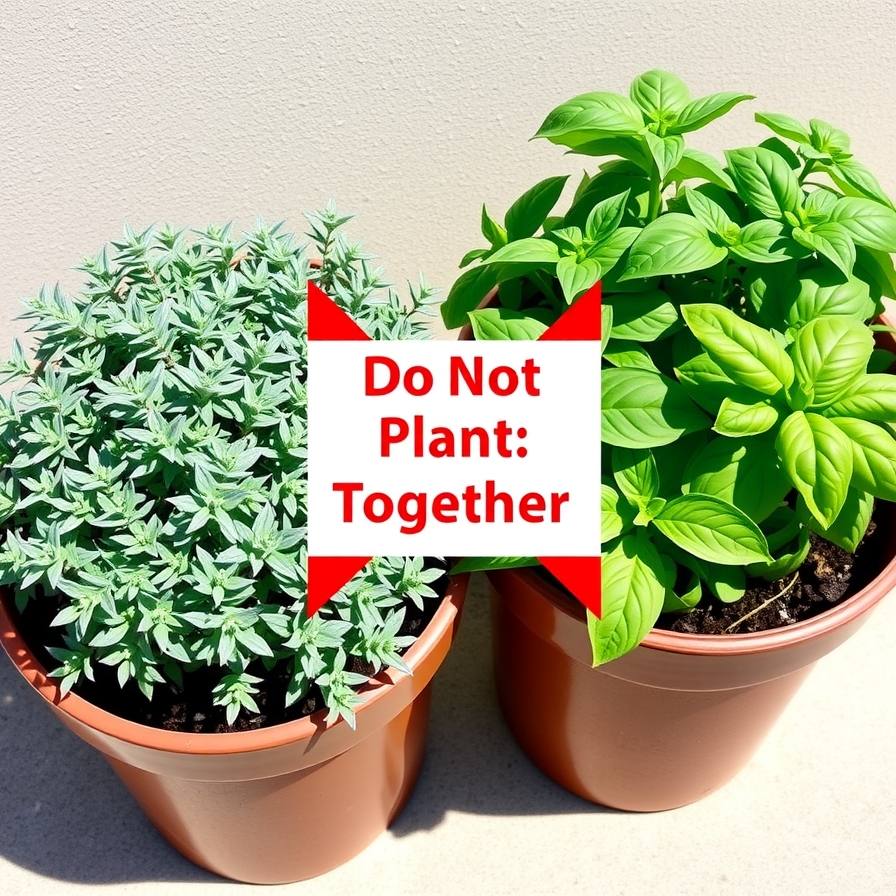
Rue releases oils that stunt basil growth and change its taste. Rue is strong, basil delicate. I avoid rue near edibles.
Why Avoid: Chemical interference from rue. Growing Conditions: Rue in borders, basil in pots. Tip from Ashley: Rue repels bugs but use carefully. Fun Fact: Rue was used in old medicine.
10. Wormwood and Sage
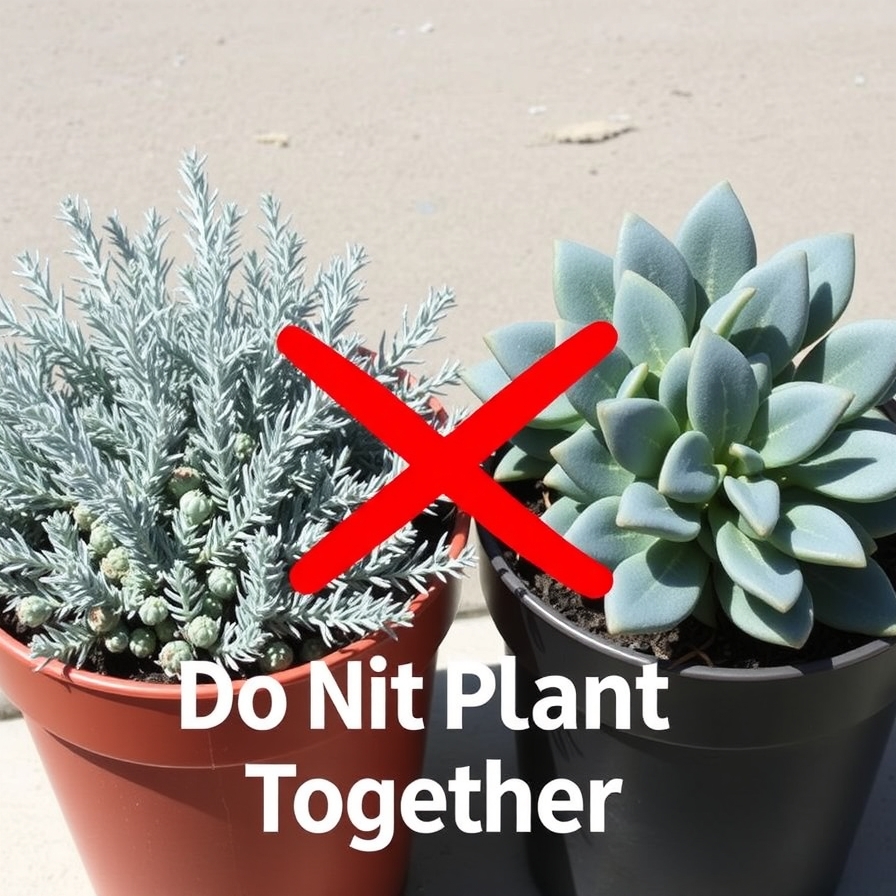
Wormwood harms sage with its strong chemicals, preventing good growth. Both are woody, but wormwood dominates. I skip wormwood in my herb bed.
Why Avoid: Allelopathic effects from wormwood. Growing Conditions: Wormwood alone, sage with thyme. Tip from Ashley: Sage with native ornamental grasses for texture, like in my post at USA Garden Hub. Fun Fact: Wormwood flavors absinthe drink.
Why Know About Herbs You Should Never Plant Together
Understanding 10 herbs you should never plant together helps your garden thrive without fights over sun or soil. It saves time and boosts yields. These tips fit USA climates, from dry West to humid South. Pair with easy plants like succulents using succulent propagation from stem for variety.
Quick Tips for Herb Companion Planting
- Group herbs with same needs, like dry lovers together.
- Use pots for invaders like mint.
- Rotate spots each year to avoid pests.
- Add mulch for moisture control.
- Try good pairs, like basil with oregano.
- For air clean indoors, check my NASA recommended plants.
Wrapping Up
Avoiding these 10 herbs you should never plant together keeps your garden healthy and fun. From my 10 years digging, smart planting makes all the difference. Try these ideas and share your stories on USA Garden Hub. Happy gardening.