Honeyberry : The Sweet Secret of Cold Climate Gardening
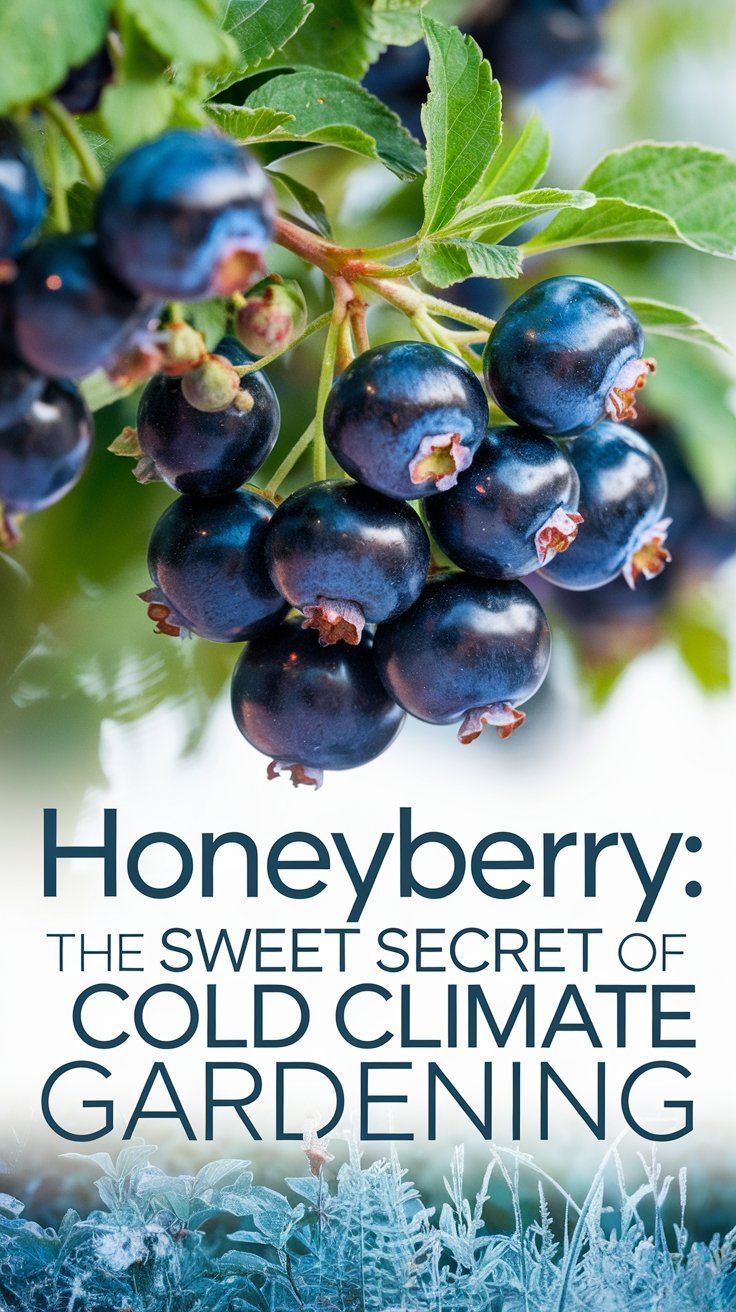
Post Views: 216 Discover the delicious world of Honeyberries (Honeyberry) ! Learn how to grow, harvest, and enjoy these hardy, nutritious berries. Perfect for cold climates and small gardens. Honeyberry, also known as haskap or blue honeysuckle, are a delightful and hardy fruit that’s gaining popularity among gardeners and health enthusiasts alike. These elongated blue berries offer a unique flavor profile and impressive cold tolerance, making them an excellent choice for gardeners in northern climates. In this comprehensive guide, we’ll explore everything you need to know about growing, harvesting, and enjoying honeyberries. As a horticulturist specializing in cold-hardy fruits for over two decades, I’m excited to share my expertise on this remarkable berry. Let’s dive into the world of honeyberries and discover why they’re becoming a favorite in gardens across North America and Europe! What Are Honeyberry? Honeyberries (Lonicera caerulea) are edible fruits from a species of honeysuckle native to northern boreal forests in Asia, Europe, and North America. Here’s why they’re capturing gardeners’ attention: Growing Honeyberry: A Step-by-Step Guide 1. Choosing the Right Location Why It’s Important: Proper location ensures optimal growth and fruit production. How to Do It: 2024 Trend: Urban food forests are incorporating honeyberries as understory plants. Pro Tip: In warmer climates, provide afternoon shade to prevent heat stress. 2. Planting Honeyberries Why It’s Important: Proper planting sets the foundation for healthy, productive plants. How to Do It: 2024 Update: New compact varieties are being developed for container gardening. Pro Tip: Add compost or well-rotted manure to the planting hole to improve soil structure. 3. Watering and Mulching Why It’s Important: Consistent moisture and weed suppression promote healthy growth. How to Do It: 2024 Innovation: Smart irrigation systems with soil moisture sensors are optimizing water use in berry gardens. Pro Tip: Use a drip irrigation system for efficient water delivery. 4. Fertilizing Honeyberries Why It’s Important: Proper nutrition ensures vigorous growth and abundant fruit. How to Do It: 2024 Research: Studies are exploring the benefits of mycorrhizal fungi inoculations for honeyberry nutrition. Pro Tip: Avoid over-fertilizing, which can lead to excessive vegetative growth at the expense of fruit production. 5. Pruning and Training Why It’s Important: Proper pruning improves air circulation and facilitates harvesting. How to Do It: 2024 Trend: Espalier techniques are being adapted for honeyberries in small gardens. Pro Tip: Maintain an open center to allow sunlight penetration throughout the bush. 6. Pest and Disease Management Why It’s Important: While generally resistant, monitoring ensures plant health. How to Do It: 2024 Update: New research is exploring companion planting strategies to deter pests in honeyberry orchards. Pro Tip: Encourage beneficial insects by planting flowers nearby. 7. Harvesting Honeyberries Why It’s Important: Proper harvesting ensures the best flavor and longest shelf life. How to Do It: 2024 Innovation: Soft robotic harvesters are being developed for commercial honeyberry farms. Pro Tip: Taste test berries from each variety, as ripening times may vary. Enjoying and Preserving Honeyberries Honeyberries are versatile in the kitchen. Here are some ways to enjoy your harvest: 2024 Culinary Trend: Chefs are incorporating honeyberries into savory dishes, pairing them with game meats and aged cheeses. Preservation Tip: Freeze berries on a tray before transferring to freezer bags for easy portioning. Health Benefits of Honeyberries Honeyberries aren’t just delicious; they’re also nutritional powerhouses: 2024 Research Focus: Studies are investigating the potential anti-inflammatory properties of honeyberry compounds. Best Honeyberry Varieties for 2024 2024 Breeding Goals: Developing varieties with extended harvest periods and improved shelf life. Embrace the Honeyberry Revolution Honeyberries offer a unique opportunity for gardeners to expand their fruit repertoire, especially in colder climates. With their easy care, early harvest, and delightful flavor, they’re poised to become a staple in home gardens and orchards. Remember, patience is key with honeyberries. While they start producing fruit within 2-3 years, they reach full production after 5-7 years. The wait is well worth it for these delicious and nutritious berries! For more information on growing unusual fruits and sustainable gardening practices, visit resources like the North American Fruit Explorers or your local agricultural extension office. Happy planting, and may your honeyberry harvests be bountiful! For more gardening tips and plant care guides, visit usagardenhub.com.
