Honeysuckle : The Sweet-Smelling Climber for Your Garden
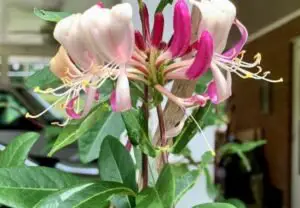
Post Views: 160 Discover the sweet world of Honeysuckle Flowers. Learn how to grow them, their benefits for wildlife and why they’re a great addition to your garden. A friendly guide for nature lovers and gardeners alike. Walking past a fence covered in flowers with a sweet smell might lead you to discover Honeysuckle. These climbing plants are loved for their pretty flowers and nice scent. Let’s explore Honeysuckle and how you can grow it in your own yard. Certainly! Here’s a chart with information about Honeysuckle flowers: Aspect Details Botanical Name Lonicera spp. Common Name Honeysuckle Plant Type Deciduous or evergreen vine/shrub Hardiness Zone Zones 4-9 (varies by species) Sun Exposure Full sun to part shade Soil Type Well-drained, adaptable to various soil types Watering Needs Moderate; regular watering, drought-tolerant once established Growth Habit Climbing, twining, or bushy Height/Spread Varies widely; 3-30 feet tall/spread (depending on species and growth habit) Special Features Fragrant flowers, attracts pollinators (especially hummingbirds and butterflies), some species have edible berries, can be invasive in certain areas What is Honeysuckle? Honeysuckle is a type of vine or shrub that climbs up things. It has small, tube-shaped flowers that smell very sweet. There are many kinds of Honeysuckle, some that grow wild in the USA and some that people plant in gardens. What Does Honeysuckle Look Like? To learn more about plant identification, visit the USDA Plants Database. Types of Honeysuckle There are two main types of Honeysuckle in the USA: It’s important to choose the right type for your area. The U.S. Forest Service can help you learn which plants are best for your region. Growing Honeysuckle in Your Garden To grow Honeysuckle at home, keep these points in mind: For more gardening tips, check out the National Gardening Association. Caring for Honeysuckle To keep your Honeysuckle healthy: Benefits of Honeysuckle Honeysuckle isn’t just pretty. It’s also good for your garden: For information on using plants safely, visit the FDA’s website. Honeysuckle and Wildlife Honeysuckle is great for attracting wildlife to your garden. The flowers provide nectar for butterflies and hummingbirds. Some birds use the dense vines for nesting. By planting native Honeysuckle, you’re helping local animals thrive. To learn more about gardening for wildlife, visit the National Wildlife Federation. Honeysuckle in History and Culture People have enjoyed Honeysuckle for a long time. In some cultures, it’s a symbol of love and happiness. In the language of flowers, Honeysuckle often means “devoted affection.” To explore more about the cultural significance of plants, visit the Smithsonian Gardens. Honeysuckle can be a sweet addition to any garden. With its pretty flowers, nice smell and benefits for wildlife, it’s no wonder so many people love this climbing plant. Whether you’re covering a fence, attracting butterflies, or just enjoying the scent on a summer evening, Honeysuckle has a lot to offer. Remember, the best garden is one that makes you happy. If you decide to grow Honeysuckle, choose a type that’s right for your area and enjoy watching it grow. Happy gardening! For more gardening tips and plant care guides, visit usagardenhub.com.
