Honeywort : Growing Nature’s Blue-Purple Beauty in Your Garden
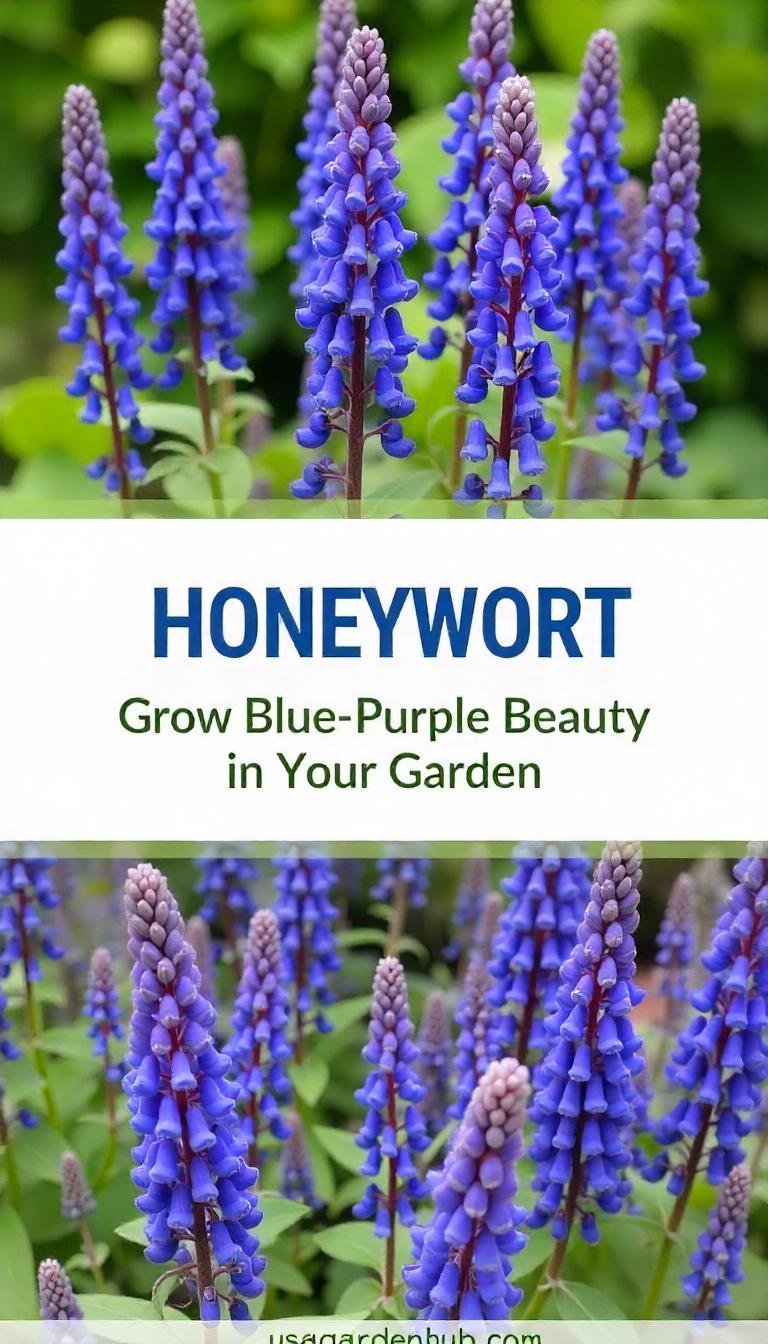
Post Views: 180 Discover the enchanting world of Honeywort in 2024. Learn expert tips on growing and caring for this stunning blue-purple flowering plant in your garden. Honeywort (Cerinthe major ‘Purpurascens’), also known as blue shrimp plant or wax flower, is a captivating annual or short-lived perennial known for its unique blue-purple bracts and nodding flowers. This Mediterranean native has gained popularity among gardeners in 2024 for its drought tolerance, bee-friendly blooms, and striking architectural presence. Its distinctive coloring and easy-care nature make it an excellent choice for both novice gardeners and experienced horticulturists. Hello, I’m Ashley Scott, a horticulturist with over 15 years of experience in ornamental plant cultivation and landscape design. Today, I’m excited to share my knowledge about Honeywort, a fascinating plant that has been capturing the attention of gardeners worldwide for its unique beauty and pollinator-friendly characteristics. Here’s a detailed chart for Honeywort (Cerinthe major), a beautiful and easy-to-grow flowering plant: Category Information Botanical Name Cerinthe major Common Name Honeywort, Blue Shrimp Plant Plant Type Annual or Biennial (depending on climate) Hardiness Zone USDA Zones 7–10 Sun Exposure Full sun to partial shade Soil Type Well-draining, light, sandy soil Watering Moderate; drought-tolerant once established Growth Habit Upright, bushy Height/Spread 1–2 feet tall, 1–2 feet wide Special Features Attractive blue-green leaves, tubular purple or blue flowers, attracts bees and pollinators, low maintenance Understanding Honeywort According to the Royal Horticultural Society, Honeywort’s key characteristics include: Notable Features Benefits Growing Honeywort The Missouri Botanical Garden provides excellent guidance for optimal growing conditions. Climate and Hardiness Optimal Growing Conditions Planting and Care According to Cornell University Extension, successful cultivation requires: Planting Tips Maintenance Design Applications The National Garden Bureau suggests various ways to use Honeywort: Garden Settings Companion Plants Pair Honeywort with: Seasonal Interest Based on recommendations from Garden Design Magazine: Spring Summer Fall Propagation Methods From Seed Problem Solving The University of California IPM provides guidance on common issues: Common Issues Special Uses Cut Flowers Dried Flowers Conservation Value According to the Xerces Society: Wildlife Benefits Honeywort offers a unique combination of beauty, ease of care, and ecological benefits that make it an excellent choice for modern gardens. Whether you’re looking to attract pollinators, add unusual color to your garden, or create stunning cut flower arrangements, this versatile plant delivers with minimal maintenance requirements. For more gardening tips and plant care guides, visit usagardenhub.com
