
Fight Colorado potato beetles with Ashley Scott’s organic tips: hand-pick, use row covers, neem oil, and more to save your potato crop!
Hey garden friends! I’m Ashley Scott, and after ten years of fighting pests in my California backyard, I know Colorado potato beetles can ruin your potato plants. Those yellow-and-black striped adults and orange larvae chew leaves fast, cutting your harvest. I’ve been there; one year, they nearly wiped out my crop. Here are my proven, organic ways to get rid of Colorado potato beetles, perfect for US gardeners in zones 3-10. These tips focus on prevention, hands-on control, and safe sprays, with lessons from my own plot. Let’s protect your spuds!
Why Colorado Potato Beetles Cause Trouble
These pests attack potatoes, tomatoes, eggplants, and peppers. Adults overwinter in soil, emerge in spring, and lay orange egg clusters under leaves. Larvae hatch in 4-7 days, devour foliage, then pupate into adults, cycling 1-2 times per season. Potatoes tolerate 30% leaf loss before flowering but only 10% during tuber growth. I ignored early eggs once, and my yield tanked. Start early! For prevention basics, see our potato growing guide.
1. Scout and Hand-Pick Daily
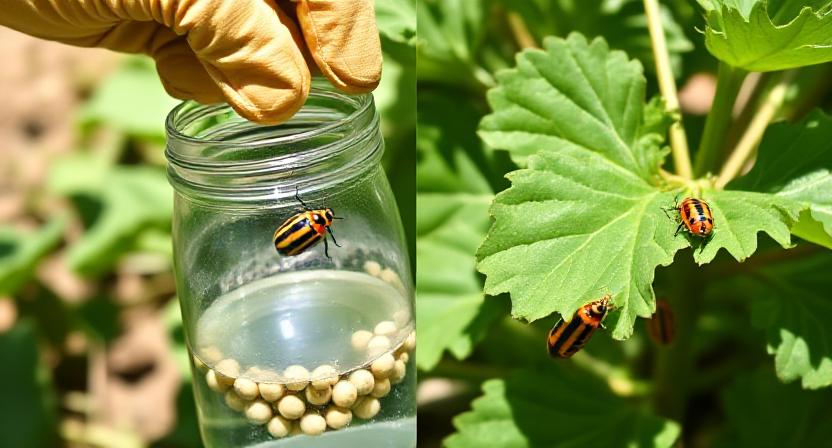
Spotting beetles early stops infestations. Adults have 10 black stripes on yellow backs; larvae are reddish-orange with black spots.
- Check plants daily when potatoes sprout.
- Look under leaves for orange egg clusters (20-30 eggs); crush or scrape them off.
- Drop adults and larvae into a jar of soapy water or rubbing alcohol.
I made hand-picking a morning habit with coffee; it saved my tomatoes last year. Wear gloves if larvae gross you out!
2. Use Row Covers for Protection

Row covers block beetles before they reach plants.
- Cover young plants with lightweight fabric over hoops at planting.
- Secure edges with soil or rocks to keep adults out.
- Open covers for pollination or on hot days to avoid moisture buildup.
I use covers with crop rotation; it cut my beetle issues by half. Check our pest prevention tips for setup ideas.
Resource: Bonnie Plants shows easy row cover frames.
3. Rotate Crops and Use Trap Crops

Moving crops disrupts beetle life cycles.
- Plant potatoes, tomatoes, or peppers in new spots yearly; aim for 3-year gaps.
- Grow early potatoes as “trap crops” to lure beetles, then remove them.
- Till soil in fall to expose overwintering adults to birds or frost.
Rotation slashed my infestations; our crop rotation chart helps plan it.
4. Mulch to Block Beetles

Thick mulch stops beetles from crawling up.
- Spread 4-6 inches of straw or shredded leaves around plants after hilling.
- Add more as it settles to keep the barrier strong.
- Skip wood chips; they attract slugs.
Straw mulch worked wonders in my raised beds, doubling as weed control. See our mulching guide.
5. Spray Organic Solutions
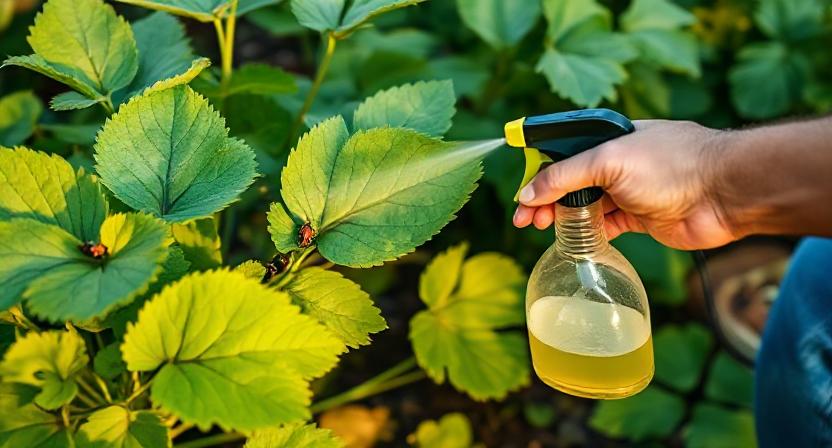
Safe sprays target beetles at all stages.
- Neem Oil: Mix 1-2 tsp per quart of water; spray leaf undersides weekly to stop feeding and eggs.
- Bt (Bacillus thuringiensis var. tenebrionis): Spray on young larvae; reapply after rain.
- Diatomaceous Earth: Dust dry leaves to dehydrate beetles.
I use neem on my eggplants; spray at dusk to protect bees.
Resource: Old Farmer’s Almanac lists organic spray recipes.
6. Attract Natural Predators
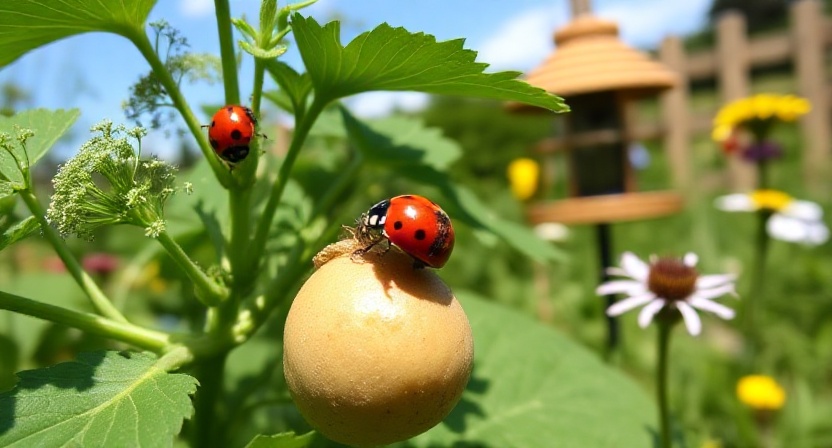
Good bugs and birds eat beetles for you.
- Plant dill or yarrow to draw ladybugs and parasitic wasps.
- Use only targeted sprays to spare beneficial insects.
- Set up bird feeders or baths; chickens love larvae.
Marigolds brought ladybugs to my plot; free pest control!
7. Chemicals as a Last Resort
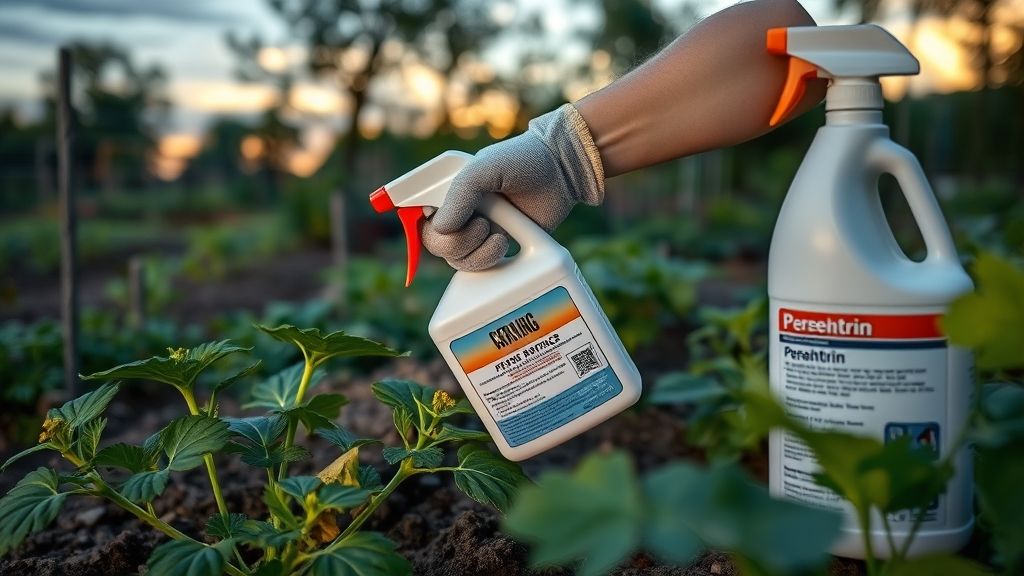
If organic methods fail, use chemicals carefully to avoid resistance.
- Try pyrethroids like permethrin or spinosad (organic-approved).
- Spray at dusk, following label instructions exactly.
- Switch chemicals yearly to prevent resistance.
I’ve rarely needed chemicals; organic methods usually do the trick. Our organic pest control has safer options.
Resource: UMN Extension explains resistance risks.
Mistakes to Avoid
I’ve made these slip-ups; don’t you:
- Waiting too long. Eggs hatch in 4-7 days; check weekly.
- Using one method only. Combine tactics for best results.
- Overusing chemicals. Beetles resist Sevin fast.
Our common gardening mistakes has more to dodge.
Save Your Spuds from Colorado Potato Beetles
These organic tricks, from hand-picking to neem sprays, will keep Colorado potato beetles off your potato plants. Start early, mix methods, and watch your harvest thrive. Got a beetle-fighting tip? Share it in the comments; I’d love to hear. For more pest-fighting ideas, check our full gardening blog or sustainable pest management on USA Garden Hub. Happy gardening; keep those spuds safe!