
Learn how to grow and care for agretti (Salsola soda) in your garden. This guide covers planting, watering, harvesting, and how to use this unique salty green.
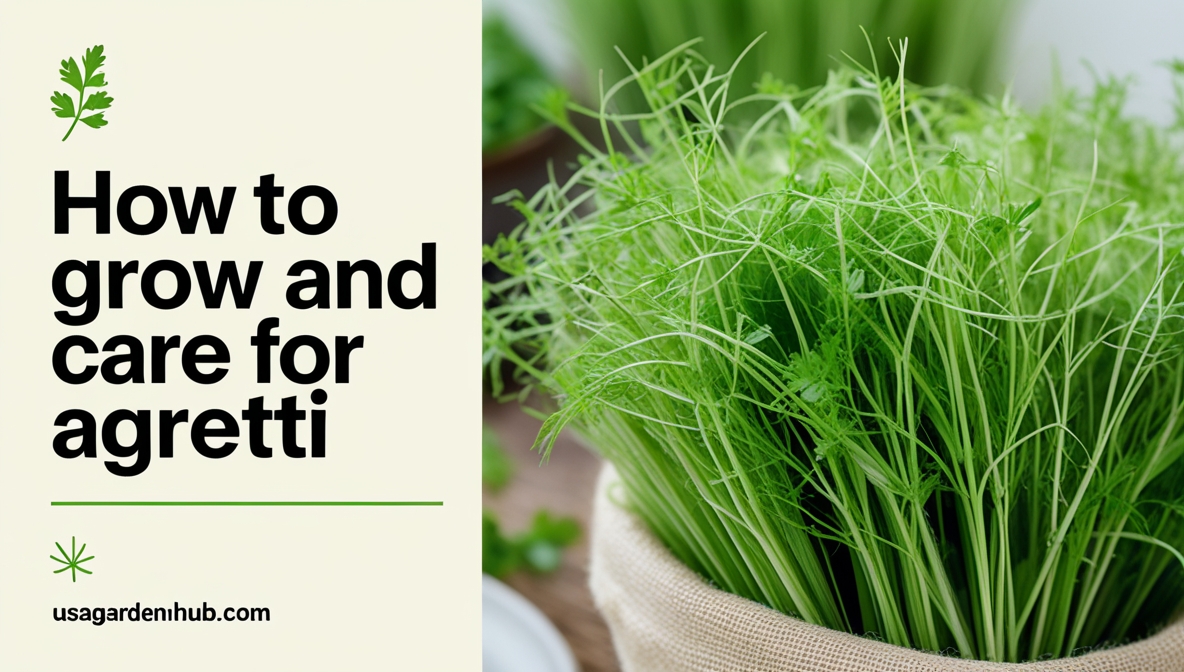
I first discovered agretti at a farmer’s market, drawn by its unusual appearance - like chives crossed with seaweed. The vendor described its tangy, salty flavor, and I was hooked. After struggling to find it in stores, I decided to grow my own. Now it’s a regular in my spring garden, and I want to show you how easy it can be.
Agretti, also known as Salsola soda or roscano, is an annual succulent plant prized for its crisp, salty-green blades. It’s a traditional Italian vegetable that’s gaining popularity for its unique flavor and texture.
Why Grow Agretti?
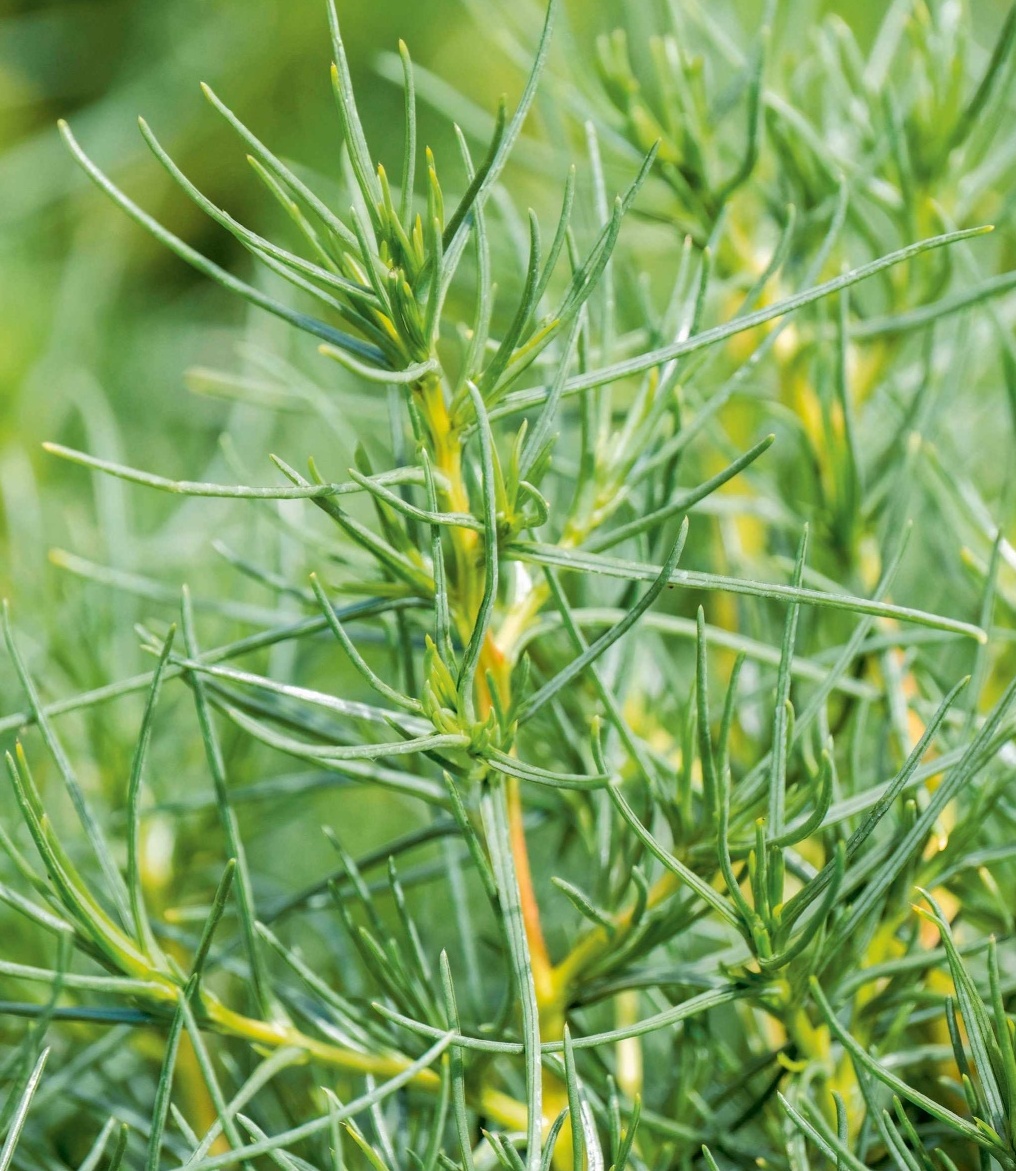
You should grow agretti for three main reasons. First, its tangy, spinach-like flavor with a salty kick is unlike any other green. Second, it’s incredibly fast-growing - you can harvest within 60 days of planting. Third, it’s surprisingly adaptable to different growing conditions, including container gardens.
How to Plant Agretti
Getting started with agretti requires attention to seed freshness and timing.
Starting from Seed
Agretti seeds have a very short viability period. You need fresh seeds, preferably from the current year.
- Timing: Sow seeds directly in early spring, as soon as soil can be worked. Agretti prefers cool weather and will bolt in summer heat.
- Soil: Plant in well-draining soil with a pH between 6.0 and 7.0. It tolerates poorer soils than many vegetables.
- Method: Sow seeds ¼ inch deep, spacing them about 1 inch apart. Thin seedlings to 6 inches apart once they’re a few inches tall.
Growing Conditions
Agretti thrives with these basic conditions:
- Sunlight: Full sun to partial shade
- Temperature: Cool conditions (60-75°F ideal)
- Space: Mature plants reach 12-18 inches tall and wide
Caring for Your Agretti Plants
Agretti is surprisingly low-maintenance once established.
Watering
Keep soil consistently moist but not waterlogged. Water at the base of plants to prevent fungal issues. The plants will tell you when they’re thirsty - their succulent leaves will lose firmness.
Fertilizing
Agretti doesn’t need heavy feeding. If your soil is poor, apply a balanced organic fertilizer at planting time. Too much nitrogen can lead to excessive leaf growth with less flavor.
Pest and Disease Management
Agretti has few pest problems, but watch for:
- Aphids - spray with water or use insecticidal soap
- Slugs - use organic slug control methods
- Fungal diseases - ensure good air circulation
Quick Care Reference
AspectRequirementGermination Time7-14 daysDays to Harvest50-60 daysSoil pH6.0-7.0Water NeedsConsistent moisturePlant Spacing6 inches apart
Harvesting and Using Agretti
When and How to Harvest
Begin harvesting when plants are 6-8 inches tall. You have two options:
- Cut individual stems from the outside of the plant
- Harvest the entire plant at once
For continuous harvest, use the cut-and-come-again method by trimming leaves 2 inches above the crown.
Storage and Preparation
Agretti is best used fresh but will keep in the refrigerator for 3-5 days. To use:
- Rinse thoroughly to remove grit
- Trim tough stem ends
- Use raw in salads
- Sauté lightly with garlic and oil
- Add to soups and stir-fries
Common Problems and Solutions
Even with good care, you might encounter these issues:
- Poor Germination: Always use fresh seeds. Soak seeds for 24 hours before planting to improve germination rates.
- Bolting: Plants flower and set seed in hot weather. Harvest early and plant in cool seasons.
- Yellowing Leaves: Usually indicates overwatering. Check soil drainage and reduce watering frequency.
Final Tips for Success
The keys to growing great agretti are simple: use fresh seeds, plant in cool weather, and keep soil consistently moist. Don’t be discouraged if germination is tricky the first time - this plant is worth the effort.
For more information on soil preparation, check out our guide to vegetable gardening basics. If you’re growing in small spaces, see our container gardening guide for tips.
Have you tried growing agretti before? What’s your favorite way to use it in the kitchen? Share your experiences in the comments below