
Learn how to grow Mexican Hat Flower, a drought-tolerant native perennial. This guide covers planting, care, and benefits of this unique prairie coneflower for your garden.
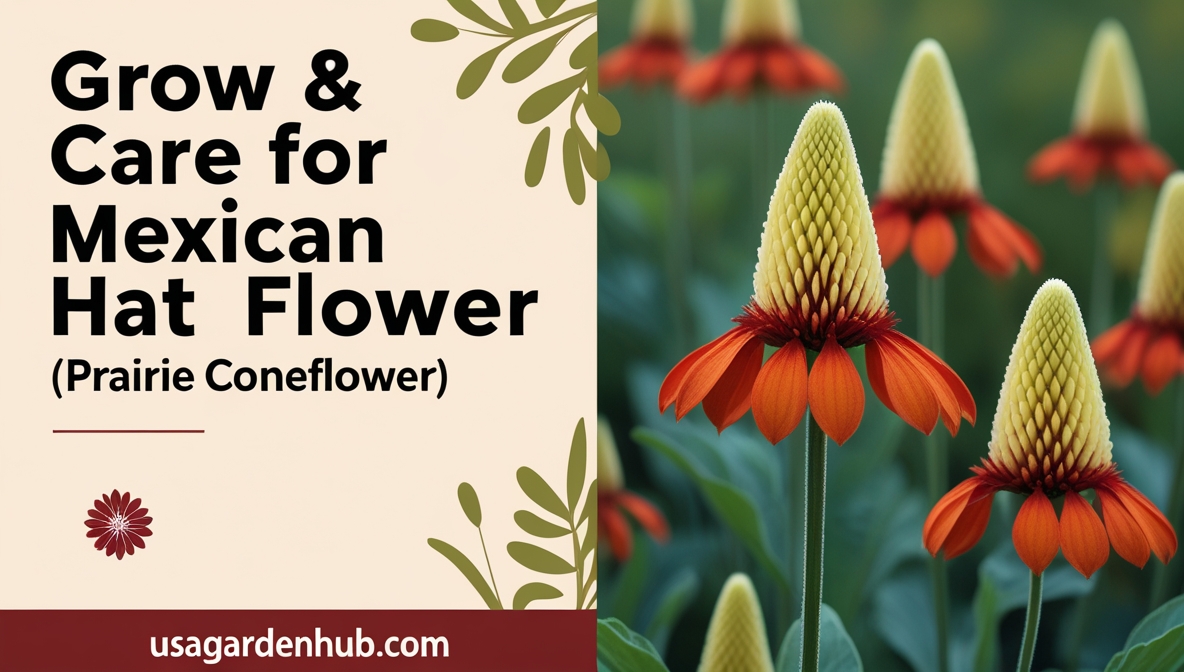
I first discovered Mexican Hat Flower growing along a roadside during a summer road trip. Its unusual, hat-shaped blooms stood tall among the grasses, and I knew I had to bring this resilient beauty to my own garden. Now, after several seasons of growing it, I can confirm it’s one of the easiest and most reliable native plants you can add.
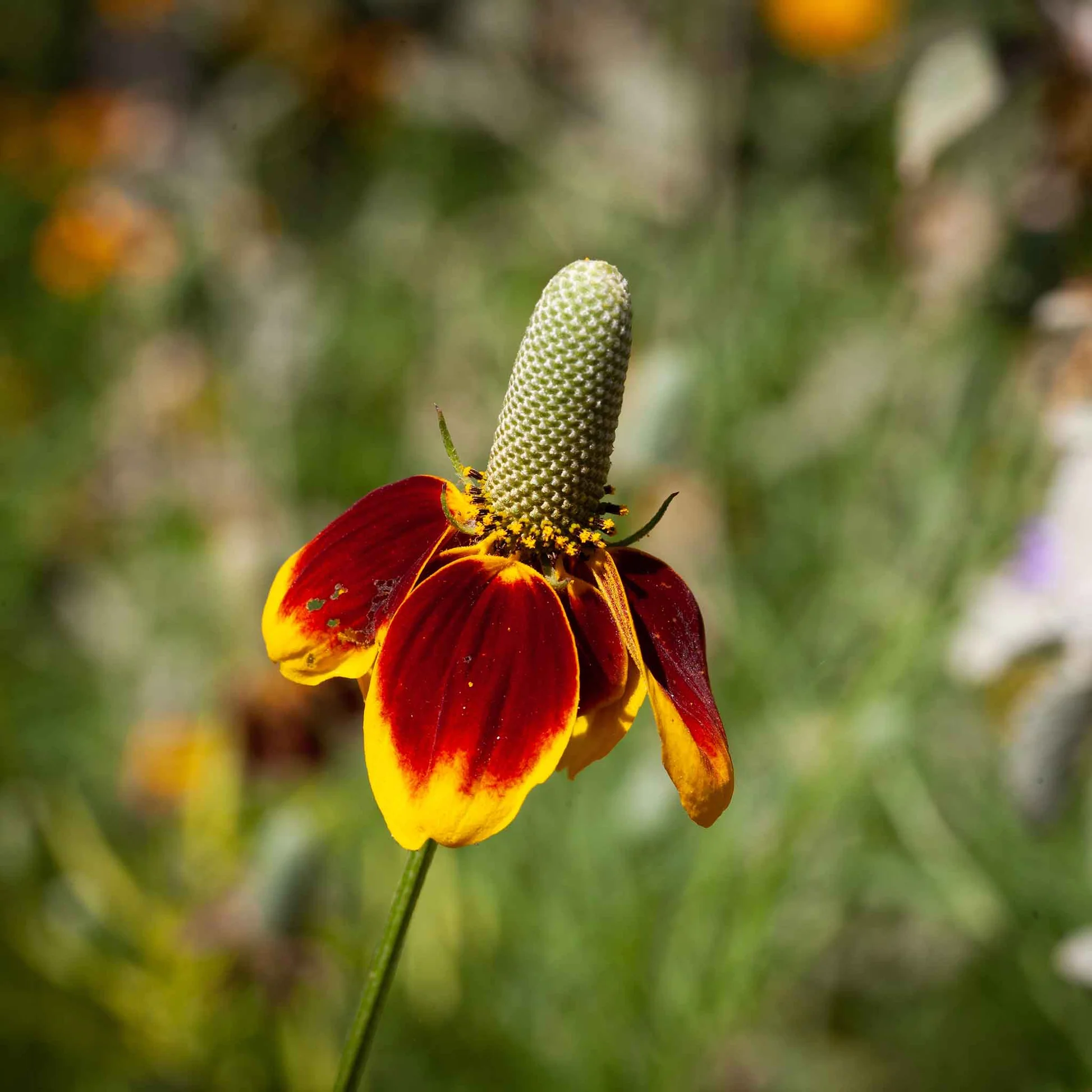
Mexican Hat Flower, botanically known as Ratibida columnifera, is a perennial wildflower native to the prairies of North America. It’s also called Prairie Coneflower or Upright Prairie Coneflower. It’s famous for its distinctive, long-blooming flowers that feature a tall, central cone surrounded by drooping petals, resembling a sombrero.
Why Grow Mexican Hat Flower?
You should grow this plant for three main reasons. First, it’s incredibly drought-tolerant and low-maintenance, perfect for busy gardeners or those in dry climates. Second, its unique, long-lasting blooms add visual interest and texture to any flower bed or wildflower meadow. Third, it’s a powerhouse for pollinators, constantly visited by bees, butterflies, and other beneficial insects, making it an excellent choice for a pollinator garden.
How to Plant Mexican Hat Flower
Getting started with this prairie native is straightforward. You have two reliable options.
Starting from Seed
This is the most common and effective method. I always start my plants from seed.
- Timing: Sow seeds directly in your garden in the fall or early spring. Fall planting allows the seeds to undergo natural cold stratification over winter, which breaks their dormancy and leads to better germination.
- Location: Choose a spot with full sun. This plant thrives with at least 6 to 8 hours of direct sunlight daily.
- Soil: Well-draining soil is essential. It excels in poor, rocky, or sandy soils and is adaptable to both acidic and alkaline pH levels.
- Method: Scatter seeds on the soil surface and press them in gently. They need light to germinate, so do not bury them deeply. Keep the area lightly moist until seedlings are established.
Transplanting Seedlings
If you purchase young plants from a nursery, you can transplant them.
- Dig a hole slightly wider than the root ball.
- Place the plant in the hole, ensuring it sits at the same level it was in its container.
- Backfill with soil, water thoroughly, and continue to water regularly until you see new growth.
Caring for Your Mexican Hat Plants
Once established, Mexican Hat Flower is remarkably self-sufficient. Here’s how to care for these easy-growing perennials.
- Watering: Water young plants regularly to help them develop deep roots. Once mature, the plant is highly drought-tolerant. You only need to water it during extended periods of severe drought.
- Fertilizing: Avoid fertilizer. This native wildflower prefers lean soil and too many nutrients can cause it to become leggy and flop over.
- Deadheading: You do not need to deadhead for the plant to continue blooming. However, removing some spent flowers can help control prolific self-seeding. Leaving some seed heads provides food for birds like goldfinches.
- Pests and Diseases: This plant is largely trouble-free. Good air circulation and well-draining soil prevent most potential issues like powdery mildew.
A Quick Care Reference
Care AspectRequirementLightFull sun (at least 6-8 hours daily).WateringLow water needs once established; highly drought-tolerant.SoilWell-draining, adaptable to poor, sandy, or rocky soils.FertilizingNot needed; thrives in poor soil.Growth HabitUpright perennial, 1-3 feet tall.
Solving Common Problems
Even tough plants can have occasional issues. Here’s how to handle them.
- Leggy Growth or Flopping: This is usually caused by soil that is too rich or not enough sun. The best solution is to plant it in a sunnier location with poorer soil. You can also plant it close to other sturdy perennials that will provide subtle support.
- Overly Aggressive Spreading: Mexican Hat Flower can self-seed readily. If you want to control its spread, deadhead most of the spent flowers before they go to seed.
- Poor Flowering: This is almost always due to insufficient sunlight. Make sure your plant is located in a full sun environment for the best bloom production.
Benefits for Wildlife and Garden Design
The Mexican Hat plant is a fantastic addition to a wildflower garden. Its nectar-rich flowers are a vital food source for native bees, honeybees, and butterflies throughout the summer. The seed-rich cones that remain after flowering provide a valuable food source for seed-eating birds in the fall and winter.
For more reliable, drought-tolerant landscaping ideas, you can explore our guide on xeriscaping. The Lady Bird Johnson Wildflower Center also provides excellent ecological information on this native plant.
Final Tips for Success
For the best results with Mexican Hat Flower, remember these three things. Give it full sun. Plant it in well-draining soil. Resist the urge to water and fertilize it too much. This is a plant that truly thrives on neglect and is perfect for low-maintenance landscaping.
Its unique form, resilience, and wildlife value make the Mexican Hat Flower a standout choice for any gardener looking to add a piece of the prairie to their landscape. Have you grown this unique coneflower? Share your experience in the comments below!