
Discover 8 easy methods to make your pothos plant fuller and bushier. Learn pruning, propagation, and care tips for a lush, vibrant pothos in your home.

I’ve grown pothos plants for over ten years, and I can tell you that nothing beats the look of a full, bushy plant. When I started, my first pothos was long and leggy with just a few leaves. I learned through trial and error that getting that dense, jungle-like appearance requires a specific approach.
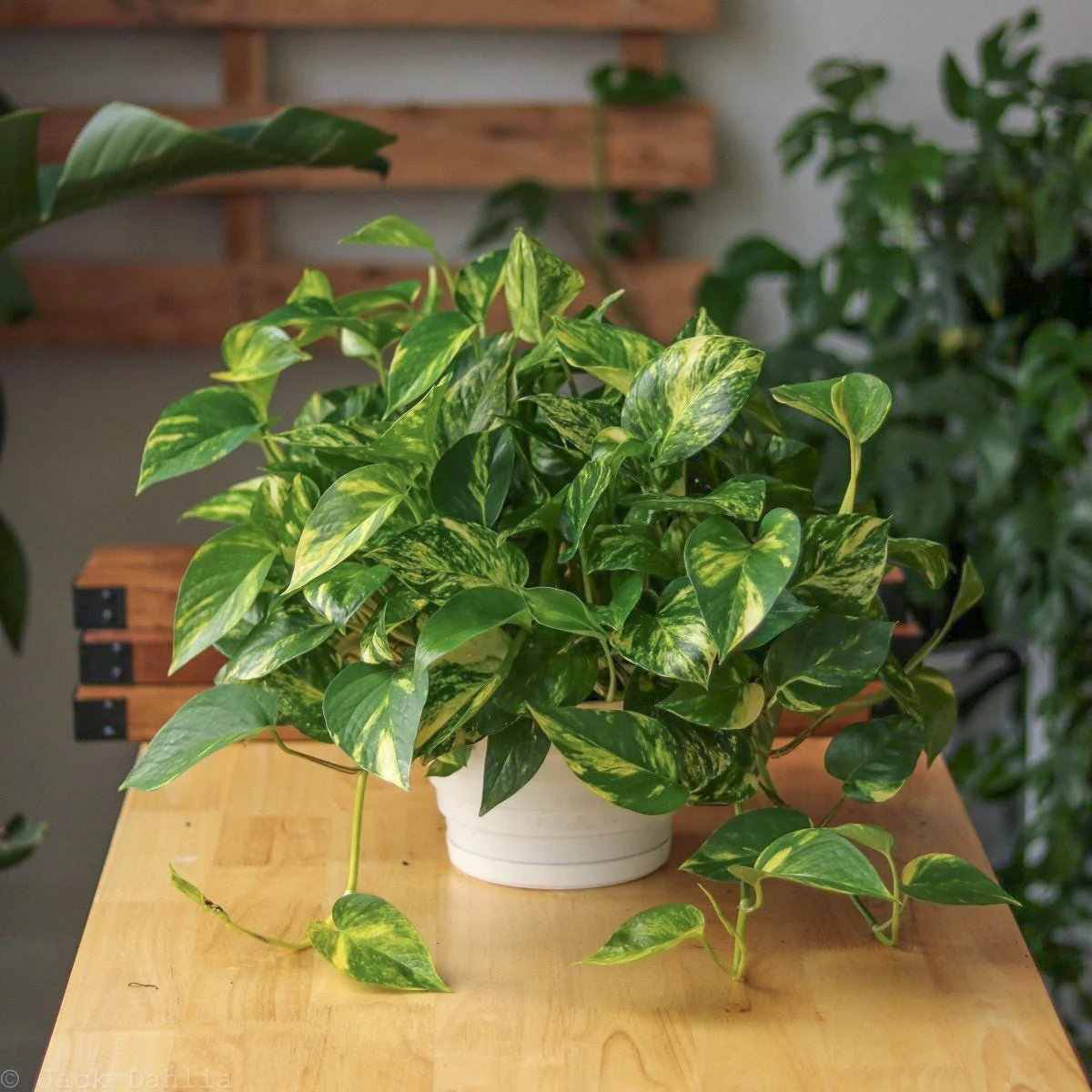
A pothos becomes leggy when it focuses its energy on growing long vines instead of producing new leaves along the stems. The good news is that you can easily correct this. Here are eight methods I use to make my pothos plants fuller.
1. Prune Your Plant Regularly
Regular pruning is the most effective way to encourage a bushier pothos. When you trim the long vines, the plant redirects its energy to growing new leaves at the base and from the nodes you leave behind.
How to do it: Use clean, sharp scissors. Cut about a quarter-inch above a leaf node. A node is that little bump on the stem where a leaf grows. New growth will sprout from this point. You should do this every few weeks during the growing season.
2. Propagate Stem Cuttings in Water
You can create new plants from your cuttings and then add them back into the mother pot. This is the fastest way to get a denser-looking plant.
How to do it: When you prune, take cuttings that have at least three to four leaves and several nodes. Place the cut end in a glass of water, ensuring the nodes are submerged but the leaves are not. Roots will develop in one to three weeks. Once the roots are an inch or two long, you can plant them back into the original pot.
3. Provide the Right Light
Pothos plants are often labeled as low-light plants, but they need bright, indirect light to grow full. In too little light, they become leggy as they stretch to find a light source.
How to do it: Place your pothos near an east or north-facing window. If you only have a south or west window, position it a few feet back to avoid direct sun, which can scorch the leaves. The right light encourages tighter growth with more leaves.
4. Fertilize During the Growing Season
While pothos aren’t heavy feeders, they need nutrients to support new, bushy growth. A lack of food can result in slow growth and sparse leaves.
How to do it: From early spring to early fall, feed your plant with a balanced, water-soluble houseplant fertilizer once a month. Dilute it to half the strength recommended on the package. You do not need to fertilize in the winter when the plant’s growth slows down. For more on plant nutrition, see our guide on Fertilizing Pothos Plants.
5. Ensure Proper Watering Habits
Both overwatering and underwatering can stress your pothos, leading to yellow leaves, root rot, and poor growth. A consistently stressed plant cannot put energy into becoming fuller.
How to do it: Water your pothos only when the top one to two inches of soil feel dry to the touch. Then, water thoroughly until it runs out of the drainage hole. Always empty the saucer afterward to prevent soggy soil.
6. Rotate the Pot
Plants grow toward their light source. If you never rotate your pothos, one side will become dense and lush while the other side remains thin and bare.
How to do it: Every time you water your plant, give the pot a quarter turn. This ensures all sides of the plant receive equal light, promoting even, full growth all around.
7. Pinch Back New Growth
A simple pinch can stimulate a plant to branch out. This is a gentle form of pruning that doesn’t involve cutting long vines.
How to do it: Locate the very tip of a vine, where new leaves are emerging. Using your fingernails, simply pinch or snap this tiny tip off. This signals the plant to grow new stems from lower nodes, creating a bushier appearance.
8. Plant Multiple Pothos Together
Sometimes the simplest solution is the most effective. Planting several small pothos plants together in one pot instantly creates the illusion of a full, lush plant.
How to do it: When repotting, take several smaller pothos plants from different nursery pots and plant them together in a single, larger container. Combine this method with the others listed above to maintain the fullness. The University of Florida IFAS Extension offers a great scientific overview of pothos care.
Quick Guide to a Fuller Pothos
MethodKey ActionExpected ResultRegular PruningTrim long vines above a node.New growth at the base and from nodes.PropagationRoot cuttings in water and replant.Instant density in the pot.Adequate LightProvide bright, indirect light.Tighter growth, less legginess.Proper FertilizationUse diluted fertilizer monthly in spring/summer.Supports vigorous new leaf growth.
Final Tips for Success
The secret to a full pothos is combining these methods. Don’t just prune; propagate those cuttings and add them back. Ensure your plant has the light, water, and nutrients it needs to support that new growth. It’s a proactive process, but the result—a thriving, lush pothos—is worth the effort.
For more tips on managing vining plants, check out our article on indoor plant care. What’s your favorite method for making a pothos fuller? Share your experience in the comments