Japanese Blueberry Tree : The Ultimate Guide to Growing and Care
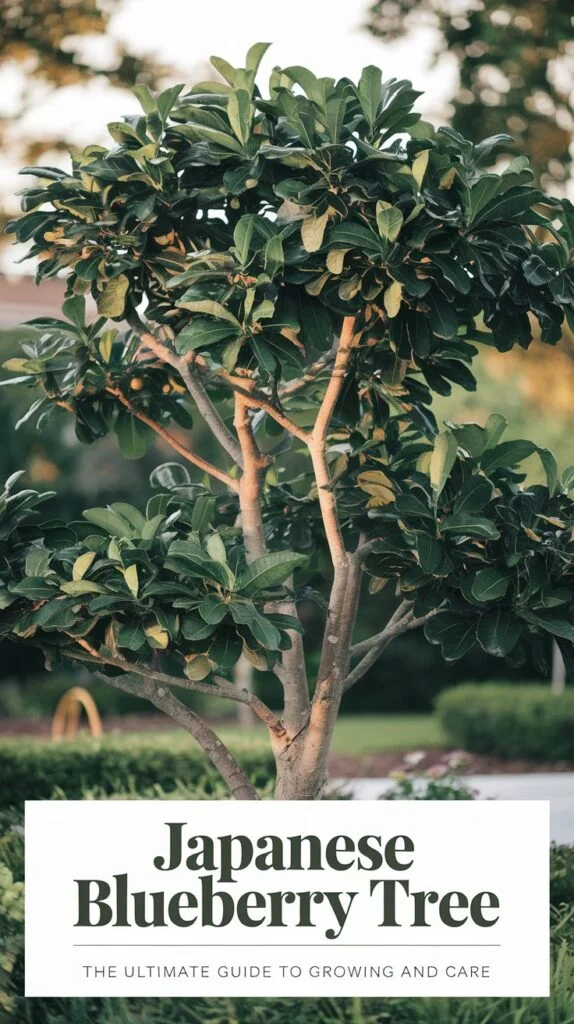
Post Views: 247 Discover the beauty of the Japanese Blueberry Tree in our comprehensive 2024 guide. Learn expert tips on planting, care, and landscaping uses for this stunning evergreen. Perfect for gardeners and landscapers seeking low-maintenance, year-round elegance. The Japanese Blueberry Tree (Elaeocarpus decipiens) is a stunning evergreen that has gained popularity in landscaping for its elegant form, glossy foliage, and low-maintenance nature. Despite its name, this tree is neither from Japan nor does it produce edible blueberries. However, its beauty and versatility make it a prized addition to many gardens and landscapes. In this comprehensive guide, we’ll explore everything you need to know about growing and caring for the Japanese Blueberry Tree in 2024. As a horticulturist with over two decades of experience in subtropical and tropical landscaping, I’m excited to share my insights on this remarkable tree. Let’s dive into the world of the Japanese Blueberry Tree and discover why it’s becoming a favorite among gardeners and landscape designers alike. Understanding the Japanese Blueberry Tree Origin and Characteristics Native Region: Southeast Asia, including southern China and Vietnam Scientific Name: Elaeocarpus decipiens Family: Elaeocarpaceae The Japanese Blueberry Tree is known for: 2024 Update: Recent genetic studies have identified several subspecies, leading to more diverse cultivar options for gardeners. Pro Tip: While called a “blueberry” tree, the fruits are not edible for humans but attract birds and wildlife. Growth and Size Height: Typically 20-40 feet (6-12 meters) Spread: 15-30 feet (4.5-9 meters) Growth Rate: Moderate, about 12-24 inches per year 2024 Trend: New dwarf varieties are being developed for smaller urban gardens and container planting. Landscaper’s Insight: The tree’s natural symmetry makes it an excellent choice for formal landscapes and as a focal point. How to Grow a Japanese Blueberry Tree Planting Guidelines Best Time to Plant: Spring or fall in most regions Steps: 2024 Innovation: New biodegradable planting pots are making transplanting easier and reducing root disturbance. Expert Tip: In areas with heavy clay soil, consider planting on a slight mound to improve drainage. Soil Requirements 2024 Research: Studies are showing improved growth with mycorrhizal fungi inoculations at planting time. Soil Scientist’s Advice: Conduct a soil test before planting to determine if any amendments are needed. Watering Needs 2024 Technology: Smart irrigation systems with soil moisture sensors are optimizing watering schedules for tree health. Water Conservation Tip: Apply a 2-3 inch layer of mulch to retain soil moisture and regulate temperature. Sunlight Requirements 2024 Trend: Increasing use as a shade tree in urban heat island mitigation projects. Landscape Designer’s Insight: Consider the tree’s eventual size when planting near structures to avoid future conflicts. Caring for Your Japanese Blueberry Tree Fertilization 2024 Update: New organic fertilizer blends specifically formulated for evergreen trees are showing promising results. Nutrient Management Tip: Avoid over-fertilizing, which can lead to excessive growth and potential nutrient runoff. Pruning and Maintenance 2024 Innovation: Precision pruning tools with built-in disinfection systems are reducing the spread of tree diseases. Arborist’s Advice: Maintain a central leader for structural integrity, especially in areas prone to storms. Pest and Disease Management Common issues: 2024 Research: New biocontrol methods using beneficial insects are showing promise in managing scale infestations. Integrated Pest Management (IPM) Approach: Landscaping Uses for Japanese Blueberry Trees 2024 Trend: Increasing use in food forests and wildlife gardens to support local ecosystems. Landscape Architect’s Vision: Pair with understory plantings of ferns or shade-loving perennials for a layered, naturalistic look. Environmental Benefits 2024 Focus: Growing recognition of the Japanese Blueberry Tree’s role in urban forest diversity and resilience. Eco-friendly Gardening Tip: Create a wildlife-friendly understory with native plants to enhance biodiversity. Embracing the Elegance of the Japanese Blueberry Tree The Japanese Blueberry Tree offers a perfect blend of beauty, functionality, and low maintenance for modern landscapes. Its adaptability to various climates and soil conditions makes it an excellent choice for gardeners and landscapers across many regions. As we look to create more sustainable and resilient landscapes in 2024 and beyond, trees like the Japanese Blueberry play a crucial role. By incorporating these elegant evergreens into our gardens and urban spaces, we not only enhance aesthetic appeal but also contribute to the environmental health of our communities. Remember, successful tree cultivation is about understanding and working with your specific environmental conditions. Don’t hesitate to consult with local horticultural experts or extension offices for advice tailored to your area. For more information on tree selection and care, visit resources like the International Society of Arboriculture or your local botanical garden. Happy planting, and may your Japanese Blueberry Tree thrive and bring joy for years to come! For more gardening tips and plant care guides, visit usagardenhub.com
