Kalanchoe daigremontiana: The Fascinating Mother of Thousands Succulent
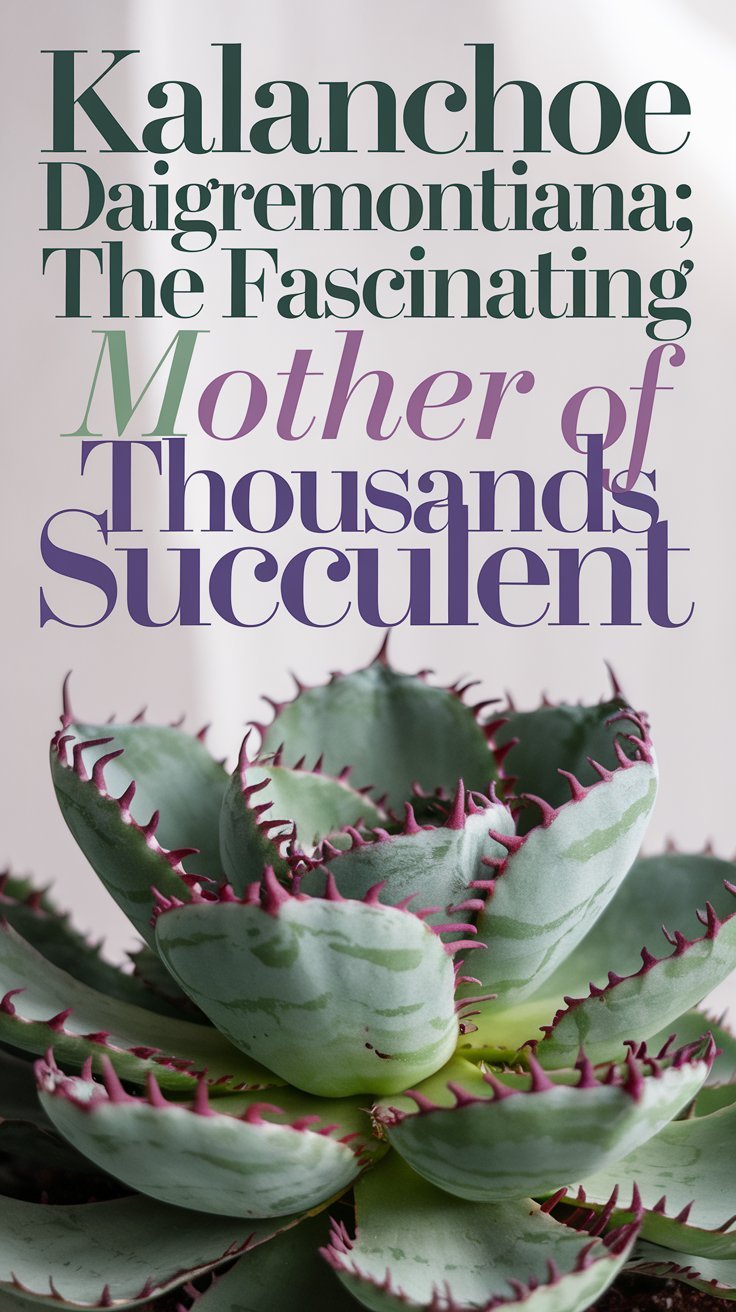
Post Views: 114 Discover the wonders of Kalanchoe daigremontiana (Mother of Thousands) in our 2024 care guide. Learn about its unique features, propagation methods, and how to cultivate this fascinating succulent. Perfect for plant enthusiasts and indoor gardeners! Kalanchoe daigremontiana, commonly known as Mother of Thousands, is a unique and intriguing succulent that has captured the hearts of plant enthusiasts worldwide. This remarkable plant, native to Madagascar, is famous for its ability to produce hundreds of tiny plantlets along the edges of its leaves, earning it its evocative common name. In this comprehensive guide, we’ll explore the characteristics, care requirements, and fascinating propagation methods of this extraordinary succulent. As a botanist specializing in succulent plants for over two decades, I’m excited to share my expertise on the captivating Kalanchoe daigremontiana. Let’s delve into the world of this prolific plant and uncover its secrets! What is Kalanchoe daigremontiana? Kalanchoe daigremontiana is a succulent plant belonging to the family Crassulaceae. It’s known by several common names: Key Characteristics: 2024 Update: Recent genetic studies have reclassified this plant as Bryophyllum daigremontianum, but it’s still commonly referred to by its former scientific name. Unique Features of Mother of Thousands 1. Plantlet Production The most fascinating feature of Kalanchoe daigremontiana is its ability to produce tiny plantlets (called bulbils) along the edges of its leaves. Why It’s Unique: This asexual reproduction method allows the plant to propagate efficiently without flowering. 2024 Research: New studies are exploring the genetic mechanisms behind this prolific plantlet production. Pro Tip: Place a tray under your plant to catch falling plantlets and prevent unwanted spread. 2. Leaf Structure The leaves of Mother of Thousands are large, boat-shaped, and arranged oppositely on the stem. Why It’s Unique: This leaf structure maximizes surface area for plantlet production and photosynthesis. 2024 Trend: Architectural plants like Kalanchoe daigremontiana are gaining popularity in minimalist interior design. Pro Tip: Rotate your plant regularly to ensure even growth and prevent leaning. Caring for Kalanchoe daigremontiana 1. Light Requirements Optimal Conditions: Bright, indirect light. Can tolerate some direct sunlight, especially in cooler climates. Why It’s Important: Proper light ensures healthy growth and vibrant leaf color. 2024 Innovation: New LED grow lights specifically designed for succulents are making indoor cultivation easier. Pro Tip: If leaves start to yellow, gradually increase light exposure. 2. Watering Needs Optimal Conditions: Allow soil to dry completely between waterings. Water less in winter. Why It’s Important: Proper watering prevents root rot, a common issue with succulents. 2024 Trend: Self-watering pots with moisture sensors are becoming popular for succulent care. Pro Tip: Use the “soak and dry” method: water thoroughly, then allow to dry out completely. 3. Soil and Fertilizer Optimal Conditions: Well-draining cactus or succulent mix. Fertilize sparingly during growing season. Why It’s Important: Proper soil prevents water retention and root issues. 2024 Update: New sustainable, coconut coir-based succulent mixes are gaining popularity. Pro Tip: Add perlite or pumice to regular potting soil to improve drainage. 4. Temperature and Humidity Optimal Conditions: Prefers warm temperatures (60-75°F / 15-24°C). Can tolerate brief periods of cold. Why It’s Important: Proper temperature range prevents stress and encourages growth. 2024 Research: Studies are exploring cold-hardy Kalanchoe varieties for outdoor cultivation in cooler climates. Pro Tip: Protect from drafts and cold windows in winter. Propagation Methods 1. Plantlet Propagation How to Do It: Why It’s Effective: This method is fast and produces genetically identical plants. 2024 Trend: Community plantlet exchange programs are becoming popular among succulent enthusiasts. Pro Tip: Use tweezers to handle tiny plantlets for better control. 2. Leaf Cutting How to Do It: Why It’s Effective: This method can produce multiple new plants from a single leaf. 2024 Innovation: New rooting hormones specifically formulated for succulents are improving propagation success rates. Pro Tip: Avoid overwatering newly propagated leaves to prevent rot. Potential Issues and Solutions 1. Overwatering Symptoms: Soft, yellowing leaves; stem rot. Solution: Reduce watering frequency; ensure proper drainage. 2. Pest Infestations Common Pests: Mealybugs, aphids. Solution: Isolate affected plants; treat with neem oil or insecticidal soap. 3. Etiolation (Stretching) Symptoms: Elongated stems; sparse leaf growth. Solution: Increase light exposure gradually. Ethical Considerations While Kalanchoe daigremontiana is a fascinating plant, it’s important to note: 2024 Update: Some regions are implementing stricter regulations on the cultivation and sale of potentially invasive succulents. Pro Tip: Always research local regulations before planting outdoors, and keep out of reach of pets and children. Embracing the Mother of Thousands Kalanchoe daigremontiana is a testament to the wonders of plant adaptation and evolution. Its unique propagation method and striking appearance make it a prized addition to any succulent collection. By understanding its needs and characteristics, you can successfully cultivate this fascinating plant and enjoy its prolific nature. Remember, responsible cultivation is key. Enjoy the Mother of Thousands’ unique qualities while being mindful of its potential to spread and its toxicity. For more information on succulent care and rare plant species, visit resources like the International Succulent Introductions program or the Cactus and Succulent Society of America. Happy growing, and may your Kalanchoe daigremontiana thrive and amaze! For more gardening tips and plant care guides, visit usagardenhub.com
