
Discover 10 beautiful kalanchoe varieties with vibrant blooms. Learn how to grow and care for these colorful succulents that brighten any indoor or outdoor space.
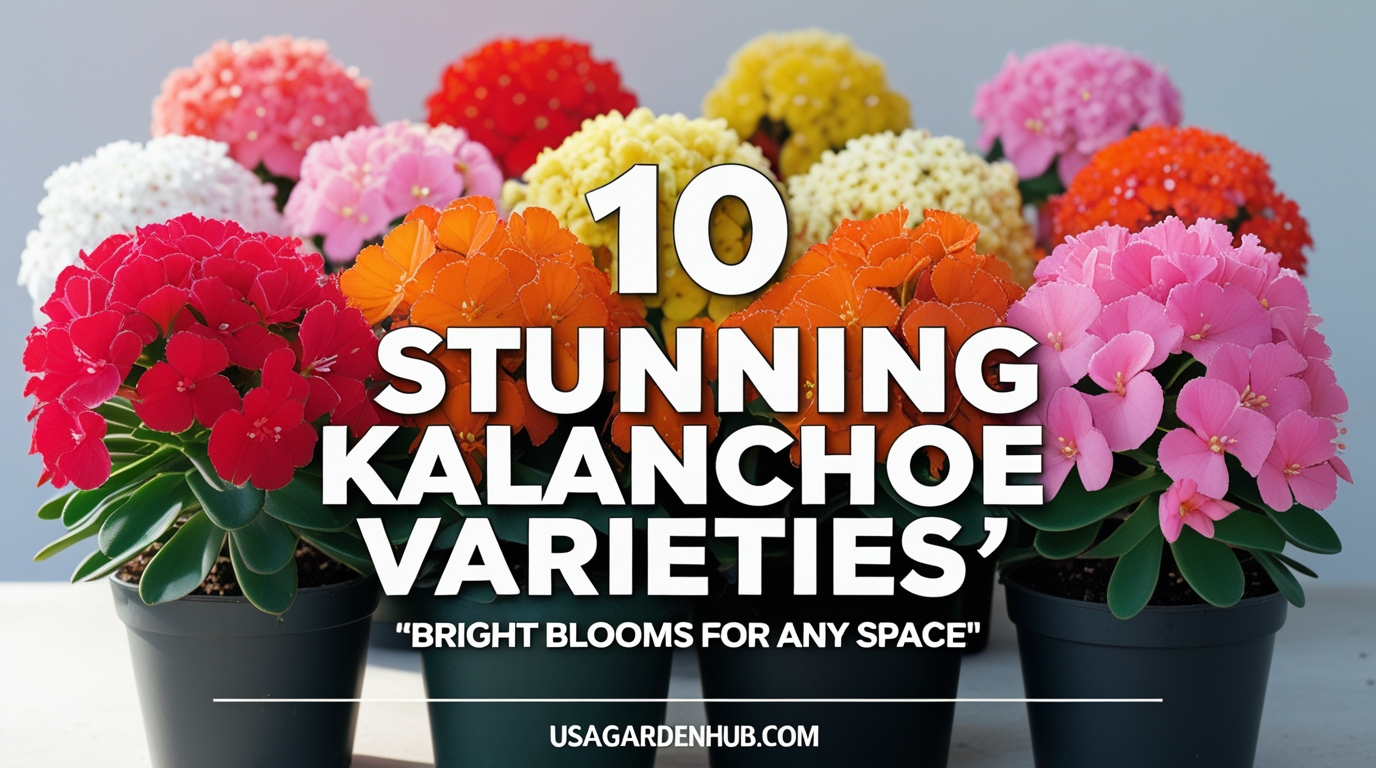
I’ve grown kalanchoes for years in my container garden, and they never fail to impress me with their vibrant colors and easy care. These succulent plants offer some of the most reliable blooms you can find, often flowering for weeks or even months at a time. What makes kalanchoes special is their ability to thrive with minimal attention while providing stunning color displays.
If you’re looking for plants that deliver bright blooms without demanding constant care, these ten kalanchoe varieties will transform your space with their cheerful presence.
1. Kalanchoe blossfeldiana (Flaming Katy)
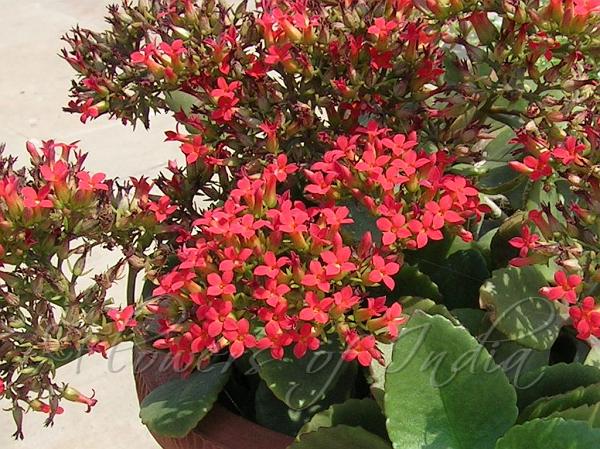
This is the classic kalanchoe you’ll find at most garden centers. Flaming Katy grows 8-12 inches tall and produces clusters of small, four-petaled flowers in red, pink, yellow, orange, or white. The blooms last for several weeks, and the glossy green leaves remain attractive year-round. It’s one of the most reliable blooming succulents for indoor containers or outdoor planting in Zones 10-12.
2. Kalanchoe manginii (Beach Bells)
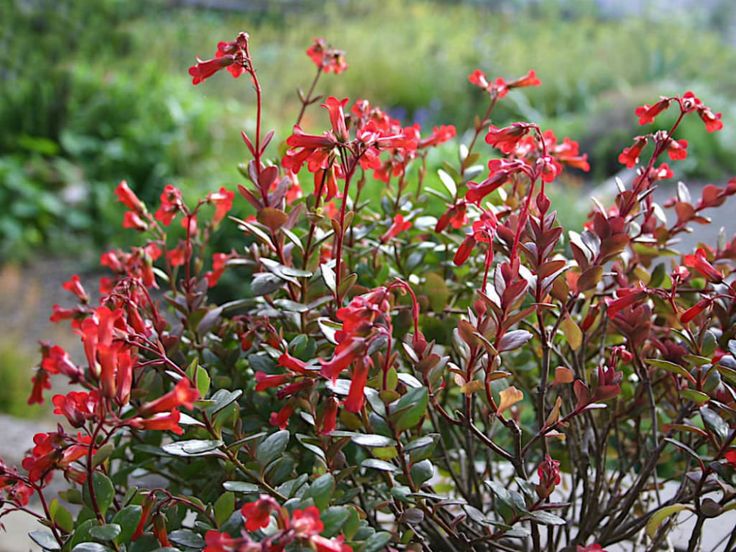
With its graceful, hanging stems and bell-shaped flowers, Beach Bells makes an excellent choice for hanging baskets. The red-orange flowers dangle like delicate lanterns above fleshy green leaves. This variety blooms in spring and grows about 12 inches tall. I’ve found it particularly attractive to hummingbirds when grown outdoors in warm months.
3. Kalanchoe fedtschenkoi (Lavender Scallops)
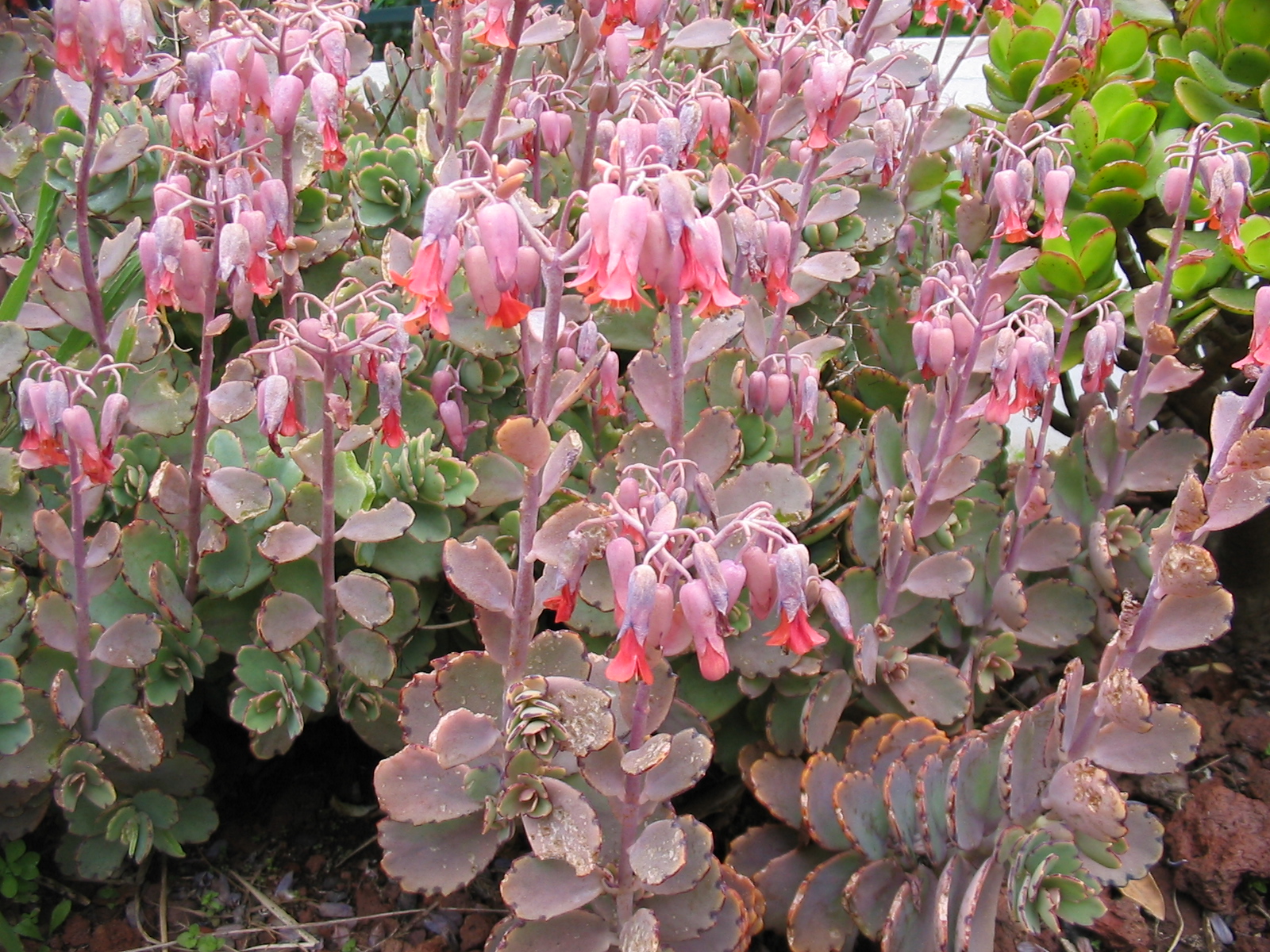
While grown primarily for its colorful foliage, this variety does produce small, bell-shaped flowers in shades of pinkish-brown. The real show comes from the blue-green leaves with lavender-pink edges that become more intense in bright light. It grows 12-18 inches tall and spreads readily, making it perfect for mixed succulent arrangements.
4. Kalanchoe pumila (Flower Dust Plant)
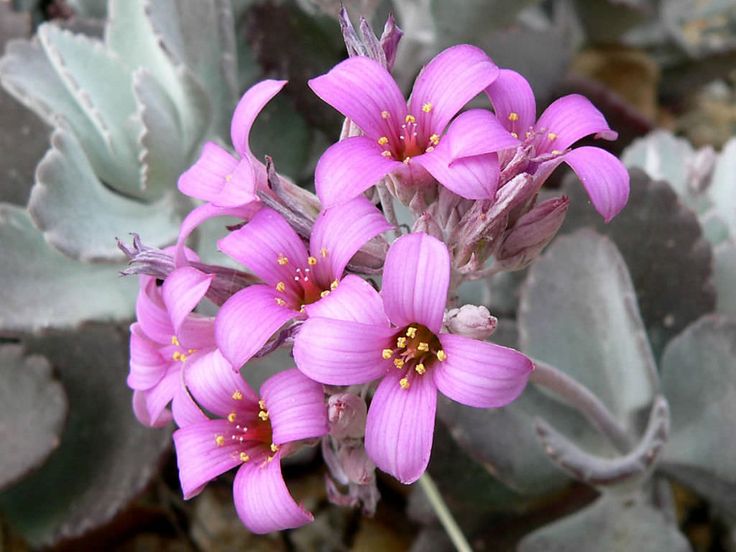
This low-growing, spreading kalanchoe forms a dense mat of silvery-white leaves covered in a fine powder. In late winter and spring, it produces clusters of vibrant pink flowers that create a beautiful contrast against the pale foliage. It stays under 12 inches tall and works wonderfully as a ground cover in warm climates or in rock gardens.
5. Kalanchoe luciae (Paddle Plant)
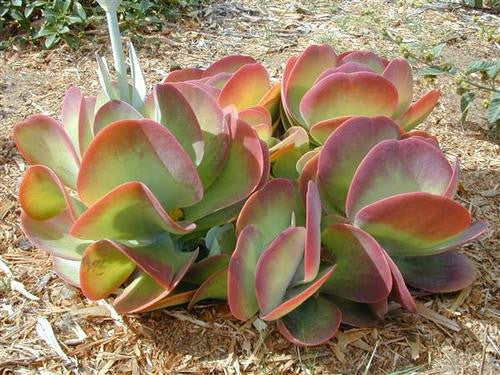
Though primarily grown for its striking, paddle-shaped leaves that blush red at the edges, mature Paddle Plants send up impressive flower spikes in their second or third year. The tall bloom stalks feature small, fragrant yellow flowers. The plant itself grows 12-24 inches tall, with the flower spike reaching up to 3 feet. After flowering, the main plant dies, but it usually produces offsets beforehand.
6. Kalanchoe beharensis (Felt Bush)
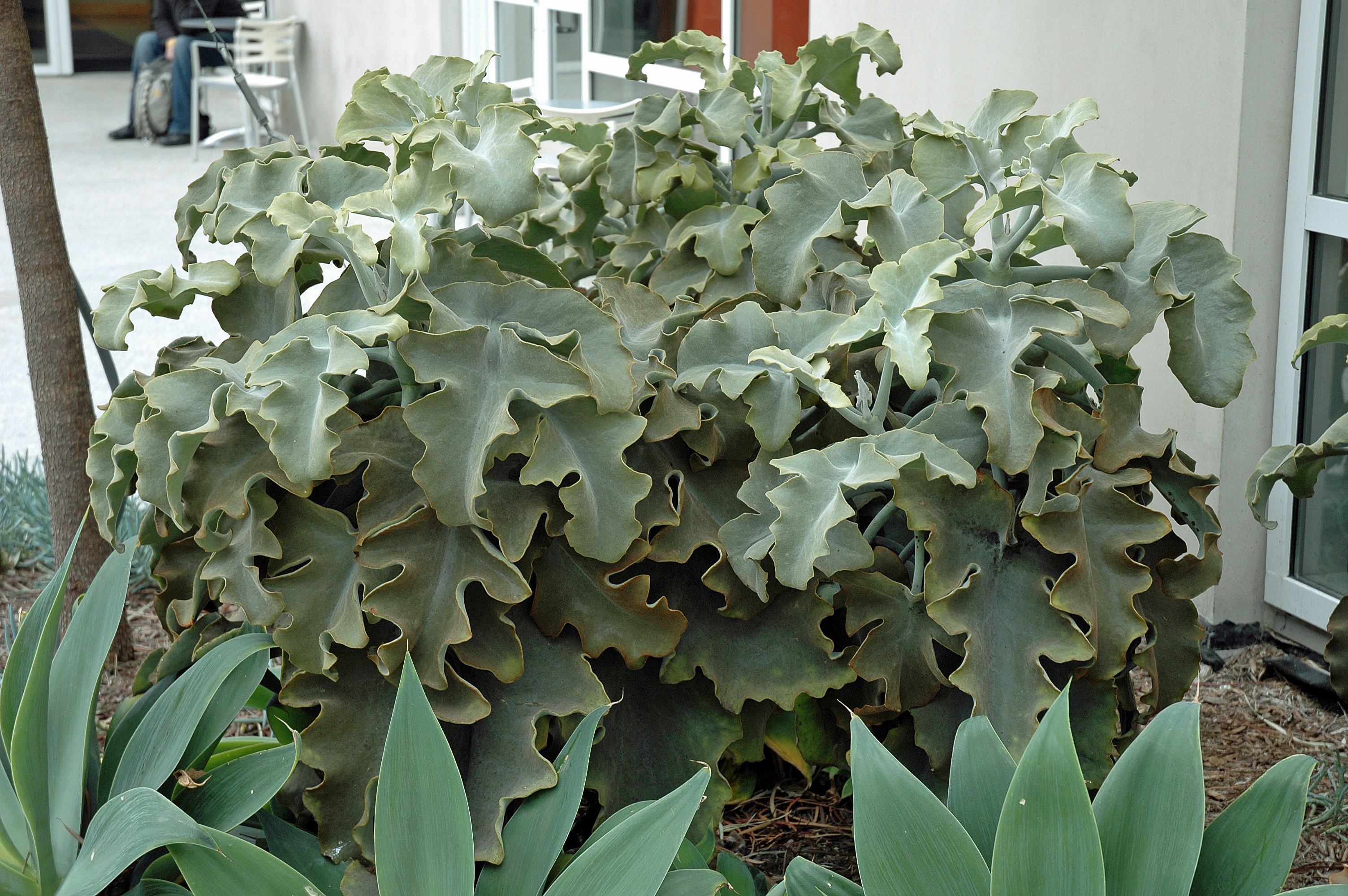
This large, architectural variety features triangular, felt-textured leaves with a bronze-green color. Mature plants produce clusters of small, greenish-yellow flowers on tall spikes. It’s a slow-growing plant that can eventually reach 3-4 feet tall indoors, making it a dramatic statement piece. Grow it in a large container that can accommodate its substantial size.
7. Kalanchoe tubiflora (Chandelier Plant)
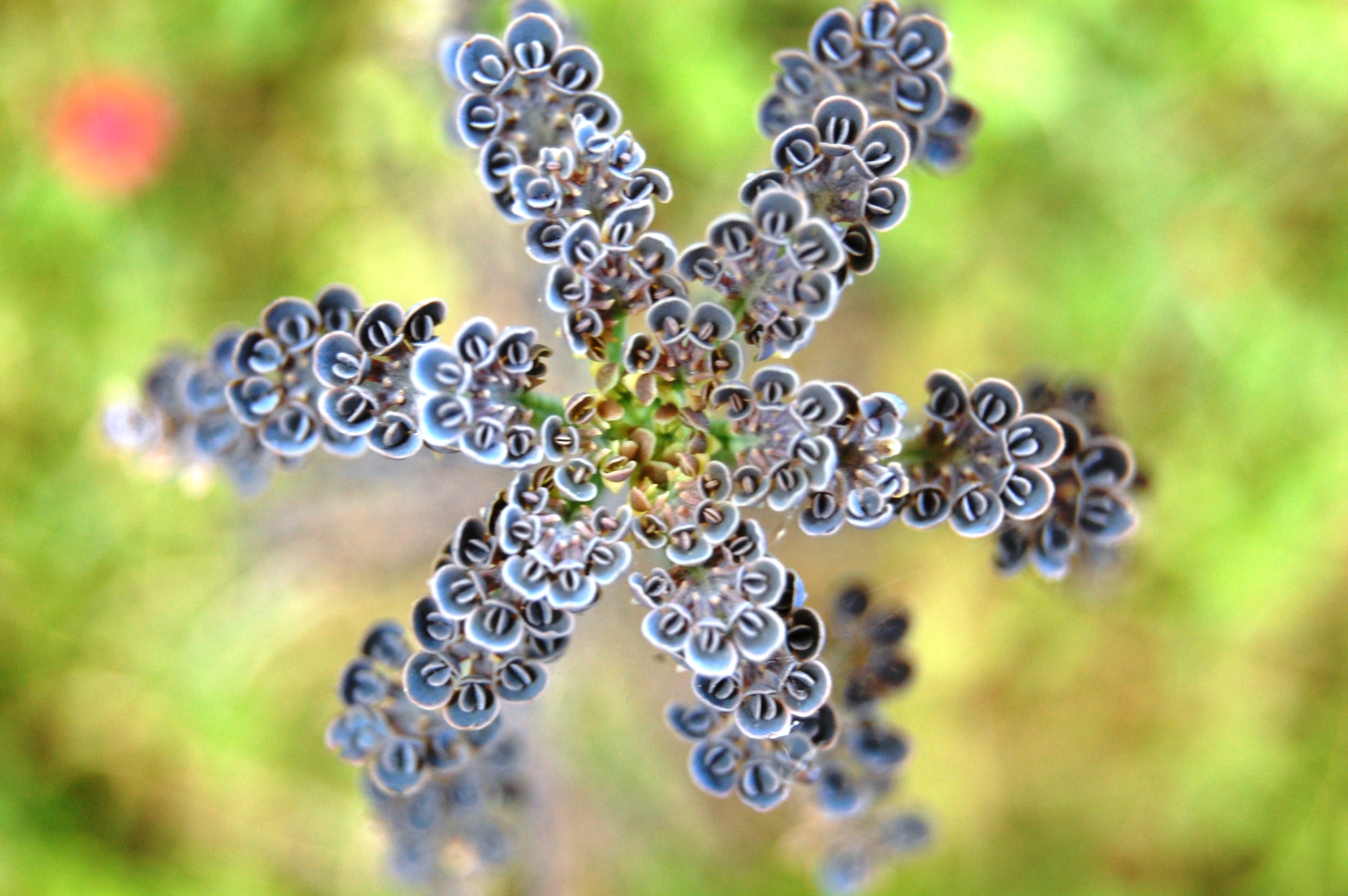
This unusual kalanchoe produces small plantlets along the edges of its tube-like leaves, giving it a distinctive appearance. In bloom, it sends up tall spikes of orange-red, hanging flowers. The main plant grows 18-24 inches tall, with flower spikes reaching up to 3 feet. It’s incredibly easy to propagate from the plantlets that constantly form on the leaf tips.
8. Kalanchoe rhombopilosa (Pies from Heaven)
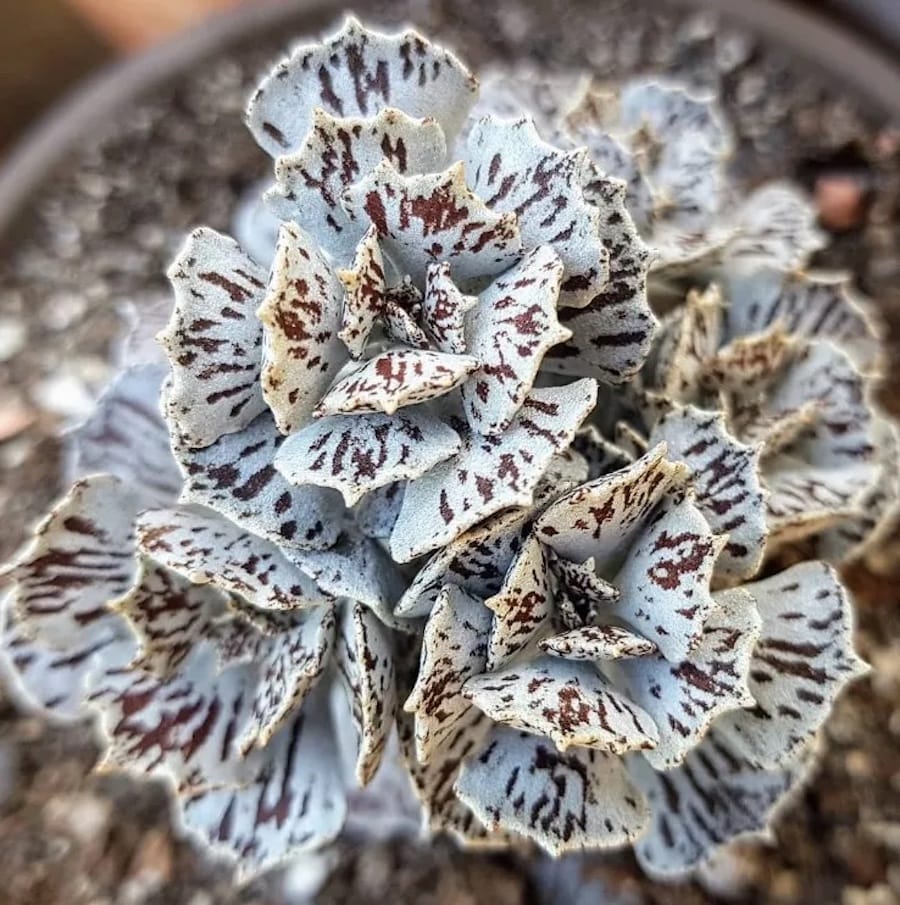
The tiny, silver-green leaves of this charming variety are covered in brown markings and have a powdery coating. In spring, it produces large (relative to the plant size) greenish-yellow flowers with purple streaks. It forms a small, shrubby plant about 6 inches tall, perfect for dish gardens and small containers.
9. Kalanchoe synsepala (Walking Kalanchoe)
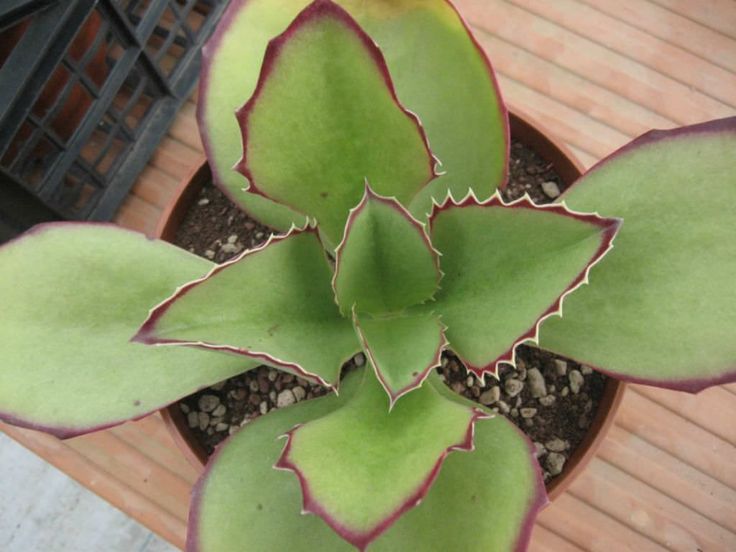
This variety offers both interesting foliage and unusual flowers. The large, rounded leaves have red edges, while the flowers appear in dense clusters of white or pale pink. What makes it unique are the long stolons it sends out with plantlets at the ends, “walking” across the ground. It grows about 12 inches tall and makes an excellent ground cover in frost-free climates.
10. Kalanchoe thyrsiflora (Desert Cabbage)
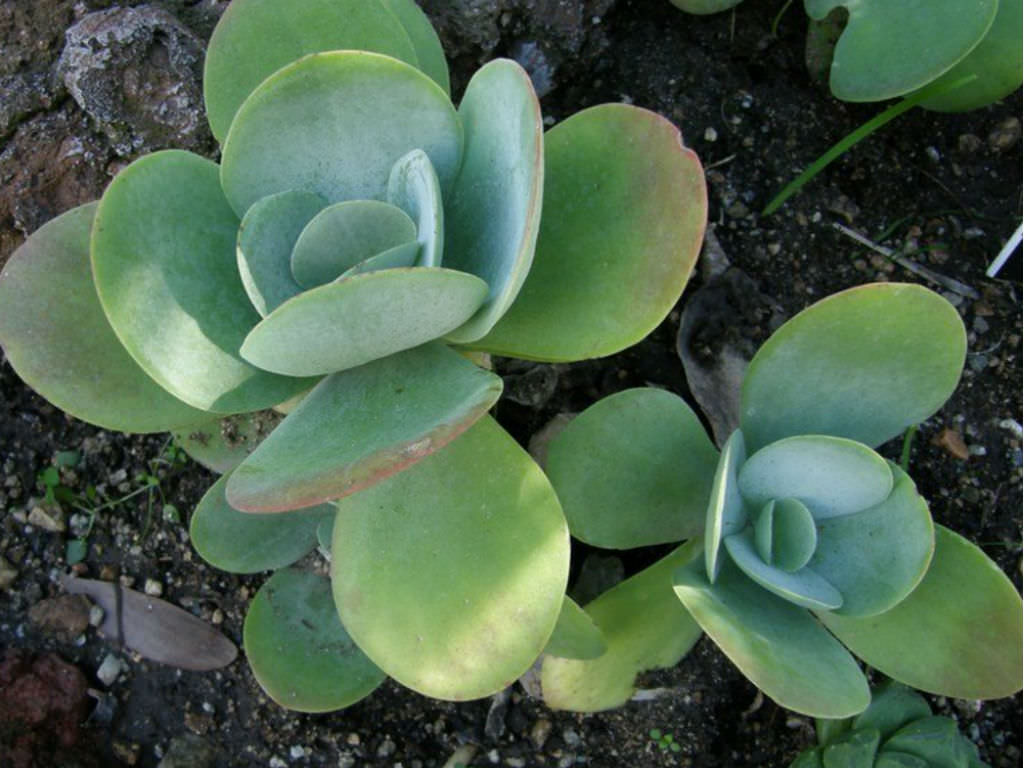
Similar to the paddle plant, this variety forms a basal rosette of rounded, paddle-shaped leaves that develop red edges in bright light. Mature plants send up a tall flower spike (up to 3 feet) covered with fragrant yellow flowers. The plant itself grows 12-18 inches tall and wide. Like other monocarpic kalanchoes, it dies after flowering but produces offsets first.
How to Grow and Care for Kalanchoe Plants
Getting the best blooms from your kalanchoes requires understanding their basic needs. These tips will help you keep your plants healthy and flowering.
Light and Temperature Kalanchoes need bright, indirect light to produce their best blooms. An east or west-facing window is ideal indoors. Outdoors, they prefer morning sun with afternoon shade in hot climates. Most varieties thrive in temperatures between 60-85°F and cannot tolerate frost. If you grow them outdoors in summer, bring them inside before temperatures drop below 50°F.
Watering and Soil As succulents, kalanchoes store water in their leaves and stems. Water thoroughly when the top inch of soil feels dry, then allow the soil to dry out before watering again. They’re prone to root rot in constantly wet soil. Use a well-draining potting mix formulated for cacti and succulents, and always plant in containers with drainage holes.
Encouraging Blooms Many kalanchoes are short-day plants, meaning they need longer nights to trigger blooming. To encourage flowering, provide 14-16 hours of complete darkness daily for 6-8 weeks. You can achieve this by moving plants to a dark closet or covering them with a box. After this treatment, return them to normal light conditions, and buds should form within a few weeks.
Fertilizing and Maintenance Feed your kalanchoes monthly during the growing season with a balanced, water-soluble fertilizer diluted to half strength. Stop fertilizing during the winter months when growth slows. Remove spent flowers to keep plants looking tidy and pinch back leggy growth to encourage bushier plants.
Bringing Color Home with Kalanchoe
Kalanchoe varieties offer an incredible range of colors, forms, and blooming habits that can enhance any garden or indoor space. Their drought tolerance and relatively easy care make them perfect for busy gardeners or those new to growing flowering plants. Whether you choose the popular Flaming Katy or the unusual Chandelier Plant, these succulents will reward you with spectacular blooms.
For more information on growing succulents and other flowering plants, explore our guides on container gardening and indoor plants. The Royal Horticultural Society also provides excellent growing advice for these versatile plants.
Have you grown any of these kalanchoe varieties? Which one’s vibrant blooms caught your eye? Share your experience in the comments below.