Coral Honeysuckle: Your Guide to Growing Lonicera Sempervirens for Vibrant Gardens
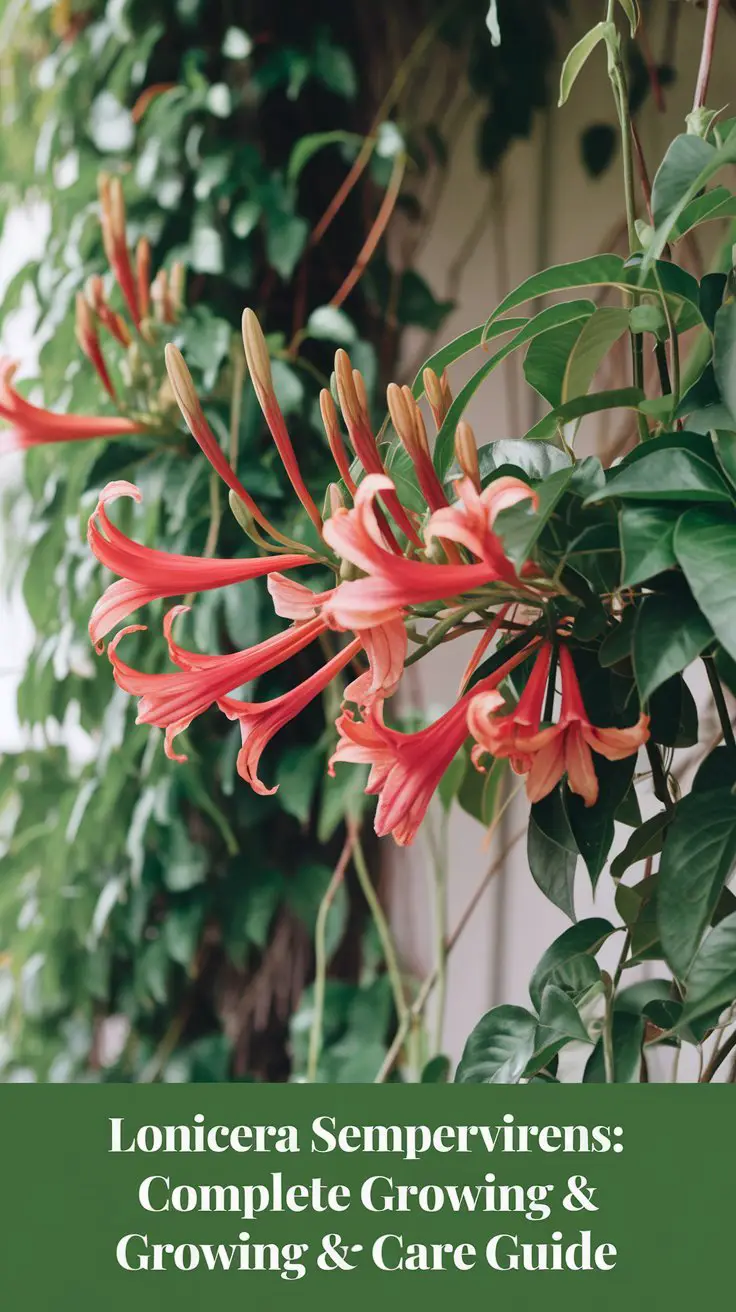
Post Views: 166 Discover how to grow and care for coral honeysuckle (Lonicera sempervirens) with expert tips from a seasoned gardener. Learn about its native range, propagation, pruning, and why it’s a hummingbird favorite! Coral Honeysuckle (Lonicera Sempervirens): A Gardener’s Guide to Planting, Care, and Beauty Hi there! I’m Anna Scott, a gardener with over a decade of experience nurturing native plants. Today, I’m sharing my passion for coral honeysuckle (Lonicera sempervirens), a stunning vine that’s as easy to grow as it is beautiful. Whether you’re looking to attract hummingbirds, add vertical interest to your garden, or find a non-invasive alternative to Japanese honeysuckle, this guide has you covered. Let’s dive in! What Is Coral Honeysuckle? Coral honeysuckle (Lonicera sempervirens) is a native North American vine prized for its tubular red-orange flowers, glossy foliage, and wildlife-friendly appeal. Unlike its invasive cousin (Lonicera japonica), this perennial vine is well-behaved and thrives in USDA zones 4–9 . Key Features: I’ve grown cultivars like ‘Major Wheeler’ (known for prolific blooms) and ‘Sulphurea’ (with buttery-yellow flowers) in my own garden—both are showstoppers! Native Range and Ecological Benefits Coral honeysuckle is native to the eastern United States, stretching from Connecticut to Florida and west to Texas 47. It’s a keystone species in many ecosystems, providing nectar for pollinators and berries for birds. Why It’s Not Invasive:Many gardeners ask, “Is Lonicera sempervirens invasive?” The answer is a resounding no! Unlike Japanese honeysuckle, coral honeysuckle grows moderately and doesn’t smother native plants. In fact, it’s a sustainable choice for eco-conscious gardens 1213. How to Grow Coral Honeysuckle: A Step-by-Step Guide 1. Planting Location & Soil Pro Tip: Pair it with native companions like cardinal flower or bee balm for a pollinator paradise. Best Native Plants for Hummingbirds 2. Watering & Fertilizing 3. Pruning for Health & Beauty Pruning coral honeysuckle is simple: Propagating Coral Honeysuckle: 3 Easy Methods Want more plants? Here’s how I propagate mine: Top Coral Honeysuckle Cultivars to Try Cultivar Flower Color Unique Trait ‘Major Wheeler’ Bright red Longest blooming period ‘John Clayton’ Golden-yellow Compact growth for small spaces ‘Magnifica’ Deep red Extra-large flowers Find these at reputable nurseries like Nature Hills Nursery or Prairie Moon Nursery. Common Questions Answered (FAQ) ❓ Is coral honeysuckle edible? While not toxic, the berries are bland and not recommended for human consumption. They’re a treat for birds, though! ❓ Where to buy Lonicera sempervirens? Look for native plant sellers or online retailers like [Missouri Botanical Garden’s Plant Finder] (External Link). ❓ Why isn’t my coral honeysuckle blooming? Likely causes: too much shade, over-fertilizing, or improper pruning. Why Coral Honeysuckle Deserves a Spot in Your Garden In my 10 years of gardening, few plants rival coral honeysuckle’s low-maintenance charm. It’s pest-resistant, deer-resistant, and thrives with minimal care. Plus, watching hummingbirds dart among its blooms never gets old! Final Tip: Add a DIY trellis to showcase its vertical beauty.
