
Discover 20 perfect outdoor topiary plants. This guide covers the best shrubs, evergreens, and vines for creating beautiful shaped garden features, from simple spheres to intricate designs.

I’ll never forget the first time I successfully shaped a boxwood into a perfect sphere. The process taught me patience and precision, but the living sculpture it created became the proud centerpiece of my garden. Topiary is the art of training and clipping plants into defined shapes, and it can transform your ordinary garden into a structured, elegant space.
You don’t need a grand estate to enjoy topiary. With the right plant choices, you can create everything from simple geometric forms to whimsical animal figures in your own backyard.
Why Add Topiary to Your Garden?
Topiary brings structure and year-round interest to your landscape. It acts as living architecture, guiding the eye and creating focal points. The practice is also deeply satisfying; there’s a unique joy in sculpting a living plant into a work of art. Many topiary plants are evergreens, providing color and form even in the depths of winter.
20 Outstanding Plants for Outdoor Topiary
Here are my top recommendations for plants that will hold their shape and thrive with regular clipping.
Classic Evergreen Shrubs
These are the traditional, reliable choices for formal topiary.
1. Boxwood (Buxus sempervirens):
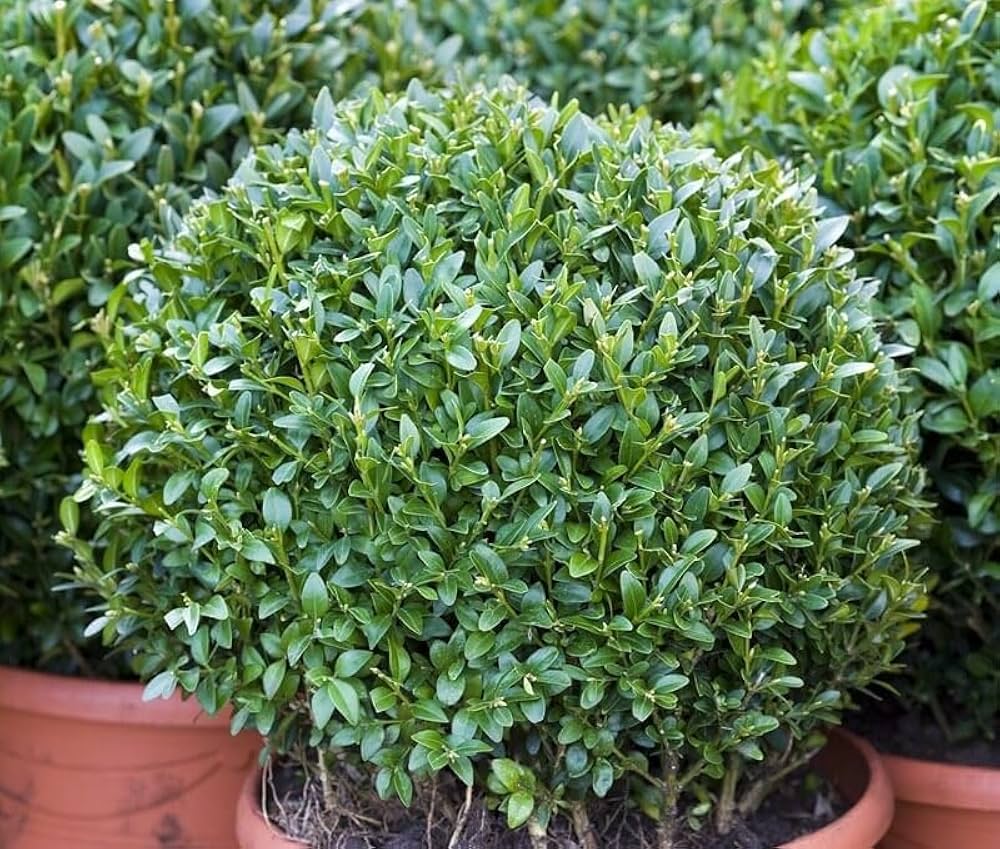
This is the quintessential topiary plant. Its small, dense leaves and slow growth make it ideal for intricate shapes like spheres, cones, and cubes. It prefers full sun to partial shade.
2. Yew (Taxus baccata):
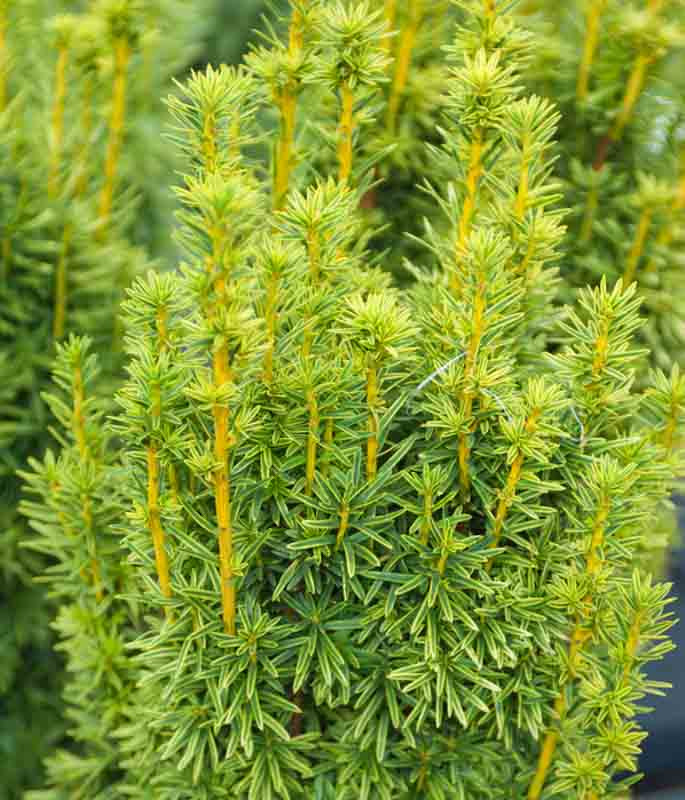
A classic for large, formal hedges and shapes. Yew is tough, drought-tolerant once established, and can handle severe pruning. It thrives in well-draining soil.
3. Japanese Holly (Ilex crenata):
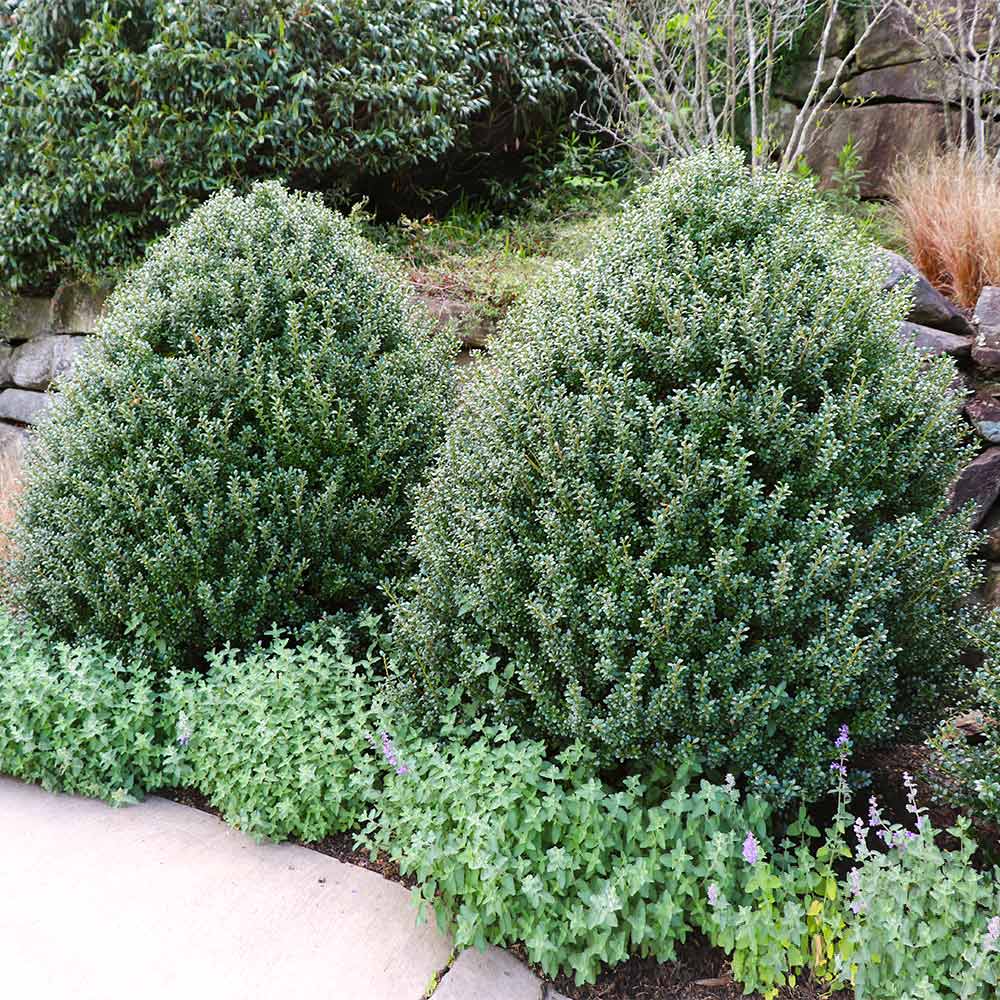
Often used as a boxwood substitute, its small, rounded leaves are perfect for detailed work. It’s excellent for animal topiaries and can tolerate more shade than boxwood.
4. Cherry Laurel (Prunus laurocerasus):
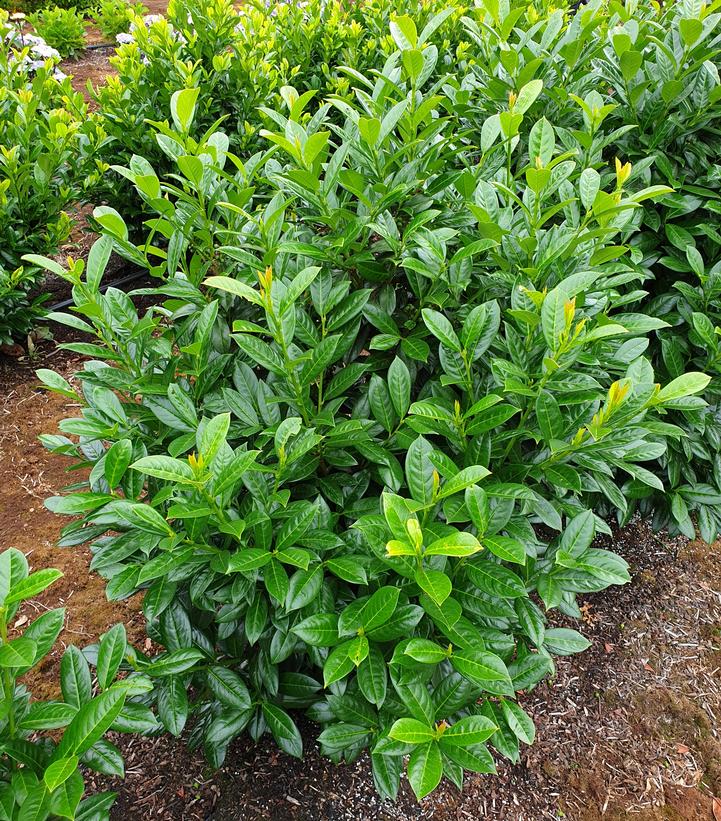
With its large, glossy leaves, cherry laurel is best for larger, less detailed shapes. The ‘Otto Luyken’ cultivar is a great dwarf variety for smaller gardens.
5. Holly (Ilex):
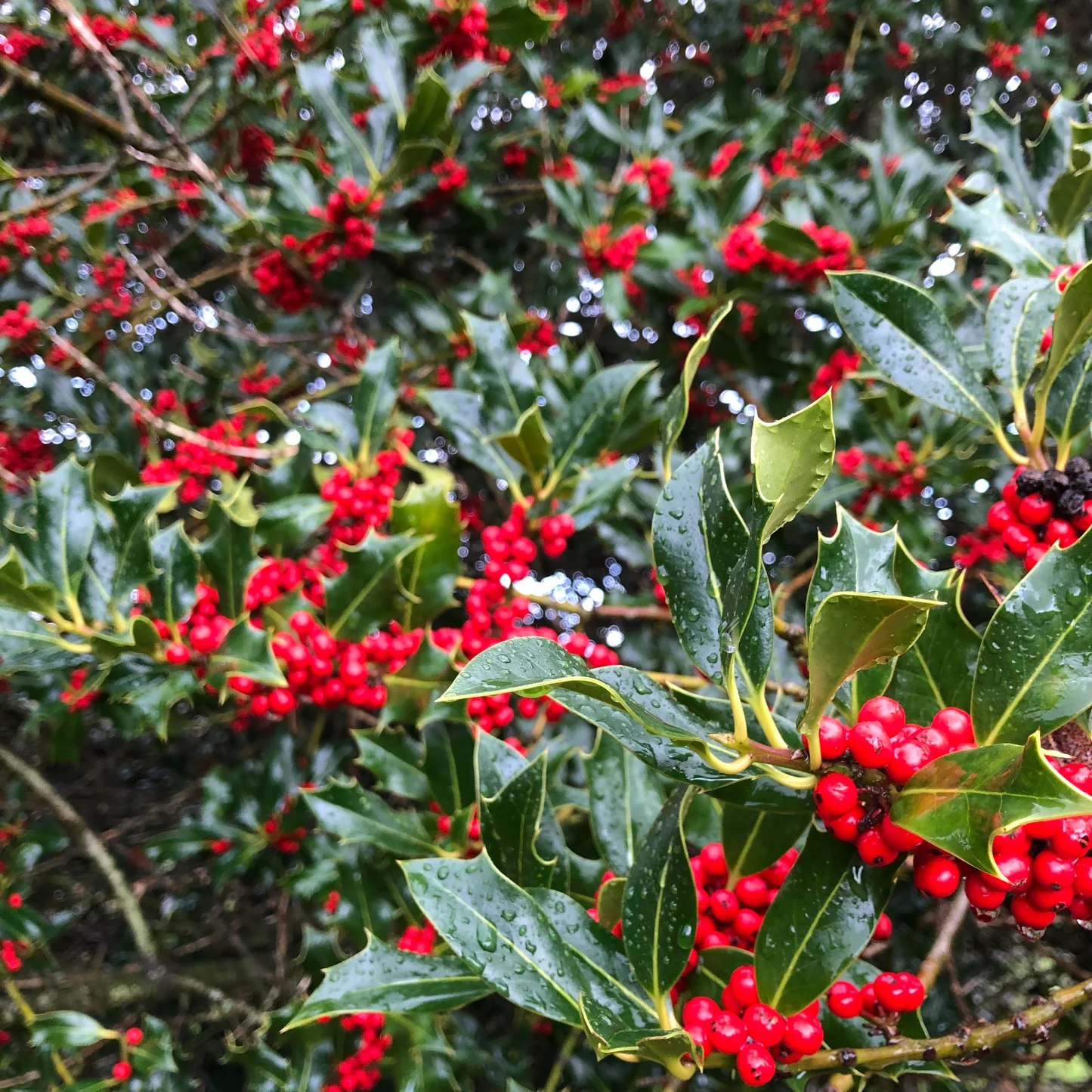
Holly’s sturdy branches and dense growth habit make it a good candidate for topiary. The ‘Sky Pencil’ variety is naturally columnar and perfect for creating tall, narrow spirals.
Fast-Growing & Versatile Choices
These plants are great for beginners or when you want quicker results.
6. Privet (Ligustrum):
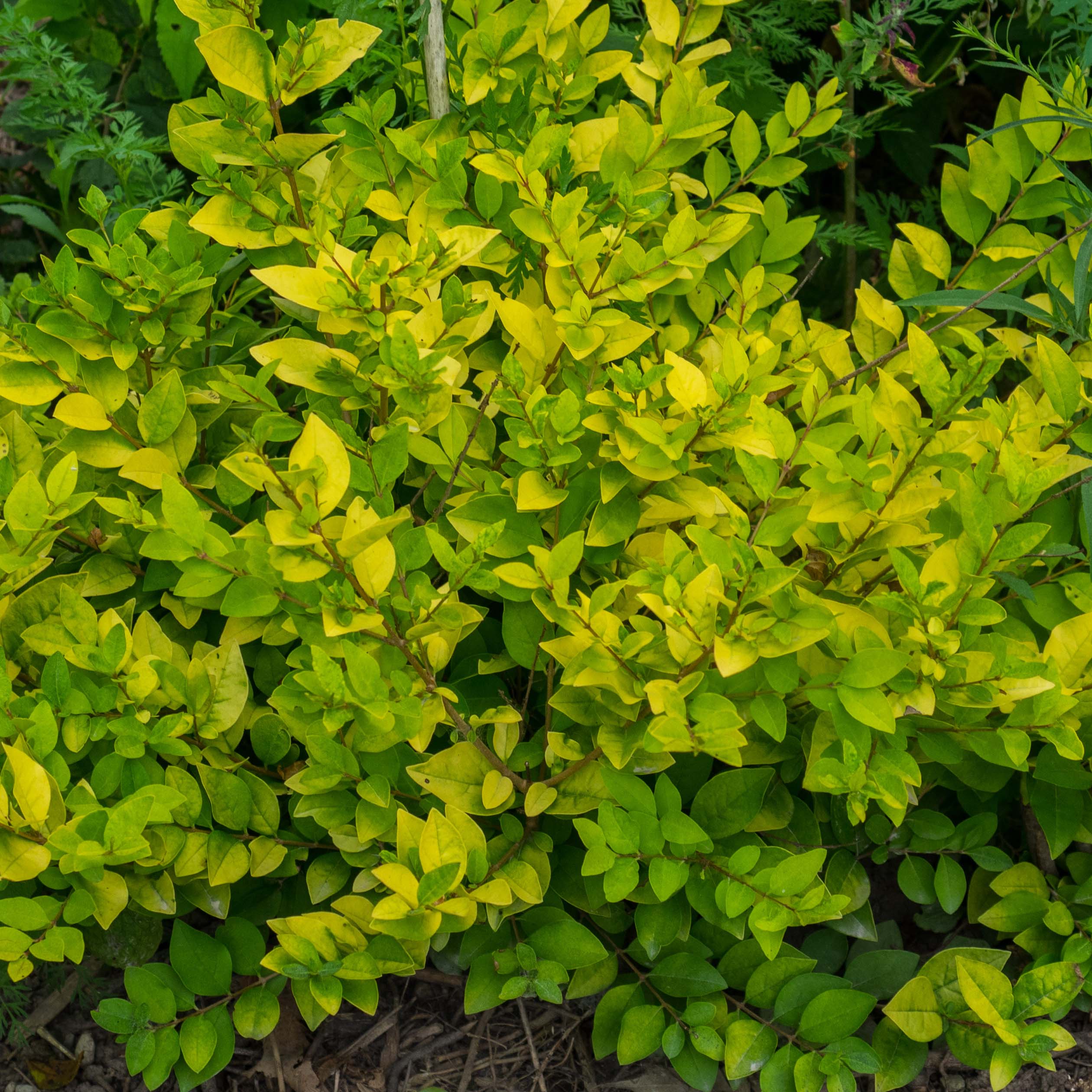
Privet is a fast-growing and forgiving plant, making it perfect for practicing topiary. It recovers quickly from mistakes and can be shaped into almost any form.
7. Arborvitae (Thuja):
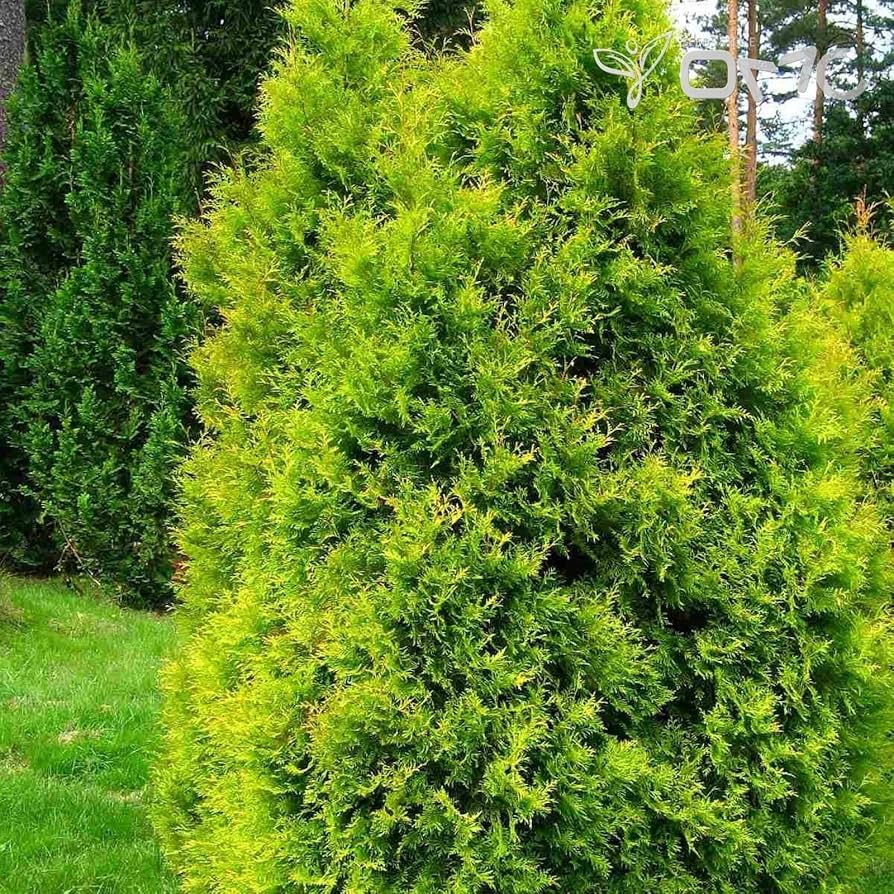
This versatile evergreen is often used for spiral topiaries. Its soft, scaly foliage is easy to trim, and its natural conical shape is a good starting point.
8. Eugenia (Syzygium paniculatum):
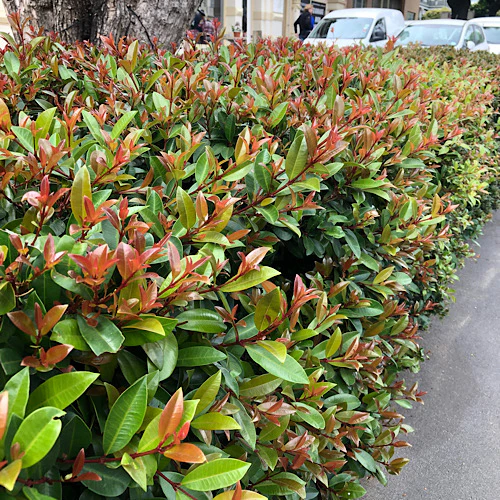
A popular choice for pre-made topiaries, Eugenia responds well to frequent shearing and can be formed into pom-poms, cones, and spirals.
9. Euonymus (Euonymus japonicus):
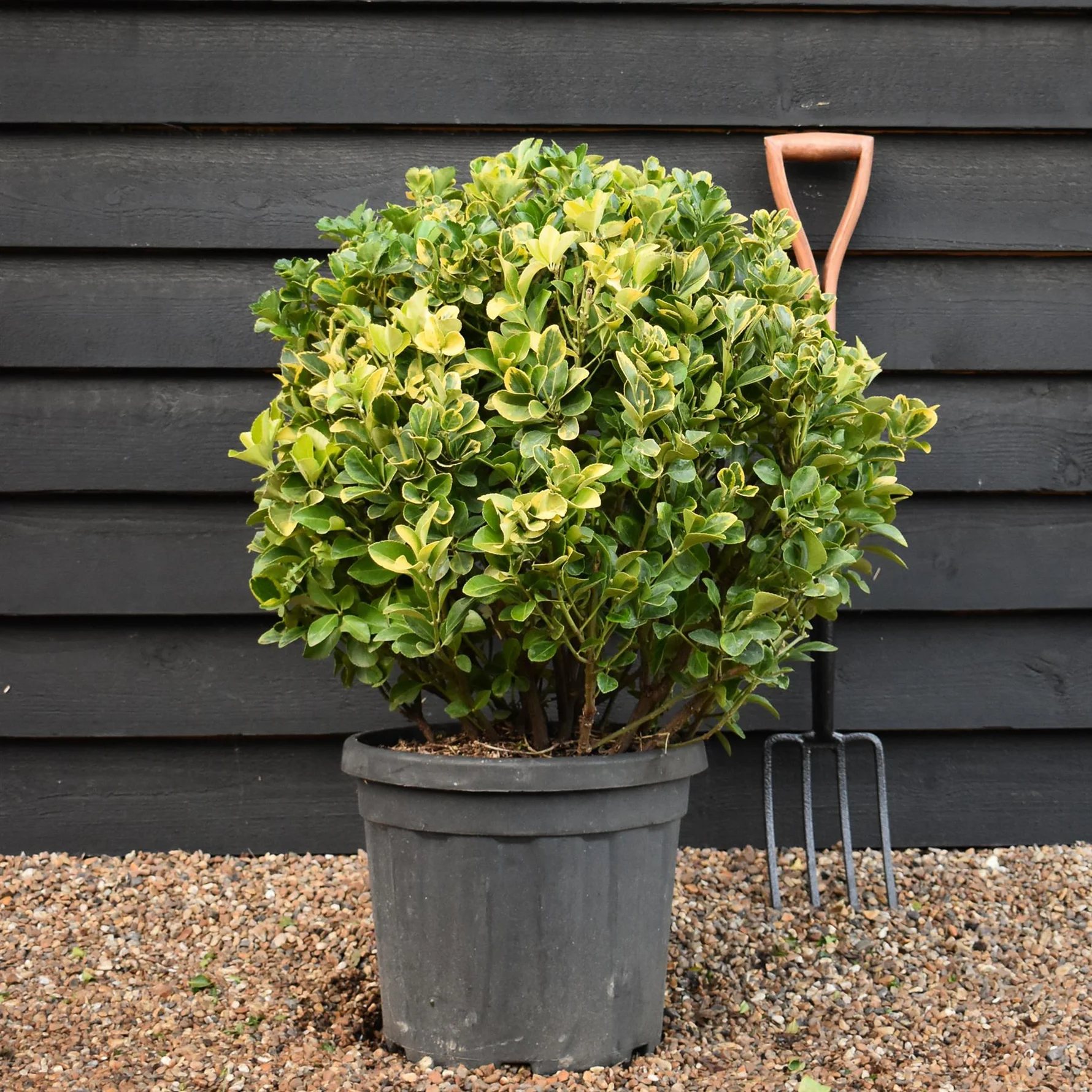
A tough shrub that can handle a variety of conditions. The variegated varieties, like ‘Silver King’, add a splash of color to your topiary designs.
10. Inkberry (Ilex glabra):
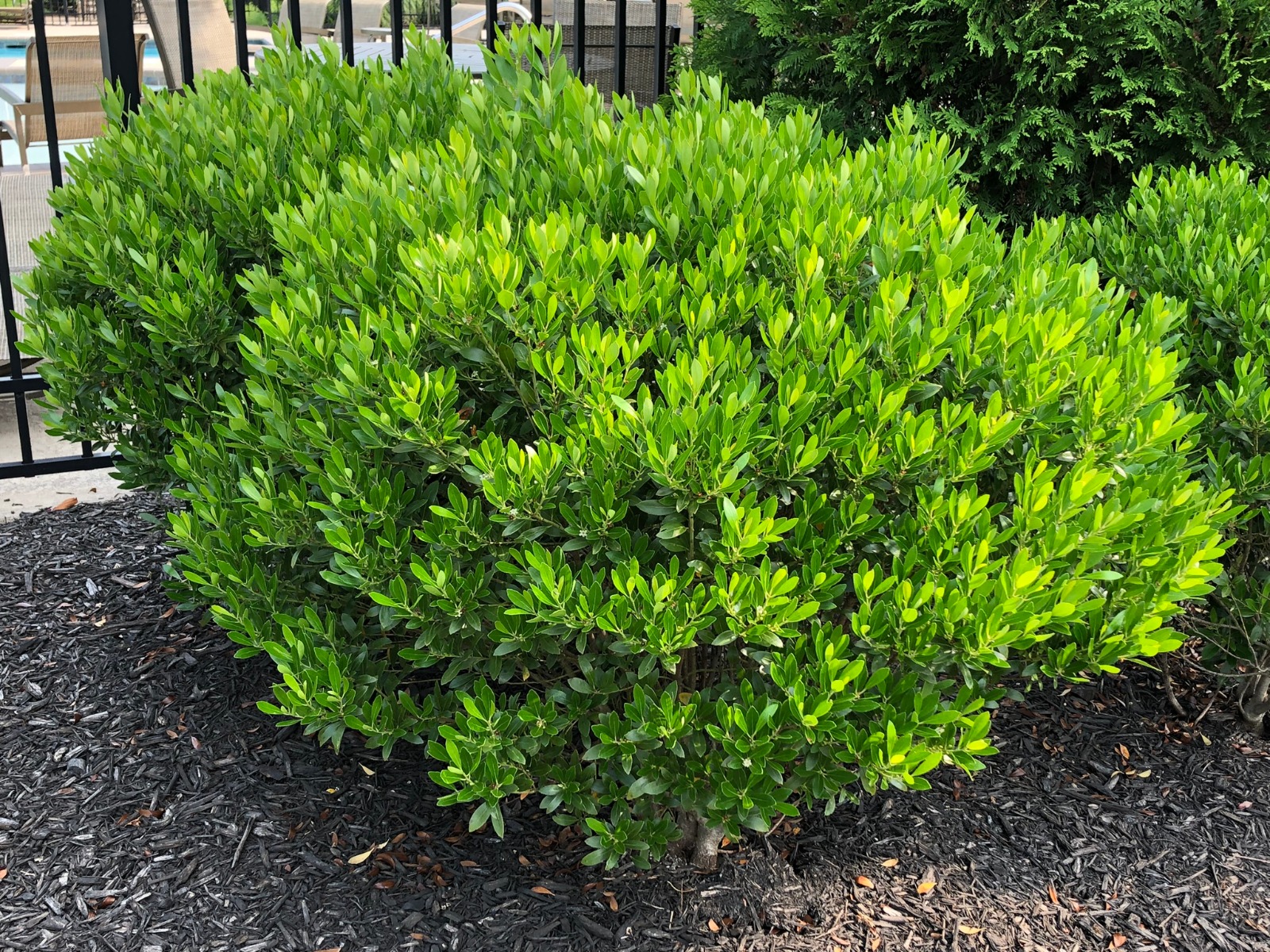
A native holly with fine texture and a dense habit, excellent for creating crisp, formal shapes. It does well in wetter soils.
Conifers for Structure
Conifers offer unique textures and forms for your topiary garden.
11. Dwarf Alberta Spruce (Picea glauca ‘Conica’):
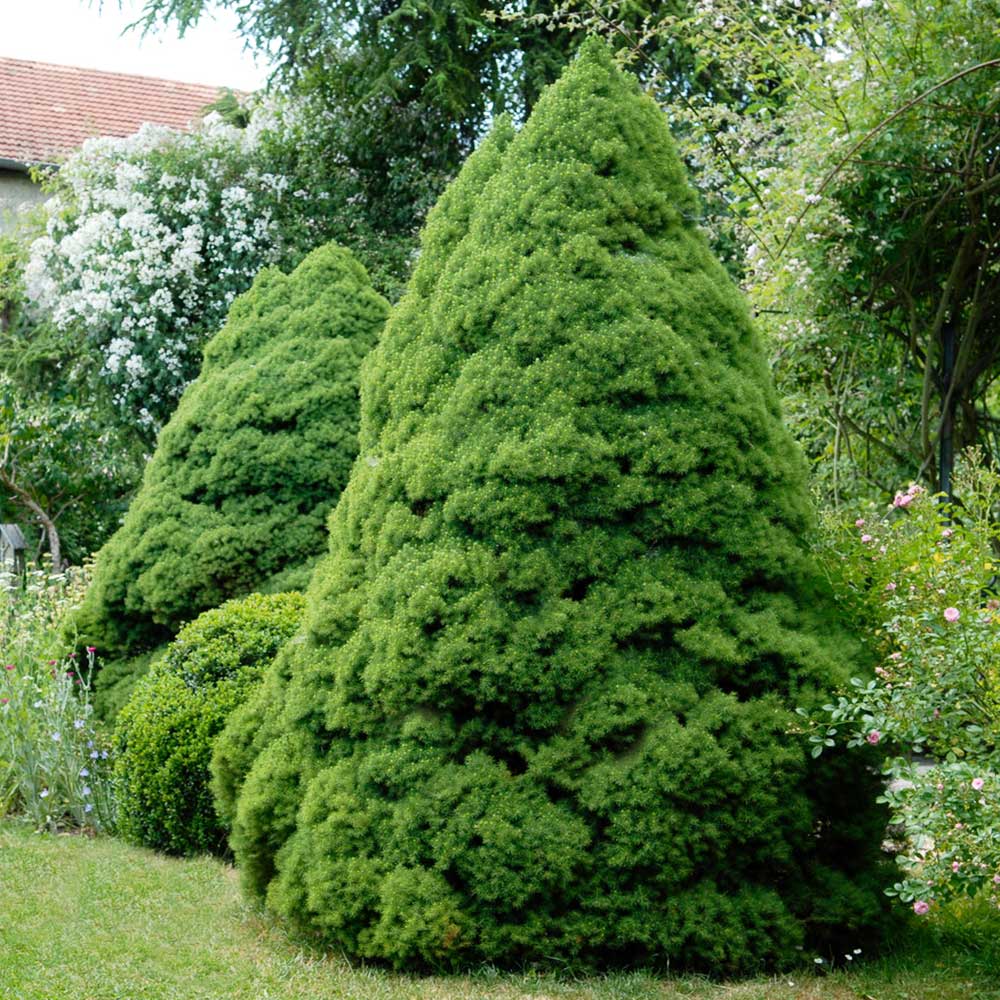
Its naturally dense, conical shape requires minimal effort to maintain. It’s slow-growing, making it low-maintenance for simple cone or spiral shapes.
12. Juniper (Juniperus):
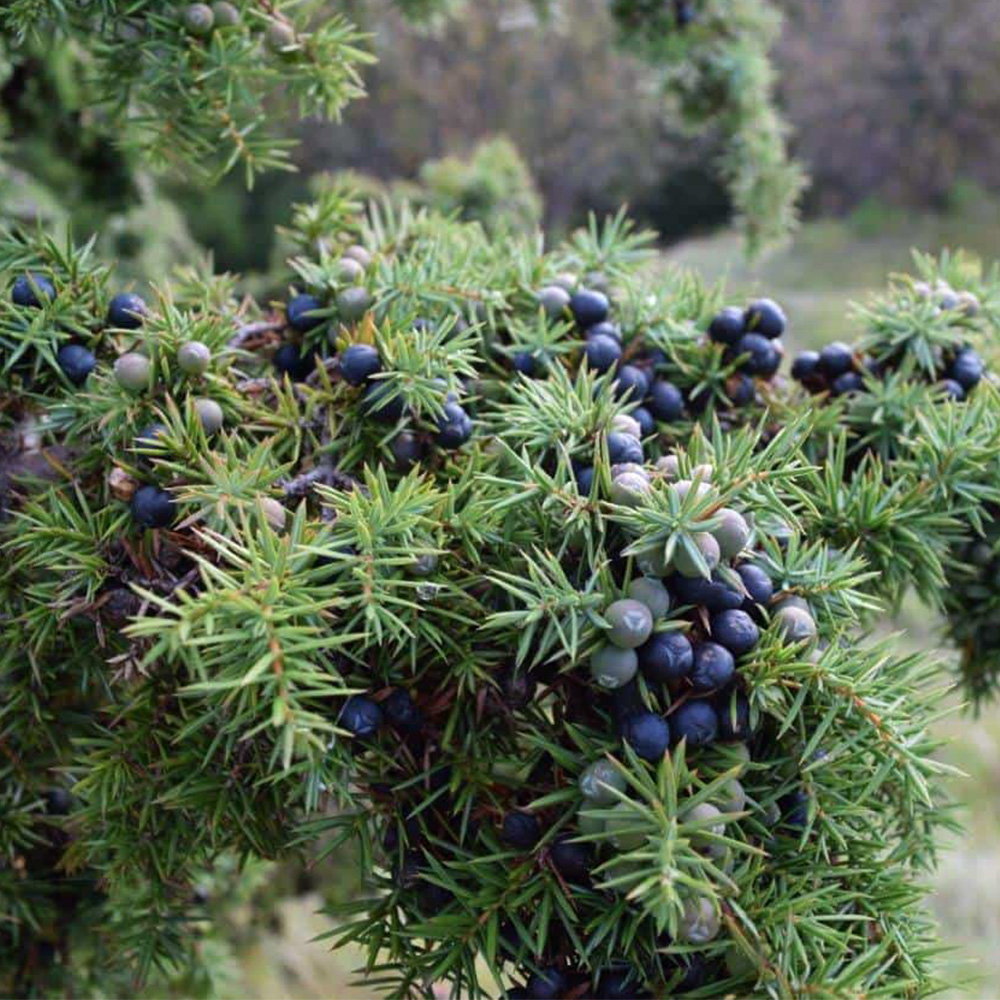
With varieties ranging from ground-huggers to upright columns, junipers are highly versatile. The blue-green foliage of cultivars like ‘Blue Arrow’ adds stunning color.
13. Dwarf Scotch Pine (Pinus sylvestris):
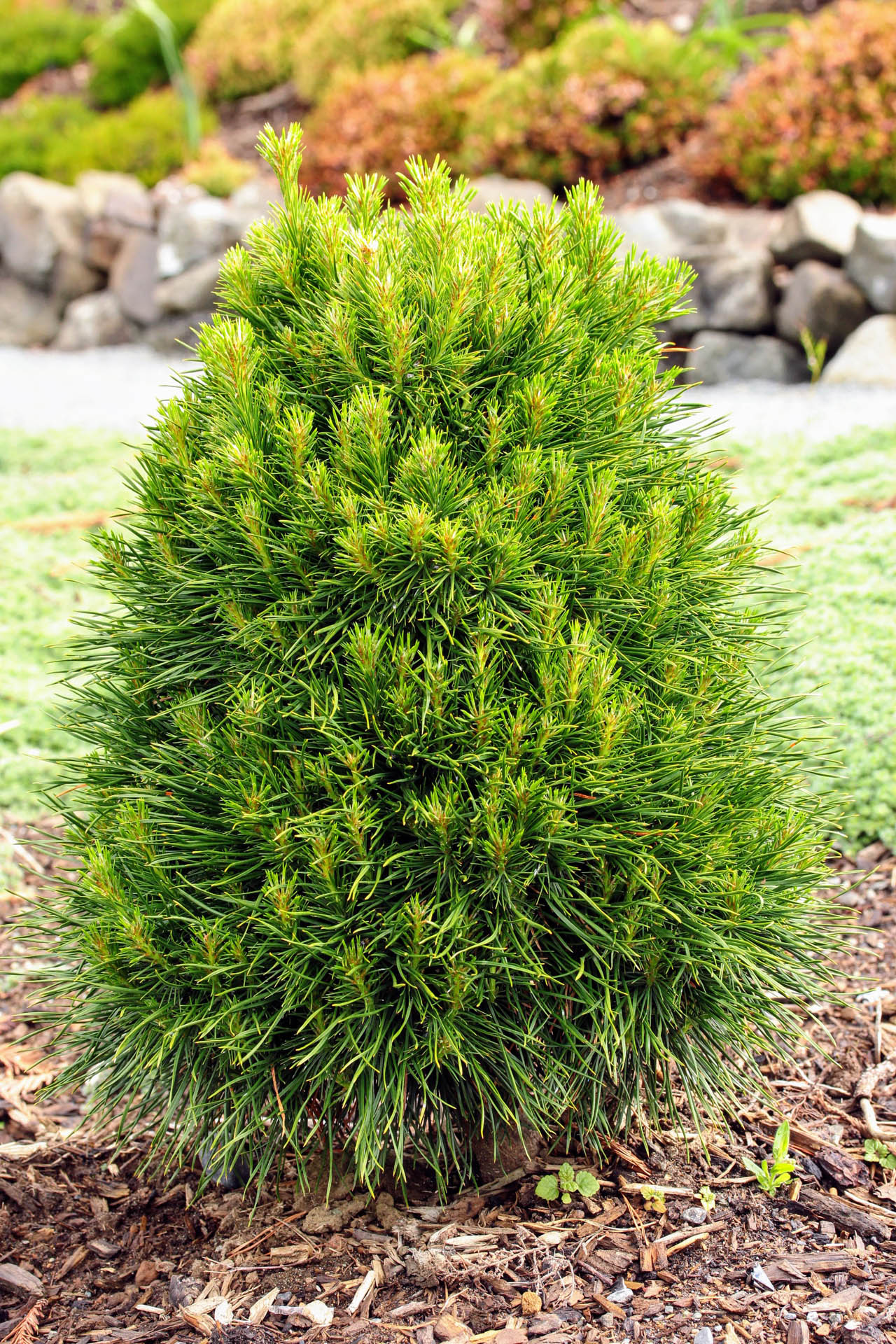
This needled evergreen can be shaped into neat spheres or more organic, funky shapes, offering a different texture from broadleaf plants.
Flowering & Fragrant Options
Add blooms and scent to your living sculptures.
14. Rosemary (Rosmarinus officinalis):
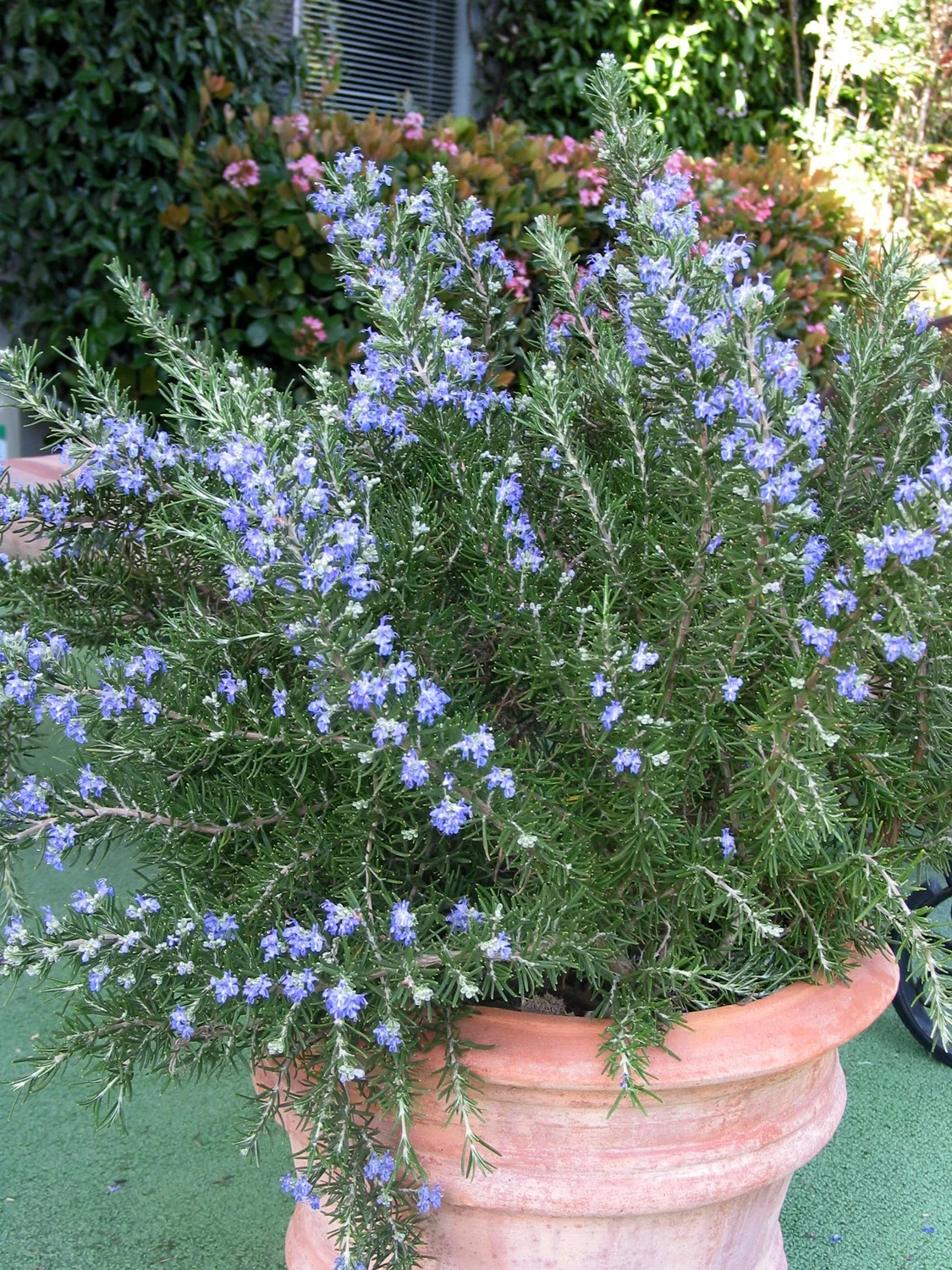
This culinary herb can be trained into small, standard tree forms or simple shapes. It prefers hot, sunny, and well-drained conditions.
15. Lavender (Lavandula):
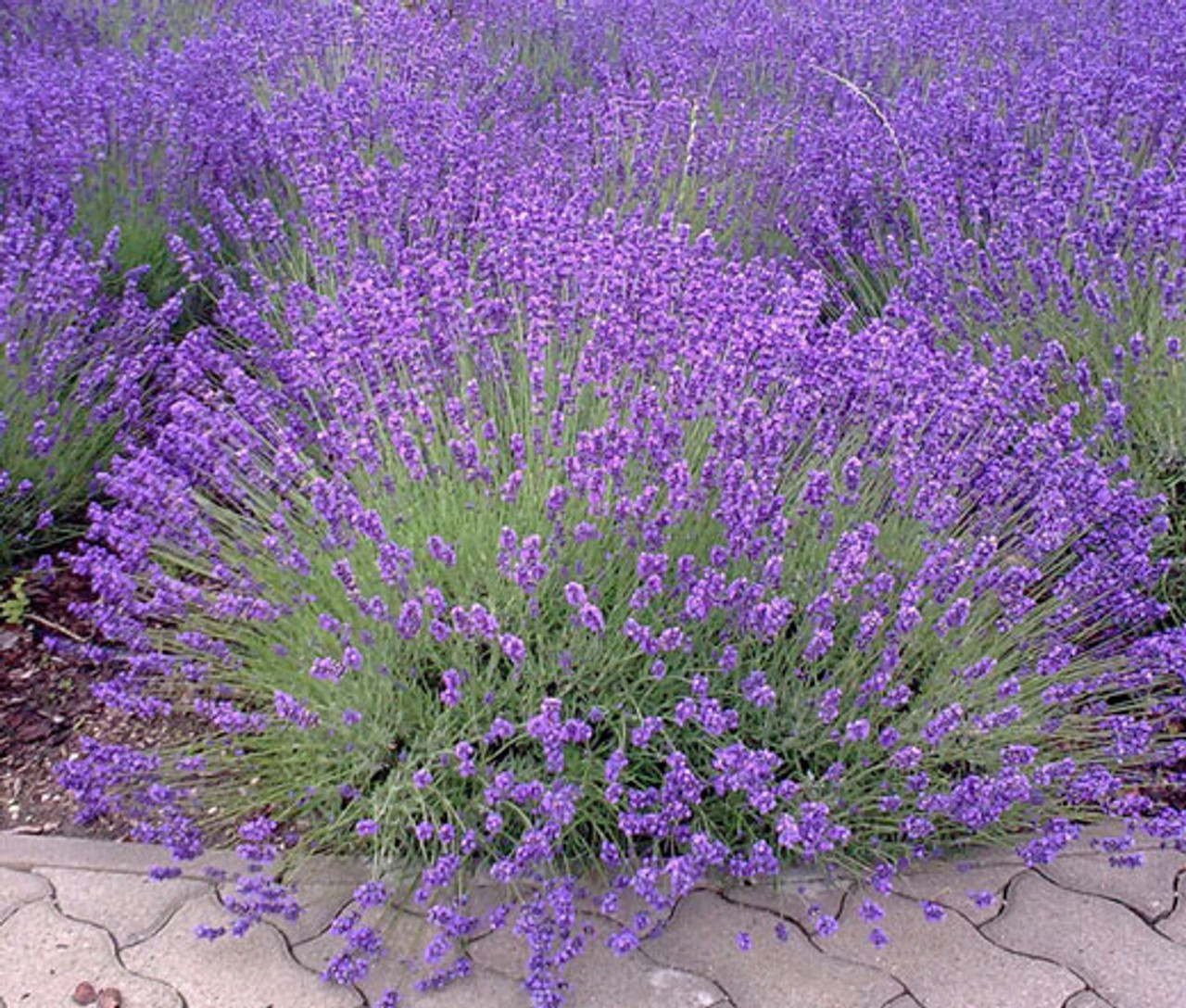
While not for intricate shapes, lavender can be pruned into neat, low hedges or mounds, providing structure and a wonderful fragrance.
16. Germander (Teucrium fruticans):
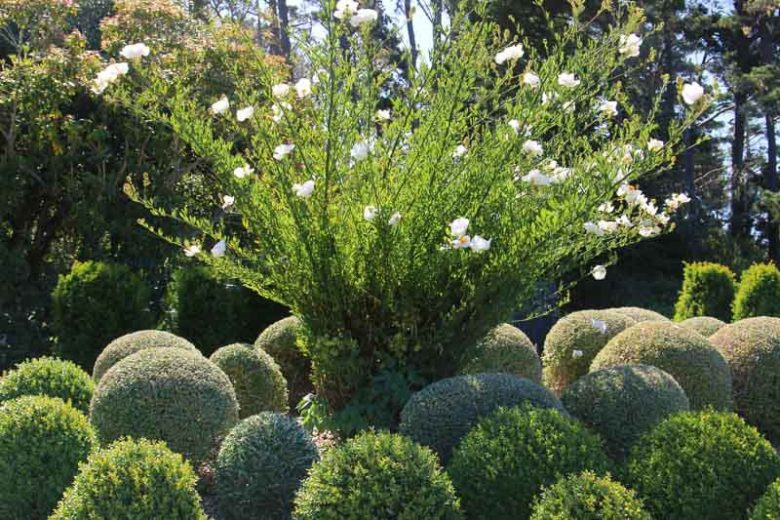
This shrubby plant with aromatic, silvery leaves can be clipped into small spheres or low hedges and is often used for knot gardens.
17. Camellia (Camellia japonica):
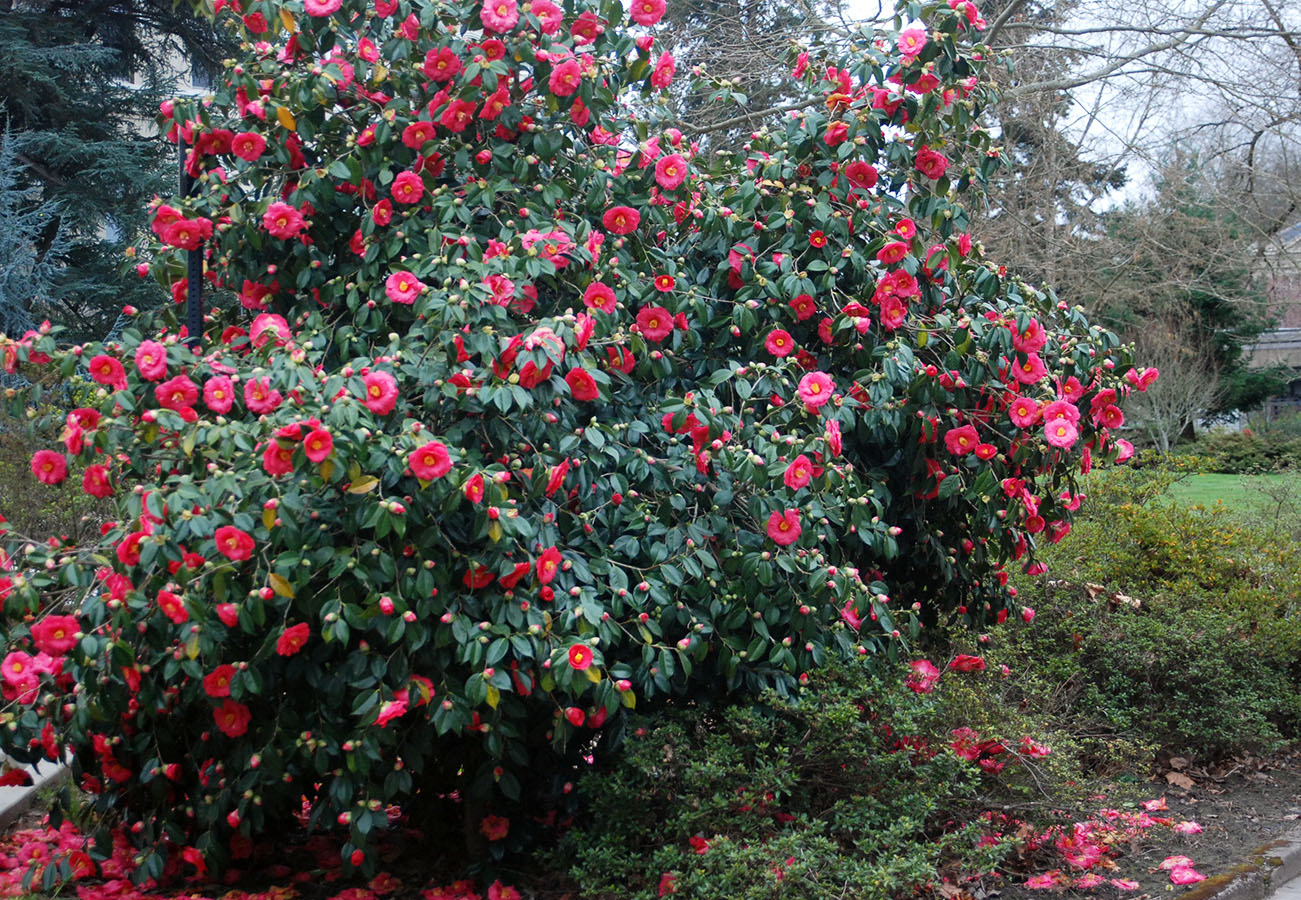
Camellias can be trained into a beautiful standard tree form, showcasing their glossy evergreen leaves and stunning flowers.
18. Gardenia (Gardenia jasminoides):
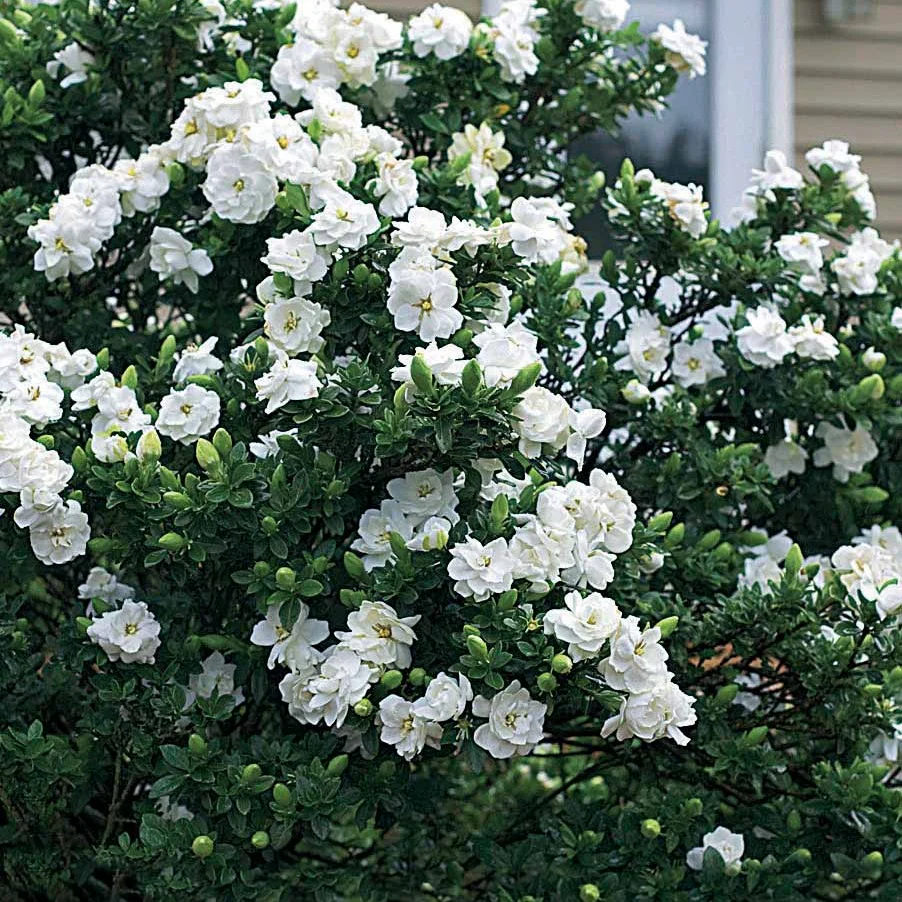
Often sold as a standard, a gardenia topiary combines elegant form with incredibly fragrant white blooms.
Vines for Creative Forms
Use these to cover topiary frames for instant effect.
19. English Ivy (Hedera helix):
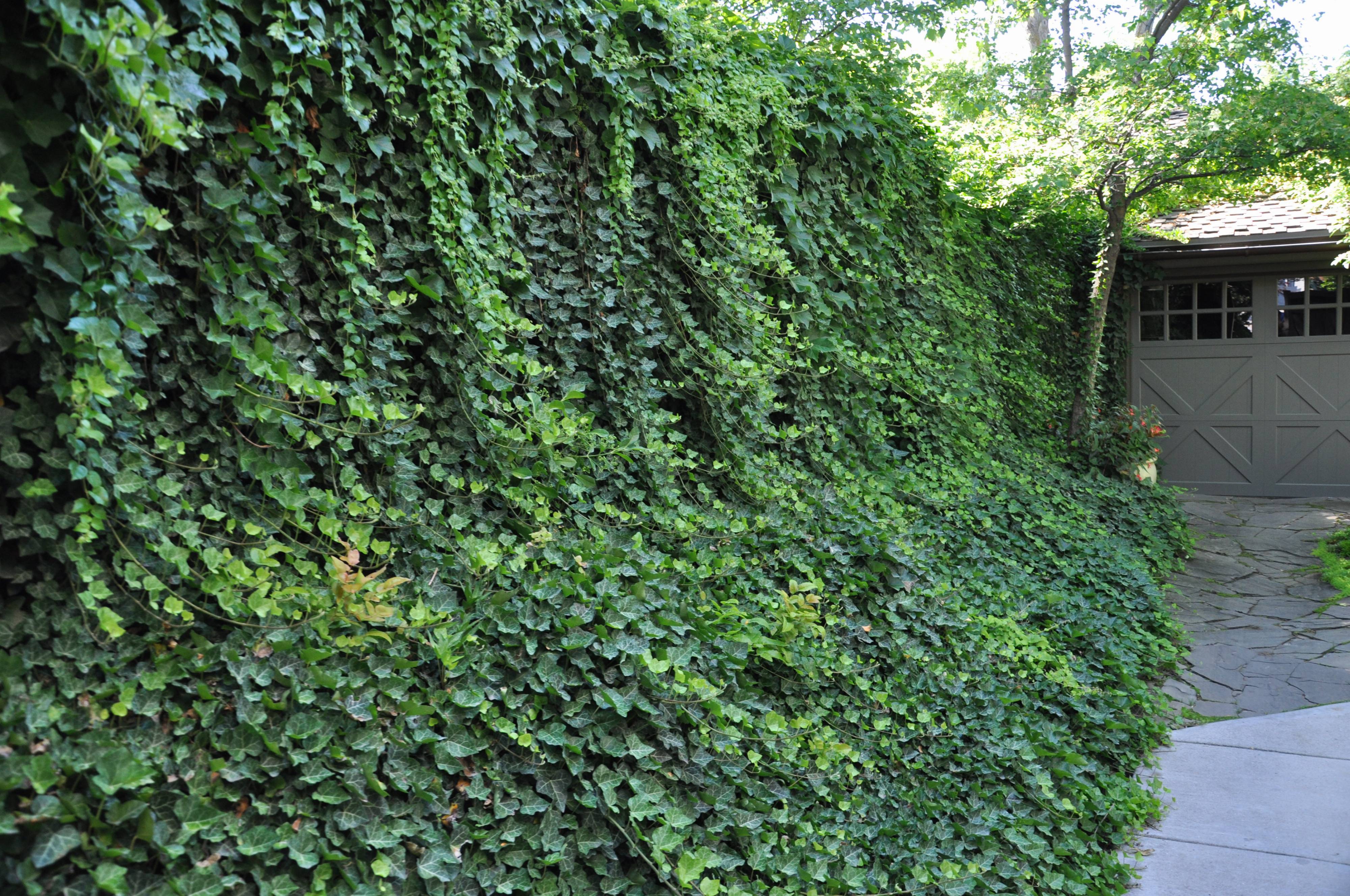
Ivy is perfect for covering wire topiary frames to create animals, globes, and other complex shapes quickly. It uses aerial roots to cling to the form.
20. Coleus (Plectranthus scutellarioides):
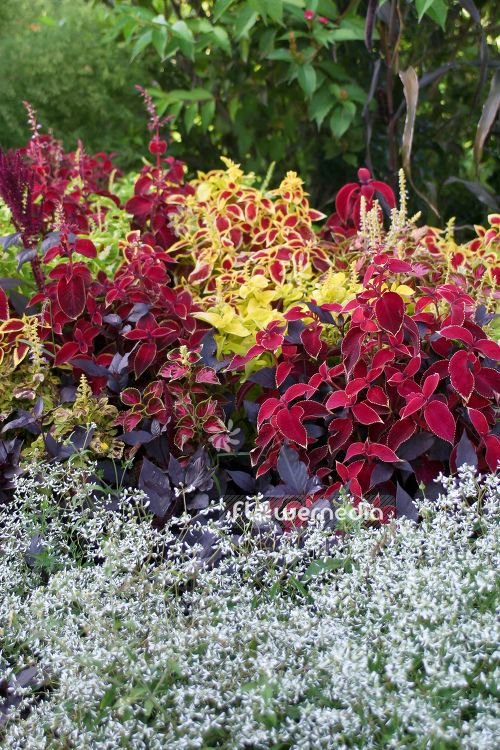
While treated as an annual in most climates, coleus can be pinched to maintain a standard “lollipop” form, providing vibrant foliage color all season.
A Quick Guide to Topiary Plant Choices
Plant TypeBest ForSkill LevelBoxwoodIntricate shapes, sharp edgesIntermediatePrivetPractice, fast resultsBeginnerDwarf Alberta SpruceLow-maintenance cones, spiralsBeginnerEnglish IvyCovering wire frames quicklyBeginnerYewLarge, formal hedges and shapesAdvanced
5 Essential Tips for Topiary Success
- Start Simple: Begin with a young plant and a basic shape, like a sphere or a cone. This helps you learn the plant’s growth habits before attempting more complex designs.
- Use the Right Tools: Sharp, clean hand shears are essential for a clean cut that heals quickly. For large hedges, electric trimmers can save time. Always wear gloves.
- Prune at the Right Time: The best time to prune most topiary plants is in late spring or early summer after the first flush of growth. You can do lighter trims throughout the growing season to maintain shape. Avoid heavy pruning in late fall, as new growth may not harden off before winter.
- Feed and Water Appropriately: Topiary plants are under constant stress from pruning. Feed them in early spring with a balanced, slow-release fertilizer and ensure they get consistent water, especially during dry spells. For more on plant nutrition, see our guide on garden soil and fertilizer.
- Be Patient: Topiary is an art that unfolds over years. Don’t be discouraged if your first attempts aren’t perfect. Plants grow back, and you can always refine your shape over time.
A Final Snip of Advice
Adding topiary to your garden is a rewarding way to express your creativity. The key is to choose a plant that matches your climate, your desired shape, and your commitment to maintenance. Start small, be consistent with your pruning, and enjoy the process of shaping living plants.
For more inspiration on structuring your garden, explore our guide to landscaping with shrubs.
What topiary shape are you dreaming of creating? Share your ideas in the comments below