Pawpaw Seed Stratification : Perfect Timing for Maximum Success
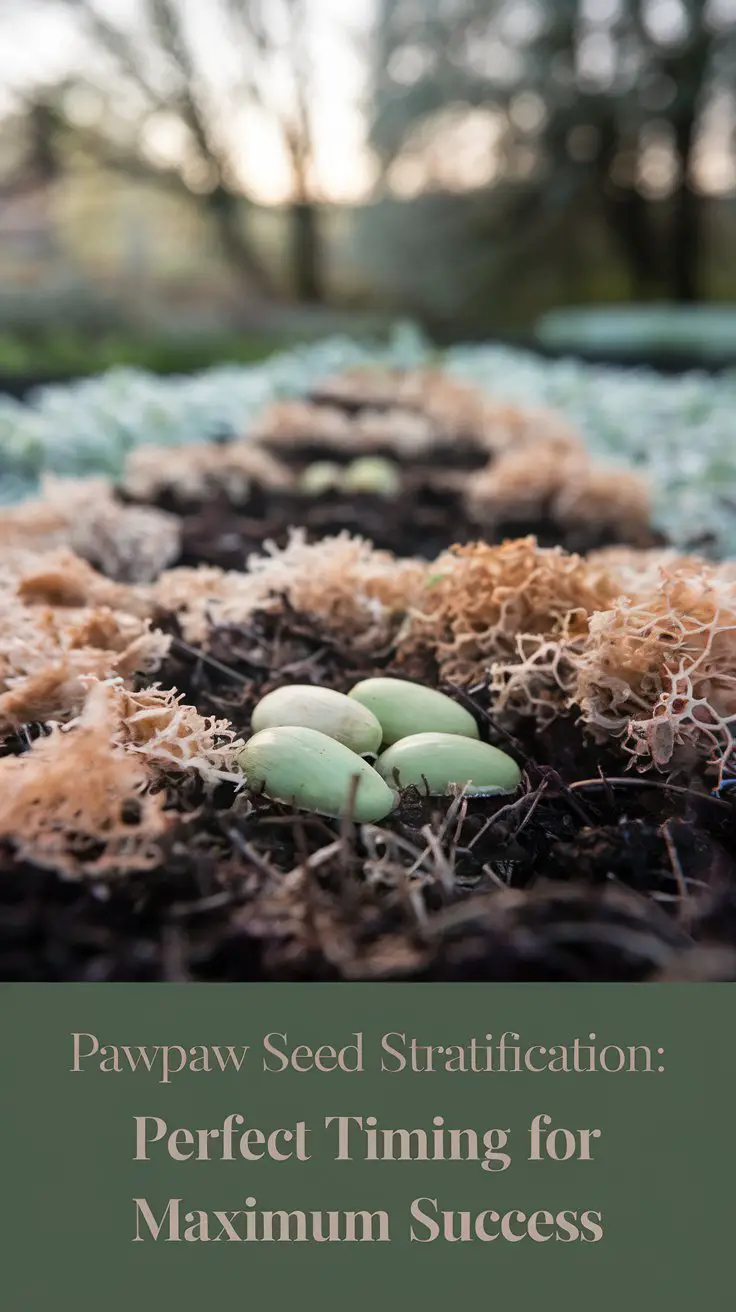
Post Views: 296 Master pawpaw seed stratification with expert timing, temperature control, and moisture management. Learn how to maximize germination success and grow thriving pawpaw trees. Pawpaw seed stratification requires 90-120 days of cold, moist conditions at 32-40°F (0-4°C) for optimal germination. Maintain consistent moisture and temperature, checking seeds weekly. Start stratification in late fall for spring planting to achieve the highest success rate in transforming your pawpaw seeds into thriving trees. Hello, I’m Ashley Scott, a horticulturist specializing in native fruit trees. With over 15 years of experience in pawpaw cultivation, I’m excited to share my expertise on the crucial process of pawpaw seed stratification. This guide will help you achieve maximum germination success and set the foundation for healthy pawpaw trees. Understanding Pawpaw Seed Stratification Pawpaw (Asimina triloba) seeds require a period of cold stratification to break dormancy and trigger germination. This process mimics the natural winter conditions that pawpaw seeds would experience in their native habitat. Key points about pawpaw seed stratification: The Perfect Timing for Pawpaw Seed Stratification Timing is crucial for successful pawpaw seed stratification. Here’s how to get it right: According to the Kentucky State University Pawpaw Research Program, this timing aligns with the natural cycle of pawpaw trees and optimizes germination rates. Temperature Control for Optimal Stratification Maintaining the correct temperature range is critical for pawpaw seed stratification: For precise temperature control, consider using a digital thermometer with a probe to monitor your stratification medium. Moisture Management During Stratification Proper moisture levels are essential for successful pawpaw seed stratification: The North American Pawpaw Growers Association recommends using a zip-lock bag or sealed container to help retain moisture during stratification. Monitoring Techniques for Stratification Success Regular monitoring ensures optimal conditions throughout the stratification period: Post-Stratification Care and Planting After the stratification period, handle your pawpaw seeds with care: For more detailed information on pawpaw cultivation, consult the Pawpaw Planting Guide from Plants for a Future. Troubleshooting Common Stratification Issues Even with careful attention, problems can arise during pawpaw seed stratification: Mastering pawpaw seed stratification is key to successfully growing these unique native trees. By carefully controlling timing, temperature, and moisture, you can maximize germination rates and set the stage for healthy pawpaw trees. Remember, patience is crucial – the stratification process takes time, but the reward of homegrown pawpaws is well worth the effort. With these techniques, you’re well-equipped to transform your pawpaw seeds into thriving trees. Happy growing! For more gardening tips and plant care guides, visit usagardenhub.com
