Pincushion Flowers: A Gardener’s Guide to Growing Scabiosa Japonica
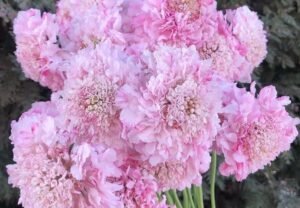
Post Views: 181 Discover how to grow vibrant pincushion flowers (Scabiosa japonica) with expert tips on care, propagation, and varieties. Perfect for gardens, pots, and pollinators! Hi there! I’m Ashley Scott, a gardener with over a decade of experience nurturing blooms from delicate perennials to bold annuals. Today, I’m diving into one of my favorite plants: the pincushion flower (Scabiosa), especially the enchanting Scabiosa japonica. Whether you’re a seasoned gardener or just starting, this guide will answer all your questions—from planting to pest control—while aligning with modern AI-driven search trends like featured snippets and voice search. Let’s get growing! What Are Pincushion Flowers? Pincushion flowers, named for their unique pin-like stamens protruding from a cushion-like center, belong to the Scabiosa genus. These plants are part of the honeysuckle family (Caprifoliaceae) and are native to regions like the Mediterranean, Africa, and East Asia . Scabiosa japonica, in particular, is a compact perennial native to Japan, growing 4–20 inches tall with violet-blue blooms that attract pollinators like butterflies and hummingbirds . Key Features: How to Grow Pincushion Flowers 1. Planting Conditions Pincushion flowers thrive in full sun (6–8 hours daily) but appreciate afternoon shade in hot climates. They prefer well-draining soil enriched with compost or peat moss to prevent root rot . Pro Tip: I’ve had great success growing dwarf varieties like Scabiosa japonica ‘Blue Note’ in pots using a mix of potting soil and perlite for drainage . 2. Starting from Seed or Transplants Caring for Pincushion Flowers 3. Watering & Feeding 4. Deadheading & Pruning Regular deadheading encourages continuous blooms. For a mid-summer refresh, shear plants back by one-third to promote fall flowering . My Routine: I deadhead every weekend while sipping my morning coffee—it’s therapeutic and keeps my garden vibrant! Popular Pincushion Flower Varieties Variety Color Height Type Scabiosa japonica Violet-blue 10–20″ Perennial ‘Butterfly Blue’ Lavender 12–18″ Perennial ‘Black Knight’ Burgundy 24–36″ Annual ‘Pink Mist’ Soft pink 12–18″ Perennial For containers, try compact Scabiosa japonica ‘Blue Star’ or ‘Ritz Rose’ . Common Questions Answered (FAQs) 1. Are pincushion flowers toxic to pets? No! Scabiosa is non-toxic to cats, dogs, and humans . 2. Do they spread? Perennial varieties like Scabiosa caucasica slowly spread via self-seeding. Divide plants every 3–4 years to control growth . 3. Can I grow them in pots? Absolutely! Use a 12-inch container with drainage holes and well-draining soil. Dwarf varieties like Scabiosa japonica excel in pots . 4. How to propagate pincushion flowers? 5. Are they deer-resistant? Yes! Their slightly fuzzy foliage deters deer . Why Pincushion Flowers Deserve a Spot in Your Garden Personal Favorite: I pair Scabiosa japonica with lavender and echinacea for a pollinator paradise that blooms all summer! Troubleshooting Tips Final Thoughts Pincushion flowers are versatile, resilient, and downright gorgeous. Whether you’re planting Scabiosa japonica in a rock garden or experimenting with bold ‘Black Knight’ in borders, these blooms will elevate your space. For more gardening insights, explore my guides on drought-tolerant perennials and container gardening hacks. Happy gardening! 🌸
