Pinwheel Coneflower (Echinacea): Your Complete Guide to Growing and Caring for This Unique Plant
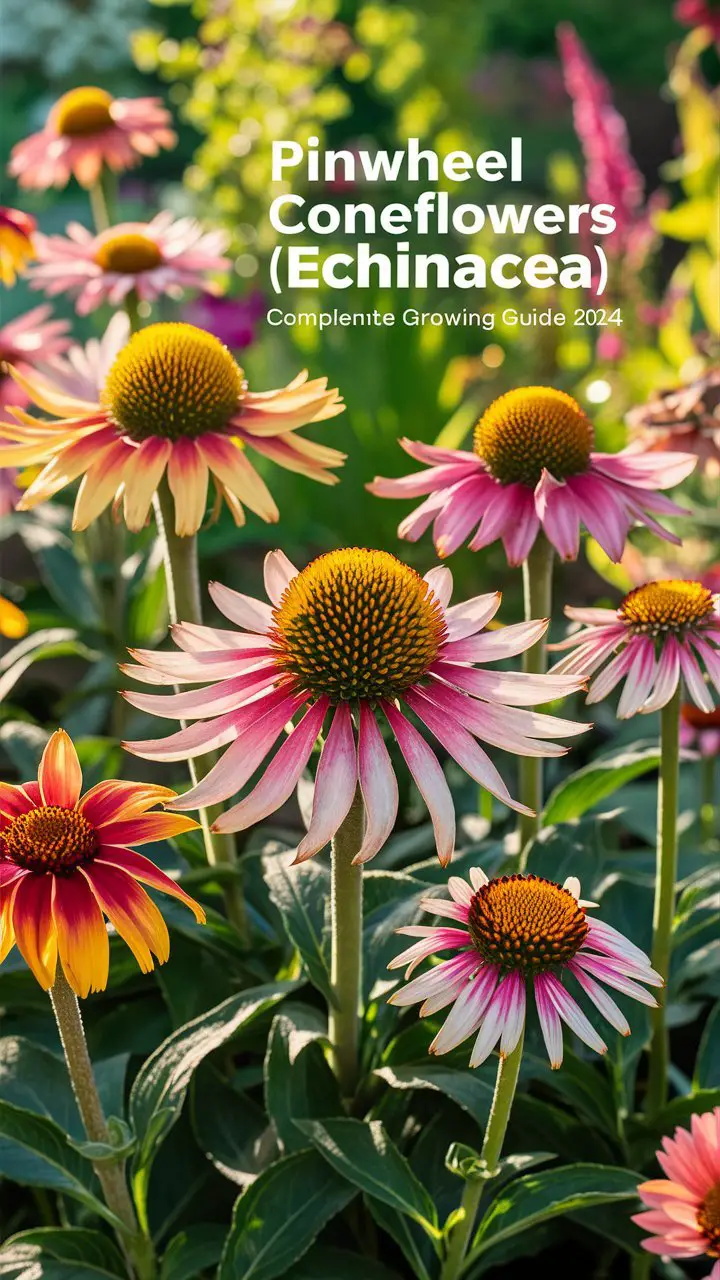
Post Views: 232 Discover everything about the Pinwheel Coneflower—from planting tips to its uses. Ashley Scott shares 10 years of gardening know-how for USA growers! Hey there, gardening friends! I’m Ashley Scott, and I’ve been messing around with plants for over 10 years now. One of my absolute favorites is the Pinwheel Coneflower (Echinacea). Picture this: a flower that looks like it’s twirling in the wind, with petals fanned out like a pinwheel. That’s the charm of this beauty! It’s caught my eye—and my heart—ever since I first planted it in my garden. In this guide, I’m spilling all the dirt (pun intended) on what makes this plant special, how to grow it, and why it’s a must-have for any gardener in the USA. Whether you’re new to gardening or a seasoned pro, stick with me—I’ll walk you through everything you need to know about the Pinwheel Coneflower, from its roots to its blooms. What is the Pinwheel Coneflower (Echinacea)? The Pinwheel Coneflower (Echinacea) is a standout variety of the Echinacea genus, a group of plants native to North America. It’s part of the Asteraceae family, which you might know better as the daisy family. What makes this coneflower special? It’s all in the petals. Unlike your typical coneflower with droopy petals, the Pinwheel Coneflower has petals arranged in a whorled, pinwheel-like pattern. It’s almost like nature decided to give it a little extra flair! I’ll never forget the first time I saw one in bloom. I’d just planted it in my backyard, and within weeks, it was stealing the show. The vibrant purple-pink flowers (though colors can vary) popped against the green foliage, and soon enough, butterflies and bees were all over it. It’s not just a plant—it’s a conversation starter. Botanical Information: Digging into the Details Let’s get nerdy for a minute and talk science. Here’s the lowdown on the Pinwheel Coneflower: This perennial grows to about 2-3 feet tall and spreads 1-2 feet wide. It dies back in winter but bounces back each spring with gusto. Want to geek out more? Check out this botanical overview from the Missouri Botanical Garden. Growing and Caring for Pinwheel Coneflower Good news: the Pinwheel Coneflower isn’t fussy. With a little know-how, you can grow it like a pro. Here’s how I’ve kept mine thriving for years: Planting Pinwheel Coneflower Starting from seeds? You can sow Pinwheel Coneflower Echinacea seeds directly outside after frost danger passes or kick things off indoors 8-10 weeks earlier. Need a seed-starting refresher? I’ve got you covered with my guide on starting seeds indoors. Watering and Fertilizing Pruning and Maintenance For more care tips, this University of Minnesota Extension page is a goldmine. Uses of Pinwheel Coneflower The Pinwheel Coneflower isn’t just a pretty face—it’s got purpose too. Here’s how I’ve put it to work: Ornamental Uses Want more pollinator action? Peek at my post on creating a pollinator-friendly garden. Medicinal Uses Now, here’s where it gets interesting. While I grow the Pinwheel Coneflower mostly for looks, its cousin Echinacea purpurea has a rep for health benefits. People have used it for ages to boost immunity and fend off colds. You can brew teas or make tinctures from the roots, leaves, or flowers. That said, the Pinwheel Coneflower Echinacea uses for medicine aren’t as well-documented—it’s a cultivar, after all. If you’re serious about herbal remedies, stick with standard purple coneflower uses or chat with a herbalist. Curious? The National Center for Complementary and Integrative Health has the scoop. Frequently Asked Questions Got questions? I’ve got answers! These are the ones I hear most about the Pinwheel Coneflower: What’s the difference between Pinwheel Coneflower and other Echinacea varieties? It’s all about the petals. The Pinwheel Coneflower has that whorled, pinwheel look, while most coneflowers have droopy petals. It’s like comparing a twirly skirt to a straight one—both cute, just different styles! Can I grow Pinwheel Coneflower from seeds? Yep! Sow Pinwheel Coneflower Echinacea seeds outdoors post-frost or start them inside earlier. Note: since it’s a cultivar, seed-grown plants might not match the parent exactly. Is Pinwheel Coneflower deer-resistant? Mostly, yes. Deer don’t love Echinacea’s texture or taste, but hungry ones might still nibble. I’ve been lucky in my yard, though! How tall does Pinwheel Coneflower grow? Expect 2-3 feet tall and 1-2 feet wide—nice and compact. When does Pinwheel Coneflower bloom? It struts its stuff from mid-summer to early fall, giving you months of color. For more gardening Q&As, swing by USA Garden Hub. Wrapping It Up The Pinwheel Coneflower (Echinacea) is a total win for any garden. It’s easy to grow, gorgeous to look at, and brings all the pollinators to the yard. After a decade of gardening, I can say it’s one of my top picks—especially when I see those butterflies dancing around it every summer. Ready to plant your own? I’d love to hear how it goes—or if you’ve already got one, tell me your story in the comments! Happy digging, friends!
