
Discover plants that look like aloe vera but aren’t. Learn differences, care tips, and poisonous plants that look like aloe vera. Perfect for gardeners.
Hi, I’m Ashley Scott. I have gardened for 10 years. I run USA Garden Hub. I love succulents. One day, I picked a plant thinking it was aloe vera. It was not. It was a haworthia. That mistake taught me a lot. Many plants that resemble aloe vera exist. Some help heal like aloe. Others do not. Some are even toxic. In this post, I share 12 aloe look alike plant options. I include tips from my garden. This helps you pick the right one.
What Is Aloe Vera?
Aloe vera is a succulent. It has thick, green leaves. The leaves hold gel. People use the gel for burns. It grows in rosettes. It likes sun and dry soil. I grow aloe in pots on my windowsill. It is easy. But some plant similar to aloe vera confuse people. They look the same at first glance.
Common Plants That Look Like Aloe Vera
Here are 12 plants that look like aloe vera but aren’t. I describe each. I note similarities and differences. I add care tips from my experience.
1. Haworthia (Zebra Plant)
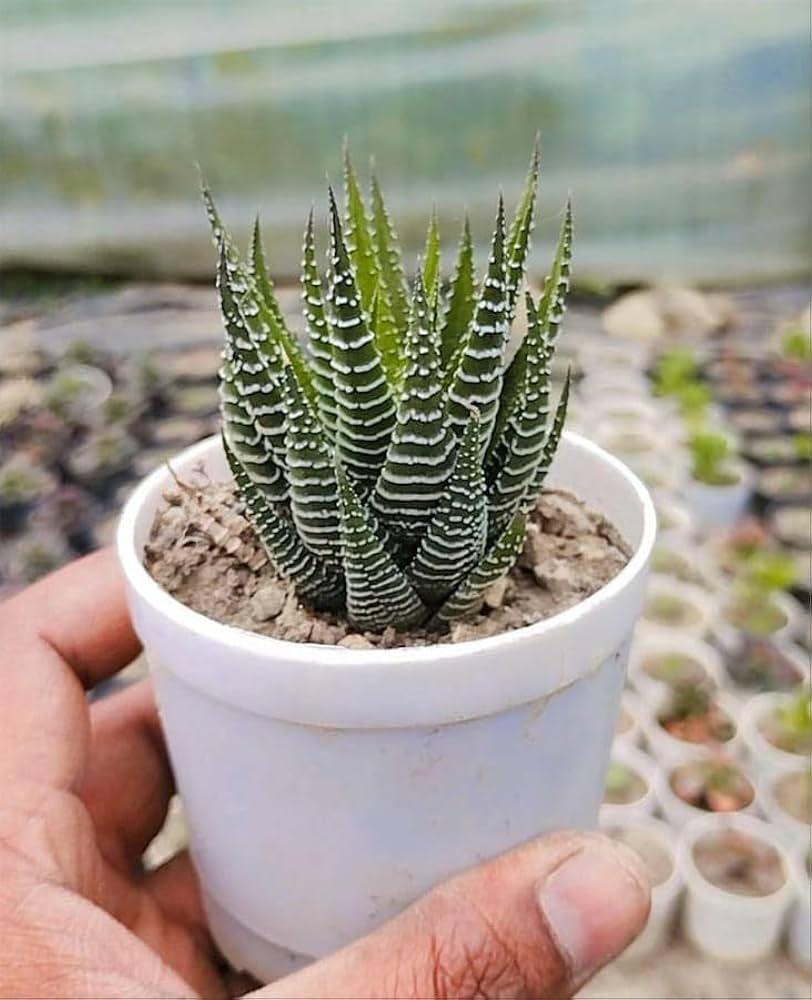
Haworthia is a small succulent. It forms rosettes like aloe. Leaves are thick and pointed. They have white stripes. This makes it an aloe look alike plant.
Differences: Leaves are shorter than aloe. No gel inside. It stays small.
In my garden, I keep haworthia indoors. It needs less sun than aloe. Water it every two weeks. For more on small succulents, check my guide on indoor succulent plants. Learn details from the Royal Horticultural Society.
2. Gasteria (Ox Tongue Plant)
 ukhouseplants.com
Gasteria has tongue-shaped leaves. They grow in rosettes. Leaves are fleshy and spotted. It is a plant that looks like aloe plant.
Differences: Leaves are flatter and wider. No spines on edges. It grows slower.
I planted gasteria in shade. It thrives with little water. Mix it with other succulents for variety. See my post on succulent varieties. Read care info at Missouri Botanical Garden.
3. Agave
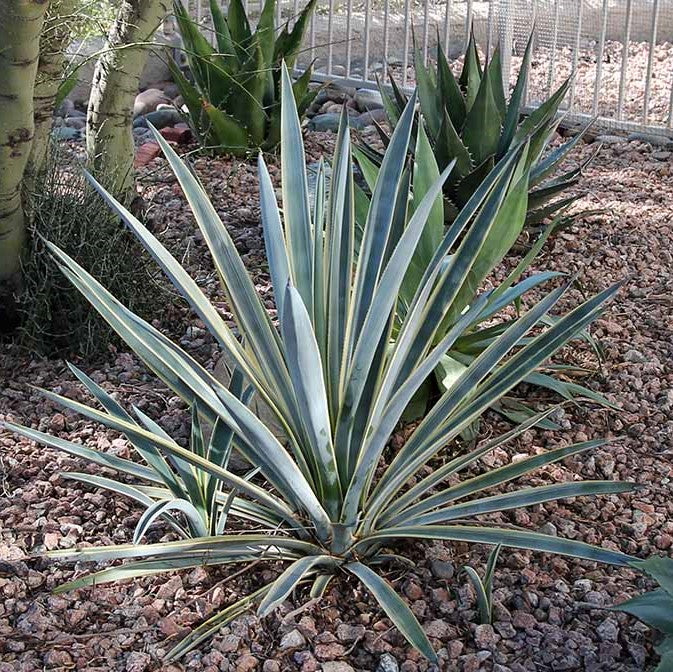
Agave forms large rosettes. Leaves are long and spiky. It stores water like aloe. This is a common plant similar to aloe.
Differences: Leaves are tougher. It blooms once and dies. No healing gel.
I grew agave outdoors. It handles drought well. Use gloves to handle it. For desert plants, visit my article on desert gardening tips. Explore more at University of Florida IFAS Extension.
4. Yucca
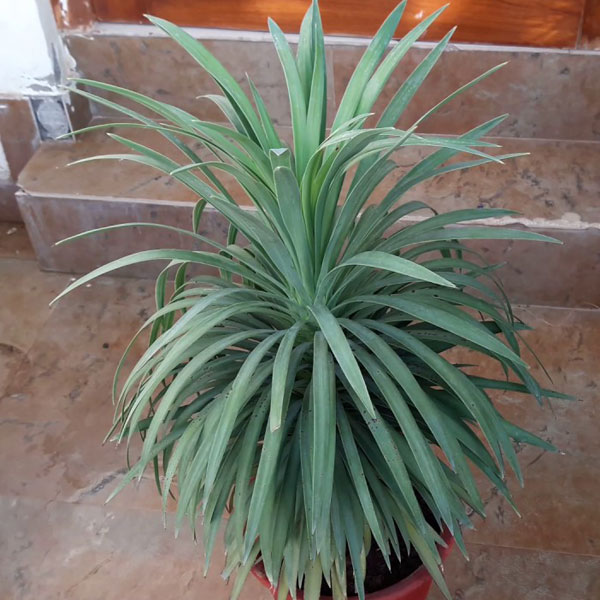
Yucca has sword-like leaves. They grow in clusters. It looks tall like some aloe. It is a plants that look like aloe vera.
Differences: Leaves are thinner and sharper. It can grow into a tree.
In my yard, yucca adds height. It needs full sun. Prune dead leaves yearly. Check my guide on tall garden plants. Get facts from North Carolina State Extension.
5. Echeveria
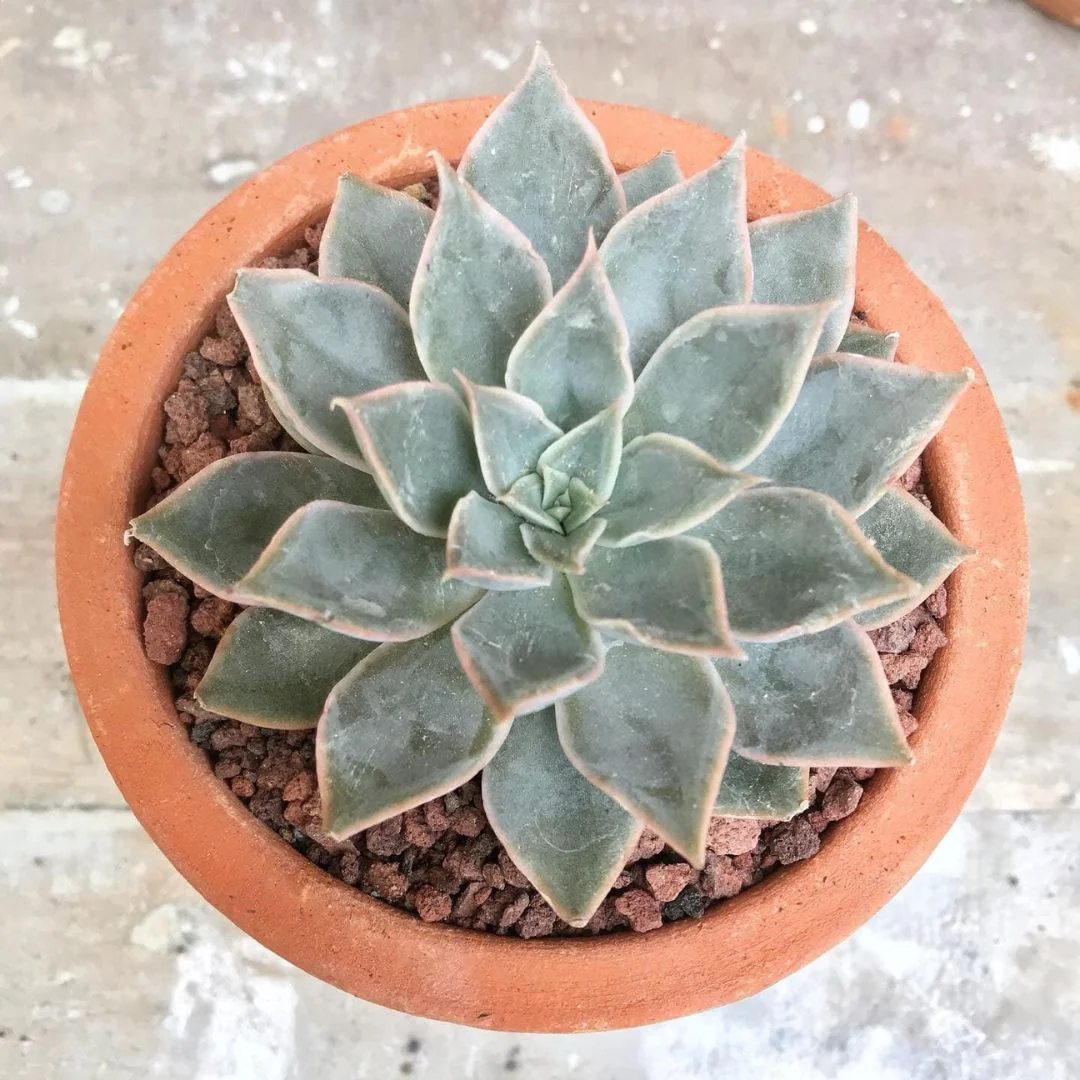
Echeveria has round rosettes. Leaves are plump and colorful. It mimics aloe shape. This is an aloe look alike plant.
Differences: Leaves are softer. Colors vary from blue to pink. No spikes.
I use echeveria in arrangements. Water from the bottom to avoid rot. For colorful succulents, see colorful plant ideas. View info at Cornell University Gardening.
6. Stapelia (Carrion Flower)
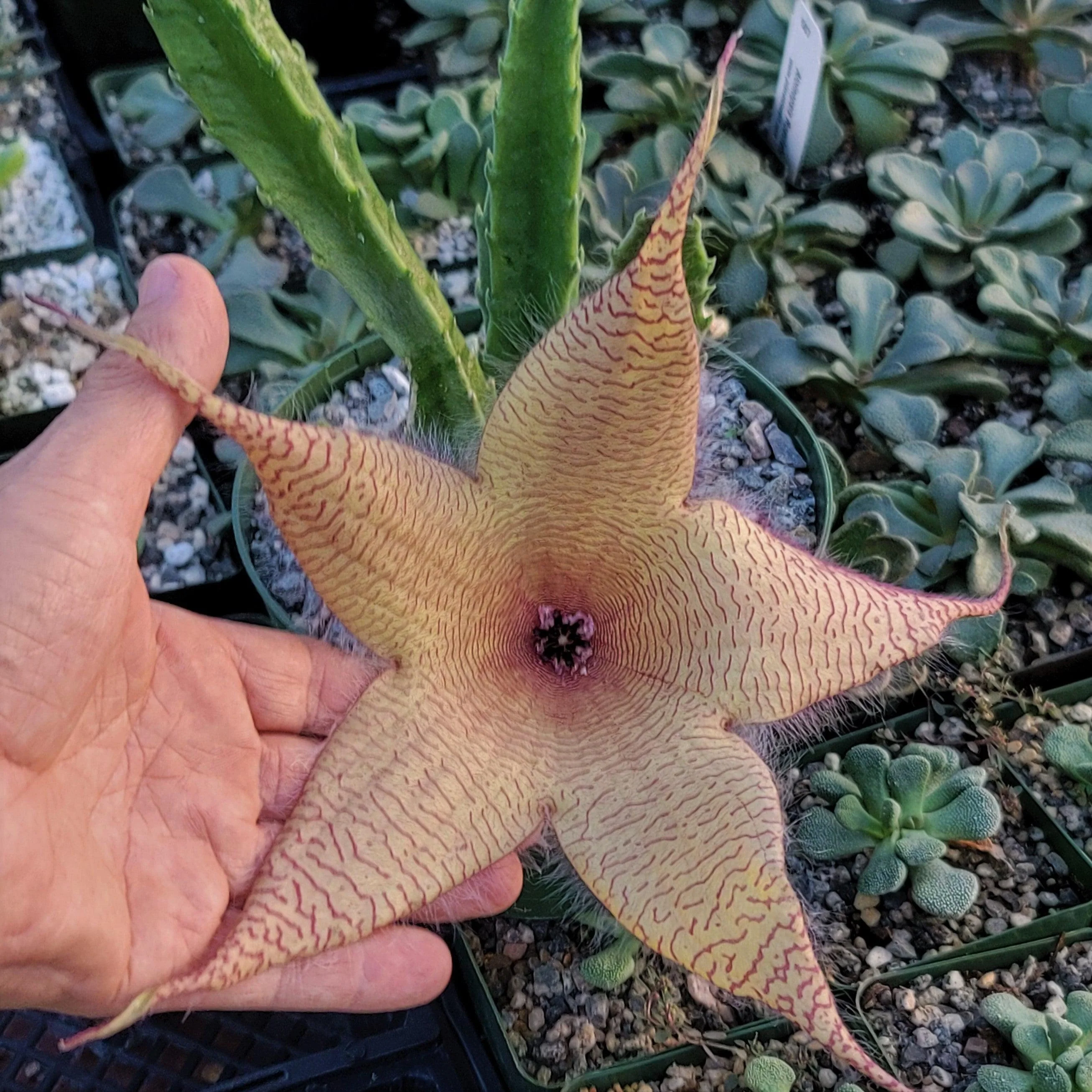
Stapelia has thick stems. They branch like aloe leaves. It is succulent. A plant similar to aloe vera.
Differences: No leaves. Flowers smell bad to attract flies.
I tried stapelia once. The smell surprised me. Keep it outside. It likes dry conditions.
7. Aeonium
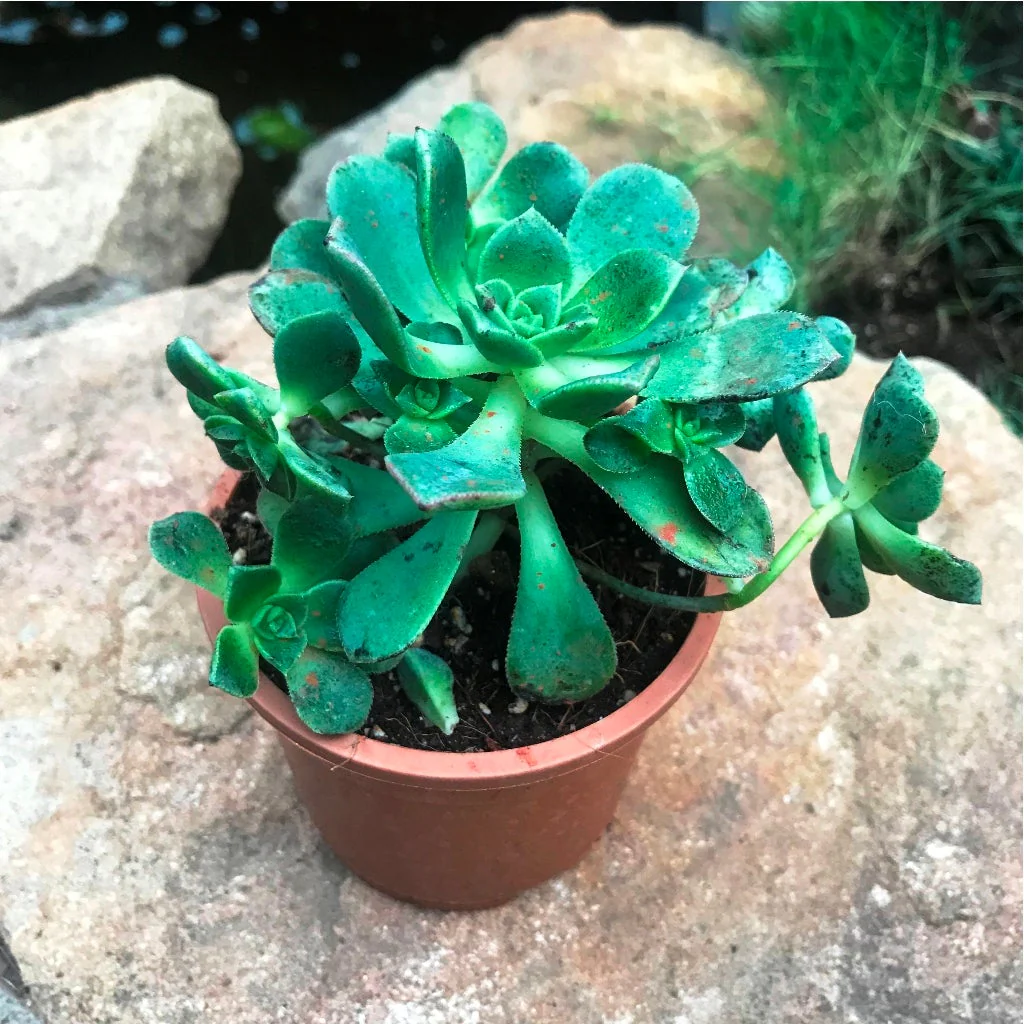
Aeonium grows in rosettes. Leaves are fleshy. It branches more. An plants that resemble aloe vera.
Differences: Stems are woody. Leaves drop in summer.
In my experience, aeonium needs protection from frost. Propagate from cuttings easily.
8. Faucaria (Tiger Jaws)
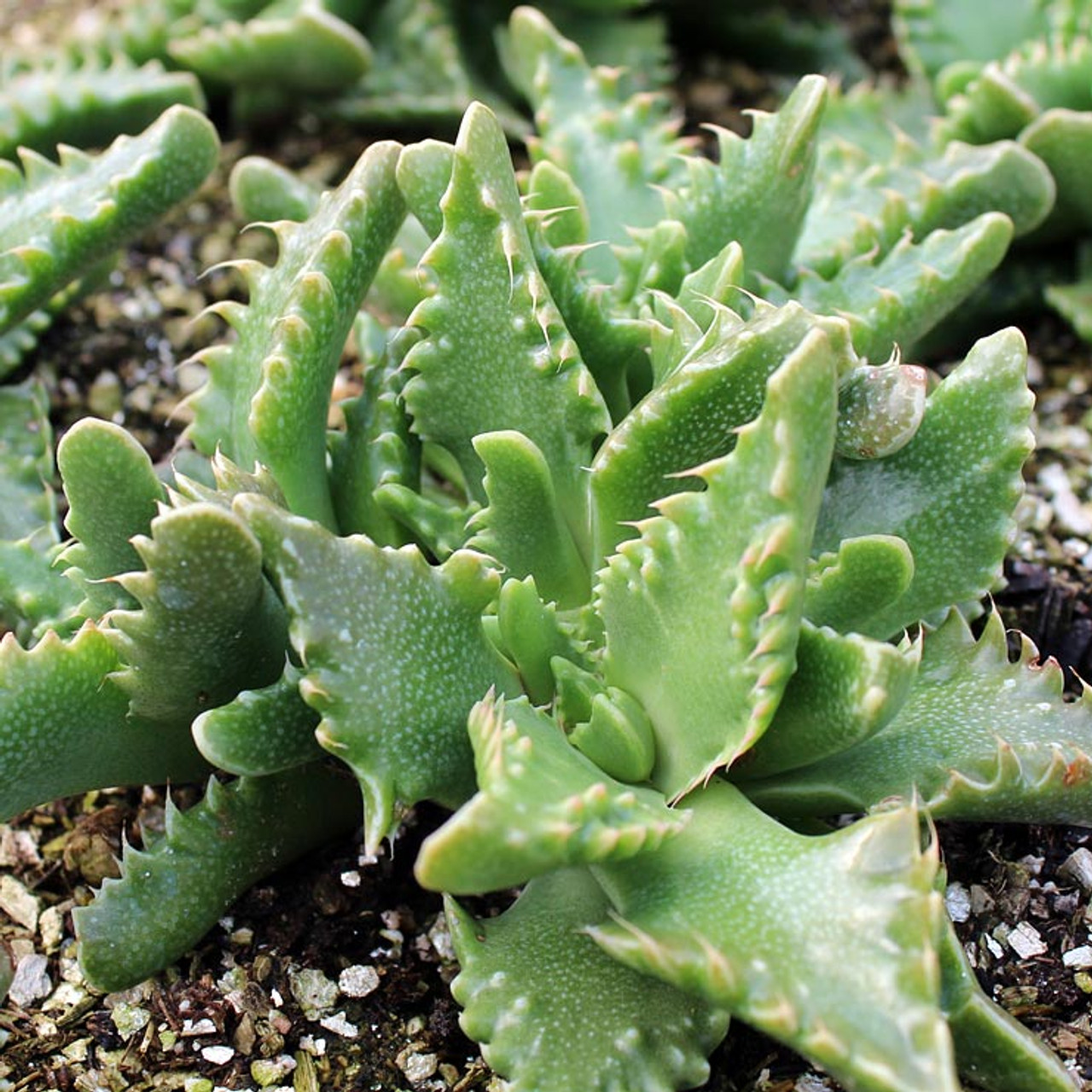
Faucaria has jaw-like leaves. They are thick and toothed. Looks like small aloe.
Differences: Leaves pair up. Flowers are yellow.
I grow it for fun. It stays compact. Good for beginners.
9. Sedum (Stonecrop)
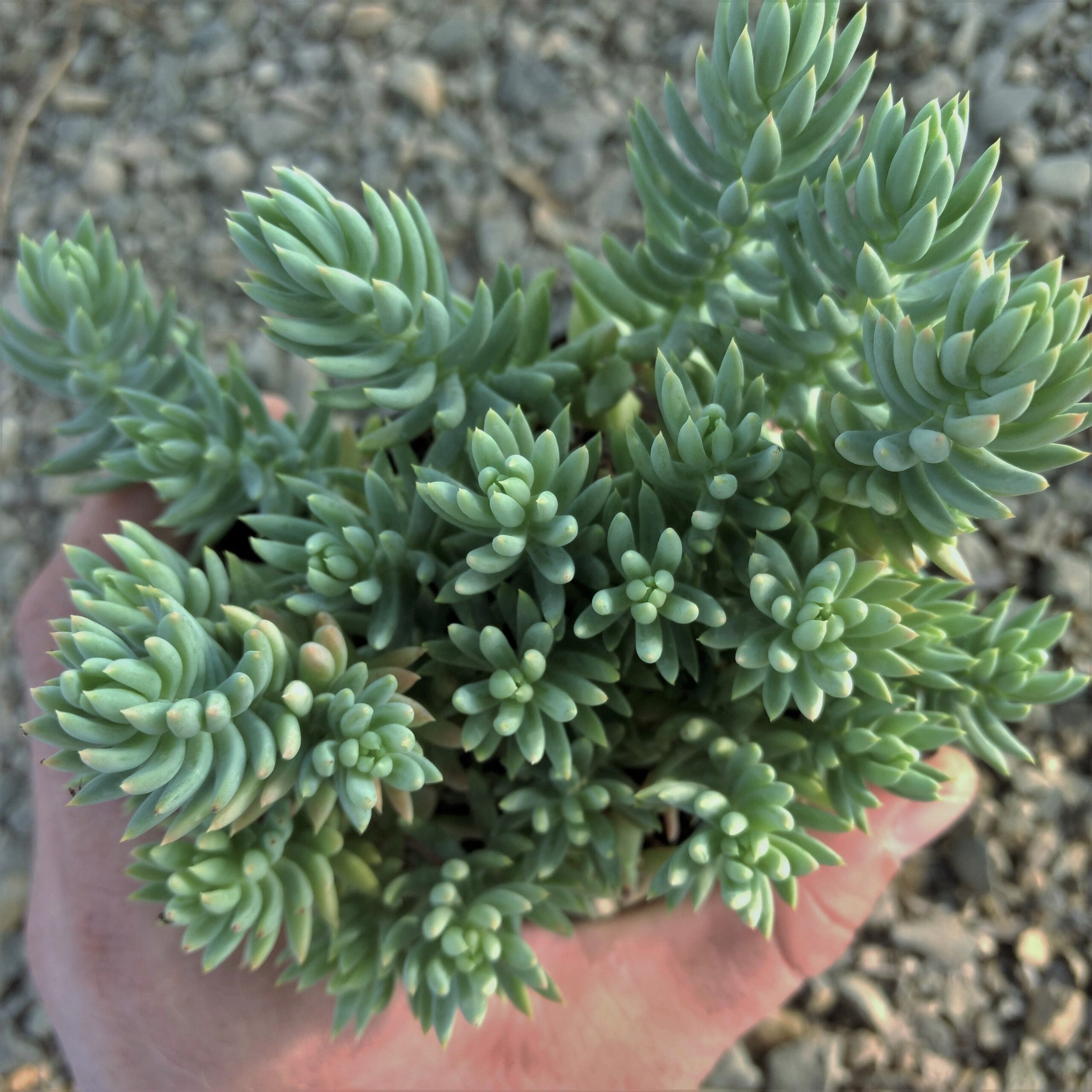
Sedum has fleshy leaves. Some form rosettes. A plant that looks like aloe plant.
Differences: Grows low or trailing. Flowers in clusters.
I use sedum as ground cover. It spreads fast in sun.
10. Euphorbia
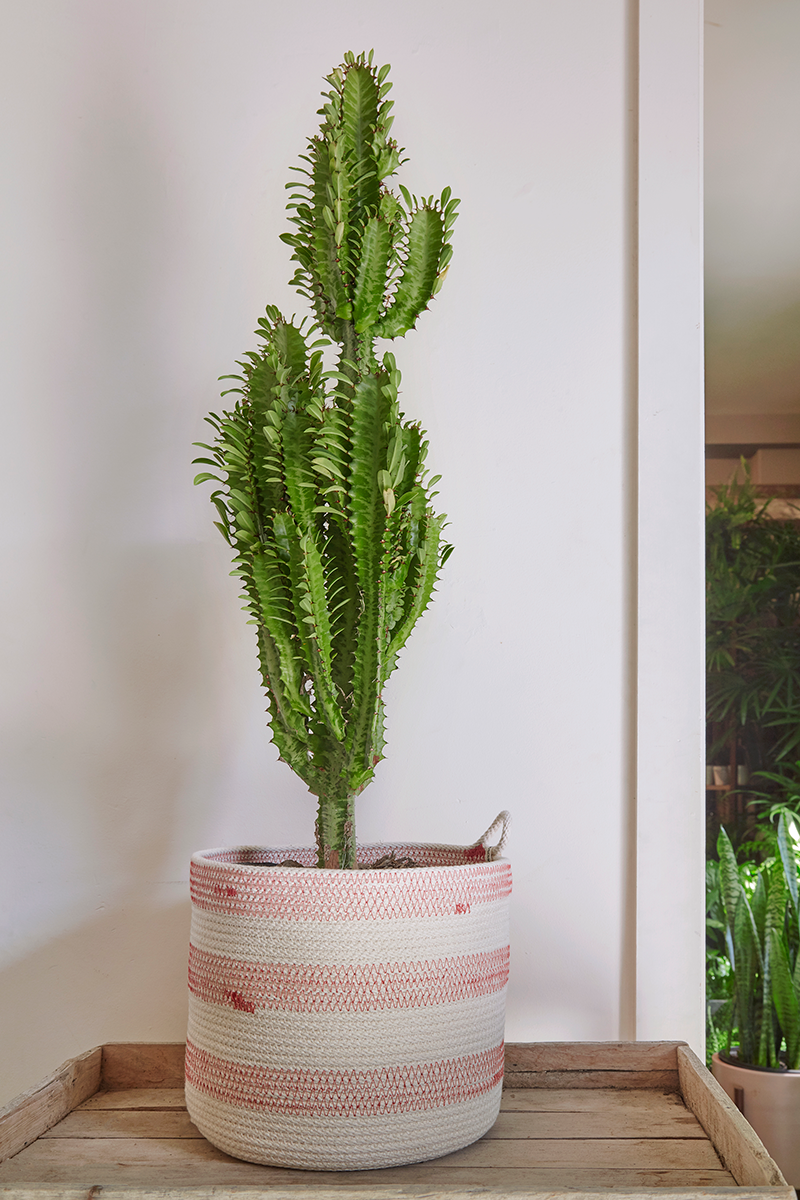
Euphorbia has upright stems. Some look succulent. A plants that look like aloe vera but aren’t.
Differences: Milky sap inside. Not gel.
Handle with care. Sap irritates skin.
11. Dryland Bromeliads
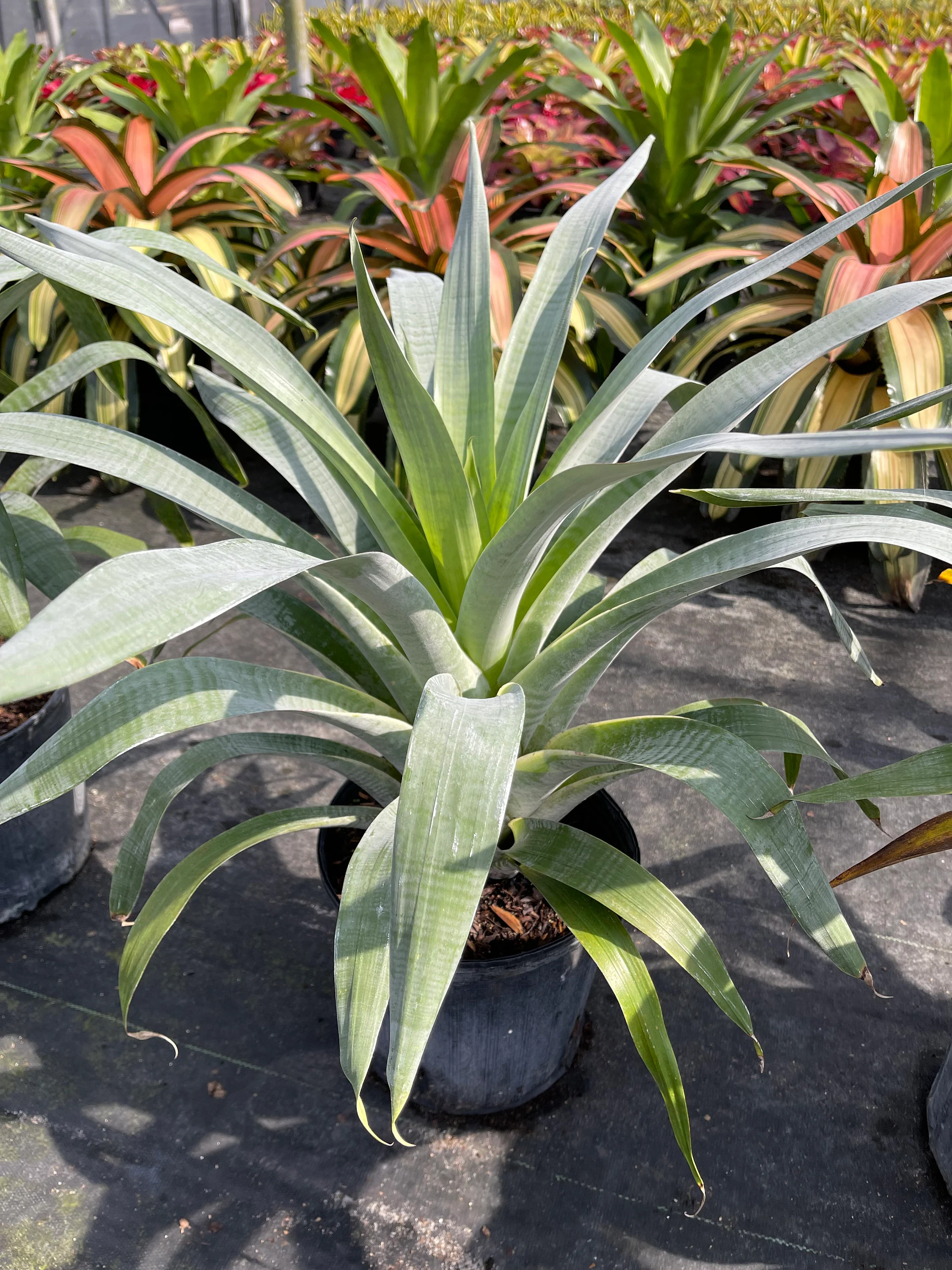
These have stiff leaves in rosettes. Similar to aloe.
Differences: Catch water in center.
I add them for texture. They like humidity.
12. Snake Plant
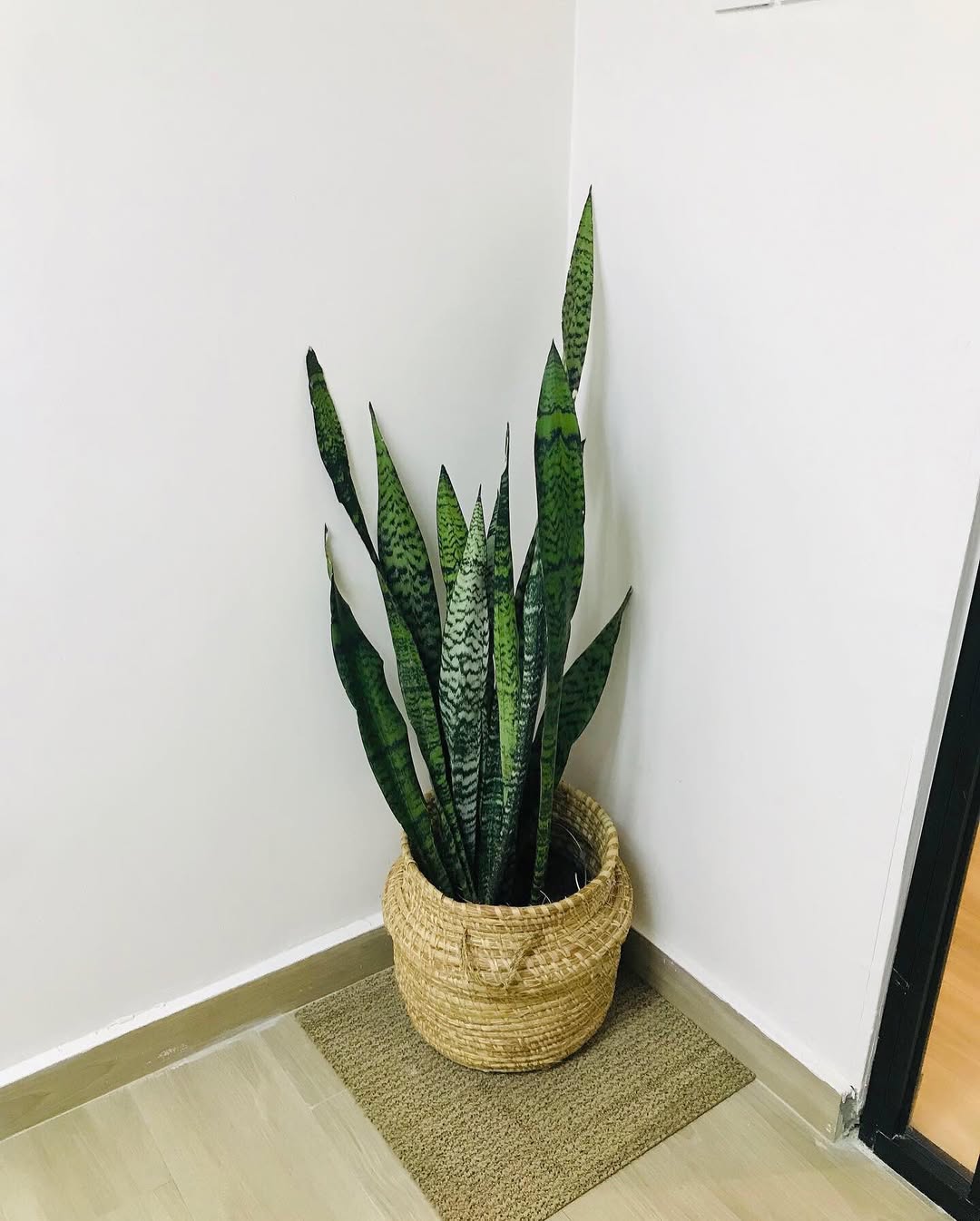
Snake plant has tall, flat leaves. Upright growth like aloe.
Differences: Leaves are striped. Grows in low light.
I keep one in my bedroom. It cleans air.
Poisonous Plants That Look Like Aloe Vera
Some poisonous plants that look like aloe vera exist. Be careful. Kids and pets might eat them.
1. Euphorbia (Poisonous)
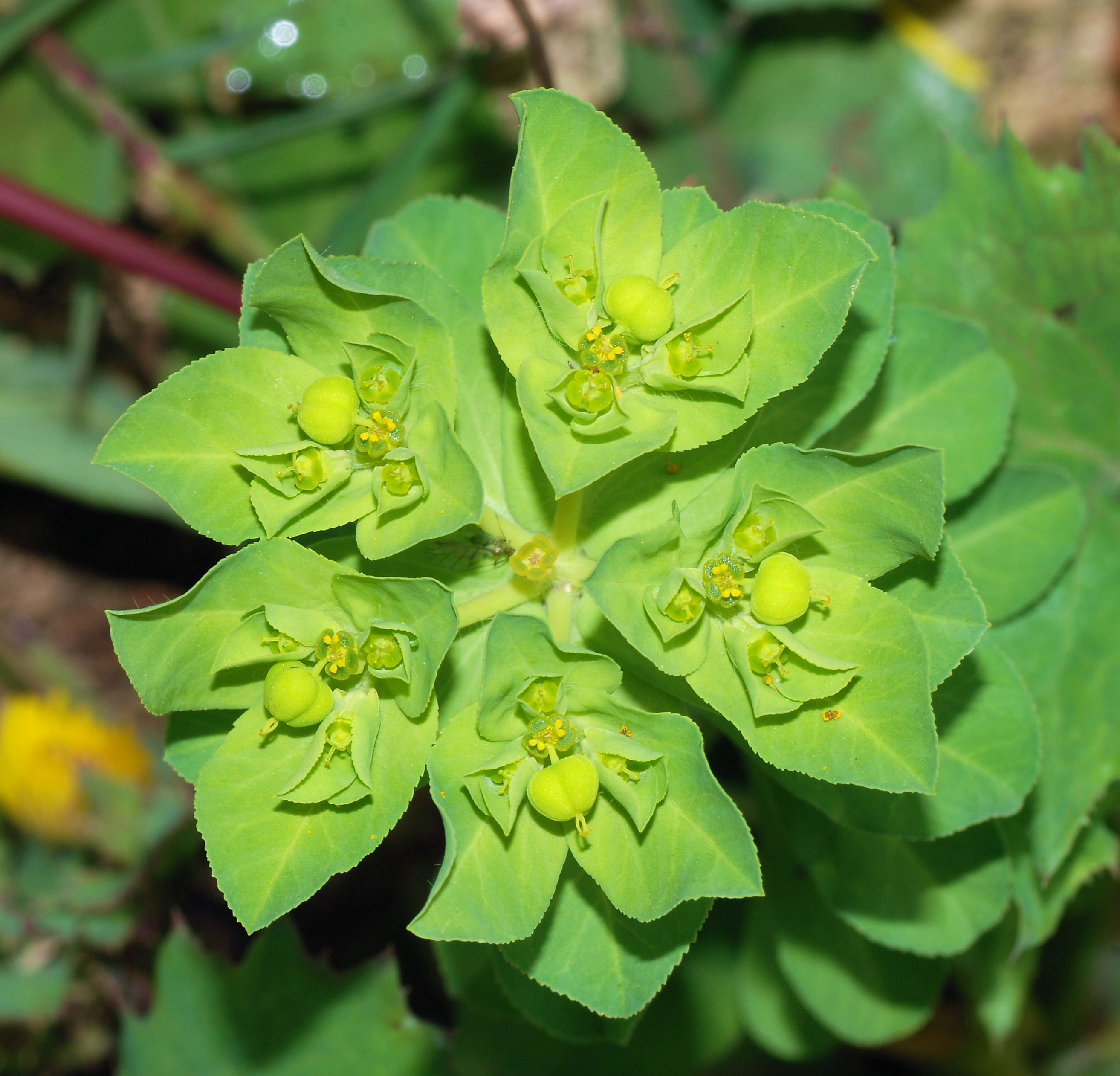
Euphorbia sap is toxic. It causes rash or stomach issues if eaten.
In my garden, I label toxic plants. Keep them high. Check toxicity at ASPCA.
2. Agave (Irritant)
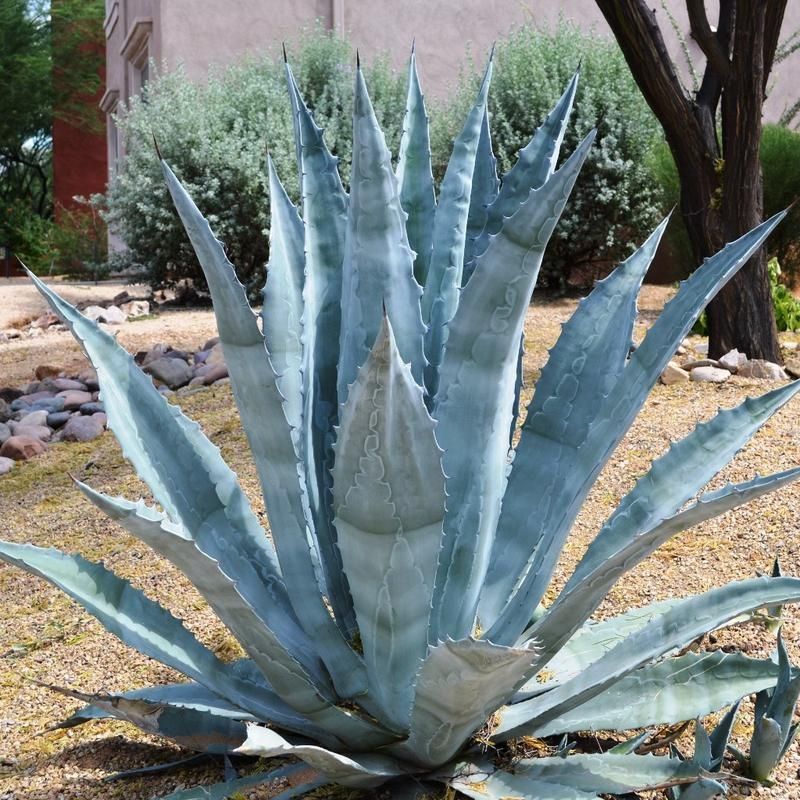
Agave sap irritates skin. Not deadly, but watch out.
I wear gloves when pruning.
3. Aloe Aristata (Toxic Aloe)
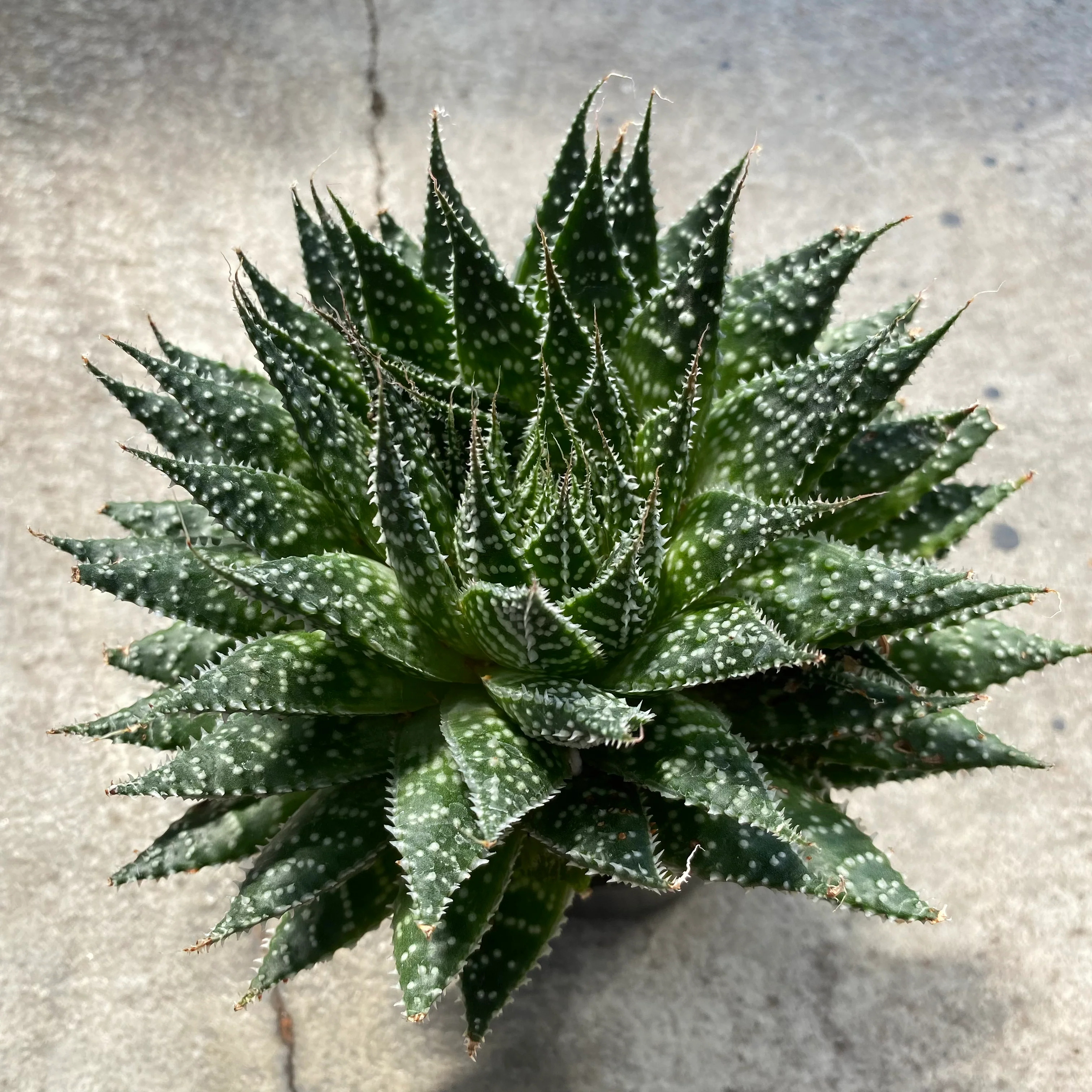
This aloe is toxic if eaten. Causes vomiting.
It looks like vera but has lace edges.
Differences: Smaller size.
How to Tell Aloe Vera Apart from Look-Alikes
Look at leaves. Aloe has gel. Smell it; aloe is mild. Check edges; aloe has small teeth.
Measure size. Aloe grows to 2 feet.
In my 10 years, I use a magnifying glass for spots.
Care Tips for These Plants
Most need well-draining soil. Water when dry. Give sun but not too much.
I fertilize monthly in spring. Rotate pots for even growth.
For more, read my succulent care guide.
Why Know These Plants?
You avoid mistakes. You pick safe ones. You diversify your garden.
I once swapped haworthia for aloe. Now my collection is better.
Explore more at USA Garden Hub.