Primrose Flower: A Comprehensive Guide to Meaning, Care, and Symbolism
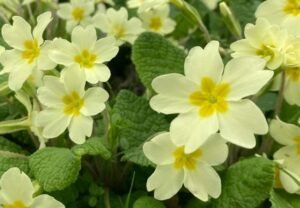
Post Views: 363 Discover the charm of Primroses! Learn how to grow these early-blooming flowers, their various types and why they’re perfect for adding color to your garden as winter fades. Ideal for both novice and experienced gardeners. Hi there! I’m Ashley Scott, and with 10 years of gardening experience under my belt, I’m excited to dive into the world of the primrose flower with you. Whether you’re curious about its meaning, how to grow it, or even why it’s a popular tattoo choice, this guide has you covered. Picture this: it’s early spring, and those first pops of color—yellow, pink, blue—start peeking through the soil. That’s the magic of primroses! Let’s explore everything you need to know about this delightful flower, from my own garden adventures to tips that’ll help you nurture your own. What is a Primrose Flower? The primrose flower, scientifically known as Primula vulgaris, is a perennial plant that’s been stealing hearts for centuries. Part of the Primulaceae family, it’s native to Europe and parts of Asia, where it thrives in woodlands and shady spots. These little beauties are famous for blooming early—sometimes even poking through late winter snow—with clusters of flowers atop a rosette of soft green leaves. I first fell in love with primroses when I planted them along the shady edge of my garden at home. Their versatility is a big draw; they come in colors like yellow, pink, white, and blue, making them a go-to for adding charm to any space. Plus, their name comes from the Latin “primus,” meaning “first,” which perfectly suits their early-blooming nature. Want to learn more about plants that kick off the growing season? Check out my post on spring gardening essentials over at USA Garden Hub. Primrose Flower Meaning and Symbolism So, what’s the primrose flower meaning? These blooms carry a lot of heart. Over the years, I’ve learned they’re tied to themes like: Primroses pop up in folklore and literature too. Shakespeare called them out in A Winter’s Tale, and they’ve long been linked to protection—like warding off bad vibes. I once read on Gardening Know How that some folks even planted them near their doors for good luck. Pretty cool, right? Evening Primrose vs. Common Primrose: What’s the Difference? Now, let’s clear up a common mix-up: the evening primrose. Despite the name, it’s not the same as the Primula vulgaris I’ve been gushing about. Evening primroses belong to the Oenothera genus and have their own vibe: I tried growing evening primrose once, and watching those flowers unfurl at sunset was pure magic. If you’re curious about its perks, The University of Maryland Medical Center has a great rundown on its uses. How to Grow Primroses: My Care Tips Ready to get your hands dirty? Here’s how I’ve kept my primroses happy over the years: Planting Primroses Watering and Upkeep Troubleshooting For more on keeping your garden thriving, peek at my flower care tips on USA Garden Hub. Primrose Flower Colors and What They Mean One thing I adore about primroses is their variety. Here’s a quick guide to primrose flower colors and their symbolism: When I planted a mix of pink and yellow primroses last year, the combo was a total mood-lifter. Want to dig deeper into flower meanings? The Old Farmer’s Almanac has a fun list. Primroses Around the World Primroses aren’t just a Western thing—they’ve got fans globally. In India, for instance, the primrose flower in India thrives in cooler spots like the Himalayas. I’ve read they’re used in traditional remedies there too, which is fascinating. Over here in the USA, they’re a spring staple, especially in milder zones where they might bloom as early as February. For a global take on growing them, Royal Horticultural Society offers solid advice tailored to different climates. Primrose Flower Tattoos: A Growing Trend Ever thought about a primrose flower tattoo? They’re popping up more and more, and I get why: A friend of mine got a tiny yellow primrose tattoo to celebrate her daughter’s birth—such a sweet touch. Thinking of getting one? Pair it with your birth month—primroses are February’s birth flower, after all! Primrose as a February Birth Flower Speaking of birthdays, the primrose birth flower connection is a gem. If you’re a February baby (or know one), these flowers tie into that renewal vibe of early spring. I once gave my February-born sister a potted primrose, and she still talks about how it brightened her winter. For more on birth flowers, I’ve got a full guide at birth flowers by month. Quick Answers to Your Primrose Questions Got questions? I’ve got answers—optimized for those quick Google snippets or voice searches! What’s the primrose flower scientific name? It’s Primula vulgaris for the common primrose. When do primroses bloom? Early spring—think February to April, depending on your climate. Can I grow primroses indoors? Yep! Use a pot with drainage, indirect light, and keep the soil moist. Are primroses edible? Yes, flowers and leaves can be, but only if they’re pesticide-free. I’ve tossed a few into salads for a peppery kick. How do I start primrose flower seeds? Sow them in late winter, keep them cool, and be patient—they can take a month to sprout. For more details, Cornell University’s Growing Guide is a goldmine. Wrapping Up: Why Primroses Matter The primrose flower isn’t just a plant—it’s a little burst of hope, a nod to new starts, and a reminder of nature’s resilience. Whether I’m tending them in my garden, spotting them in a tattoo, or gifting them to a friend, they never fail to bring a smile. I hope this guide has sparked your curiosity or given you the confidence to grow your own. Swing by USA Garden Hub for more gardening goodies, and let me know how your primrose journey goes!
