
Learn how to propagate lucky bamboo in water or soil. This easy guide covers stem cuttings, rooting, and aftercare for growing new plants from your existing lucky bamboo.
I’ll never forget the first time I successfully propagated a lucky bamboo plant. A friend had given me a tall, leggy stalk, and I nervously made the cut. Within weeks, both the original plant and the cutting were thriving, creating two beautiful plants from one. This simple process opened up a world of possibilities for expanding my collection and sharing plants with friends.
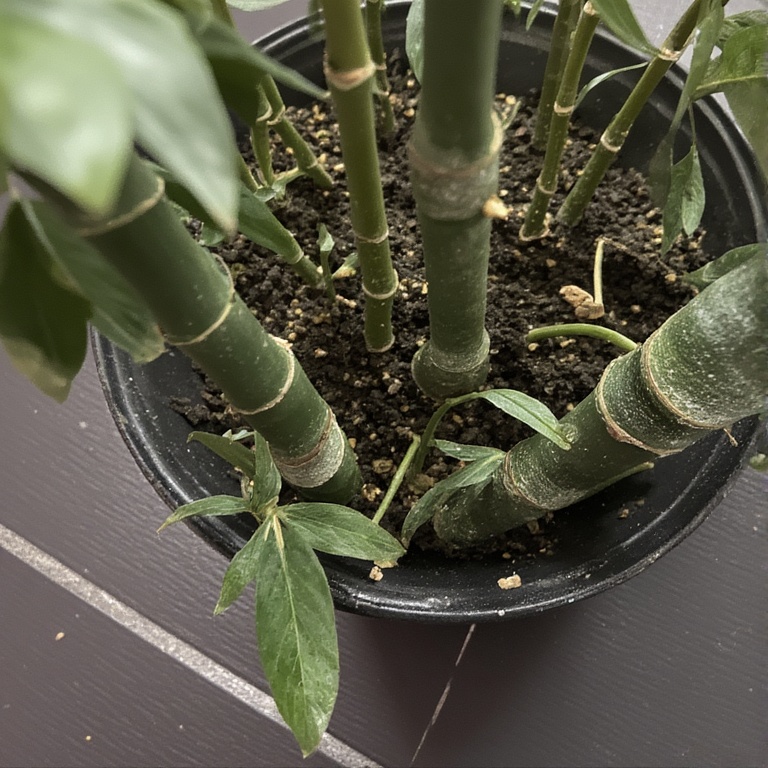
Lucky bamboo (Dracaena sanderiana) is one of the easiest plants to propagate. Despite its name, it’s not actually bamboo but a member of the Dracaena family. Propagation is typically done through stem cuttings, which readily produce roots when placed in water or soil.
Why Propagate Lucky Bamboo?
You should propagate your lucky bamboo to create new plants for free, perfect for gifts or expanding your indoor garden. It helps control the size and shape of an overgrown plant. Propagation can also save a plant that has become top-heavy or developed issues at the base. It’s an incredibly satisfying and easy process that even beginner gardeners can master.
Lucky Bamboo Propagation at a Glance
MethodBest ForTime to RootSuccess RateWater PropagationBeginners, visual learners2-4 weeksVery HighSoil PropagationEstablished plants, less maintenance3-6 weeksHigh
How to Propagate Lucky Bamboo in Water
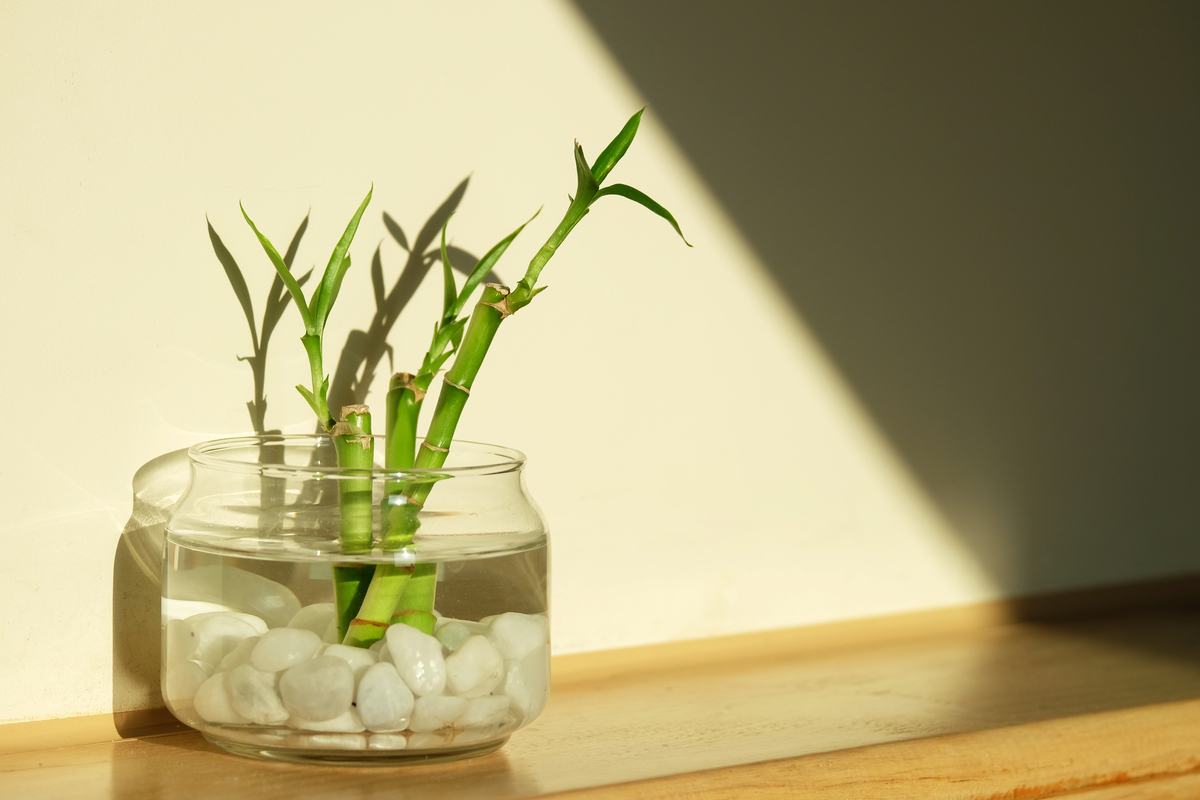
This is the most popular method because you can watch the roots develop.
What You’ll Need:
- Healthy lucky bamboo stalk
- Sharp, clean scissors or pruning shears
- Clean container (glass works well)
- Distilled or filtered water
- Optional: rooting hormone (liquid version)
Step-by-Step Process:
- Select and Cut: Choose a healthy stalk with at least one leaf joint (node) and several leaves. Using your clean shears, make a clean cut about half an inch below a node. If your stalk is long, you can cut it into multiple sections, each with at least one node.
- Prepare the Cutting: Remove any leaves that would be submerged under water. This prevents rotting and keeps the water clean.
- Rooting (Two Options):
Without Rooting Hormone: Place the cutting directly into a container filled with 2-3 inches of distilled or filtered water. Tap water can contain chemicals that may harm the developing roots.
- With Rooting Hormone: For potentially faster results, dip the cut end into liquid rooting hormone before placing it in water.
- Aftercare: Place the container in a spot with bright, indirect light. Avoid direct sun, which can encourage algae growth. Change the water completely every week to keep it fresh and oxygenated.
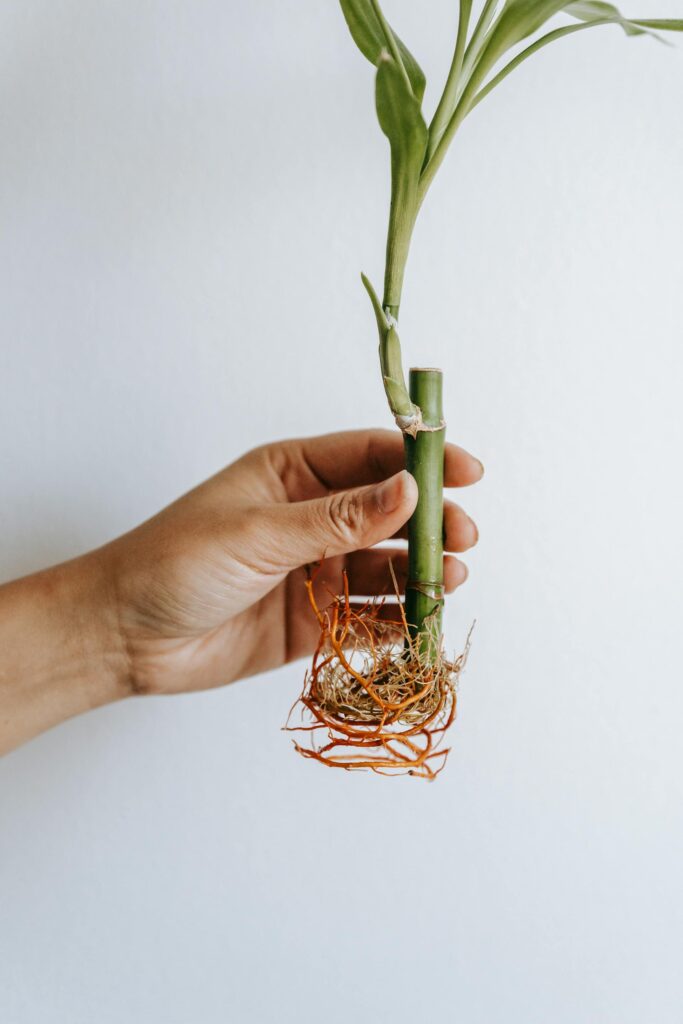
- Wait for Roots: In 2-4 weeks, you should see small white roots emerging from the node. Once the roots are 1-2 inches long, your new lucky bamboo is ready to be transferred to a permanent pot with water or soil.
How to Propagate Lucky Bamboo in Soil
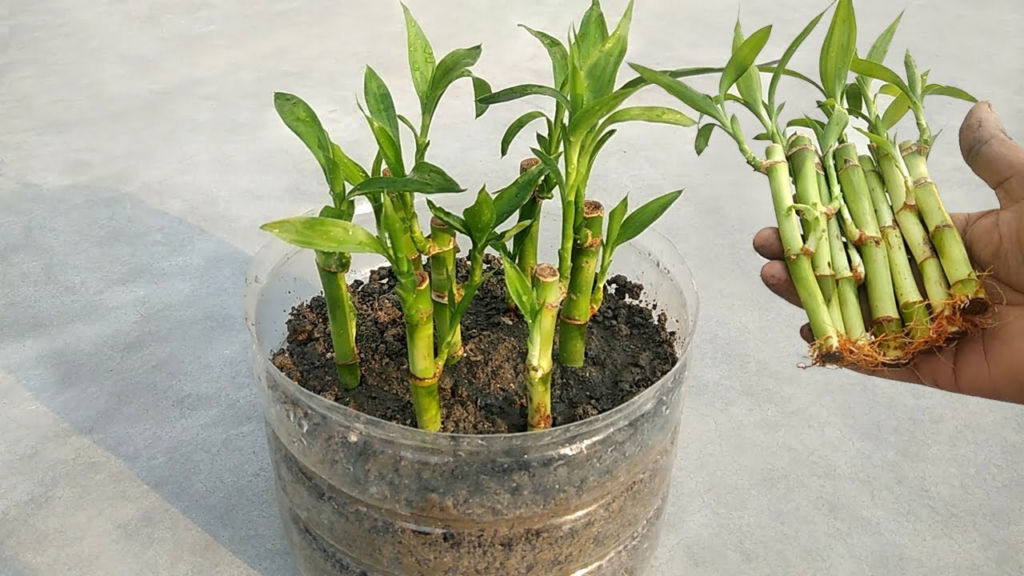
This method skips the water stage and plants the cutting directly into its permanent home.
- Take Your Cutting: Follow the same process as above to take a healthy cutting with at least one node.
- Prepare the Pot: Fill a small pot with a well-draining potting mix. A cactus/succulent blend works well, or you can make your own mix using regular potting soil with added perlite.
- Plant the Cutting: Moisten the soil slightly. Make a hole in the center and insert the cutting, ensuring the node is buried. Gently firm the soil around it.
- Create Humidity: To help the cutting retain moisture while it roots, you can cover the pot with a clear plastic bag or place it in a mini greenhouse. Ensure the plastic doesn’t touch the leaves.
- Provide Proper Care: Place the pot in a warm location with bright, indirect light. Keep the soil consistently moist but not soggy. Roots will establish in 3-6 weeks. You’ll know it has rooted when you see new leaf growth.
5 Essential Tips for Propagation Success
- Use Clean Tools: Always use sharp, sterilized scissors or shears. This prevents crushing the stem and introducing disease. Wipe blades with rubbing alcohol before you start.
- Choose the Right Water: Lucky bamboo is sensitive to chemicals like chlorine and fluoride. Always use distilled, filtered, or rainwater for the best results. If you must use tap water, let it sit out for 24 hours to allow the chlorine to dissipate.
- Provide Adequate Light: Place your propagating cuttings in a spot with bright, indirect light. Too much direct sun can scorch the leaves or cause algae to grow in water propagation.
- Be Patient: Rooting takes time. Resist the temptation to check for roots constantly. If you are using the water method, you’ll see progress clearly. For soil propagation, wait for new growth as a sign of success.
- Know When to Pot: If you rooted in water, don’t wait too long to transfer the plant to its permanent home. Once roots are 1-2 inches long, they are ready for soil or a permanent water setup with pebbles for support.
Troubleshooting Common Problems
- Yellowing Leaves: This can be caused by too much direct sunlight, poor water quality, or a lack of nutrients. Ensure you’re using the right water and light conditions.
- Cutting Not Rooting: The node may have been damaged, or the water might need changing. Make a fresh cut and place it in clean water.
- Rotting Stem: This is usually a sign of contaminated water or a dirty container. Always start with a clean vessel and fresh water.
A Final Tip for Success
The key to propagating lucky bamboo is simple: a clean cut just below a node, clean water, and bright, indirect light. This method is so reliable that you’ll soon have more lucky bamboo than you know what to do with perfect for sharing the luck with friends and family.
Have you tried propagating lucky bamboo before? What method worked best for you? Share your experience in the comments below