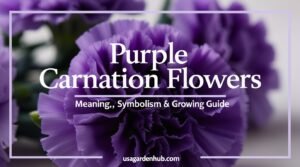
Purple Carnation Flowers: Meaning, Symbolism and Growing Guide
Post Views: 477 Discover the rich symbolism of purple carnations and learn how to grow them. This guide covers their meaning of capriciousness, cultivation tips, and care requirements. I’ll never forget the first time I saw a deep purple carnation at a local flower show. Its ruffled petals held a color so unique it made me stop and look closer. Since then, I’ve learned these flowers carry meanings as complex as their beautiful shades, from light lavender to rich violet. Purple carnations are not found in nature but are created through selective breeding. They have become popular for their striking color and the unique messages they convey in the language of flowers. What Do Purple Carnations Symbolize? The primary meaning of purple carnations is capriciousness. This reflects the unpredictable nature of life and love. When you give someone these flowers, you express that you find them fascinating and unpredictable in a charming way. These flowers also symbolize whimsy and spontaneity. Their vibrant, unusual color makes them perfect for celebrating creative people or unexpected happy moments. In some contexts, light purple carnations can convey a message of apology or regret, similar to the meaning of lilac flowers. The Significance of Purple Carnations Unlike red carnations for love or white for purity, purple carnations carry more nuanced messages. They’re often associated with dignity, pride, and success, making them excellent flowers for graduation ceremonies or career achievements. Throughout history, carnations have been rich with symbolism. The University of Vermont Extension notes that carnations generally represent fascination and distinction, with purple varieties emphasizing these qualities through their unique coloration. How to Grow Purple Carnations While you can’t grow true purple carnations from seed, you can purchase established plants or grow white carnations and use floral dyes to achieve the purple color. Choosing the Right Location Carnations need full sun to thrive. Provide at least 6 hours of direct sunlight daily. They prefer cool temperatures and may struggle in extreme summer heat without afternoon shade. Soil Requirements Well-draining soil is absolutely essential. Carnations will not tolerate wet feet. A slightly alkaline soil with pH between 6.5 and 7.5 is ideal. If you have heavy clay soil, amend it with compost and consider raised beds. For more on soil preparation, see our garden soil guide. Planting Methods You can start carnations from cuttings, division, or purchased plants. Space them 10-12 inches apart to ensure good air circulation. Plant them at the same depth they were in their nursery containers. A Quick Carnation Care Reference Aspect Requirement Common Name Purple Carnation Botanical Name Dianthus caryophyllus Plant Type Tender perennial, often grown as annual Mature Size 18-24 inches tall Sun Exposure Full sun (6+ hours daily) Soil Type Well-draining, slightly alkaline Bloom Time Late spring through summer Hardiness Zones USDA 7-10 Caring for Your Purple Carnations Proper care will keep your carnations healthy and blooming abundantly. Common Problems and Solutions Even with good care, you might encounter some challenges. Using Purple Carnations These versatile flowers work beautifully in gardens and arrangements. Plant them in borders, containers, or cutting gardens. Their long, sturdy stems and long vase life (up to 3 weeks) make them excellent cut flowers. The Royal Horticultural Society provides excellent guidance on cultivating all types of carnations. Final Thoughts Purple carnations bring unique beauty and meaning to any garden. While they require specific growing conditions, their spectacular blooms are well worth the effort. Whether you’re growing them for their symbolism or their stunning color, these flowers will add a touch of whimsical elegance to your space. For more information on growing beautiful flowers, explore our flower gardening guide. Have you grown carnations in your garden? Share your experiences in the comments below.
