
Ashley Scott shares 7 raised bed gardening tips for Zone 5 beginners. Easy advice for soil, planting, and pest control in your garden!
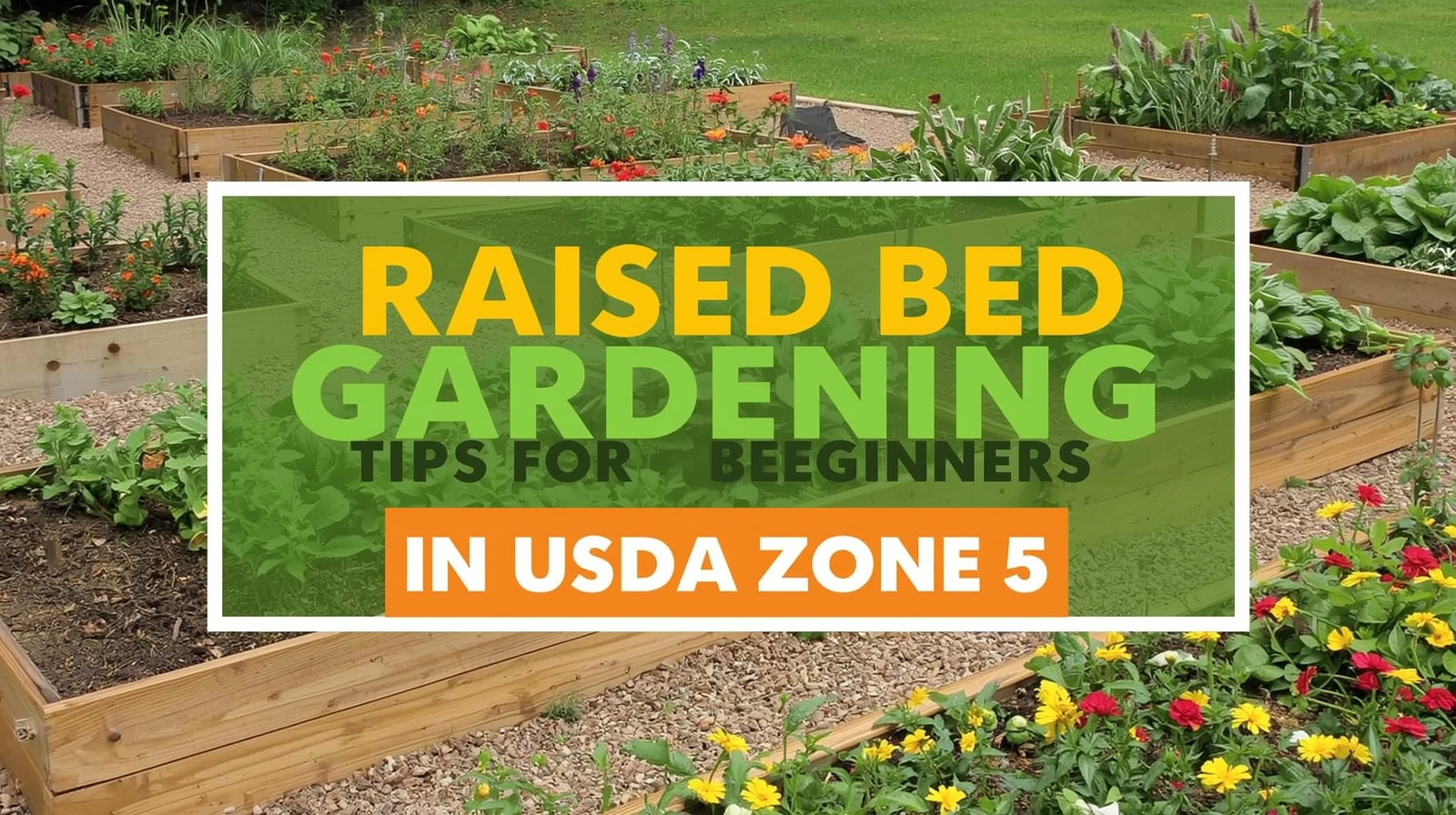
Hey garden friends! I’m Ashley Scott, and after a decade of growing plants in my California backyard, I’ve learned the ins and outs of gardening, including how to make raised bed gardening a breeze for beginners. If you’re in USDA Zone 5 (think Midwest or Northeast, with cold winters down to -20°F and warm summers), raised beds are a fantastic way to grow veggies, herbs, or flowers with better control over soil, drainage, and weeds. I’ve had my share of triumphs (and a few soggy flops!), so I’m sharing 7 practical raised bed gardening tips tailored for Zone 5 beginners, packed with specific advice, personal stories, and data to set you up for success. Let’s get your garden growing!
Why Raised Bed Gardening in Zone 5?
Raised beds warm up faster in spring, extend your growing season, and improve drainage in heavy clay soils common in Zone 5. They’re perfect for beginners because they’re easier to manage than in-ground plots. My first raised bed grew tomatoes like a champ, even in a chilly spring. These tips will help you maximize your harvest, whether you’re growing arugula, carrots, or zinnias. For Zone 5 basics, check our Zone 5 gardening guide on USA Garden Hub.
1. Choose the Right Location
Pick a spot with 6-8 hours of sunlight daily for most crops. I once placed a bed under a tree, and my lettuce struggled with just 4 hours of sun.
- Site It: Choose a level area with full sun for veggies like tomatoes or partial shade for greens like arugula. Avoid low spots where water pools.
- Zone 5 Tip: Face beds south to maximize sun in short growing seasons (May to September, about 150-160 frost-free days).
- Action: Mark your spot and check sunlight for a day before building.
Resource: The Old Farmer’s Almanac for Zone 5 frost dates.
2. Build or Buy a Sturdy Raised Bed
A well-built bed lasts years and handles Zone 5’s freeze-thaw cycles. My first DIY cedar bed is still standing after 8 winters.
- Size It: Build 4 feet wide by 8 feet long, 12-18 inches deep for deep-rooted crops like carrots. Keep it narrow to reach the center easily.
- Materials: Use untreated cedar or pine; avoid pressure-treated wood for edibles. Cedar resists rot for 10+ years.
- Zone 5 Tip: Elevate beds 1-2 inches above ground to prevent frost heaving.
Resource: Cornell University on raised bed construction.
3. Fill with Quality Soil Mix
Good soil is the heart of a raised bed. I skimped on compost once, and my peppers barely grew.
- Mix It: Combine 60% topsoil, 30% compost, and 10% peat moss or coconut coir for drainage and nutrients (pH 6.0-7.0 for most crops).
- Zone 5 Tip: Add 2 inches of compost annually to replenish nutrients lost in cold winters.
- Action: Test soil pH with a kit; adjust with lime if below 6.0.
My trick: I source compost from local farms for rich, organic matter. Check our soil care tips.
4. Time Planting for Zone 5 Seasons
Zone 5’s last frost is mid-May, and first frost hits mid-October. I planted spinach too early once, and a late frost zapped it.
- Cool-Season Crops: Sow arugula, lettuce, or peas in early April under row covers. Harvest in 30-45 days.
- Warm-Season Crops: Plant tomatoes or peppers after May 15 when soil hits 60°F.
- Zone 5 Tip: Use black plastic mulch to warm soil 5-10°F faster in spring.
Resource: University of Minnesota Extension on Zone 5 planting schedules.
5. Space Plants for Maximum Yield
Crowded plants compete and yield less. I overpacked zucchini once, and I got tiny fruits.
- Follow Spacing: Space arugula 6 inches apart, carrots 2 inches, tomatoes 24 inches. Check seed packets for specifics.
- Zone 5 Tip: Use square-foot gardening (e.g., 16 arugula plants per square foot) to maximize small beds.
- Action: Thin seedlings when 2 inches tall; eat thinnings like arugula in salads.
My hack: Use a ruler for even spacing. See our spacing guide.
6. Water and Mulch Consistently
Raised beds dry out faster than ground soil. I forgot to mulch once, and my beans wilted in a heatwave.
- Water It: Provide 1 inch of water weekly, more in July’s 80°F+ heat. Water at the base to prevent disease.
- Mulch It: Add 2 inches of straw or wood chips to retain moisture and block weeds.
- Zone 5 Tip: Insulate beds with 4 inches of mulch in November to protect roots from winter freezes.
My tip: Morning watering prevents evaporation. Check our watering tips.
7. Protect from Pests and Frost
Zone 5 pests like cabbage worms and frost can ruin crops. My kale got chewed until I used row covers.
- Pest Control: Check for pests like aphids weekly. Use row covers at planting or neem oil at dusk for worms.
- Frost Protection: Cover beds with frost blankets when temps drop below 32°F in October. Extend harvests by 2-4 weeks.
- Zone 5 Tip: Plant pest-resistant crops like arugula or garlic to reduce issues.
My lesson: Early row covers save crops. See our pest control tips.
Mistakes to Avoid
I’ve messed up; don’t you:
- Placing beds in shade; most crops need 6+ hours of sun.
- Using poor soil; skimping on compost stunts growth.
- Ignoring frost dates; plant too early, and seedlings die.
Check our common gardening mistakes for more.
Grow a Thriving Raised Bed Garden in Zone 5
These 7 raised bed gardening tips will help Zone 5 beginners grow a bountiful harvest. Pick a sunny spot, use quality soil, time your planting, and protect from pests and frost. Whether you’re growing arugula or zinnias, these steps ensure success. Which tip are you trying first? Share in the comments; I’d love to hear! For more ideas, visit our full gardening blog or sustainable gardening tips on USA Garden Hub. Happy gardening!