
Discover 15 easy-to-grow root vegetables for your garden. Learn planting tips, harvest times, and how to grow carrots, potatoes, beets, and more.
I’ll never forget the satisfaction of pulling my first homegrown carrot from the soil. It was shorter and more misshapen than supermarket carrots, but the flavor was incredibly sweet and complex. That’s the magic of growing root vegetables - you don’t know exactly what you’ve got until harvest day, but the surprise is always rewarding.
Root vegetables are plants that store nutrients in their underground parts - roots, tubers, bulbs, or corms. They’re some of the most nutritious and versatile crops you can grow, and many are surprisingly easy for beginners.
Why Grow Root Vegetables?
You should grow root vegetables for three main reasons. First, they’re packed with vitamins and minerals pulled deep from the soil. Second, many store well for months, extending your harvest into winter. Third, they’re space-efficient - you can grow a lot of food in a small area. For help with planning your space, see our guide on vegetable gardening.
15 Root Vegetables for Your Garden
Here are my favorite root vegetables to grow, from common staples to unusual varieties.
1. Carrots
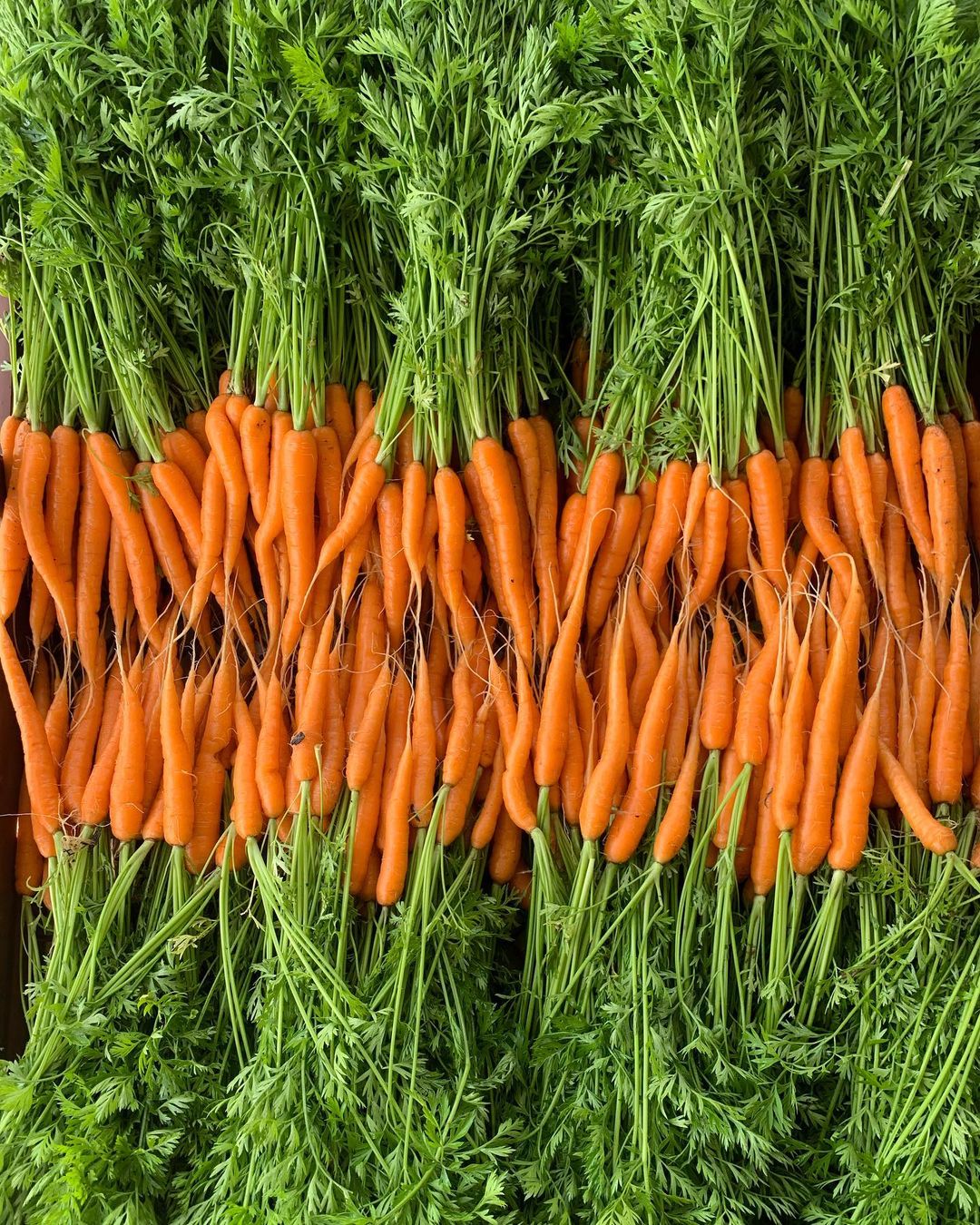
Carrots need deep, loose soil free of stones to form straight roots. I sow seeds directly in the garden and thin seedlings to 2 inches apart. They’re ready to harvest in 60-80 days, when their shoulders show color at the soil line.
2. Potatoes
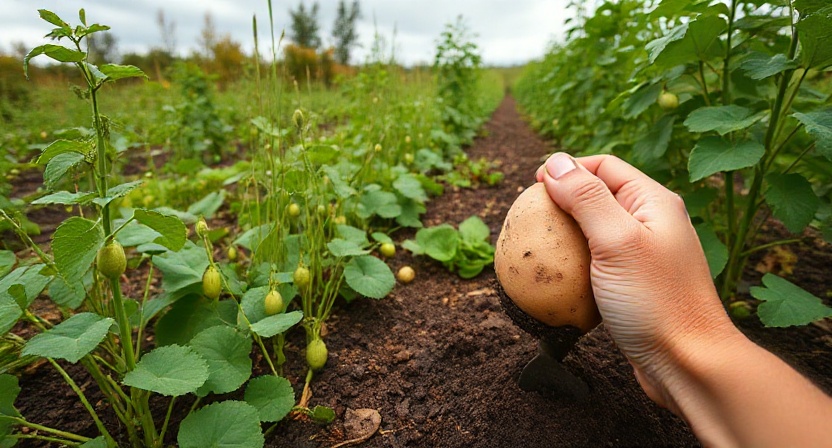
Plant seed potatoes in early spring. As plants grow, hill soil around the stems to protect developing tubers from sunlight. You can harvest “new” potatoes about 10 weeks after planting, or wait for mature potatoes when plants die back.
3. Beets
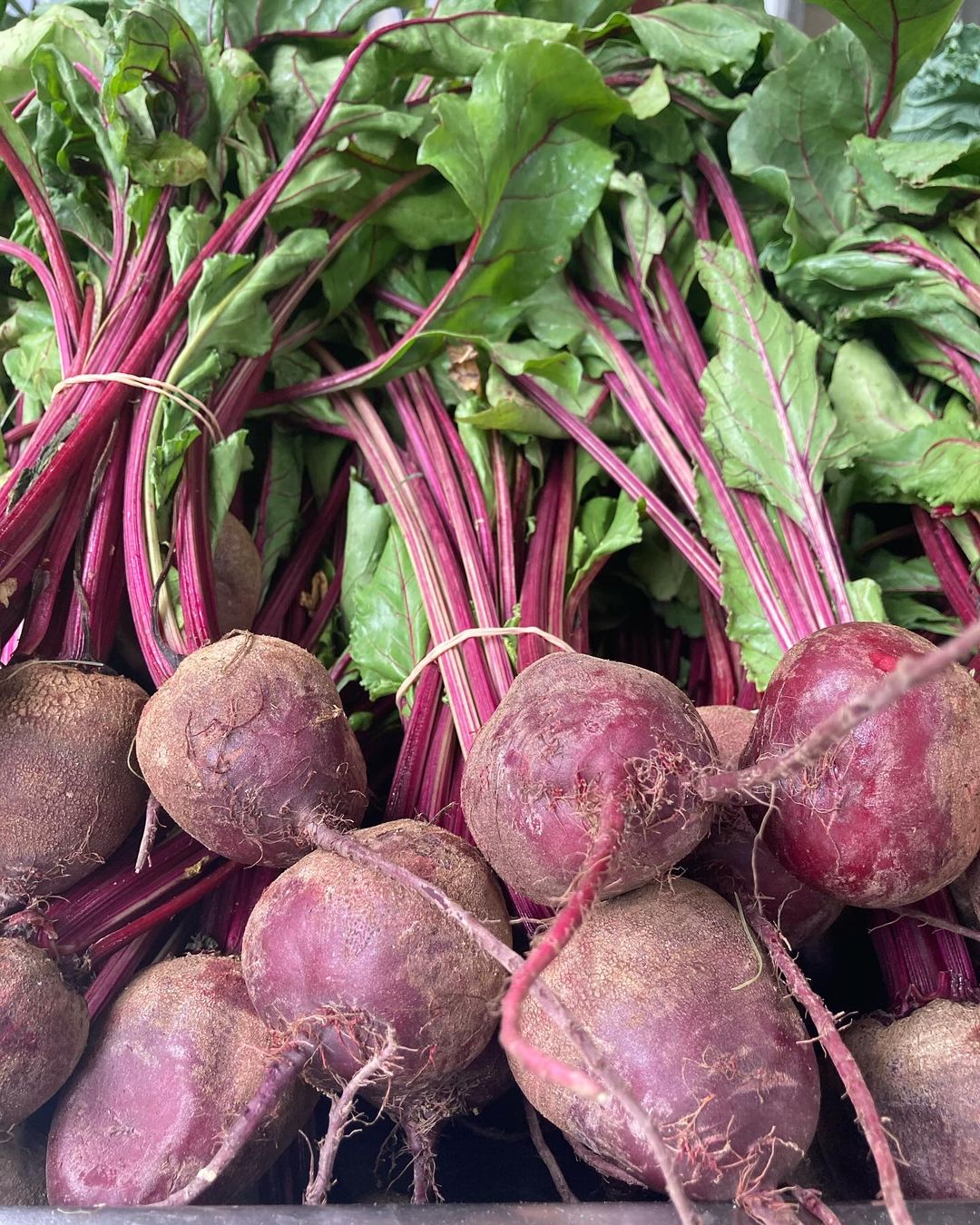
Beets provide two harvests - the sweet roots and the nutritious greens. I succession plant every 3 weeks for continuous harvest. They’re ready in 50-60 days, when roots are 1-3 inches in diameter.
4. Radishes
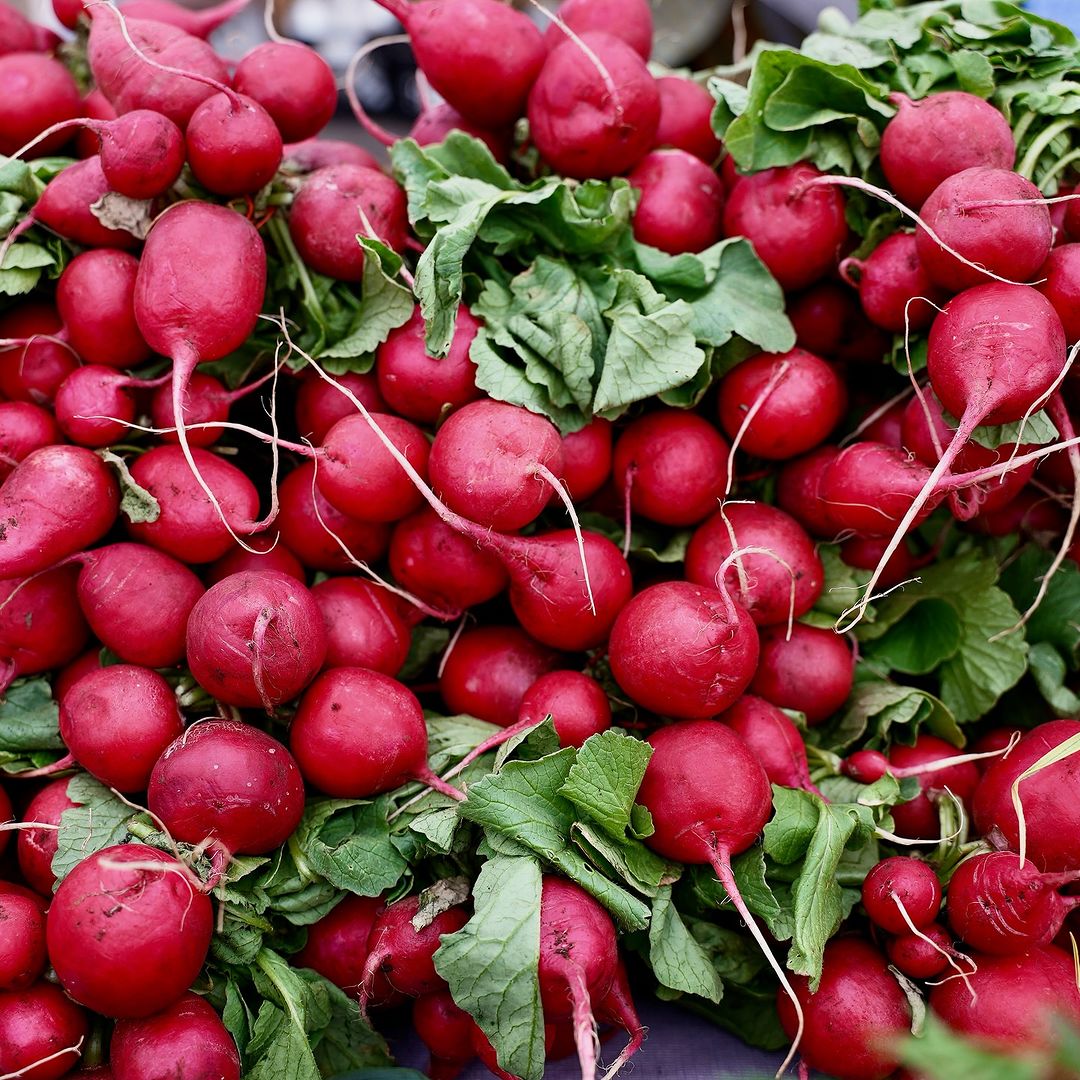
Radishes are the perfect beginner vegetable. They grow incredibly fast - some varieties are ready in just 25 days. I interplant them with slower-growing crops to mark rows and maximize space.
5. Sweet Potatoes
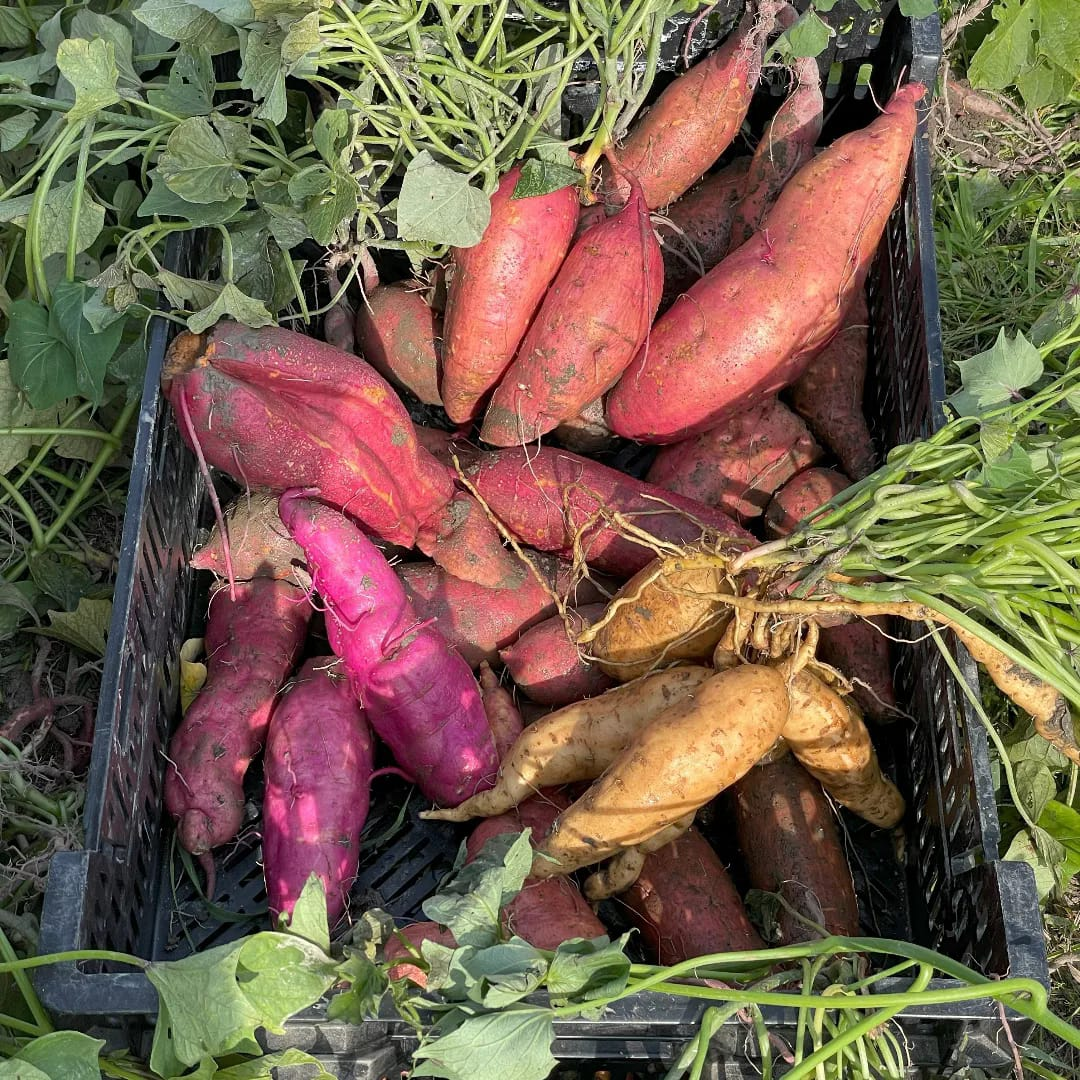
These heat-loving plants need a long, warm growing season. I plant “slips” (rooted sprouts) after the soil has thoroughly warmed. Harvest in 100-120 days, before the first frost in fall.
6. Turnips
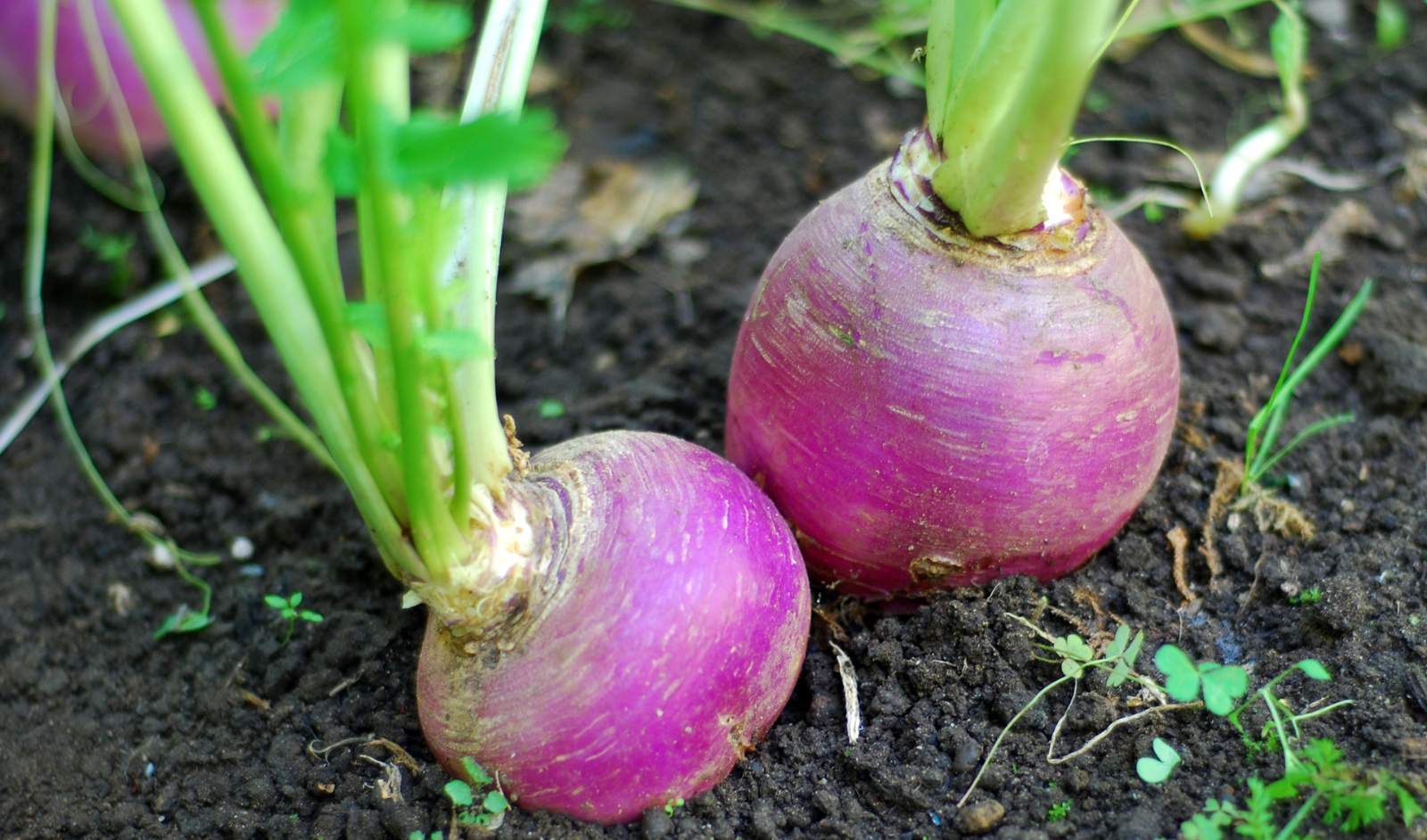
Turnips grow quickly and handle cooler weather well. Both the roots and greens are edible. I harvest roots when they’re 2-3 inches in diameter for the best texture and flavor.
7. Parsnips
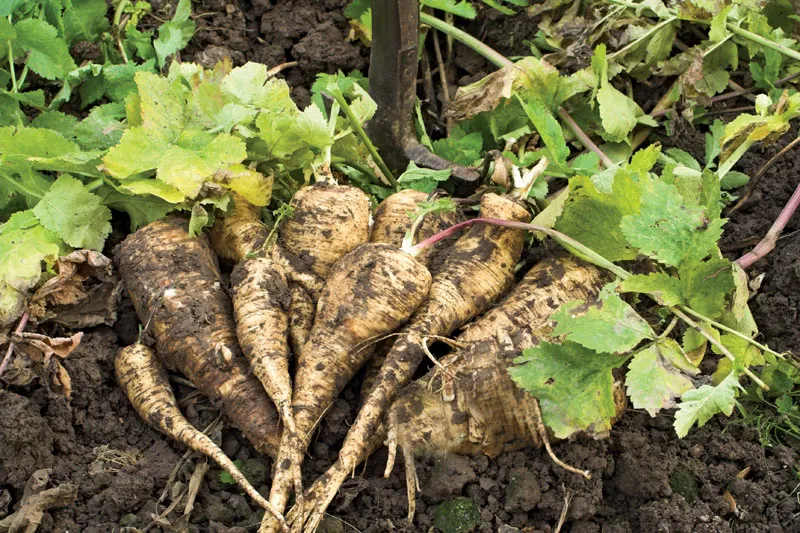
Parsnips taste best after experiencing a few frosts, which converts their starch to sugar. They need a long growing season - I plant them in early spring for fall harvest. Their flavor improves in storage.
8. Rutabagas
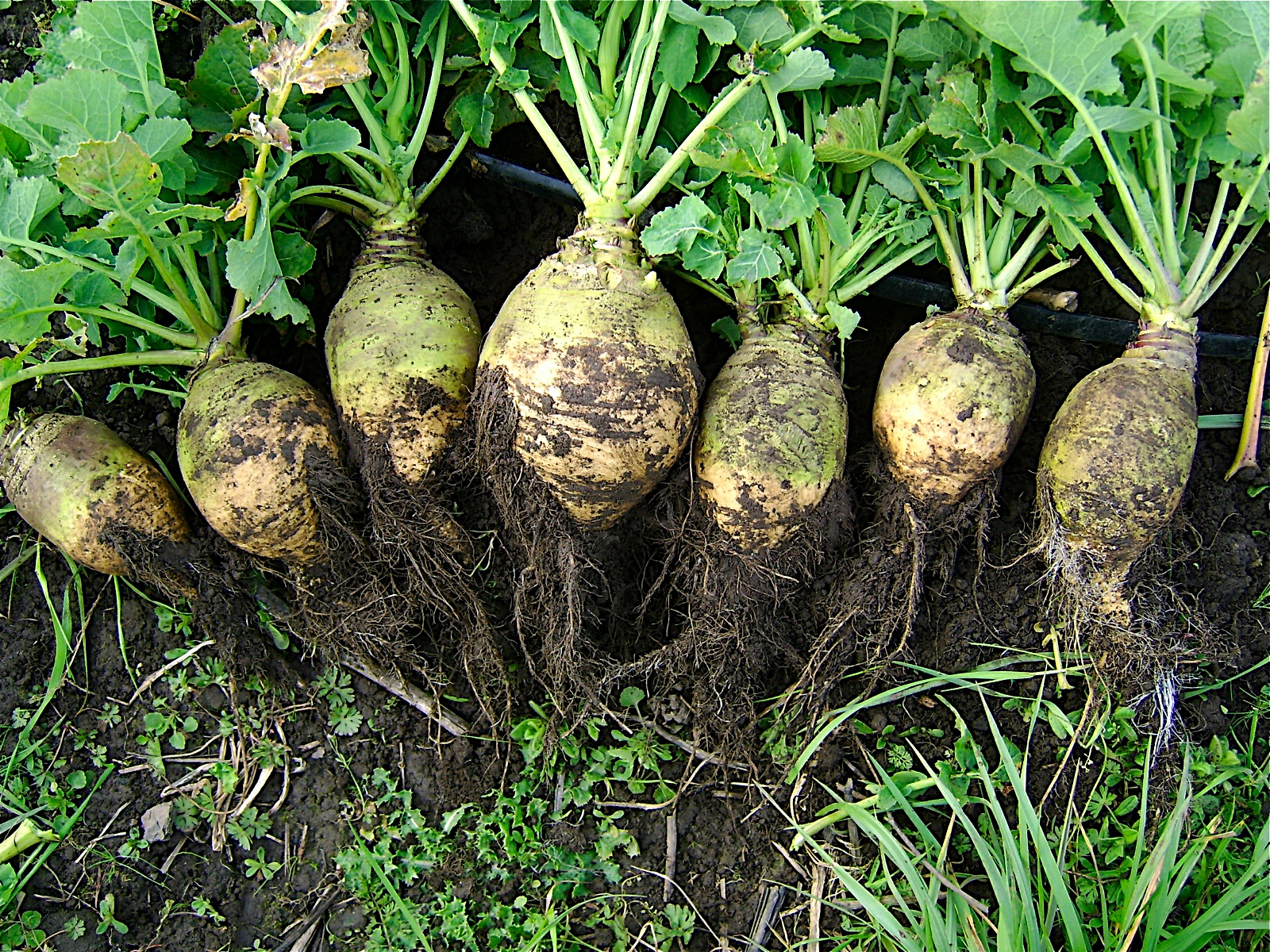
Rutabagas are larger and sweeter than turnips, with yellow flesh. They need 80-100 days to mature and taste wonderful roasted or mashed. I sow them in midsummer for fall harvest.
9. Onions
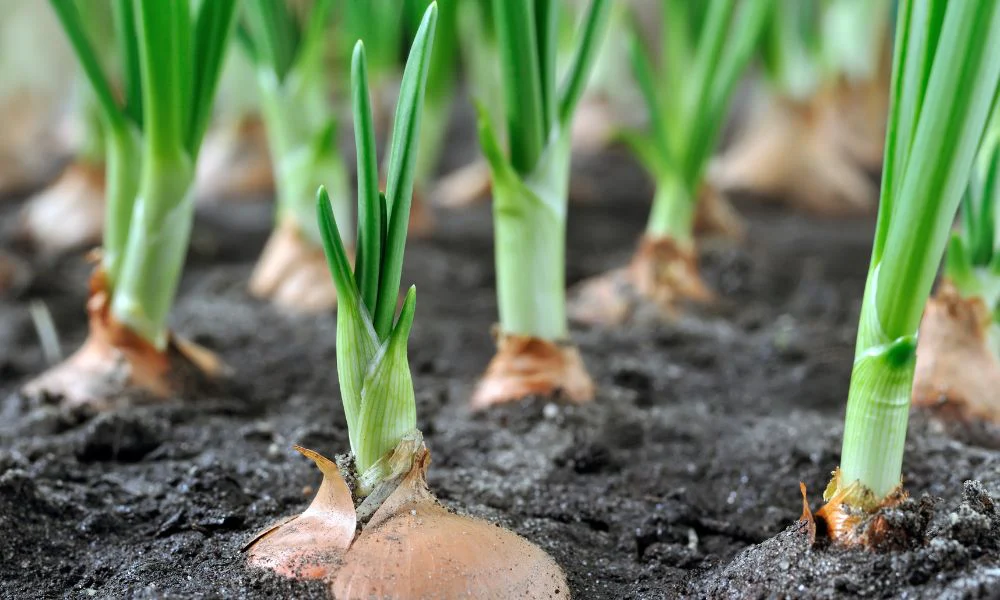
You can grow onions from seeds, sets, or transplants. I find sets (small bulbs) are easiest for beginners. Different varieties are adapted to different day lengths, so choose one suited to your region.
10. Garlic
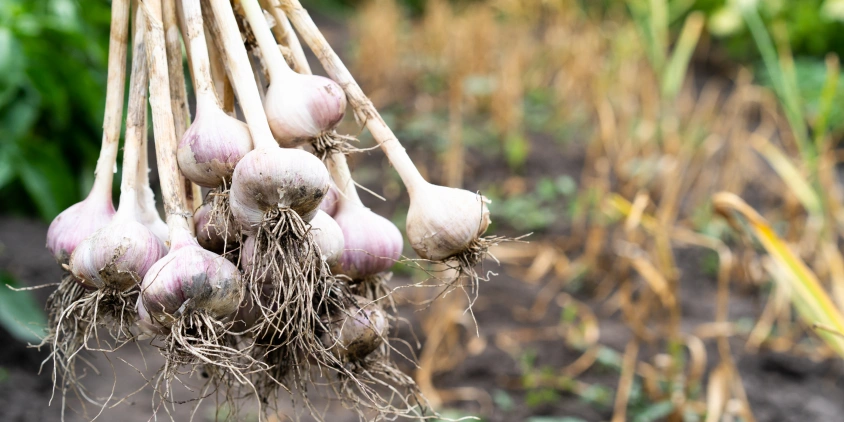
Plant individual cloves in fall for harvest the following summer. The University of Minnesota Extension offers excellent regional advice. Each clove grows into a full bulb - it’s like magic.
11. Leeks
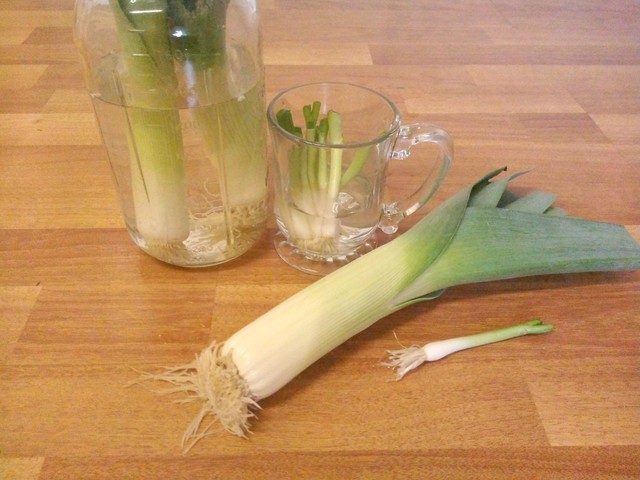
Leeks need deep planting or hilling to develop long white stems. I start seeds indoors early and transplant seedlings into deep holes. They’re frost-tolerant and can be harvested well into winter.
12. Daikon Radish
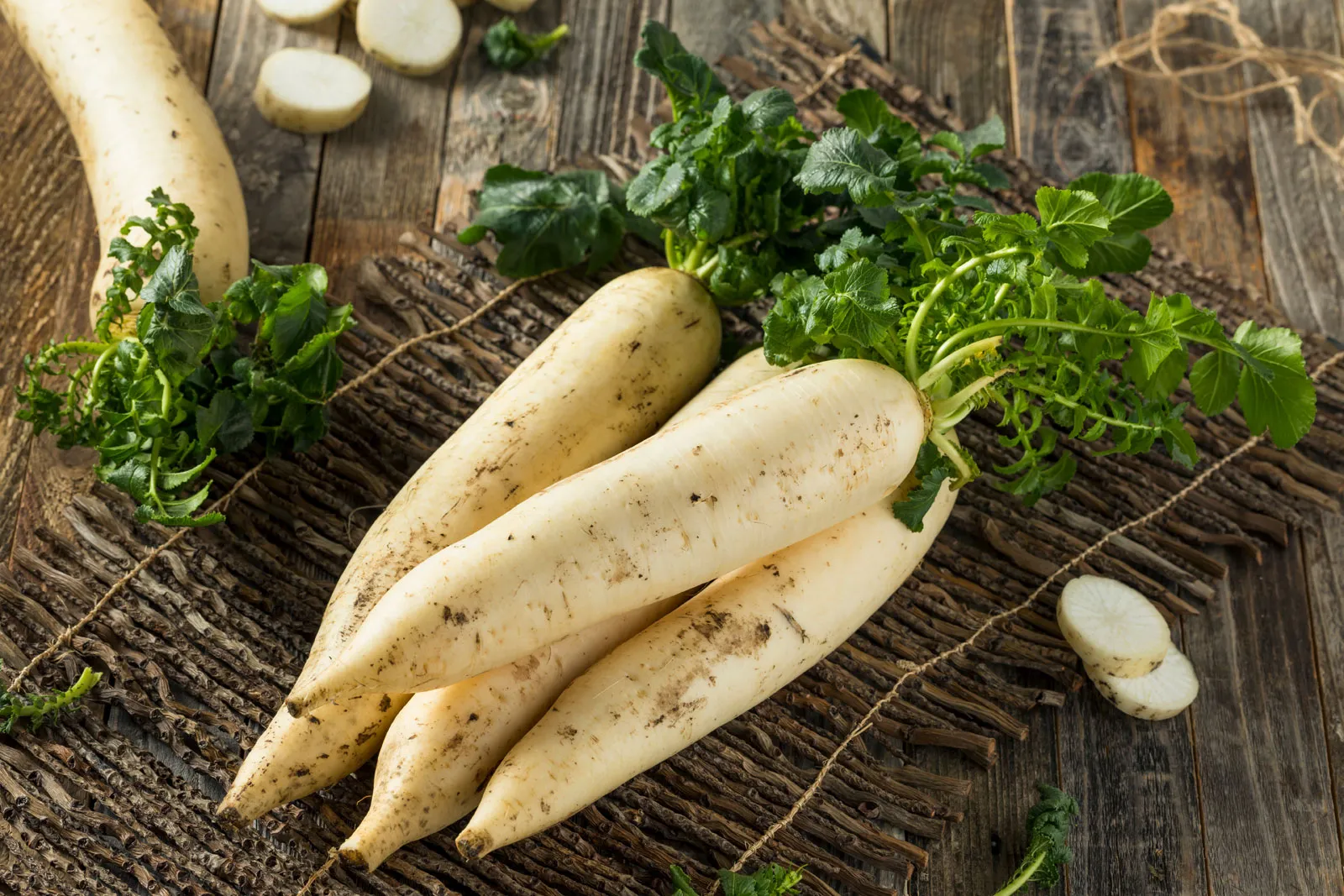
These large Asian radishes can grow over a foot long. They break up compacted soil beautifully. I use them in fall gardens and as a cover crop - the long roots bring up nutrients from deep in the soil.
13. Celery Root (Celeriac)
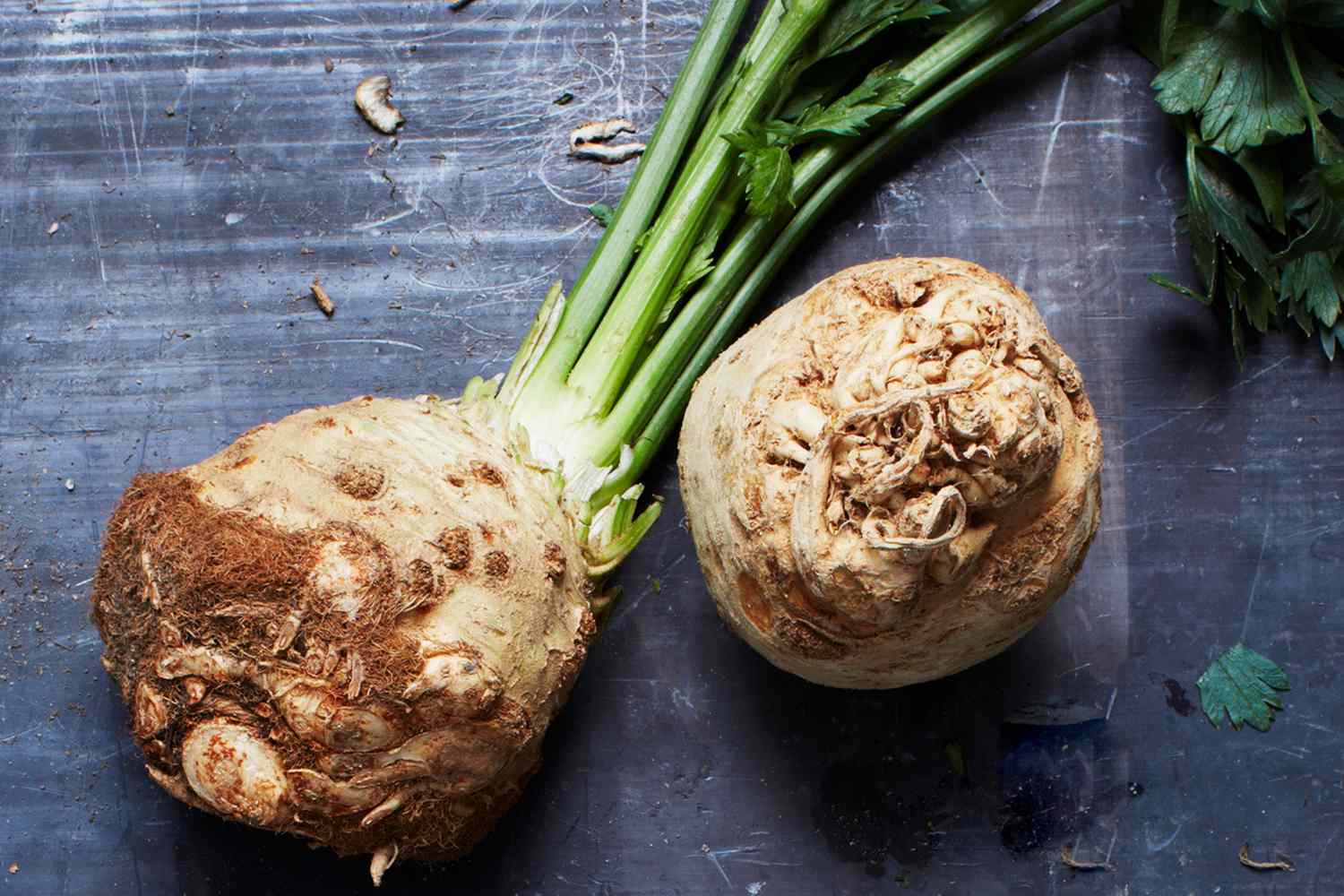
This unusual vegetable tastes like celery but forms a knobby root instead of stalks. It needs a long growing season and consistent moisture. The nutty, celery flavor is wonderful in soups and mashes.
14. Sunchokes (Jerusalem Artichokes)
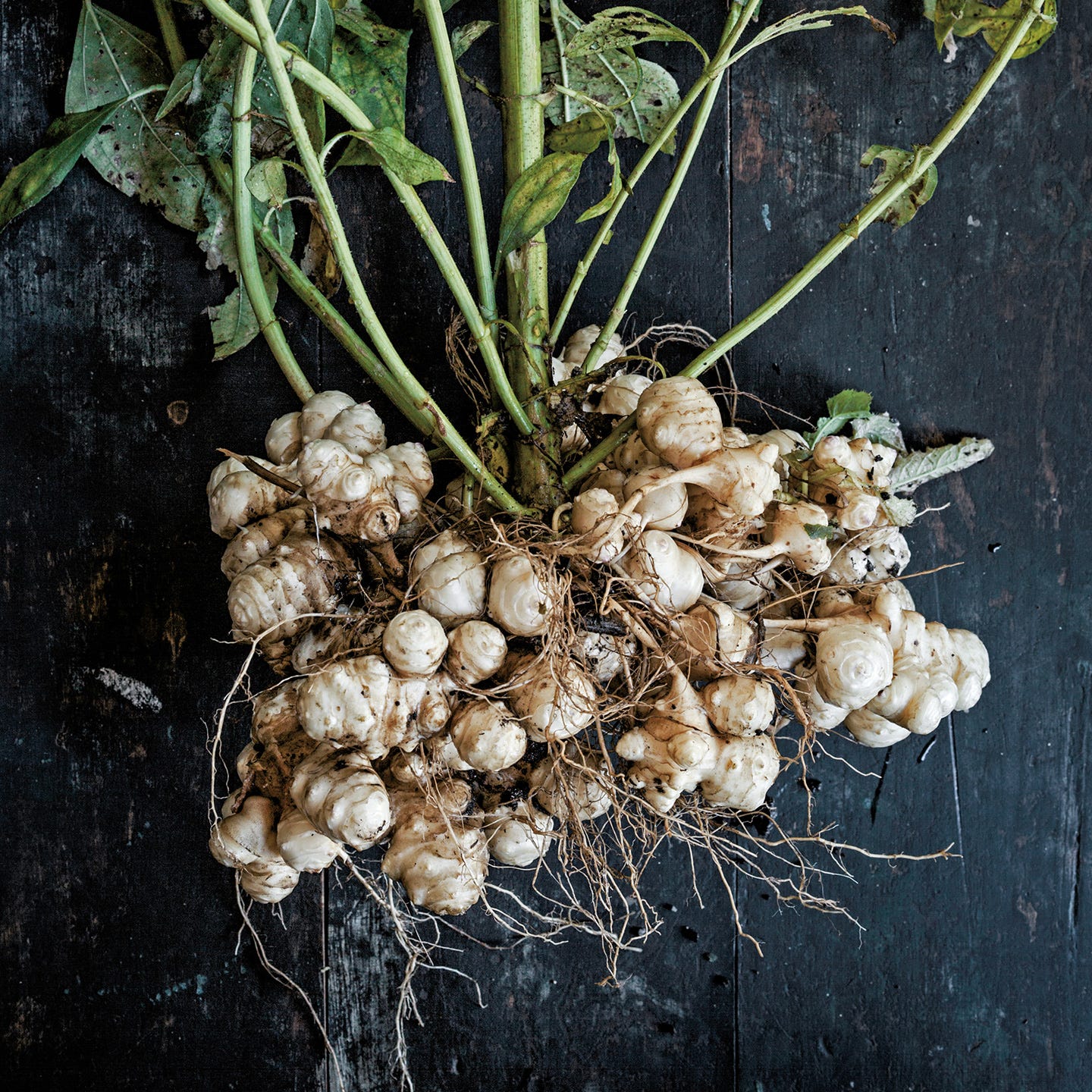
Sunchokes produce abundant tubers that taste like nutty artichokes. They’re perennial and can be somewhat invasive, so I grow them in a dedicated bed. Harvest after frost for the sweetest flavor.
15. Burdock Root
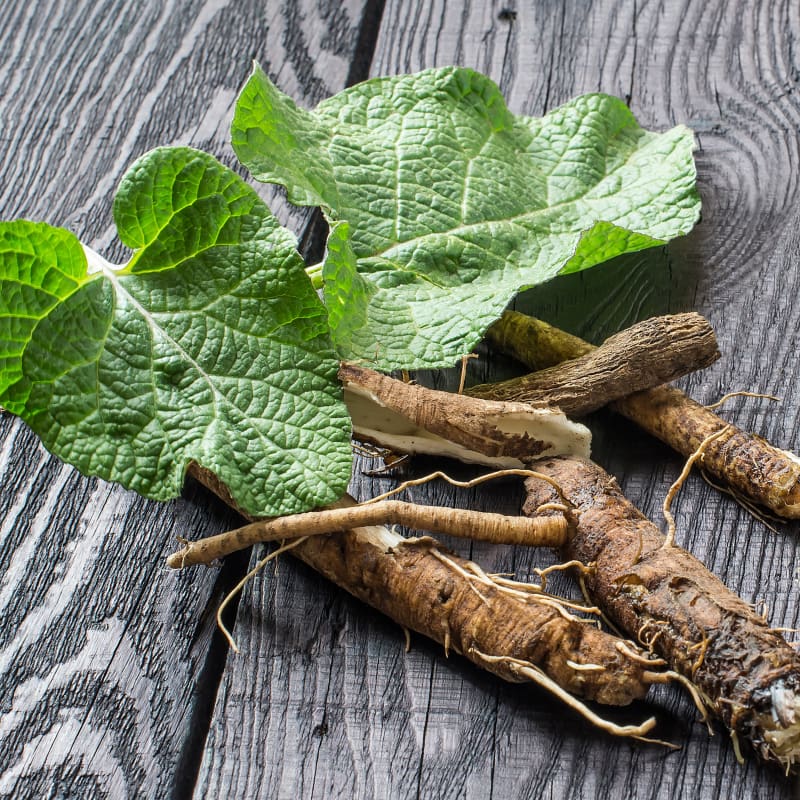
Popular in Asian cuisine, burdock has long, slender roots with an earthy flavor. It needs deep, loose soil and grows well in full sun or partial shade. The roots can reach 2 feet long.
Quick Reference Guide
VegetableDays to HarvestPlanting TimeKey Growing TipCarrots60-80Early springNeeds deep, stone-free soilRadishes25-60Spring & fallGrows very quicklyBeets50-60Spring & summerBoth roots & greens ediblePotatoes70-120Early springHill soil around stemsSweet Potatoes100-120After frostNeeds warm soilGarlic240-270FallPlant cloves for next year
3 Essential Tips for Growing Root Vegetables
- Prepare Your Soil Properly: Root vegetables need loose, well-draining soil to expand and grow properly. I work the soil at least 12 inches deep and remove stones and clumps. Adding compost improves texture and fertility. For more on this, see our garden soil preparation guide.
- Thin Seedlings ruthlessly: It’s hard to pull healthy plants, but overcrowding causes small, misshapen roots. Thin carrots, beets, and radishes to the spacing recommended on seed packets. The thinnings are often edible - beet and carrot greens are great in salads.
- Water Consistently: Inconsistent watering can cause roots to split or become woody. I provide about 1 inch of water per week, using a soaker hose to deliver moisture evenly. Mulching helps maintain consistent soil moisture.
Common Problems and Solutions
- Forked or Misshapen Roots: Usually caused by rocky or compacted soil. Prepare soil thoroughly before planting.
- Green Shoulders: Potato or carrot tops exposed to sun develop green patches. Hill soil around plants to keep roots covered.
- Woody Texture: Often results from irregular watering or harvesting too late. Keep soil consistently moist and harvest at the recommended time.
Final Thoughts
Growing root vegetables teaches patience and attention to soil health. There’s genuine excitement in pulling up a plant to discover what formed beneath the surface. These nutritious crops will diversify your garden and your diet. For more on growing food in small spaces, check out our container gardening guide.
What’s your favorite root vegetable to grow? I’d love to hear about your experiences in the comments below.