Ruby Necklace Plant : A Beginner’s Guide to This Trailing Beauty
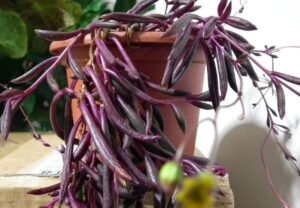
Post Views: 164 Learn all about the Ruby Necklace (Othonna capensis), a unique trailing succulent. Discover its care needs, propagation methods and why it’s a great choice for hanging baskets and rock gardens. Hey plant lovers! Have you ever stumbled across a plant that looks like someone strung a bunch of tiny green beads together? Well, meet the Ruby Necklace! Its fancy pants name is Othonna capensis, but let’s stick with Ruby Necklace ’cause it’s way easier to remember. This little guy is pretty darn cool, and guess what? It’s a piece of cake to grow. Let’s dive in and get to know this trailing beauty. Here’s the information about Ruby Necklace (Othonna capensis): Aspect Details Botanical Name Othonna capensis Common Name Ruby Necklace, Little Pickles Plant Type Succulent, Trailing Vine Hardiness Zone Zones 9-11 (grown as a houseplant in cooler zones) Sun Exposure Bright, indirect light to partial sun Soil Type Well-draining, sandy or cactus mix soil Watering Needs Low; water thoroughly when soil is dry, reduce watering in winter Growth Habit Trailing, cascading Height/Spread Trails up to 1-2 feet long Special Features Ruby-colored stems with small, fleshy, green to purple leaves, yellow daisy-like flowers, drought-tolerant, ideal for hanging baskets or containers What’s the Deal with Ruby Necklace Plants? Okay, so Ruby Necklace is part of the succulent family. You know, those plants that hoard water in their leaves like they’re prepping for a drought. This one’s originally from South Africa, which explains why it’s so tough. It’s got these long stems covered in itty-bitty round leaves that seriously look like beads. And here’s the kicker – when it gets lots of sun, those stems can turn this gorgeous red color. That’s where the “Ruby” part comes from. Pretty neat, huh? Growing Your Own Ruby Necklace: It’s Not Rocket Science Light These guys are total sun worshippers. Find them a spot where they can soak up plenty of rays. A sunny windowsill? Perfect! Water Here’s the best part – they’re not needy when it comes to water. In fact, they’d rather you forget about them for a bit. Wait until the soil feels like it needs a drink before you water them. Trust me, they’d rather be thirsty than drowning. Soil You know how some people are picky eaters? Well, Ruby Necklaces are picky about their soil. They want the stuff that lets water drain fast. You can grab some cactus soil from the store, or if you’re feeling DIY, mix regular potting soil with some sand. Temperature These plants like it warm, just like their African homeland. If you live somewhere that gets frosty, bring them inside when winter rolls around. They’re not built for the cold! Where to Show Off Your Ruby Necklace Hanging baskets are like the runway models of the plant world for Ruby Necklaces. Those long stems can trail down and look amazing. Or, if you’ve got a rock garden, toss them in there. They’ll spread out and cover the ground like a living carpet. How cool is that? Making Baby Ruby Necklaces: It’s Like Magic! Want to impress your friends? Here’s how to make more Ruby Necklaces: We call this “propagation” in the plant world, but I like to think of it as cloning your plant. It’s a super fun way to spread the plant love to your buddies. Keeping Your Ruby Necklace Happy Most of the time, these plants are pretty chill. But sometimes, they might throw a little fit: Why Ruby Necklace is the Coolest Plant You’re Not Growing (Yet) Let me count the ways: Wrapping It Up So there you have it, folks. The Ruby Necklace is like the chill, laid-back cousin in the plant family. It’s got those funky bead-like leaves, cool red stems, and it’s not gonna give you a hard time about care. Just remember: lots of sun, go easy on the water, and give it soil that drains well. Before you know it, you’ll have this gorgeous trailing plant that’ll make all your friends jealous. Want to geek out more on succulents? Check out what the University of California has to say about these water-wise wonders. Curious about other cool plants from South Africa? The South African National Biodiversity Institute has got you covered with info on native flora. Remember, playing in the dirt (ahem, I mean gardening) is supposed to be fun. So get out there and get your hands dirty. Happy planting, y’all! For more gardening tips and plant care guides, visit usagardenhub.com.
