String of Rubies: Complete Care Guide and Tips
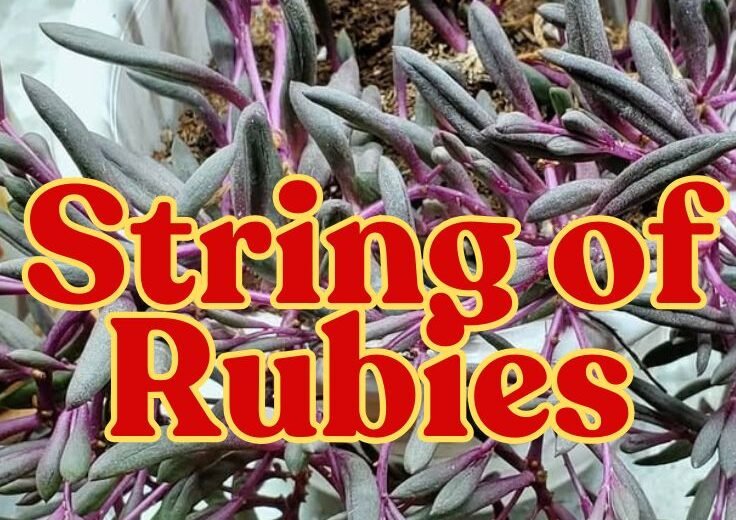
Post Views: 1,287 Discover everything you need to know about the String of Rubies succulent, including care instructions, propagation methods, and solutions to common problems. Perfect for both beginners and seasoned gardeners. Hi there, fellow plant lovers! I’m Ashley Scott, and I’ve been gardening for over 10 years. On my website, USA Garden Hub, I share my passion for plants, especially succulents. Today, I’m thrilled to dive into one of my absolute favorites: the String of Rubies. Have you ever seen a plant that looks like a cascade of precious gems? The String of Rubies, scientifically known as Othonna capensis ‘Ruby Necklace’, is a stunning trailing succulent that can add a vibrant touch to any space. Its bean-shaped leaves turn a brilliant ruby red under bright light, and it’s sometimes called the “String of Pickles” when the leaves are green due to their unique shape. Whether you’re a seasoned gardener or just starting out, this plant is a low-maintenance beauty that’s easy to love. In this comprehensive guide, I’ll walk you through everything you need to know about the String of Rubies, from its characteristics to detailed care instructions, propagation methods, and solutions to common problems. Let’s get growing! Here’s a detailed chart for String of Rubies (Othonna capensis): Category Details Botanical Name Othonna capensis Common Name String of Rubies Plant Zone 9-11 (often grown as a houseplant in cooler climates) Sun Exposure Bright, indirect light Soil Type Well-drained, succulent or cactus mix Watering Low; allow soil to dry out completely between waterings Growth Habit Trailing or cascading succulent Height/Spread 6-12 inches tall / 1-2 feet wide Special Features Unique ruby-red, cylindrical leaves, drought tolerant, ideal for hanging baskets What is String of Rubies? The String of Rubies is a fast-growing succulent native to South Africa, part of the Asteraceae family—yep, it’s distantly related to sunflowers! Unlike its floral cousins, this plant features delicate, trailing stems covered with plump, bean-shaped leaves. These leaves are typically green but transform into a striking ruby red when exposed to bright light or mild stress—a survival trick where the red pigment protects it from intense sun. What I adore most about this plant is its cheerful yellow, daisy-like flowers that can bloom almost year-round. They add a lovely pop of contrast to its colorful foliage and even attract pollinators if you grow it outdoors. Whether you hang it in a basket or let it trail over a shelf, the String of Rubies brings resilience and charm to any garden. Curious about its origins? Check out more on South African flora from the South African National Biodiversity Institute. How to Care for String of Rubies String of Rubies care is pretty straightforward once you get the basics down. Here’s everything I’ve learned over the years to keep mine thriving: Light The String of Rubies loves bright, indirect light. To get that gorgeous ruby red color, it needs at least six hours of light daily, but direct sunlight can scorch the leaves. Indoors, I keep mine near a south-facing window—it’s the sweet spot. Outdoors, give it some shade during the hottest hours. Once, I had mine in a dim corner, and the leaves turned green. Still pretty, but I missed that red glow! If your plant’s asking, “Why is my String of Rubies green?” it’s likely craving more light. Move it gradually to a brighter spot to avoid shocking it. Water When it comes to String of Rubies watering, less is more. Like most succulents, it stores water in its leaves, so overwatering is a big no-no—it can lead to root rot. I wait until the top inch of soil feels dry (usually every 1-2 weeks) before giving it a thorough drink. Make sure water drains out the bottom, and in winter, when it’s dormant, I cut back to every 3-4 weeks. A handy trick? I stick a wooden skewer in the soil—if it comes out clean, it’s time to water. Wondering when to water String of Rubies? Trust the soil, not a schedule! Soil Good drainage is non-negotiable for String of Rubies soil. I use a cactus or succulent mix, or I’ll mix regular potting soil with perlite or sand. Adding a layer of gravel at the pot’s base has saved me from soggy roots more than once. For more soil tips, the University of Minnesota Extension has a great guide on succulent care. Temperature and Humidity This plant prefers temperatures between 65°F and 80°F (18°C to 27°C). It’s not frost-tolerant, so if it dips below 50°F (10°C), bring it indoors. Humidity? It’s not fussy—average household levels work fine. In dry climates, though, watch for shriveling leaves as a sign it might need a bit more water. Fertilization Fertilizing is optional but can boost growth and those lovely String of Rubies flowers. I use a balanced, water-soluble fertilizer (diluted to half strength) once a month in spring and summer. Overdoing it can make the plant leggy, so I keep it light. My plant’s blooms definitely perk up with this little treat! For a quick recap, here’s how to care for String of Rubies: Propagation of String of Rubies Want to multiply your String of Rubies? Propagation is easy and fun! I’ve had great success with stem cuttings—here’s my step-by-step: I’ve shared so many cuttings with friends this way! For more on how to propagate String of Rubies, check out this propagation guide. Common Problems and Solutions Even easy plants like the String of Rubies can hit snags. Here’s what I’ve run into and how I fix it: Once, mealybugs invaded mine, and quick action saved the day. Regular checks keep trouble at bay. Is String of Rubies Toxic? A big question I get is, “Is String of Rubies toxic to cats?” There’s conflicting info out there—some say it’s safe, others warn it might be toxic if eaten. I play it safe and keep mine out of reach of my cats. If your pet nibbles it, watch for trouble and call your vet. The ASPCA has a helpful list on plant safety. Interesting Facts about String of Rubies Here’s some fun stuff I’ve picked up: These quirks make it more than just a pretty face. Repotting String of Rubies Repotting isn’t a frequent chore—it likes being snug. I repot mine every 2-3 years or when roots peek out. Use a slightly larger pot with fresh, well-draining soil, and handle those roots gently. It’s a simple refresh that keeps it happy. Troubleshooting Common Issues Got questions? Here’s what I’ve learned: Styling Your String of Rubies This plant shines in a hanging basket—mine trails beautifully in a macrame holder by my kitchen window. It’s a conversation starter every time friends visit! Pair it with other succulents for a lush display, or let it solo to show off its colors. Conclusion The String of Rubies is a gem of a succulent—vibrant, easygoing, and full of personality. With the right light, water, and care, it’ll thrive and reward you with stunning red leaves and sunny flowers. I’ve loved watching mine grow over the years, and I hope you’ll give it a try too! Have questions or stories about your String of Rubies? Drop a comment below! For more tips, check out my guides on succulent care and hanging plants at USA Garden Hub.
