
Explore the striking tiger lily flower with its fiery orange petals and black spots. Learn its meanings like wealth and pride, plus simple care tips to grow this hardy perennial in your USA garden.

I’ve gardened for over ten years now, and few plants grab my attention like the tiger lily. Picture this: It’s mid-summer in my backyard in Seattle, and these tall stalks shoot up to five feet, topped with those dramatic, downward-facing blooms. The petals curl back like they’re waving hello, splashed with deep orange and dotted in black. One year, I planted a single tiger lily bulb near my fence. By the next season, it had multiplied into a cluster that stopped neighbors in their tracks. If you’re in the USA and want a low-fuss flower that packs a punch, the tiger lily delivers. You might know it as the lily flower tiger for its fierce look, or even tiger lillie in some old garden books. Let’s break it down so you can add this gem to your space.
What Exactly Is a Tiger Lily?
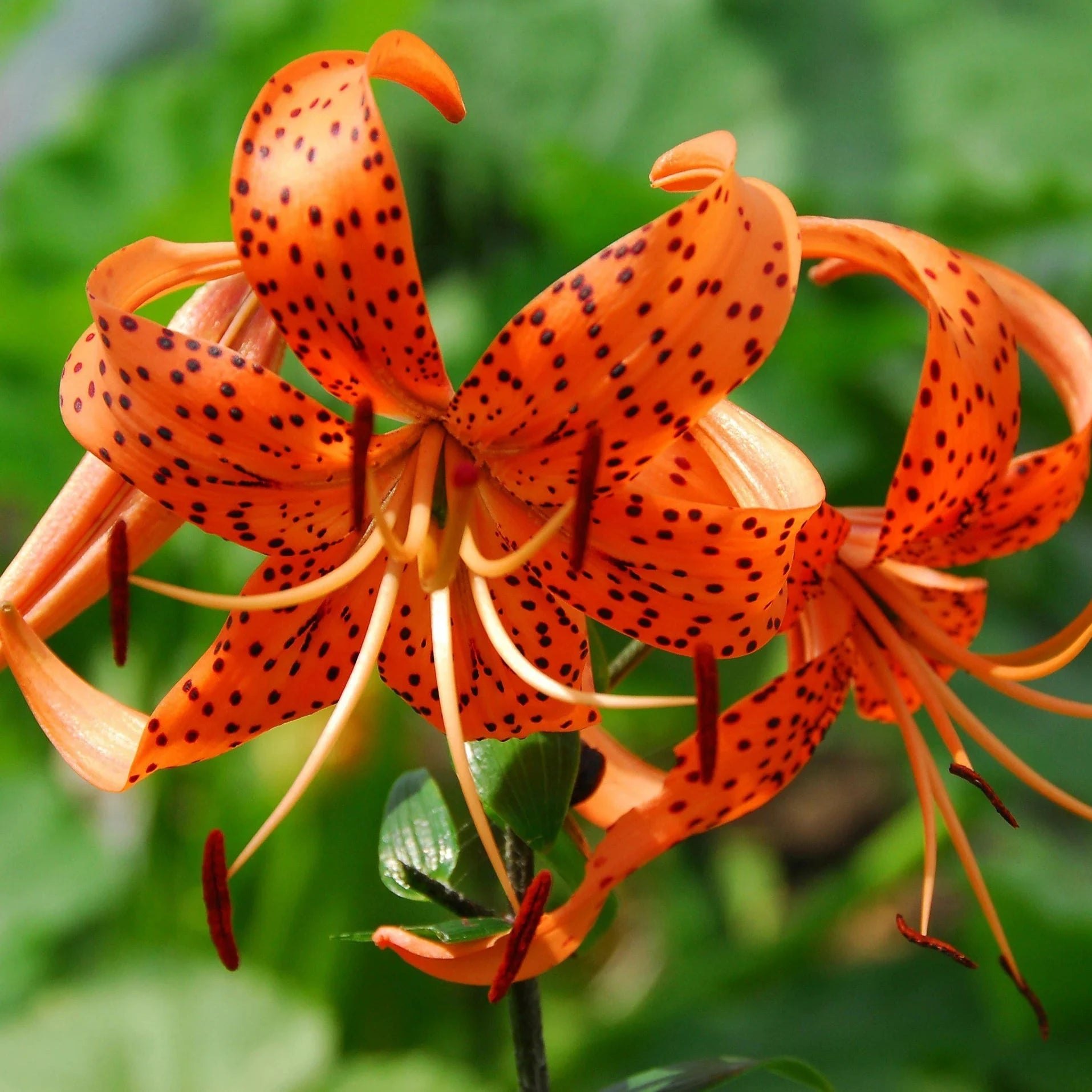
The tiger lily, or Lilium lancifolium, starts as a bulb and grows into a perennial that returns year after year. Native to East Asia, it has naturalized across parts of the USA, especially in the Northeast and Midwest. You see it popping up in wild spots like roadsides or old fields, but most folks grow it on purpose for its showy flowers. Each bloom measures four to six inches across.
The six petals reflex backward, forming a star shape that nods toward the ground. Those black spots? They give it that wild, tiger-stripe vibe – hence the name. The stems reach three to six feet tall, lined with narrow, lance-shaped leaves that twist slightly for extra texture. Flowers appear in clusters from July to August, and they carry a subtle, sweet scent that draws bees and butterflies.
In my garden, I love how the tiger lily flower contrasts with softer plants like hostas. It’s hardy in USDA zones 3 through 9, so whether you’re in chilly Minnesota or humid Georgia, it adapts well. Just one plant can produce up to 20 flowers, turning a small corner into a focal point.
For deeper details on its botany, check out this guide from NC State University on tiger lily.
The Meaning and Symbolism of the Tiger Lily
Flowers speak volumes without words, and the tiger lily shouts confidence. In the language of flowers, it stands for prosperity and wealth. Those dark spots on the petals? Some say they mimic coins, a nod to good fortune. I once gifted a bouquet to a friend starting a business, and she swore it brought her luck – her sales doubled that quarter.
It also symbolizes pride, but the healthy kind: self-assurance and strength. Back in Victorian times, sending tiger lilies meant “I dare you to be bold.” In Asian cultures, they tie to mercy and compassion, often linked to Buddhist stories of kindness. And don’t get me started on folklore. One tale from China paints the orange tiger lily as a protector against evil spirits, with its fiery color warding off negativity.
Today, you might spot them in wedding bouquets for couples wanting to convey loyalty and passion. Or tuck one into a thank-you note for that extra layer of warmth. Whatever your reason, this flower reminds you to embrace your inner fire.
Fun Facts About Tiger Lilies That Will Surprise You
After a decade of digging in the dirt, I’ve uncovered some quirky bits about tiger lilies. Here are a few that make them stand out:
- They produce tiny bulbils – mini bulbs – in the leaf axils. Just pluck them off in fall, plant them shallow, and you’ve got free plants for next year. I started a whole row this way from one original bulb.
- Tiger lilies are edible in parts. The bulbs taste like potatoes when cooked, a staple in some Native American dishes. But skip the flowers if you have cats; they’re toxic and can cause kidney issues.
- In Japan, they’re called “yama-yuri,” or mountain lily, and inspired haiku poems about summer’s fleeting beauty.
- A single stalk can bloom for weeks if you deadhead spent flowers. In my hot Texas trial garden (a friend’s plot), they lasted into September.
- They’re virus carriers but rarely show symptoms themselves. Keep them away from delicate Asiatic lilies to avoid spreading trouble.
These nuggets make chatting about your garden way more fun. Share one at your next barbecue, and watch eyes light up.
For historical uses, see the University of Iowa’s entry on tiger lily roots.
How to Grow Tiger Lilies: A Step-by-Step Guide
Growing tiger lilies feels like cheating – they’re that forgiving. With my ten years under my belt, I’ve boiled it down to basics you can follow right now. Aim for full sun, at least six hours a day, in soil that’s moist but drains fast. They like it slightly acidic, pH 6.0 to 6.5.
Start with bulbs in fall or spring. Dig holes six inches deep and eight to twelve inches apart. Drop in the bulb pointy end up, cover with soil, and water gently. Space them so air circulates; crowding invites disease.
Water weekly during dry spells, about an inch per session. Mulch around the base with two inches of bark to hold moisture and cool roots. Fertilize once in spring with a balanced 10-10-10 mix – half strength to avoid burns.
By summer, watch those stalks climb. Stake tall ones if wind’s an issue in your area. After blooms fade, let foliage yellow naturally; it feeds next year’s bulbs. In zones 3 to 6, mulch heavy for winter to protect from freezes.
I remember my first patch in Oregon. I ignored the spacing, and they tangled up. Lesson learned: Give them room. Now, they thrive with zero drama.
Propagation? Easy. Those bulbils I mentioned? Plant them one inch deep in pots. They’ll sprout in weeks. Or divide clumps every three years in fall.
For bulb specifics, visit the University of Maine’s tiger lily profile.
Troubleshooting Common Tiger Lily Problems
Even tough plants hit snags. Here’s how to fix yours quick.
- Yellow leaves: Too much water or poor drainage. Amend soil with compost and cut back watering.
- Few blooms: Not enough sun. Move to a brighter spot next season.
- Spots on leaves: Fungal issue from humidity. Improve air flow and apply neem oil spray weekly.
- Pests like aphids: Hose them off or use insecticidal soap. Ladybugs help too – release 500 per 1,000 square feet.
In my experience, aphids hit hardest in muggy July. A strong water blast sorted it in days. Test soil pH yearly; off-balance nutrients stall growth.
For more on diseases, the University of North Carolina’s flora site covers Lilium lancifolium details.
Why Tiger Lilies Shine in USA Gardens
Across the USA, tiger lilies fit right in. In the Pacific Northwest, they love the rainy climate but need afternoon shade to avoid scorch. Down South, plant in morning sun to beat the heat. Midwest prairies? They’re naturals, mimicking wild escapes.
Pair them with daylilies for a tiger theme, or black-eyed Susans for color pop. In containers, use a five-gallon pot with drainage holes – one plant per pot. They’re deer-resistant thanks to that bitter taste, a win in suburban spots.
Last summer, I entered a local fair with a tiger lily arrangement. It took blue for “best bold display.” You could do the same; start small and build.
Top care advice comes from The Spruce’s tiger lily guide. And for pairings, Gardenia.net on tiger lily has ideas.
Plant a few tiger lily bulbs this weekend. Watch your yard transform into a vibrant spot that says you’ve got style. What’s stopping you?