
Learn how to care for your Tradescantia Bubble Gum plant. This guide covers light, water, soil, propagation, and how to fix common problems for a vibrant, pink plant.
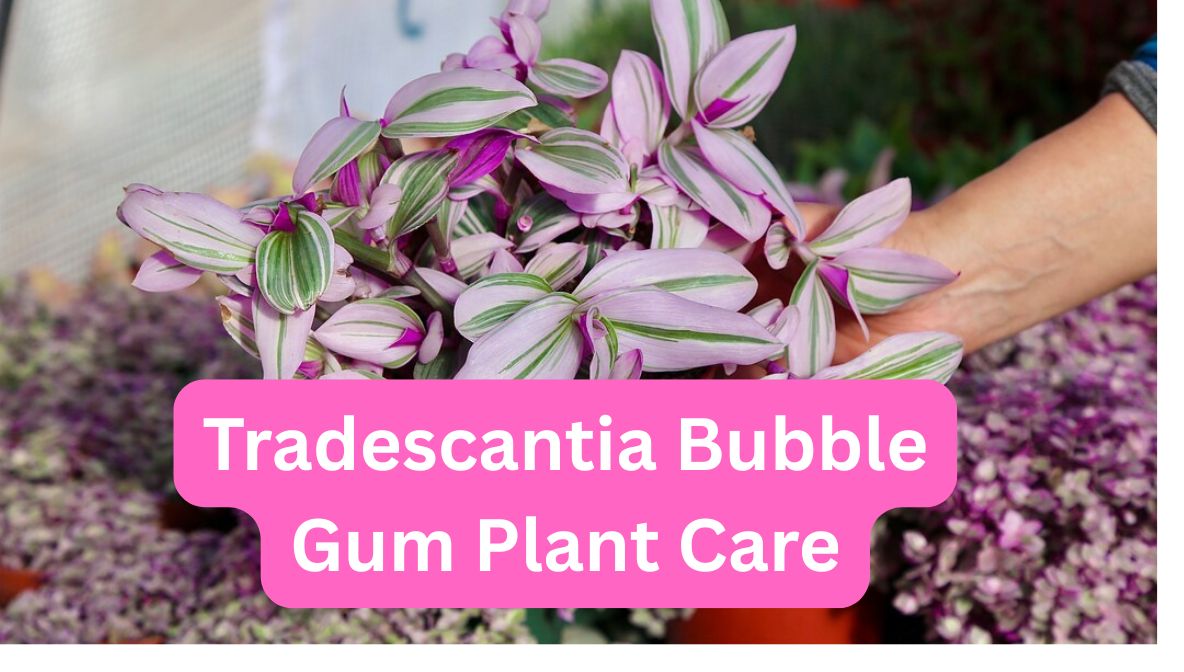
I have grown Tradescantia plants for a decade. The Bubble Gum variety, with its bright pink and green leaves, is one of my favorites. It is a fast-growing and rewarding plant. In this guide, I will share my specific care tips to help your Tradescantia Bubble Gum thrive.
What is a Tradescantia Bubble Gum Plant?
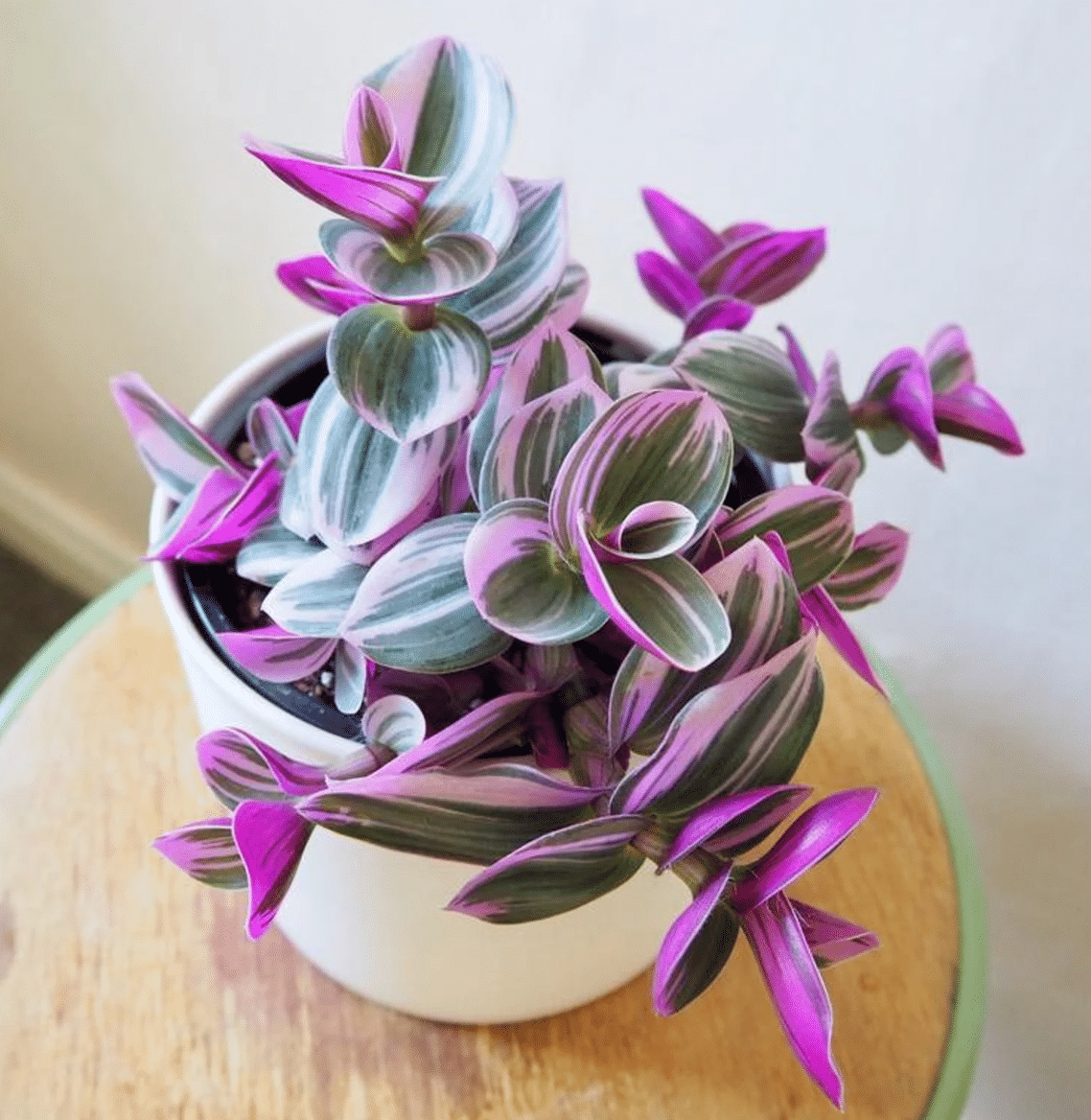
The Tradescantia Bubble Gum is a cultivar of Tradescantia fluminensis. It is known for its striking foliage. The leaves are a mix of solid pink and green stripes. The undersides of the leaves are a soft, solid lilac color. This plant is a vigorous trailing plant. It looks beautiful in hanging baskets where its vines can cascade over the sides.
It is a resilient plant, perfect for beginners. With the right care, it grows quickly and is easy to propagate. For more on different types, see our guide to tradescantia varieties.
Tradescantia Bubble Gum Care Basics
Light Requirements
Your Tradescantia Bubble Gum needs bright, indirect light. This is the most important factor for maintaining its bright pink color.
Place it near an east or west-facing window. A south-facing window is also good, but shield it with a sheer curtain during the hottest part of the day. Direct afternoon sun can scorch the leaves, causing brown tips.
If the light is too low, the plant will become leggy. The stems will stretch out with large spaces between leaves. The pink color will also fade and turn more green. I once placed a cutting in a dim hallway. Within two weeks, all the new growth was completely green.
Watering Schedule
Water your Tradescantia Bubble Gum when the top inch of soil feels dry. Stick your finger into the soil to check. When it is time, water thoroughly until it runs out of the drainage holes. Then, empty the saucer underneath.
Do not let the plant sit in water. This leads to root rot. During the active growing season in spring and summer, you may water once a week. In the winter, reduce watering to every two weeks or less. The plant is somewhat drought-tolerant, but prolonged dryness will cause the leaf tips to turn brown and crispy.
Soil and Potting
Use a well-draining potting mix. A standard houseplant soil works, but I prefer to amend it. I mix two parts potting soil with one part perlite. This creates an airy mix that prevents waterlogging.
You can also use a mix designed for succulents or cacti. The key is that water flows through it quickly. For more on this, see our article on how to choose the right potting soil.
Repot your plant every one to two years in the spring. Choose a pot that is only one size larger than the current one. A pot that is too big holds excess moisture. The Royal Horticultural Society provides an excellent guide on repotting that I always follow.
Temperature and Humidity
This plant enjoys average room temperatures between 60°F and 80°F. Keep it away from cold drafts and heating vents. Sudden temperature changes can stress the plant.
Average household humidity is usually fine. However, if your air is very dry, the leaf tips may brown. You can increase humidity by placing the plant on a pebble tray filled with water. Alternatively, group it with other plants. The Missouri Botanical Garden notes that Tradescantia fluminensis adapts well to indoor conditions.
Fertilizing for Growth
Feed your plant during the growing season. Use a balanced, water-soluble fertilizer. I use a 10-10-10 formula diluted to half strength. Apply it every four weeks from spring to early fall.
Do not fertilize in the winter. The plant’s growth slows down and it cannot use the extra nutrients. This can lead to a buildup of salts in the soil.
How to Propagate Tradescantia Bubble Gum
Propagation is simple. The easiest method is stem cuttings in water. This is a great way to share your plant with friends.
- Use clean, sharp scissors. Cut a stem section that is at least 3 to 4 inches long. Ensure it has a few leaves.
- Remove the leaves from the bottom one or two nodes of the cutting.
- Place the cutting in a glass of water, ensuring the leafless nodes are submerged.
- Put the glass in a spot with bright, indirect light.
- Change the water every few days to keep it fresh.
- You should see roots developing in about one to two weeks.
- Once the roots are an inch or two long, you can pot the cutting in soil.
You can also plant cuttings directly into moist soil. I find the water method more reliable. It allows you to monitor root growth. For more techniques, explore our guide on plant propagation methods.
Common Problems and Solutions
Leggy Growth
Leggy growth means long stems with few leaves. It is caused by insufficient light. The solution is to move your plant to a brighter location. You can also prune the long stems back. Use the cuttings for propagation. Pruning encourages the plant to become bushier.
Brown Leaf Tips
Brown leaf tips are usually a sign of underwatering or low humidity. Check your watering schedule. Make sure you are watering deeply when the top inch of soil is dry. If your air is dry, try increasing the humidity around the plant.
Pests
Tradescantia Bubble Gum can sometimes attract common houseplant pests. These include spider mites, aphids, and mealybugs.
Inspect your plant regularly, especially under the leaves. If you see pests, isolate the plant. You can often remove them by spraying the plant with water in a sink or shower. For persistent problems, use insecticidal soap or neem oil. The University of California Statewide IPM Program has a reliable resource on managing houseplant pests.
Fading Pink Color
If the vibrant pink color fades to green, your plant needs more light. Move it to a spot where it receives several hours of bright, indirect sunlight. The color should return in new growth.
Is Tradescantia Toxic to Pets?
Yes. According to the ASPCA, Tradescantia plants can be toxic to cats and dogs. Ingestion may cause dermatitis, which is skin irritation. It is best to keep this plant out of reach of your pets. You can verify this on the ASPCA’s toxic plant list.
Simple Tips for Success
- Rotate your plant every time you water it. This ensures all sides receive even light.
- Prune regularly to maintain a full, bushy shape.
- Wipe the leaves with a damp cloth every few weeks to remove dust.
- If your plant is old, consider growing new plants from cuttings. Older plants can become sparse at the base.
With these straightforward care steps, your Tradescantia Bubble Gum will remain a stunning, colorful highlight in your home. Its easy-going nature and rapid growth make it a joy for any plant lover. For more on caring for colorful foliage, see our piece on growing pink plants indoors.