
Explore beautiful trees that start with Y for your landscape! Get expert tips on Yellowwood, Yoshino Cherry, Yaupon, and more from a gardener with 10 years of experience.
As a gardener with over a decade of experience, I’ve learned that some of the most rewarding plants are the ones you have to search a little harder to find. When we think of common trees, oaks and maples often come to mind. But have you ever considered the unique charm of trees that start with Y?
These “Y” trees are hidden gems in the horticultural world, offering stunning flowers, fantastic fall color, and robust growth for various landscapes. In this guide, I’ll introduce you to my top picks and share the practical knowledge I’ve gained from growing them myself.
Why Consider Trees Beginning with Y?
You might be wondering why you should seek out these less common names. From my experience, trees that start with Y often provide the perfect solution for a specific niche in the garden. Whether you need a salt-tolerant evergreen, a spectacular flowering specimen, or a native tree that supports local wildlife, the “Y” trees deliver.
Incorporating them into your plan adds not only beauty but also a great conversation starter. I can’t count how many times a visitor has asked me about the “Y” tree in my yard, leading to a wonderful discussion about plant diversity.
My Top Picks: Trees That Start With Y
After years of planting and observing, here are the trees that start with Y that have earned a permanent spot in my garden and my heart.
1. Yellowwood (Cladrastis kentukea)
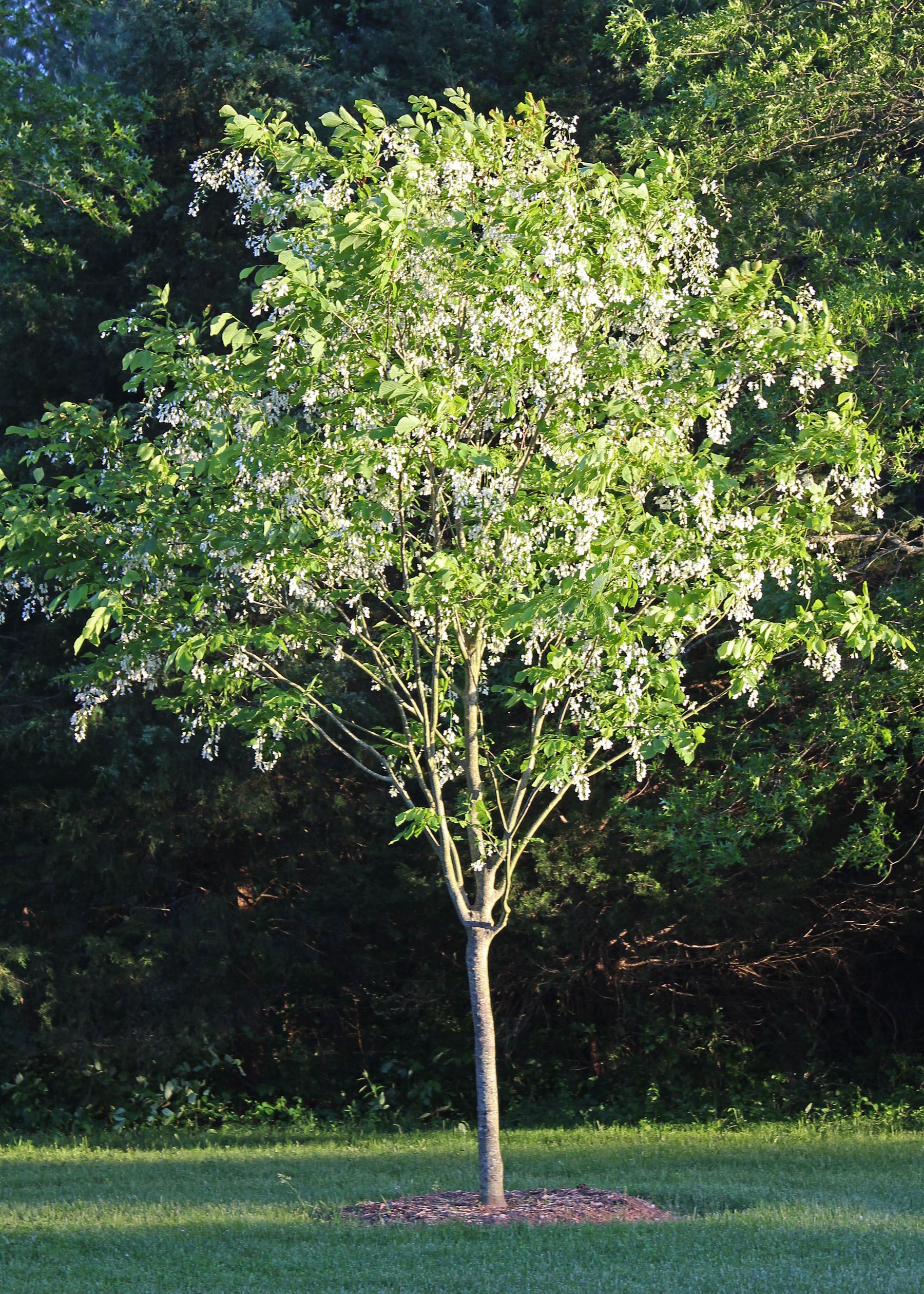
The Yellowwood is a native North American tree that is vastly underused, and I can’t understand why! It’s a true four-season star.
- Mature Size: 30-50 feet tall with a broad, rounded crown.
- Key Features: In late spring, it produces gorgeous, wisteria-like clusters of fragrant white flowers that drip from the branches. The smooth, beech-like gray bark is beautiful year-round, and the foliage turns a bright, clear yellow in autumn.
- My Growing Tips: Plant it in well-drained soil and give it plenty of sun. Be patient—it can take several years to settle in before it begins its spectacular flowering, but it is well worth the wait. Avoid heavy pruning in spring as it may “bleed” sap; instead, prune in mid-summer if necessary.
2. Yoshino Cherry (Prunus × yedoensis)
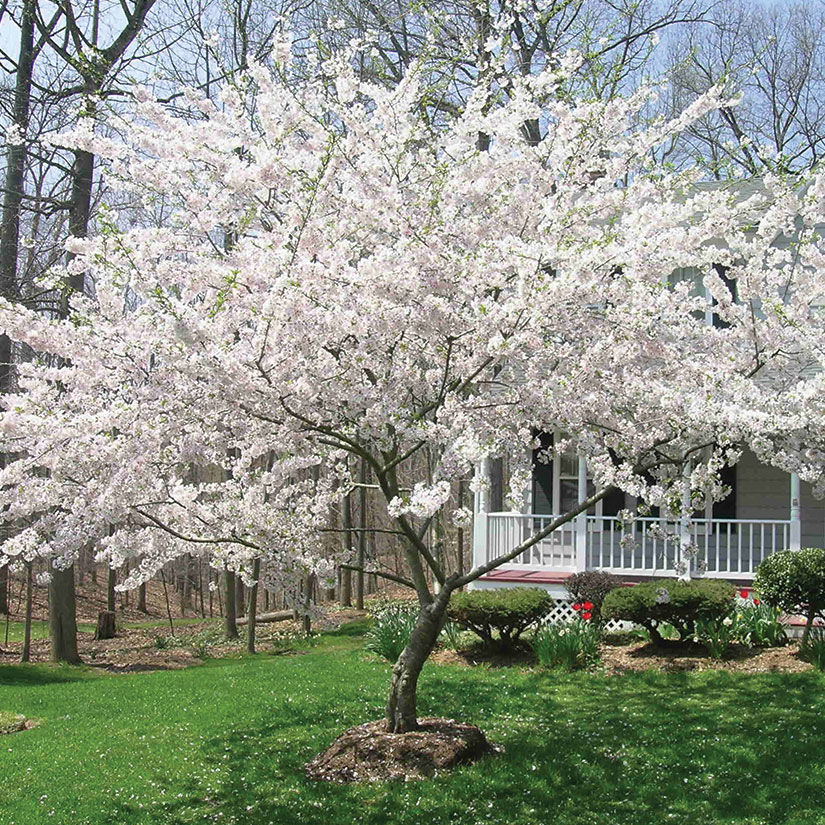
If you’ve ever seen the breathtaking cherry blossoms in Washington D.C., you’ve admired the Yoshino Cherry. This tree is pure poetry in motion.
- Mature Size: 25-40 feet tall with a graceful, spreading habit.
- Key Features: In early spring, it becomes clouded with delicate pale pink to white flowers, creating an unforgettable display. The fragrance is subtle and sweet.
- My Growing Tips: For the best flower show, ensure it gets at least 6 hours of direct sun daily. I’ve found it appreciates consistent moisture, especially while establishing. Site it where you can enjoy the brief but magnificent bloom from a window.
3. Yaupon Holly (Ilex vomitoria)
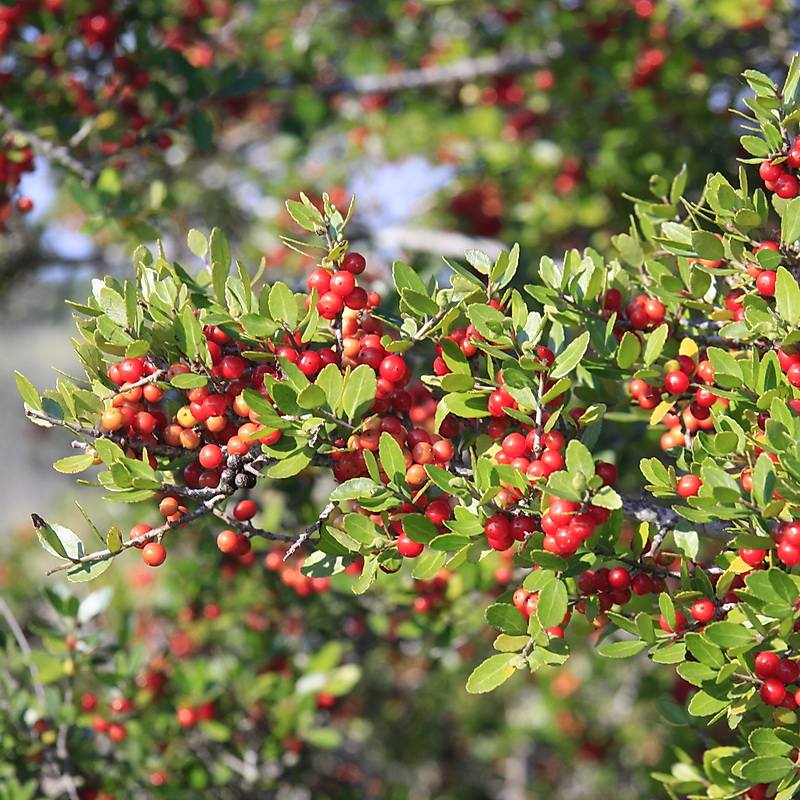
Don’t let the unappealing scientific name fool you—this versatile native is one of my most recommended plants. As a broadleaf evergreen, it provides year-round interest.
- Mature Size: 15-25 feet tall, but can be maintained as a smaller shrub or hedge.
- Key Features: This tree is incredibly adaptable. It produces abundant red berries that persist through winter, providing crucial food for birds. It’s also remarkably salt and drought-tolerant.
- My Growing Tips: This is one of the most low-maintenance trees that start with Y. It thrives in full sun to full shade and almost any soil type. I’ve used it successfully as a dense hedge, a small specimen tree, and even in coastal gardens. It withstands pruning exceptionally well.
4. Yew (Taxus spp.)
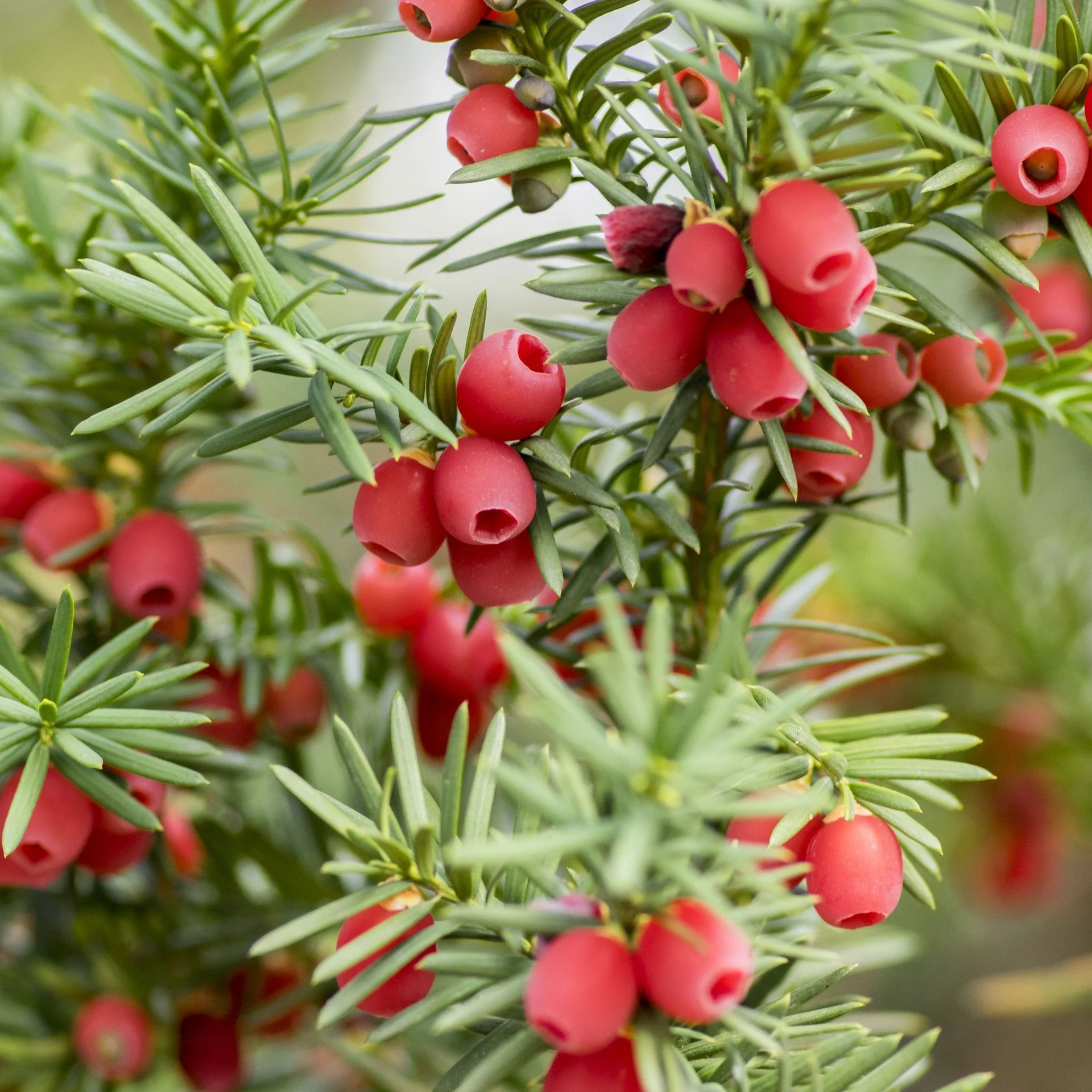
Yews are classic, long-lived conifers that have been garden favorites for centuries. They offer a deep green elegance that is hard to beat.
- Mature Size: Varies widely by species, from low-growing 4-foot shrubs to 60-foot trees.
- Key Features: Yews have dark green, needle-like foliage and produce striking red arils (berry-like structures). They are one of the few conifers that thrive in shaded conditions.
- My Growing Tips: Yews are wonderfully tolerant of heavy pruning, making them excellent for hedges and topiary. A word of caution: all parts of the plant are highly toxic except for the fleshy red aril, so exercise caution if you have children or pets who might be tempted to nibble.
5. Yellow Birch (Betula alleghaniensis)
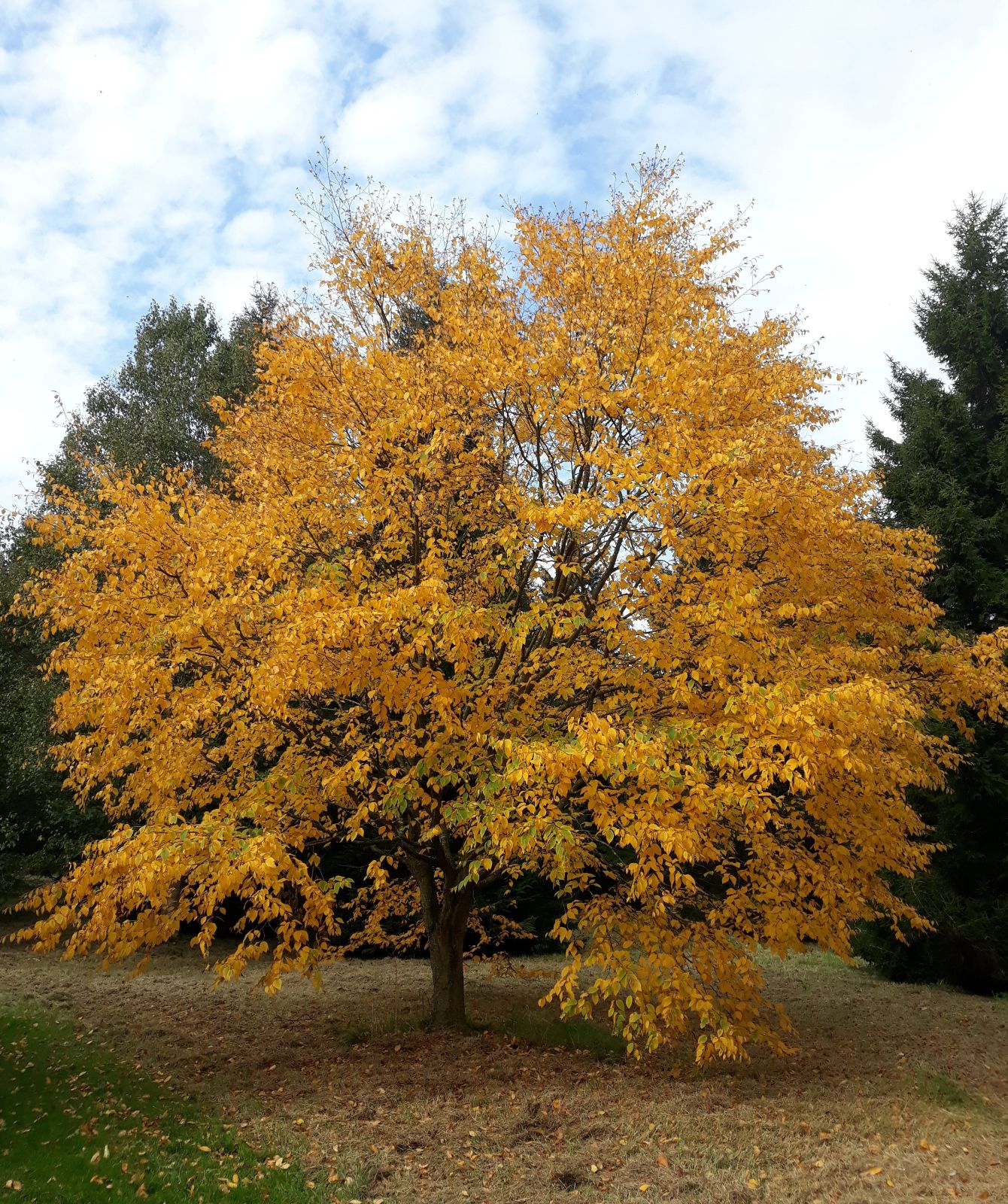
I first fell in love with this tree on a hiking trip, captivated by its stunning, metallic bark. It’s a North American native that brings a touch of the northern forests to the landscape.
- Mature Size: 60-80 feet tall, best suited for larger properties.
- Key Features: The bark is its star feature—a shiny, yellowish-bronze that peels in delicate, curly strips. The fall foliage is a brilliant yellow.
- My Growing Tips: This tree prefers cool, moist, acidic soils. Give it plenty of room to spread and avoid compacted soil. I’ve found it does best when given a generous mulch ring to keep its roots cool and moist.
6. Yeddo Hawthorn (Raphiolepis umbellata)
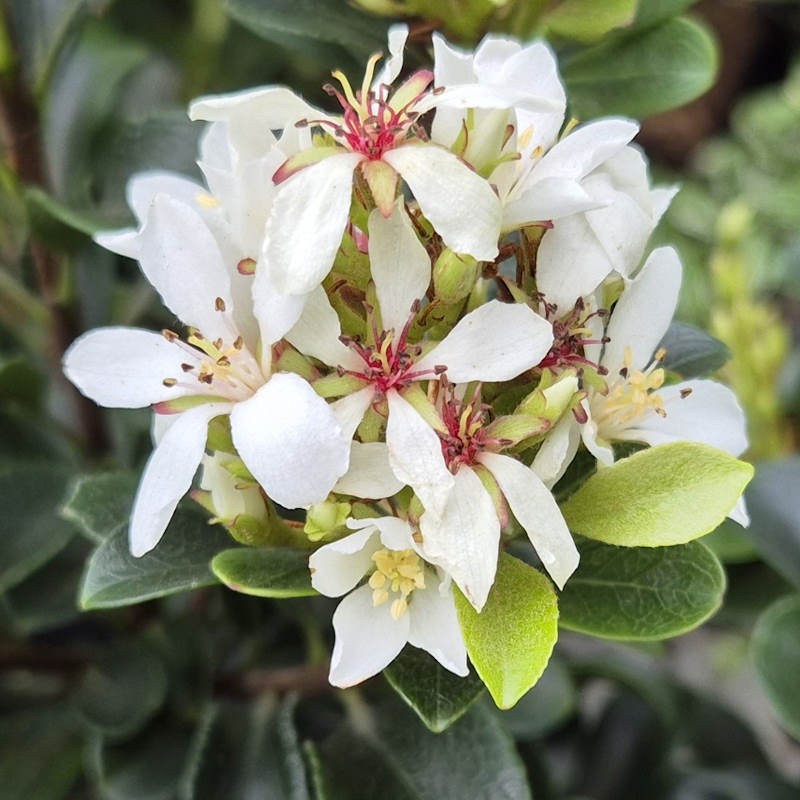
While sometimes grown as a large shrub, the Yeddo Hawthorn can be trained into a beautiful small, multi-trunked tree, and I find it’s a fantastic option for warmer climates.
- Mature Size: 10-15 feet tall and wide.
- Key Features: This broadleaf evergreen boasts glossy, leathery dark green leaves that provide great texture year-round. In late spring, it produces clusters of fragrant white flowers that gradually fade to pink, followed by dark purple-to-black berries.
- My Growing Tips: This is another wonderfully salt-tolerant plant, making it excellent for coastal landscapes. It thrives in full sun and well-drained soil. I’ve used it as a sturdy, low-maintenance foundation plant or as a dense, informal screen. It’s remarkably resistant to pests and diseases.
7. Yunnan Pine (Pinus yunnanensis)
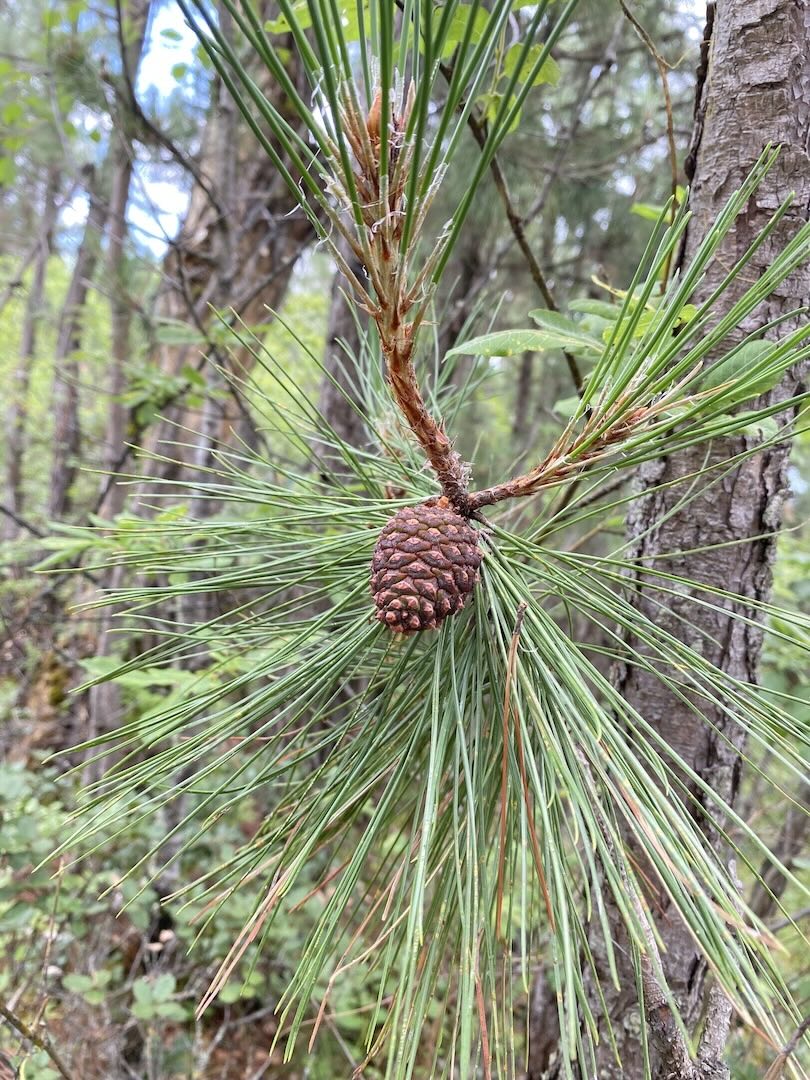
For gardeners in warmer climates who want evergreen structure and a rugged, natural look, the Yunnan Pine is an excellent solution.
- Mature Size: 50-100 feet tall in cultivation, with a 20-40 foot spread.
- Key Features: This handsome conifer features long, slender needles in bundles of three and develops an attractive, irregular form with reddish-brown plated bark. It provides a light, airy feel compared to denser pines.
- My Growing Tips: I’ve seen these pines thriving in the southern U.S. where many other pines struggle. They’re remarkably drought-tolerant once established and can handle poorer soils. Excellent as a windbreak or a unique specimen tree, its open habit allows some light penetration for underplanting with shade-tolerant grasses or groundcovers.
Other Noteworthy Trees That Start With Y
Beyond my top five, there are a few more “Y” trees you might encounter:
- Yeddo Hawthorn (Crataegus cuneata): A small, thorny tree with attractive flowers and fruit, great for wildlife gardens.
- Yunnan Pine (Pinus yunnanensis): A handsome conifer with long, slender needles, known for its drought tolerance once established.
Quick Comparison Guide: Trees That Start With Y
To help you choose the right tree for your needs, here’s an at-a-glance comparison:
Tree NameMature HeightKey FeaturesUSDA ZonesBest UseYellowwood30-50 ftFragrant white flowers, smooth bark4-8Lawn specimen, focal pointYoshino Cherry25-40 ftProlific pink spring blossoms5-8Ornamental, specimenYaupon Holly15-25 ftRed berries, evergreen, salt-tolerant7-10Hedges, coastal gardensYew4-60 ftShade-tolerant, takes pruning well4-7Hedges, foundation, shadeYellow Birch60-80 ftGolden peeling bark, yellow fall color3-7Shade tree, naturalizing
How to Successfully Grow Trees That Start With Y
Planting and Establishment
Proper planting is the most critical step for long-term success. I always dig a hole that’s two to three times wider than the root ball but no deeper. Roughen the sides of the hole to prevent glazing, which can redirect roots in a circular pattern.
Watering Strategy: Newly planted trees need consistent moisture. I recommend a deep watering once or twice per week during the first growing season, adjusting based on rainfall. Water slowly to ensure deep penetration—I often use a soaker hose for this task.
Pruning and Maintenance
- Yoshino Cherry: Prune immediately after flowering to shape and remove dead wood.
- Yaupon Holly: Can be pruned heavily for hedging or limbed up to form a beautiful small tree.
- Yellowwood: Develops a strong structure naturally and requires minimal pruning.
- Yew: Responds excellently to heavy pruning, making it ideal for formal shapes.
I always follow the “3-3-3 rule for mulching”: create a 3-foot wide circle of mulch around the tree, keep it 3 inches deep, and always leave a 3-inch gap away from the trunk itself. This protects the roots and trunk from damage while conserving soil moisture.
Design Ideas for Incorporating Y Trees in Your Landscape
Creating Four-Season Interest
One of my favorite landscape designs uses multiple trees that start with Y to ensure year-round beauty:
- Spring: The Yoshino Cherry provides a spectacular floral focal point.
- Summer: The Yaupon Holly offers deep green structure.
- Fall: The Yellowwood and Yellow Birch put on a brilliant yellow display.
- Winter: The Yew adds evergreen presence and the Yaupon Holly shows off its red berries.
Practical Applications
- Privacy Screening: Combine the dense foliage of Yew and Yaupon Holly for an effective, layered screen.
- Wildlife Habitat: Yaupon Holly berries feed birds in winter, while Yellow Birch supports caterpillar species.
- Small Spaces: Dwarf yew varieties are perfect for foundation plantings and containers.
Frequently Asked Questions About Trees That Start With Y
What is the most common tree starting with Y in the US?
The Yaupon Holly is likely the most common and widespread tree starting with Y, particularly throughout the southeastern states. Its incredible adaptability to various soils, drought tolerance, and popularity for hedging make it a staple in both residential and commercial landscapes.
Are there any fast-growing trees that start with Y?
While many of the trees on this list are moderate growers, the Yoshino Cherry is relatively fast-growing, typically adding 1-2 feet per year and reaching maturity in 15-20 years.
Which Y trees are best for small gardens?
For limited spaces, your best bets are the Yaupon Holly (which can be maintained at almost any size with pruning) or dwarf yew varieties like ‘Densiformis’ that typically stay under 4 feet tall and wide.
Do any Y trees have significant wildlife value?
Absolutely! The Yaupon Holly is a superstar for wildlife, providing crucial winter food for birds like robins and mockingbirds. The Yellow Birch also hosts numerous caterpillar species, which in turn feed songbirds.
Embrace the Unique Beauty of Y Trees
Exploring the world of trees that start with Y has been one of the most enjoyable parts of my gardening journey. These distinctive species offer solutions for nearly every landscape situation while adding unique character and beauty. Whether you’re drawn to the spectacular spring display of the Yoshino Cherry, the unparalleled wildlife value of the Yaupon Holly, or the stately elegance of a Yellowwood, there’s a “Y” tree perfect for your garden.
I encourage you to visit a local arboretum or botanical garden to see these trees in person throughout the seasons. Nothing replaces observing their growth habits and characteristics firsthand.
Have you grown any of these trees that start with Y? I’d love to hear about your experiences—share your stories in the comments below! YOU CAN READ THIS INTERESTING ARTICLE 20 Trees that start with C : A Nature Lover’s Guide