Tulsi Basil Seeds : Growing Sacred Basil for Health & Spirituality
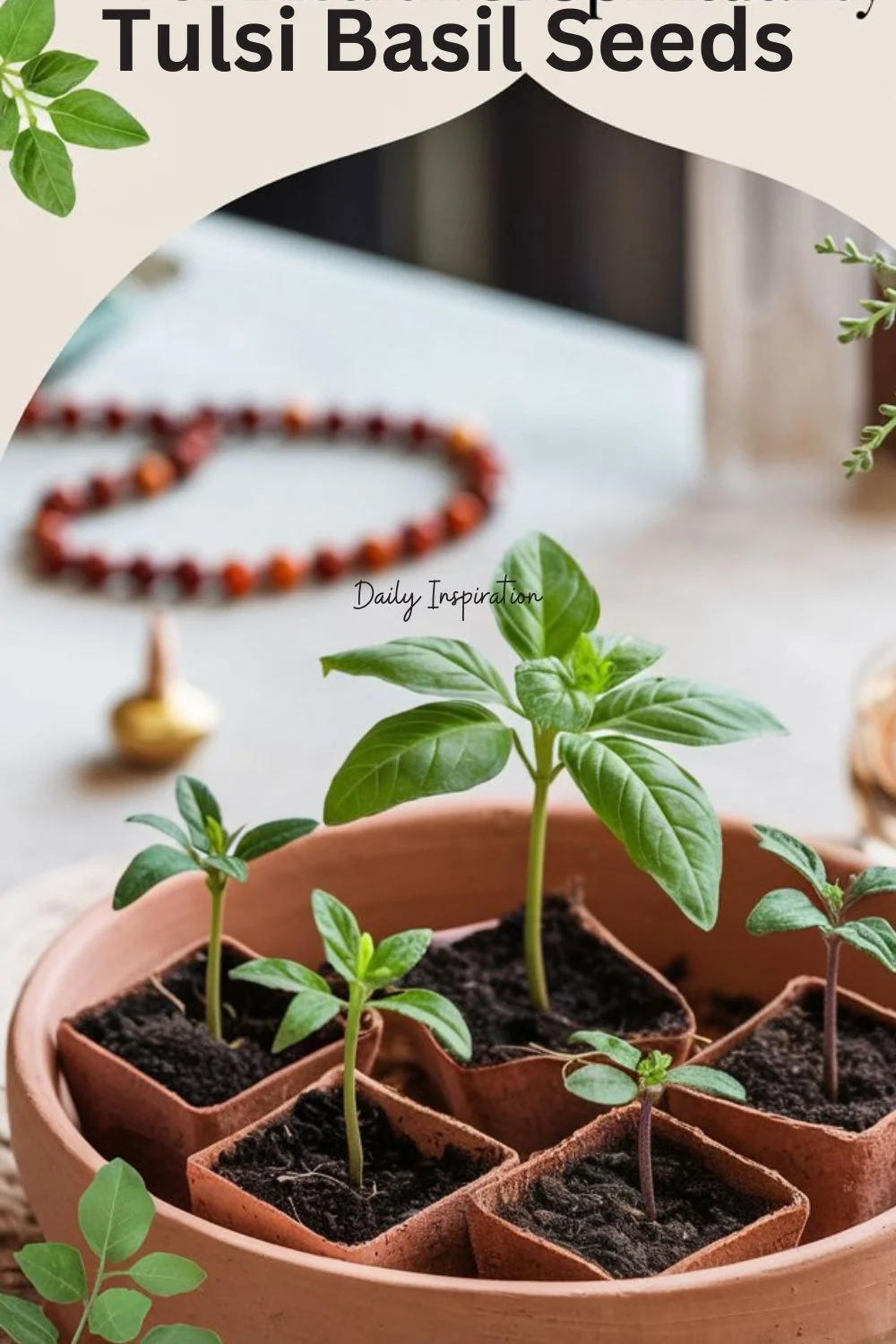
Post Views: 146 Discover the secrets of growing tulsi basil from seeds in 2024. Learn expert tips on cultivation, harvesting and using this sacred herb for health and spiritual practices. Tulsi basil seeds, also known as holy basil or Ocimum sanctum, are revered for their spiritual significance and potent health benefits. In 2024, growing tulsi from seeds has become increasingly popular among health-conscious gardeners and herbal enthusiasts. This versatile plant not only adds a unique flavor to culinary dishes but also serves as a powerful adaptogen, supporting overall wellness and stress relief. Hello, I’m Ashley Scott, an herbalist and organic gardening expert with over 15 years of experience cultivating medicinal plants. Today, I’m excited to share my knowledge about tulsi basil seeds and how to grow this remarkable herb in your own garden or indoor space. Understanding Tulsi Basil Tulsi, scientifically known as Ocimum sanctum or Ocimum tenuiflorum, is a species of basil native to the Indian subcontinent. Often called “Holy Basil,” it’s one of the most revered herbs in Ayurvedic medicine and Hindu tradition. As interest in natural remedies and stress-relief plants grows, tulsi has become a popular choice for medicinal herb gardens. Key characteristics include: Why Grow Tulsi Basil from Seeds in 2024? Starting Tulsi Basil from Seeds Sourcing Quality Seeds Begin with high-quality, organic tulsi basil seeds. The Seed Savers Exchange is a reliable source for heirloom and organic herb seeds, including various tulsi varieties. Sowing and Germination For those interested in hydroponic herb gardening, tulsi adapts well to water-based growing systems, making it an excellent choice for indoor herb enthusiasts. Caring for Tulsi Basil Plants Soil and Sunlight Requirements Watering and Fertilizing Tulsi prefers consistent moisture but is drought-tolerant once established. Use organic, balanced fertilizers monthly during the growing season. For a natural approach, compost tea is an excellent nutrient source for herb gardens. Companion Planting Tulsi makes an excellent companion plant in vegetable gardens. It can repel pests and enhance the growth of neighboring plants. Consider pairing it with tomatoes or peppers for a mutually beneficial relationship. Innovative Cultivation Techniques for 2024 Vertical Herb Gardens Maximize space by incorporating tulsi into vertical gardening systems. This method is perfect for urban gardeners or those with limited outdoor space. Smart Garden Technology Utilize IoT-enabled sensors to monitor soil moisture, light levels, and temperature, ensuring optimal growing conditions for your tulsi plants. Aquaponics Integration For sustainable gardening enthusiasts, tulsi thrives in aquaponic systems, where it can benefit from nutrient-rich water while helping to filter the system. Harvesting and Using Tulsi Basil Harvesting Tips Culinary Uses Tulsi adds a unique, spicy flavor to teas, salads, and Asian-inspired dishes. It’s a key ingredient in many Thai basil recipes, offering a delicious alternative to sweet basil. Medicinal Applications Tulsi is widely used in herbal medicine for its adaptogenic and immune-boosting properties. It can be consumed as a tea, tincture, or in capsule form. Always consult with a healthcare professional before using tulsi for medicinal purposes. Seed Saving and Propagation To maintain a continuous supply of tulsi: Tulsi can also be propagated through cuttings, making it easy to share with fellow herb enthusiasts. Troubleshooting Common Issues Growing tulsi basil from seeds offers a rewarding experience for gardeners, health enthusiasts, and spiritual practitioners alike. By following these guidelines and embracing innovative cultivation techniques, you can successfully grow this sacred herb and enjoy its numerous benefits. Whether you’re sipping a calming tulsi tea or incorporating it into your culinary creations, the journey from seed to harvest is sure to enrich your gardening experience in 2024 and beyond. For more gardening tips and plant care guides, visit usagardenhub.com
