
Ashley Scott shares 9 vegetable combos that love each other, like tomatoes and basil, for a thriving garden. Boost your fall harvest with these companion planting tips!
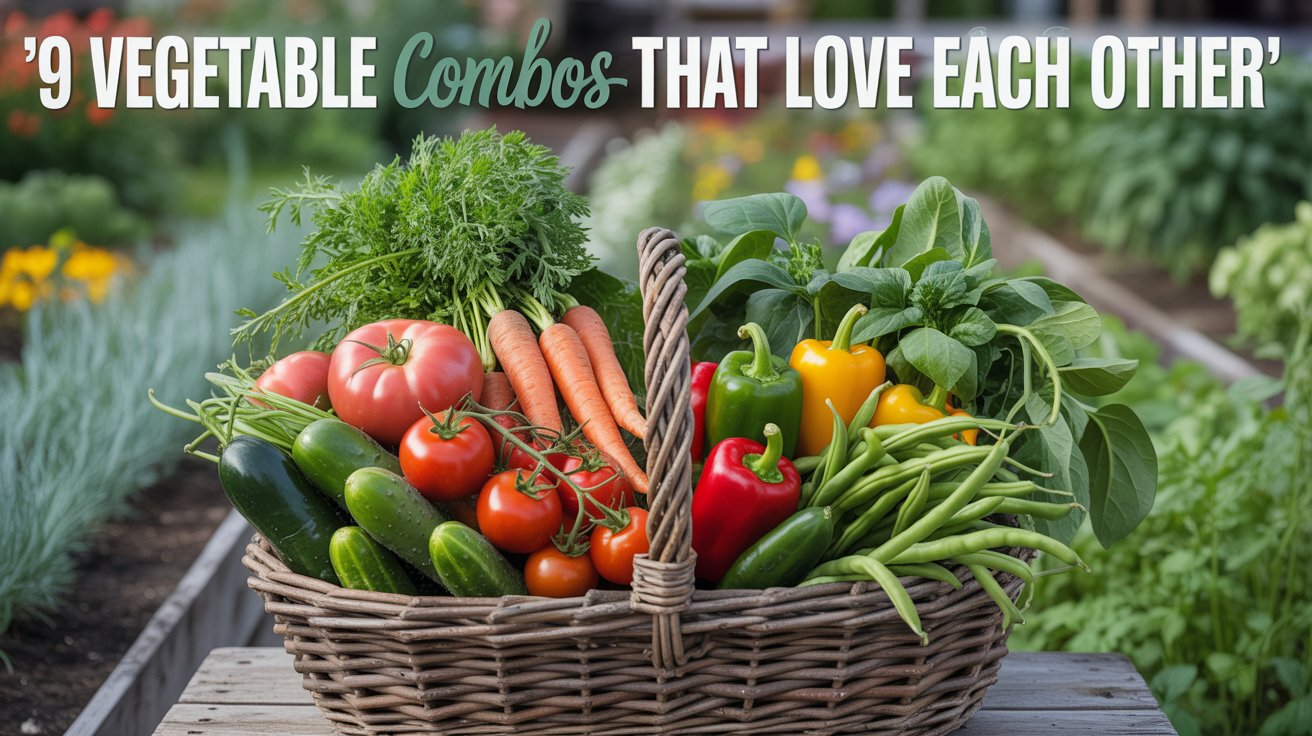
Hey there, garden pals! I’m Ashley Scott, and after more than a decade of digging in my California backyard, I’ve learned that plants can be like best friends—they thrive when paired right. Companion planting is my secret weapon for a healthier, happier vegetable garden, and today, I’m sharing 9 vegetable combos that love each other. These pairings boost growth, deter pests, and make your garden beds pop with life. From my own trial-and-error (like the time I planted onions too close to beans—yikes!), I’ve got tips, stories, and practical steps to help US gardeners nail these combos. Whether you’re in a chilly Midwest plot or a sunny Southern one, these duos will work magic. Let’s get growing!
Why Companion Planting Works Wonders
When I started gardening, I tossed seeds wherever they fit—big mistake. Some plants compete, others attract pests. Companion planting pairs veggies that help each other, like boosting nutrients, shading roots, or repelling bugs. It’s like matchmaking for your vegetable garden! Over the years, I’ve seen fewer aphids, richer soil, and bigger harvests with these combos. For a deep dive, check our companion planting basics on USA Garden Hub. Now, here are my 9 vegetable combos that love each other, with real-life lessons and how-tos.
1. Tomatoes and Basil: Flavor and Pest Protection
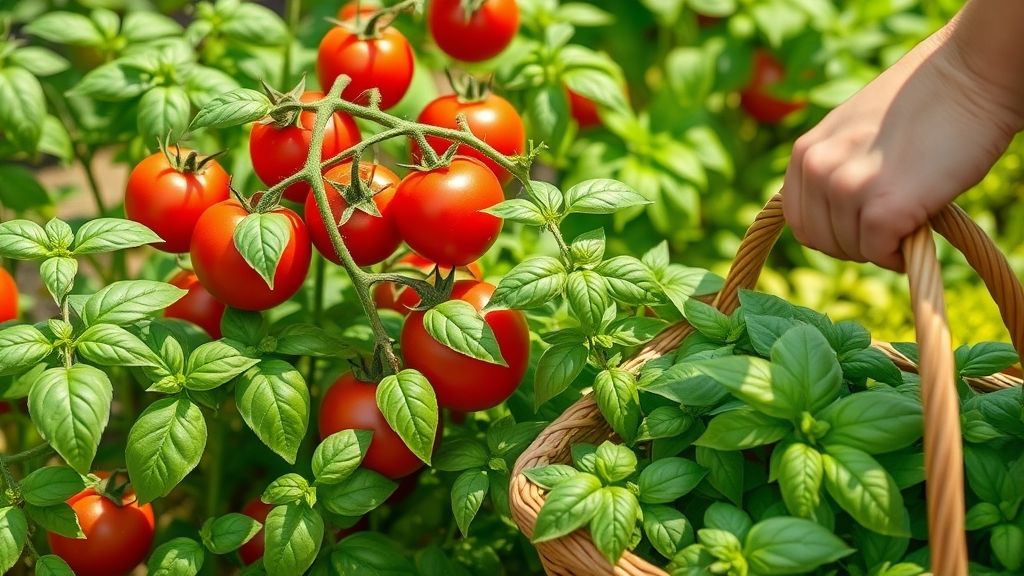
Tomatoes and basil are a dream team. I plant them together every year—basil’s scent keeps tomato hornworms away, and they taste amazing in salads. Once, I skipped basil, and pests had a field day!
How to Pair:
- Plant basil 12 inches from tomato stems.
- Pinch basil tops to encourage bushy growth.
- Water consistently; both love sun.
My tip: Harvest basil regularly to prevent it from overshadowing tomatoes. See our tomato growing guide for more.
Resource: Cornell University’s companion planting guide explains pest-repelling herbs.
2. Carrots and Onions: Root and Repellent Duo
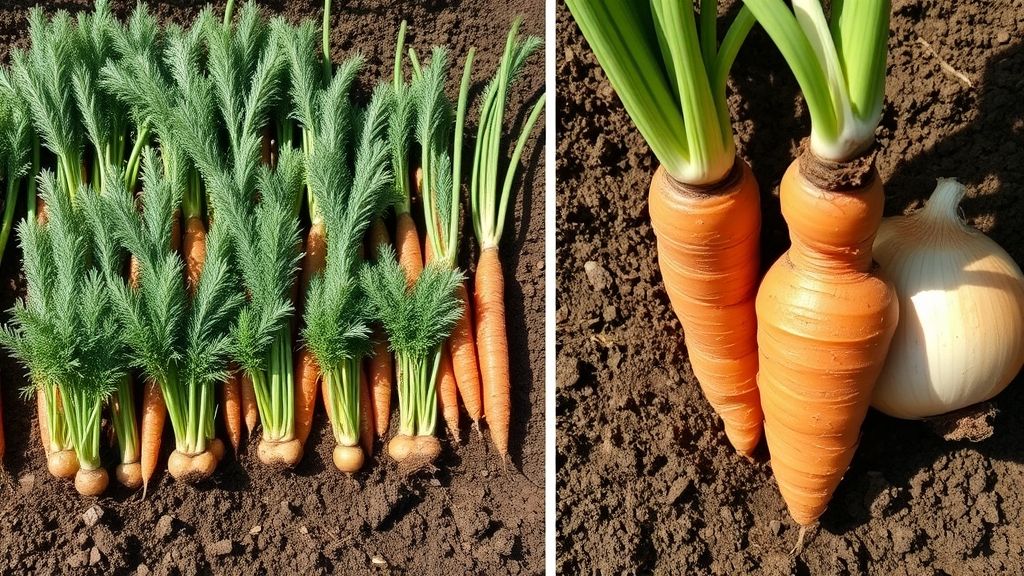
Carrots and onions are like garden bodyguards. Onions deter carrot flies, while carrots loosen soil for onions. I tried this combo after losing carrots to pests—game-changer.
How to Pair:
- Sow carrot seeds in rows, with onions 6 inches apart.
- Thin carrots to avoid crowding.
- Keep soil moist but not soggy.
Lesson learned: Don’t plant onions too close—they can stunt carrots. Check our root vegetable growing basics.
3. Corn, Beans, and Squash: The Three Sisters
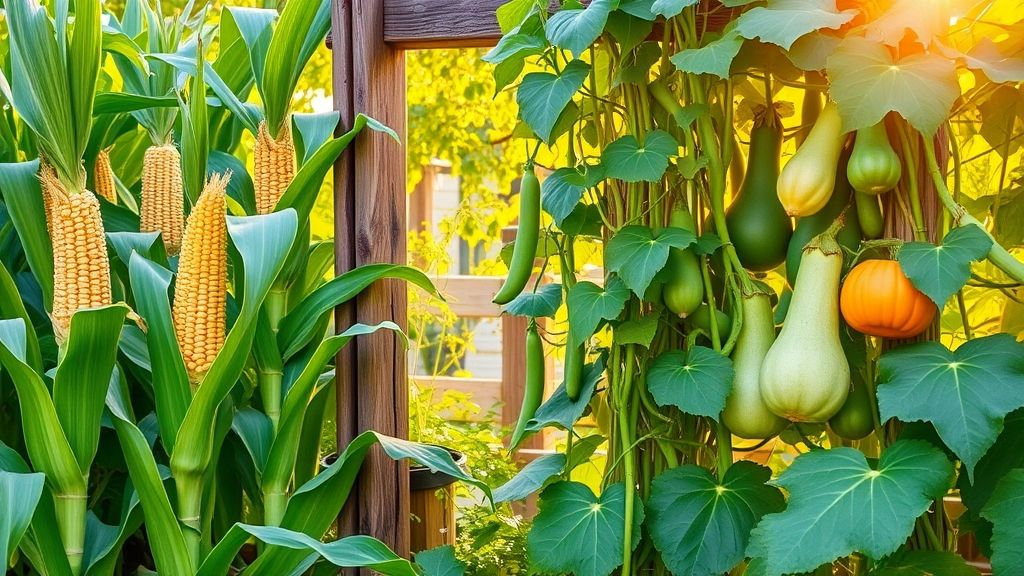
This Native American trio—corn, beans, and squash—is a classic. Corn supports beans, beans fix nitrogen in the soil, and squash shades weeds. My first attempt was messy, but spacing them right made my plot thrive.
How to Pair:
- Plant corn in a block, beans around stalks, squash at the edges.
- Use pole beans, not bush varieties.
- Mulch to retain moisture.
My hack: Start corn early; it’s the anchor. Our Three Sisters planting guide has details.
Link: The Old Farmer’s Almanac on Three Sisters history.
4. Lettuce and Radishes: Quick and Shady
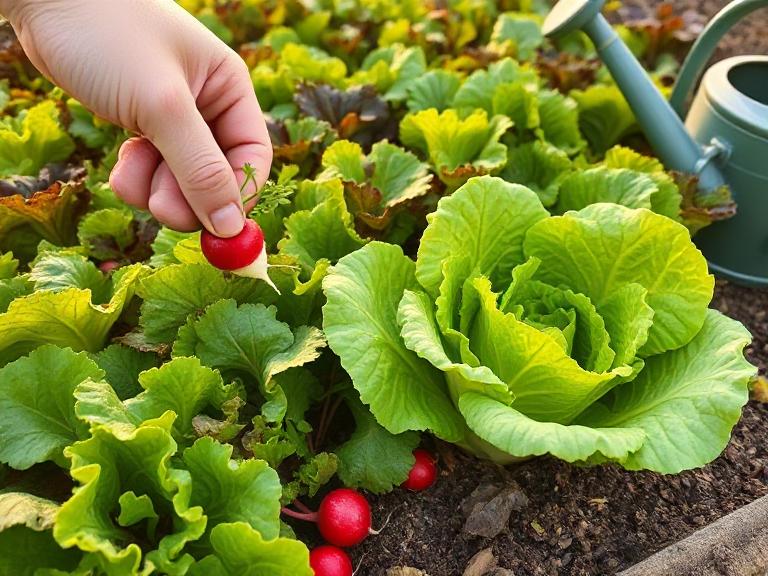
Lettuce loves radishes’ shade, and radishes loosen soil for lettuce roots. I grow these in spring and fall—radishes mature fast, leaving space for lettuce to spread.
How to Pair:
- Sow radish seeds between lettuce rows.
- Harvest radishes in 3-4 weeks.
- Keep soil cool with light mulch.
From my garden: Radishes can bolt in heat, so plant early. See our leafy greens growing tips.
5. Cucumbers and Dill: Flavorful Friends
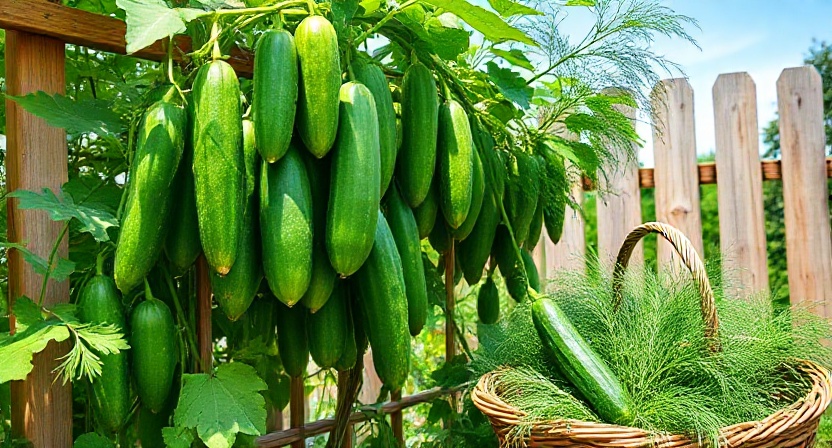
Cucumbers and dill attract pollinators and repel pests. I planted dill near my cukes one year, and pollination skyrocketed—no more misshapen fruits!
How to Pair:
- Plant dill near cucumber trellises.
- Space cukes 12 inches apart for airflow.
- Harvest dill early to avoid crowding.
My tip: Use dill in pickling your cukes—double win! Check our cucumber growing guide.
Resource: University of Minnesota Extension on herb pairings.
6. Peppers and Spinach: Heat Meets Cool
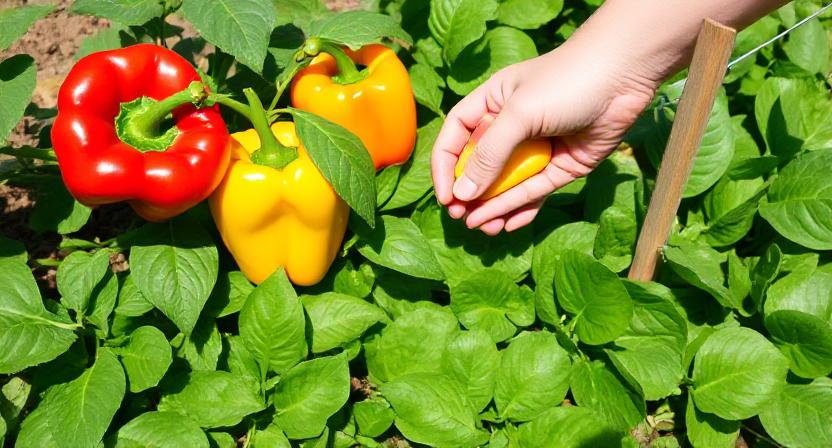
Peppers provide shade for spinach, which keeps soil cool for pepper roots. I tried this in my hot summers, and spinach lasted longer than usual.
How to Pair:
- Plant spinach under pepper plants.
- Water deeply; both dislike dry soil.
- Harvest spinach leaves young.
Personal note: Trim spinach regularly to prevent bolting. Our pepper growing tips has more.
7. Cabbage and Marigolds: Pest-Fighting Power
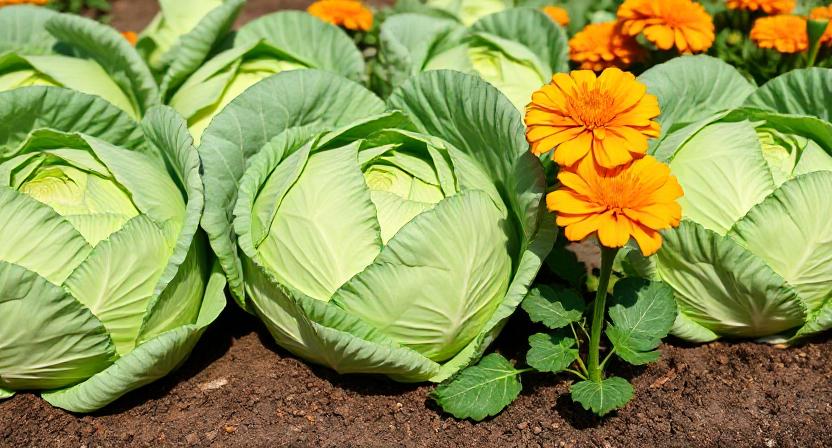
Marigolds’ scent repels cabbage worms, saving my brassicas every fall. I learned this after a wormy disaster—marigolds are now non-negotiable.
How to Pair:
- Plant marigolds around cabbage edges.
- Space cabbages 18 inches apart.
- Deadhead marigolds for continuous blooms.
My trick: Use French marigolds for best results. See our cabbage growing guide.
Link: Purdue Extension on marigold benefits.
8. Zucchini and Nasturtiums: Beauty and Bugs
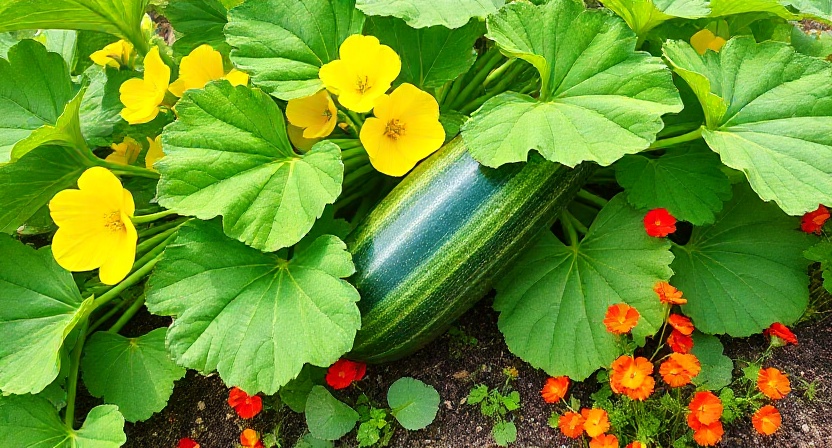
Nasturtiums deter squash bugs while adding edible blooms. My zucchini patch was overrun once—nasturtiums fixed it and added color.
How to Pair:
- Plant nasturtiums near zucchini hills.
- Train nasturtiums to trail, not climb.
- Water at the soil level to prevent mildew.
From experience: Nasturtium flowers spice up salads! Our zucchini growing tips helps.
9. Beans and Potatoes: Nutrient and Space Savers
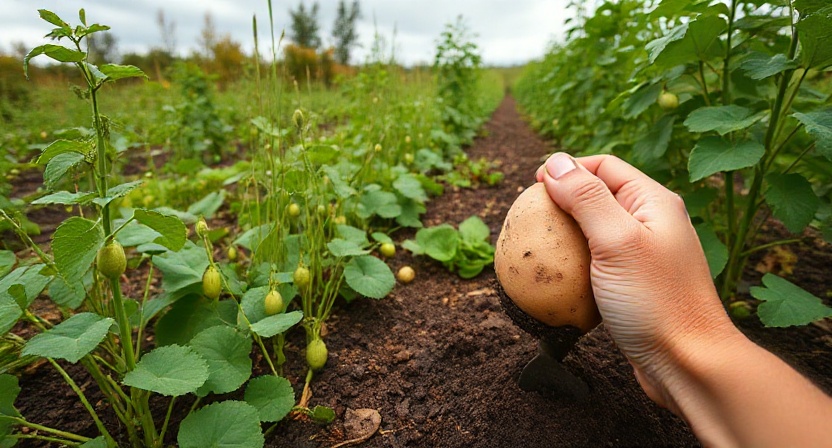
Beans enrich soil with nitrogen, helping potatoes thrive. I paired these after noticing my spuds needed a boost—yields doubled!
How to Pair:
- Plant bush beans between potato rows.
- Hill potatoes as they grow; beans fill gaps.
- Harvest beans before digging spuds.
My lesson: Avoid pole beans—they tangle. Check our potato growing guide.
Resource: Epic Gardening’s companion tips for veggie pairings.
Tips to Nail Your Companion Planting
These 9 vegetable combos that love each other can transform your vegetable garden, but here’s what I’ve learned:
- Space wisely—crowding cancels benefits.
- Rotate crops yearly to keep soil healthy.
- Monitor pests; some combos need tweaks.
Avoid my mistake: Don’t plant enemies like beans and onions together—stunted growth! Our common gardening mistakes has fixes.
Grow Smarter, Not Harder
There you go—my 9 vegetable combos that love each other, straight from my garden to yours. These pairings make your fall gardening or spring planning easier, with healthier plants and tastier harvests. Which duo are you trying first? Drop a comment—I’d love to hear! For more, explore our full gardening blog or sustainable gardening tips on USA Garden Hub. Happy planting, friends—let’s make your garden a love story!