
Learn how to care for a Venus FlyTrap. This guide covers soil, water, light, and feeding tips to keep your carnivorous plant thriving indoors or outdoors.
I’ll never forget the first time I watched a Venus Fly Trap snap shut on a tiny insect. It felt like witnessing a secret of nature up close. I’ve been growing these fascinating carnivorous plants for years, and while they have a reputation for being difficult, they’re actually quite easy to keep alive if you understand a few simple, non-negotiable rules.
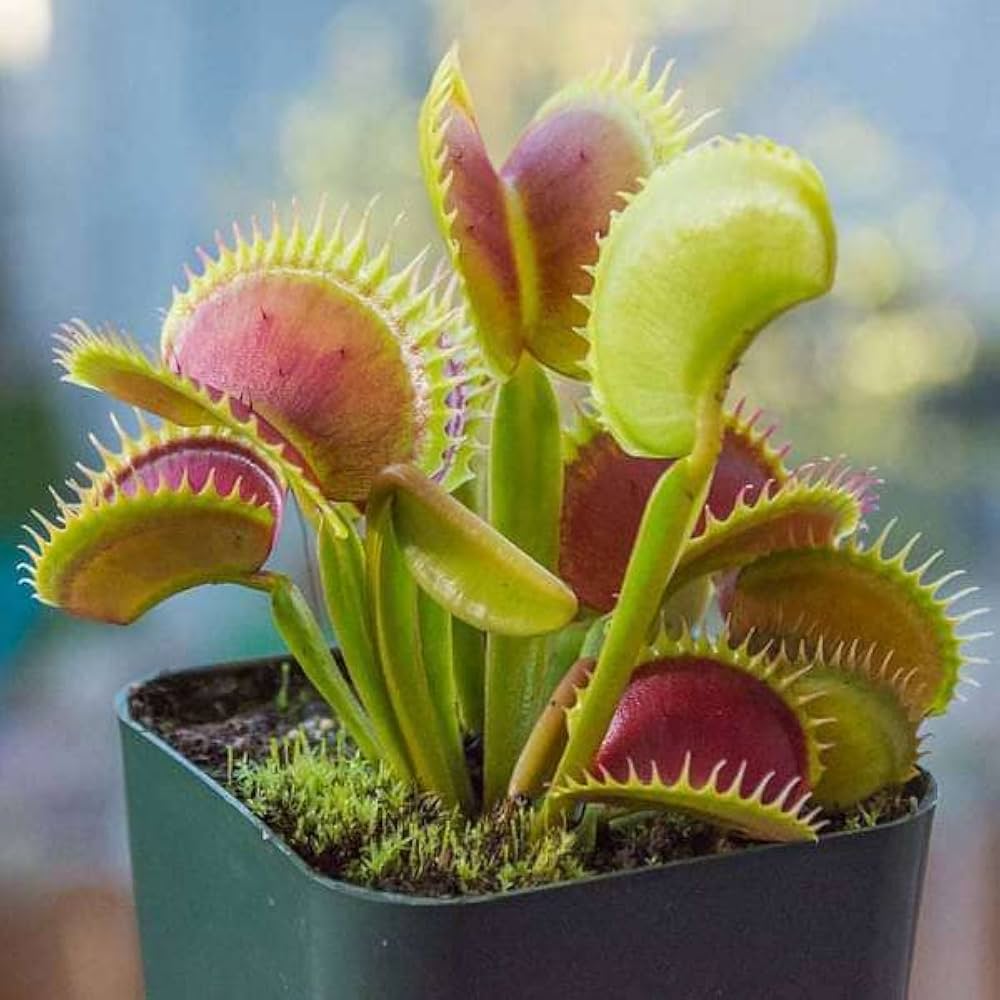
The Venus FlyTrap (Dionaea muscipula) is a perennial carnivorous plant native to the subtropical wetlands of the Carolinas in the United States. It catches and digests insects to supplement the poor nutrients in its natural soil.
Why Grow a Venus FlyTrap?
You should grow a Venus Fly Trap because it’s a fascinating, interactive plant that provides a unique learning experience. It’s a natural form of pest control for small insects like fruit flies. It’s also a captivating conversation starter that demonstrates a unique adaptation in the plant kingdom.
Venus FlyTrap at a Glance
FeatureDescriptionBotanical NameDionaea muscipulaPlant TypeCarnivorous perennialMature Size4-6 inches in diameterSun ExposureFull sun (6+ hours daily)Soil TypeNutrient-poor, acidic, sandy peat mixWaterDistilled, rainwater, or reverse osmosis onlyHardiness ZonesUSDA 7-10 (often grown as a houseplant)
Detailed Care Instructions Venus FlyTrap
Getting these basic elements right is the key to a healthy, thriving plant.
Light
Your Venus Fly Trap needs a minimum of 6 hours of direct sunlight daily. A south-facing window is ideal indoors. Without enough light, the plant will become weak, and the traps will lose their vibrant red coloration on the inside. If you cannot provide enough natural light, a strong grow light placed a few inches above the plant is an excellent substitute.
Water
This is the most critical care aspect. You must use only distilled water, rainwater, or reverse osmosis water. Tap water, spring water, or bottled drinking water contain minerals that will quickly build up and kill your plant. Water from below by keeping the pot sitting in a saucer with about half an inch of acceptable water. The soil should be consistently moist but not waterlogged. Never let it dry out completely.
Soil and Potting
Venus Fly Traps require a special, nutrient-free growing medium. A 1:1 mix of sphagnum peat moss and perlite is perfect. Do not use regular potting soil, compost, or fertilizer, as these will burn the roots and kill the plant. Plastic or glazed ceramic pots are better than terra cotta, which can leach minerals.
Feeding
If your plant is kept outdoors, it will catch its own food. Indoors, you may need to feed it. Feed only one or two traps every 2-4 weeks. Use a live or recently dead insect small enough to fit entirely inside the trap (like a fly, spider, or ant). Do not feed it human food, meat, or cheese, as this will rot the trap. A trap will only digest food 2-3 times before it turns black and dies, which is a normal part of the plant’s cycle.
Dormancy
Like many temperate plants, Venus Fly Traps require a winter dormancy period of about 3-4 months. When daylight shortens and temperatures drop, the plant will stop growing and may lose some leaves. To facilitate this, place your plant in a cool location (35-55°F / 2-13°C), like an unheated garage or windowsill, and reduce watering (keeping the soil only slightly damp). This rest is crucial for its long-term survival.
Common Problems and Solutions
Even with good care, you might encounter an issue. Here’s how to solve them.
- Black Traps: It is normal for individual traps to turn black and die after a few captures or as they age. If many traps are blackening at once, it is likely due to overfeeding, the wrong type of water, or a lack of proper dormancy.
- Yellowing Leaves: This is often a sign of using mineral-rich water or, occasionally, not enough light.
- Mold or Fungus: This can appear as a white, fuzzy growth on the soil surface, usually caused by poor air circulation and overly wet conditions. Gently remove the mold, increase air flow, and allow the soil surface to dry slightly between waterings.
- No New Growth: This is typically due to insufficient light or the plant needing its dormancy period.
A Final Tip for Success
The key to a healthy Venus Fly Trap is simple: plenty of bright light, pure water, and the correct soil. Forget the common myths about feeding it; focus on its basic environmental needs, and it will thrive for years. For more information on other unique houseplants, explore our guide to unusual indoor plants.
Have you had success with a Venus Fly Trap? What’s the most interesting thing you’ve learned from growing one? Share your story in the comments below