Where Does Rhubarb Grow Best In The Garden? Expert Guide for Thriving Plants
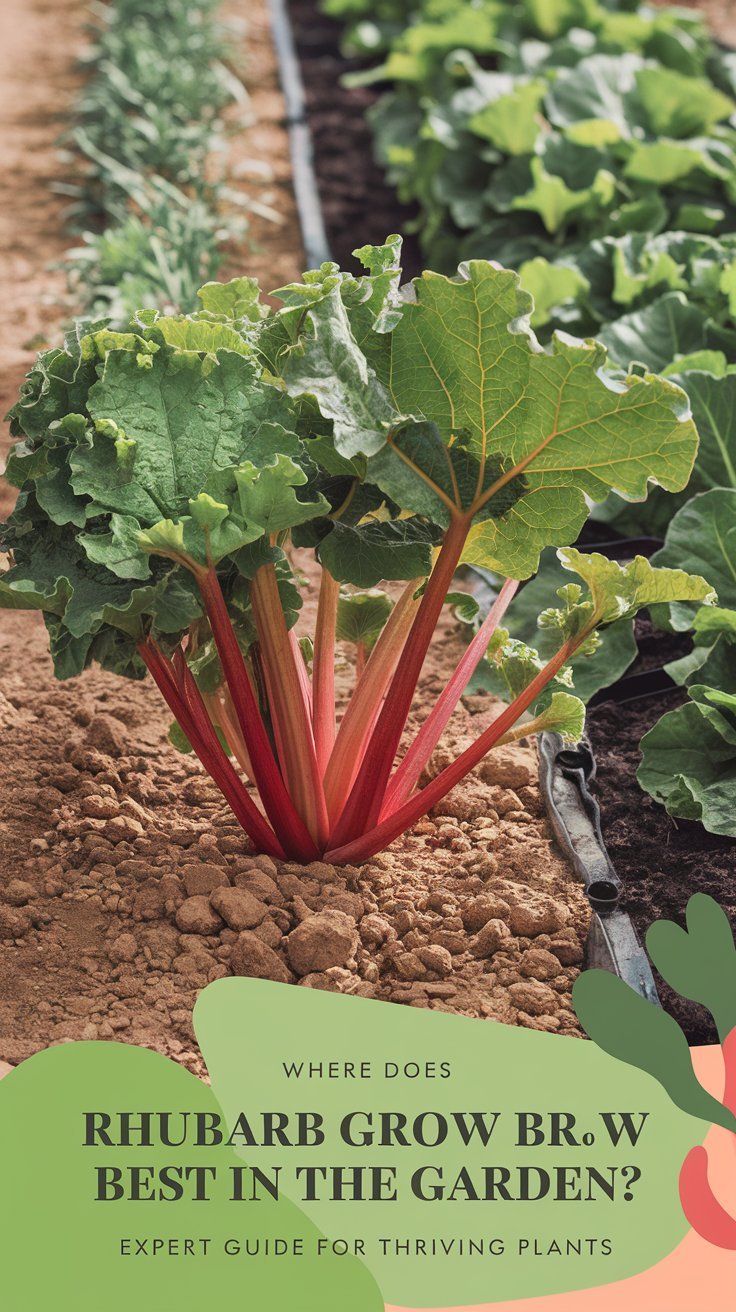
Post Views: 192 Discover the ideal garden spots for growing rhubarb. Learn about sunlight, soil, and spacing requirements to cultivate thriving, flavorful rhubarb plants in your backyard. Rhubarb thrives in cool, temperate climates and grows best in well-drained, fertile soil with full sun to partial shade. Ideal garden locations for rhubarb include areas with consistent moisture, protection from strong winds, and space for its large leaves to spread. This guide explores the optimal conditions for growing robust, flavorful rhubarb in your garden. As a horticulturist with over two decades of experience in cultivating perennial vegetables, I’m excited to share my expertise on growing rhubarb. This tart and tangy plant has been a garden favorite for centuries, and with good reason. Let’s delve into the perfect garden conditions for rhubarb success! Why Location Matters for Rhubarb Before we explore the best garden spots for rhubarb, let’s understand why location is crucial: Now, let’s break down the key factors that make up the ideal rhubarb growing location. Key Factors for Ideal Rhubarb Garden Locations 1. Sunlight Exposure Optimal Condition: Full sun to partial shade Why It’s Important: Adequate sunlight ensures robust growth and flavor development. How to Achieve It: 2024 Trend: Climate-adaptive gardening is gaining popularity, with gardeners using temporary shade structures during heat waves. Pro Tip: Monitor your garden’s sun patterns throughout the day to find the perfect spot. 2. Soil Quality Optimal Condition: Rich, well-draining soil with high organic content Why It’s Important: Nutrient-rich soil promotes healthy growth and disease resistance. How to Achieve It: 2024 Update: New soil testing kits are making it easier for home gardeners to assess and adjust their soil quality. Pro Tip: Prepare the soil deeply (up to 12 inches) as rhubarb has an extensive root system. 3. Drainage Optimal Condition: Well-draining soil that retains some moisture Why It’s Important: Proper drainage prevents root rot while ensuring consistent moisture. How to Achieve It: 2024 Innovation: Smart irrigation systems are helping gardeners maintain optimal soil moisture levels for rhubarb. Pro Tip: If your soil is heavy clay, consider planting rhubarb in raised beds for better drainage control. 4. Space and Air Circulation Optimal Condition: Open area with good air flow Why It’s Important: Proper spacing and air circulation reduce disease risk and promote healthy growth. How to Achieve It: 2024 Trend: Vertical gardening techniques are being adapted to create air flow in small gardens. Pro Tip: Consider the mature size of rhubarb when planning your garden layout. 5. Protection from Elements Optimal Condition: Sheltered from strong winds but not enclosed Why It’s Important: Wind protection prevents damage to large leaves while maintaining air circulation. How to Achieve It: 2024 Research: Studies are exploring the use of companion planting for natural wind protection in vegetable gardens. Pro Tip: Observe your garden during windy days to identify naturally sheltered areas. 6. Soil Temperature Optimal Condition: Cool soil temperatures, especially in spring Why It’s Important: Rhubarb is a cool-season crop that thrives in lower temperatures. How to Achieve It: 2024 Update: New varieties of rhubarb with improved heat tolerance are being developed for changing climates. Pro Tip: Plant rhubarb on the north side of taller plants for natural cooling effects. 7. Water Availability Optimal Condition: Consistent moisture without waterlogging Why It’s Important: Rhubarb needs regular watering, especially during dry spells and the growing season. How to Achieve It: 2024 Innovation: Rainwater harvesting systems are becoming more sophisticated, providing sustainable irrigation solutions for home gardens. Pro Tip: Use drip irrigation or soaker hoses to provide consistent moisture directly to the roots. Best Practices for Rhubarb Garden Placement To ensure the best results when choosing a location for your rhubarb: Creating the Perfect Rhubarb Haven Selecting the ideal location for your rhubarb plants is a crucial step in ensuring a bountiful and long-lasting harvest. By considering factors like sunlight, soil quality, drainage, and protection from the elements, you can create the perfect environment for these hardy perennials to thrive. Remember, while rhubarb is generally adaptable, providing it with optimal growing conditions will reward you with vigorous plants and flavorful stalks year after year. Whether you’re planning a dedicated rhubarb patch or incorporating these plants into your existing garden, thoughtful placement is key to success. For more information on growing rhubarb and other perennial vegetables, visit resources like the National Gardening Association or your local cooperative extension office. Happy gardening, and may your rhubarb patch be the envy of the neighborhood! For more gardening tips and plant care guides, visit usagardenhub.com.
