
Explore 10 white flowers that glow at night with tips from expert gardener Ashley Scott. Learn why white flowers bloom at night, care guides, and how to create a stunning moon garden for your USA home.
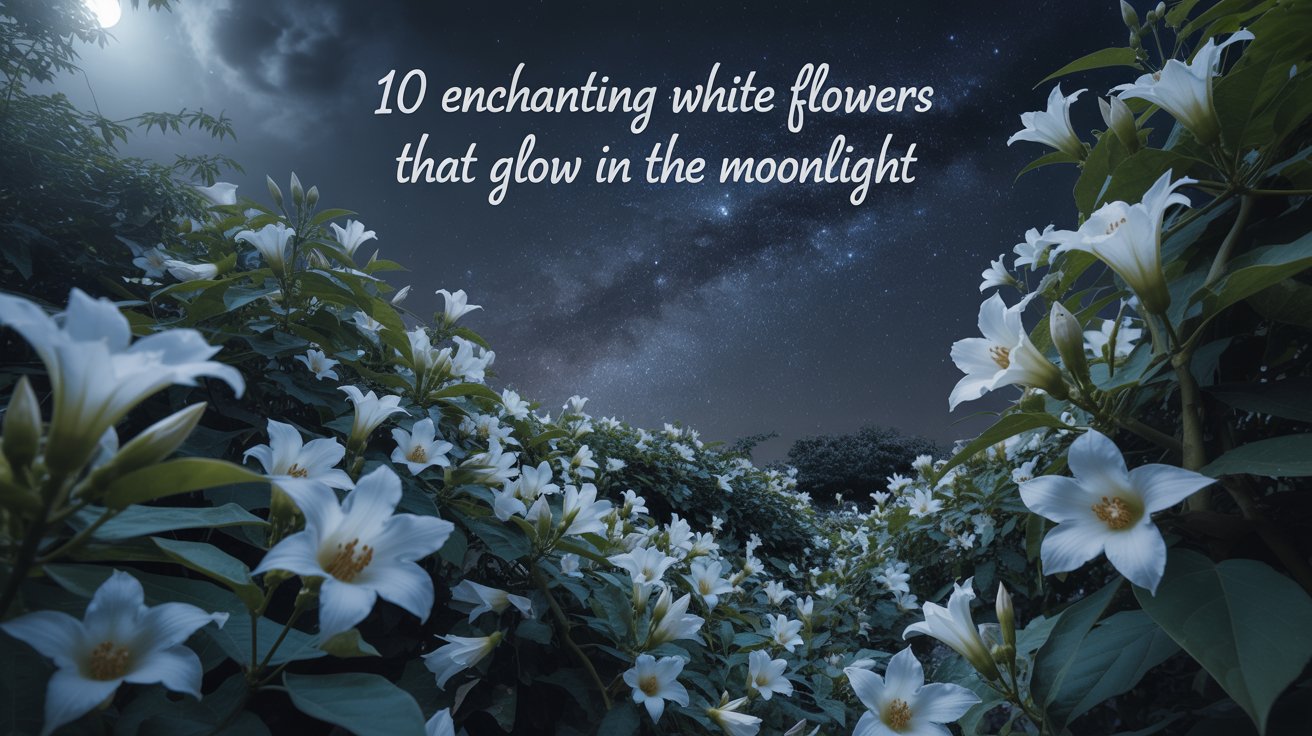
Hey there, fellow garden lovers! I’m Ashley Scott, and with over 10 years of digging in the dirt across the USA, I’ve fallen head over heels for the quiet magic of night gardens. There’s something truly special about stepping outside after sunset and seeing your yard come alive with soft, glowing blooms. If you’ve ever wondered about white flowers that glow at night, you’re in the right place. These beauties aren’t just pretty—they reflect moonlight like little lanterns, drawing in moths and bats while filling the air with sweet scents.
In this guide, I’ll share my top picks for 10 white flowers that glow at night naturally, based on my own backyard experiments and what I’ve learned from tending gardens in places like Texas and California. We’ll dive into why white flowers bloom at night, how to grow them, and tips for creating your own moonlit oasis. Whether you’re a night owl or just want to add some evening charm to your space, these flowers that glow at night will transform your garden. Let’s get started!
Why Do White Flowers Bloom at Night?
Have you ever asked yourself, “why does white flower bloom at night?” It’s not random—it’s all about survival and pollination. In my experience, these plants have adapted to attract nighttime visitors like moths and bats, who are drawn to bright white petals that stand out in the dark. White reflects more light than colors like red or blue, making the flowers easier to spot under the moon or stars.
From what I’ve seen in my gardens, why night flowers are white boils down to efficiency. Darker colors absorb heat during the day, but white stays cooler and saves energy for those evening blooms. Plus, many release stronger scents at dusk to lure pollinators. I once planted a row of these in my backyard, and it was like a free light show—moths fluttering around like tiny fairies. If you’re curious about the science, check out this insightful article from the University of Maryland Extension on nocturnal pollination.
The Benefits of Growing Night-Blooming White Flowers
Beyond their glow, these plants that glow at night bring real perks to your USA garden. They extend your outdoor time into the evenings, perfect for busy folks who work all day. In hot states like Florida or Arizona, they avoid midday heat stress, blooming when it’s cooler.
Personally, I’ve used them to create peaceful retreats. One summer, I added a few to my patio, and it became my go-to spot for unwinding with a cup of tea. They also support wildlife—think fewer pests as bats snack on bugs. For more on eco-friendly gardening, I love linking to resources like the Missouri Botanical Garden’s guide on moon gardens, which echoes my own tips.
Top 10 White Flowers That Glow at Night
Here are my favorites, each with details on how they shine, care tips, and a personal story. I’ve bolded key phrases like which flowers bloom at night to make it easy to scan—great for voice search on your phone!
1. Moonflower (Ipomoea alba)
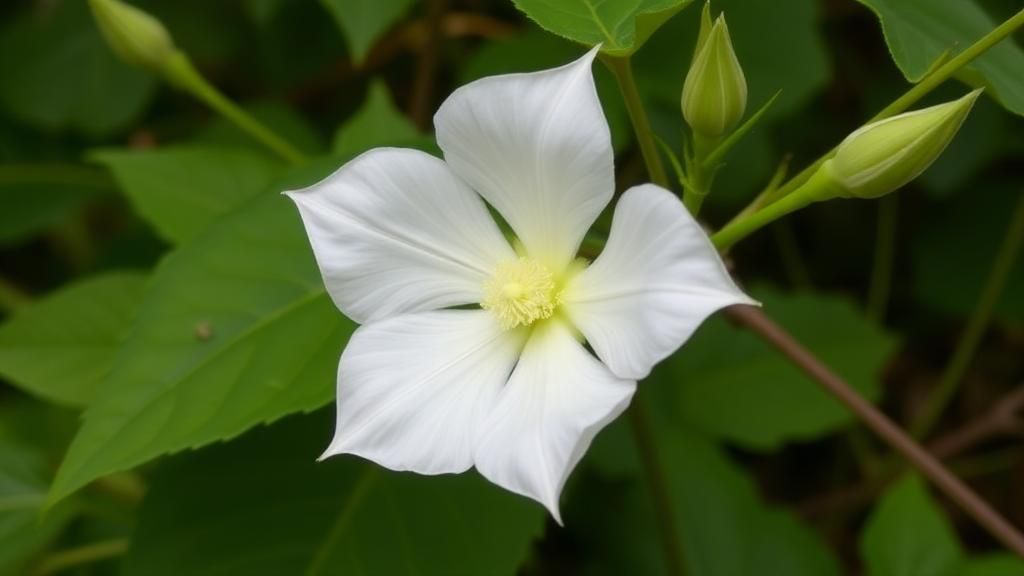
The ultimate flower that glows at night, moonflowers unfurl their large, trumpet-shaped white blooms as the sun sets, closing by morning. They climb vines up to 15 feet, reflecting moonlight like paper lanterns and releasing a subtle lemon scent.
In my garden, I trained them on a trellis near my kitchen window. One night, I watched them open—it was mesmerizing! Plant in full sun with well-drained soil; they’re annuals in most USA zones but reseed easily. Water regularly but avoid sogginess. For growing vines like this, check my site’s vine gardening tips.
2. Night-Blooming Jasmine (Cestrum nocturnum)
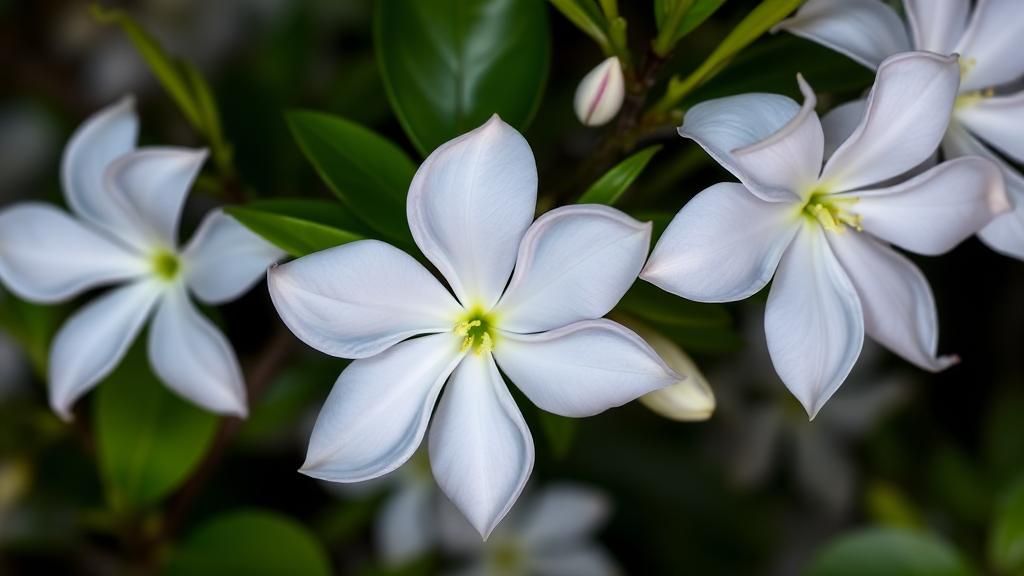
This shrub’s tiny white flowers might be small, but their fragrance explodes at dusk, making your yard smell like a tropical paradise. It’s one of those flowers that glow at night naturally due to its pale petals catching the light.
I planted one near my front porch about five years ago, and neighbors still ask about the “mystery scent.” Grow in USDA zones 8-11; it loves partial shade and moist soil. Prune after blooming to keep it bushy. For fragrance ideas, see the Royal Horticultural Society’s page on scented plants.
3. Tuberose (Polianthes tuberosa)
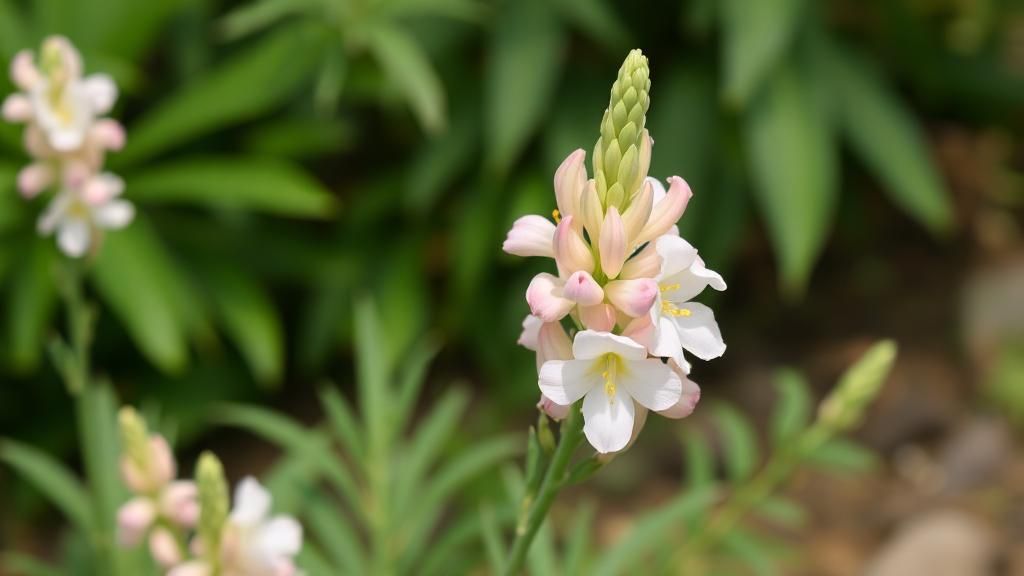
With spikes of waxy white blooms that open in the evening, tuberoses are stars in perfumes—and in night gardens. Their scent intensifies after dark, creating a romantic glow.
Last year, I grew them in pots on my deck, and they bloomed through summer, drawing compliments at barbecues. Plant bulbs in spring in full sun; they need fertile, drained soil and regular watering. Hardy in zones 7-10. Learn more from Cornell University’s bulb guide.
4. Gardenia (Gardenia jasminoides)
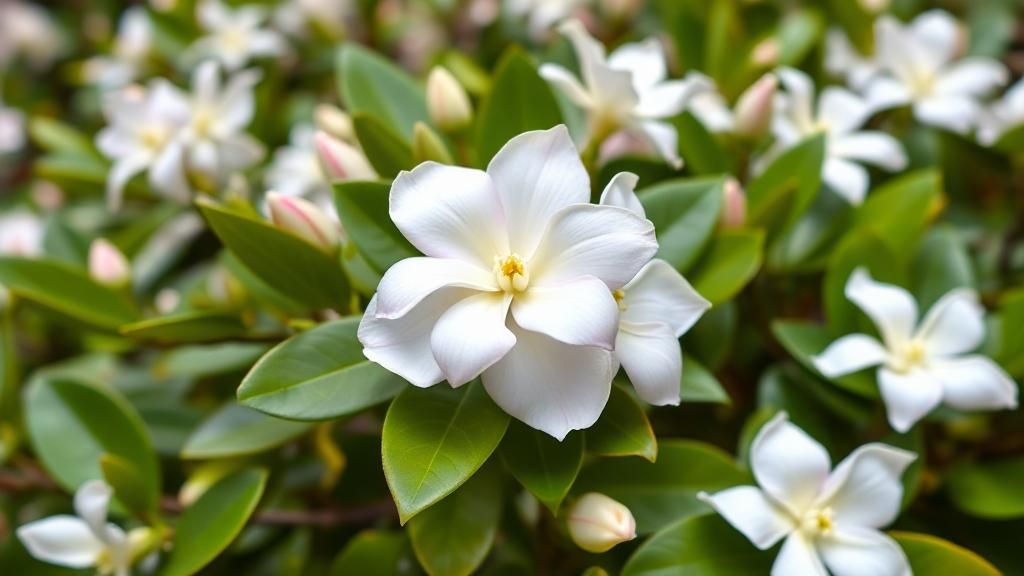
These creamy white flowers release their sweet perfume as night falls, glowing softly against glossy leaves. They’re a classic for Southern gardens.
I remember struggling with my first gardenia—it hated dry soil—but now it’s thriving in a shaded spot. Plant in acidic, moist soil with afternoon shade; zones 8-11. Fertilize with acid-loving plant food. For care details, visit Purdue University’s gardenia factsheet.
5. Queen of the Night (Epiphyllum oxypetalum)
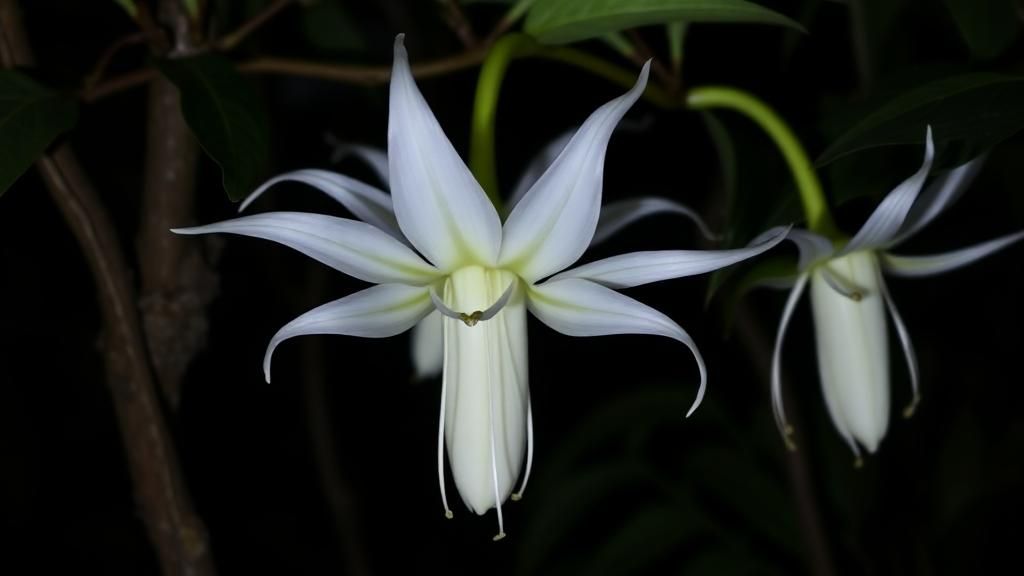
A cactus with huge white flowers that bloom for just one night, this rarity glows dramatically under moonlight, often 8-12 inches wide.
In my indoor-outdoor setup, I waited patiently for its bloom—worth it for the vanilla scent! Grow as a houseplant or in zones 10-11; it needs bright indirect light and infrequent watering. For cactus tips, I recommend my cactus care article.
6. Night Phlox (Zaluzianskya capensis)
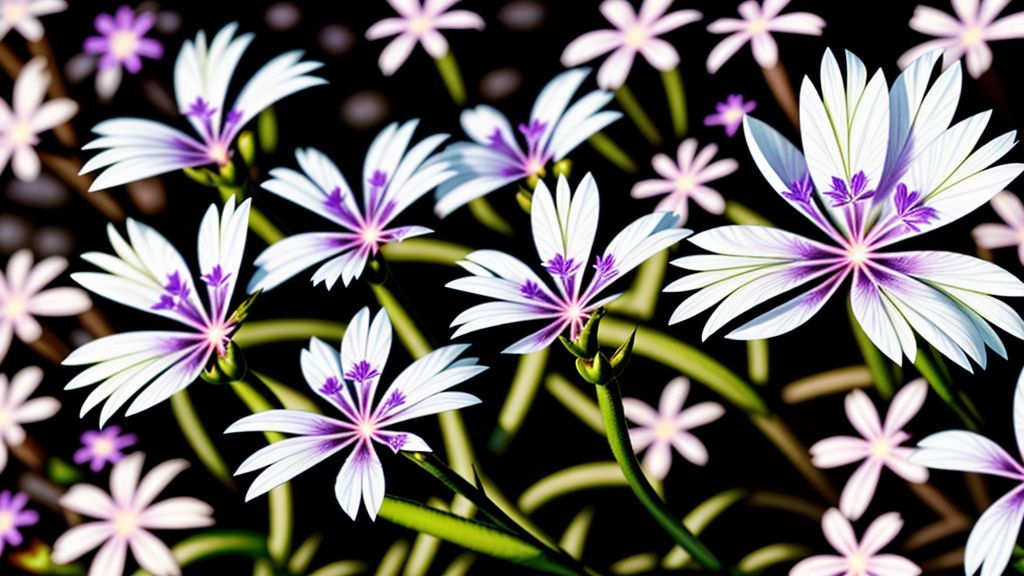
Star-shaped white flowers open at dusk with a honey-almond fragrance, perfect for borders.
I added these to a rock garden last spring, and they lit up evenings like tiny stars. Annual in most zones; sow seeds in full sun with light soil. Water moderately. Explore more on annuals at the University of Florida’s gardening site.
7. Casa Blanca Lily (Lilium ‘Casa Blanca’)
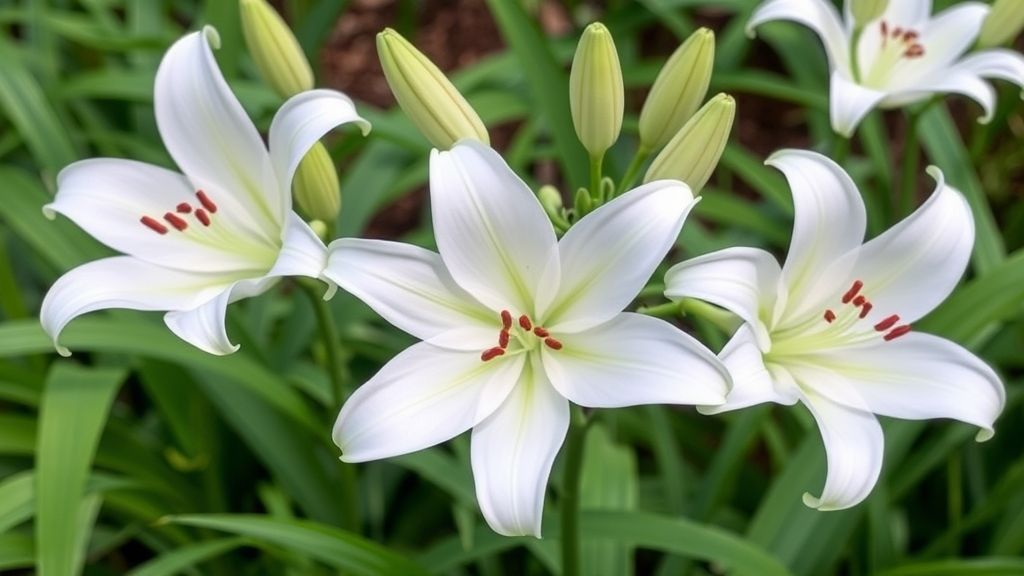
Oriental lilies with pure white petals that bloom in the evening, reflecting light beautifully.
Planted in a cluster, mine created a glowing focal point one moonlit night—pure magic! Bulbs go in fall; full sun, rich soil, zones 4-9. Stake tall stems. For lily info, see Michigan State University’s extension.
8. Night-Blooming Cereus (Selenicereus grandiflorus)
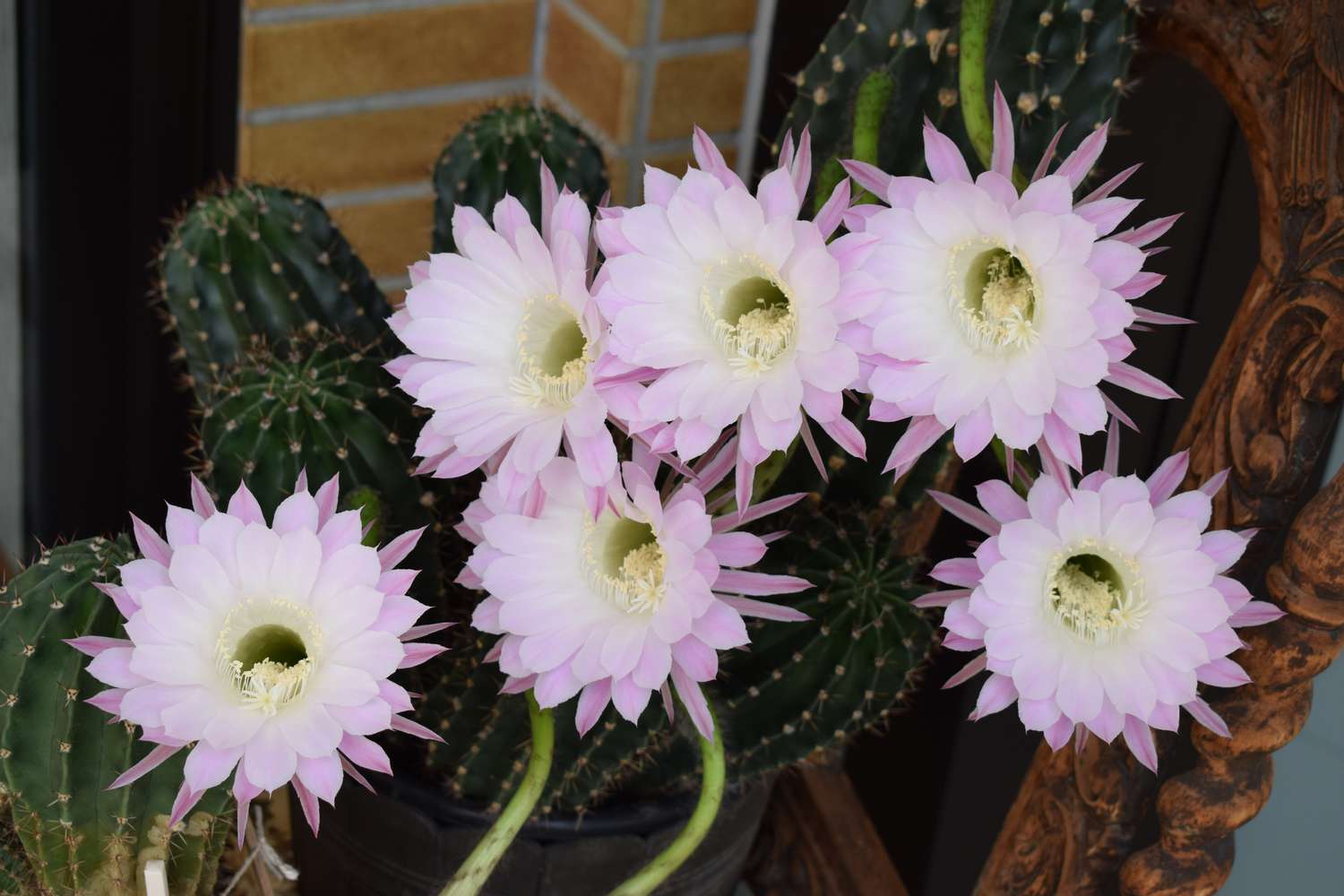
Another cactus wonder with fragrant white blooms that open at midnight and fade by dawn.
I potted one indoors, and its rare bloom was a family event! Zones 9-11; minimal water, bright light. Link to my indoor plant guide for similar ideas.
9. White Angel’s Trumpet (Brugmansia suaveolens)
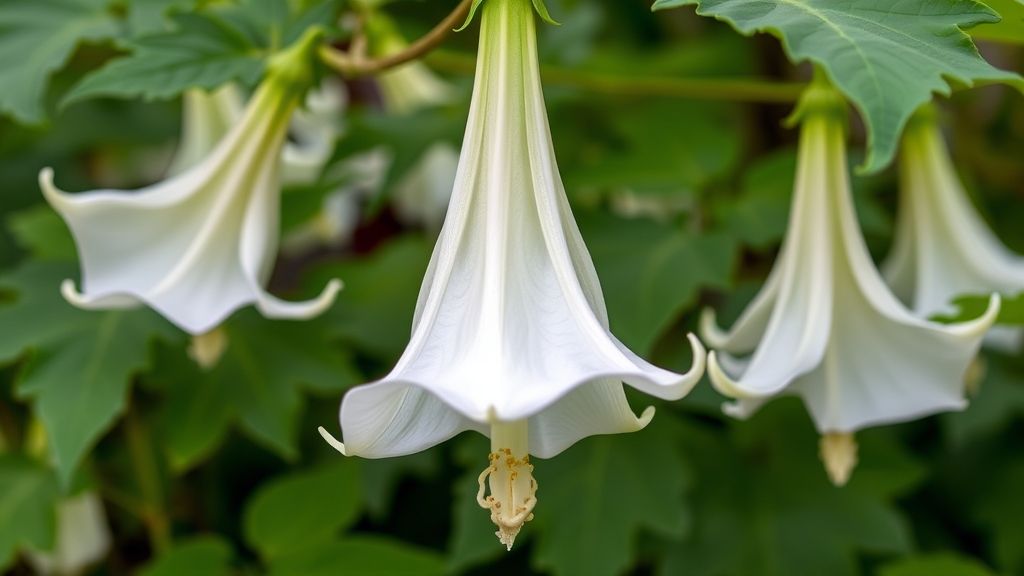
Hanging white trumpets bloom at night with a strong scent—stunning but toxic, so place carefully.
In a container on my patio, it glowed like pendants. Zones 8-11; full sun, moist soil. Prune heavily.
10. Mock Orange (Philadelphus coronarius)
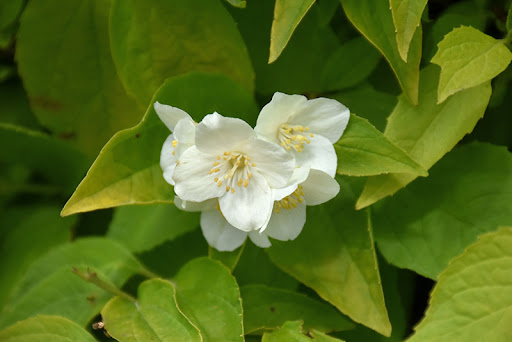
White blooms with an orange-like fragrance that peaks at night, on a hardy shrub.
Mine borders my yard, creating a glowing hedge. Zones 4-8; full sun, average soil. Low-maintenance.
How to Create Your Own Moon Garden with These Flowers
Want to build a space full of which flower blooms at night time? Start with a spot that gets moonlight—near a patio or window. Mix heights: vines like moonflowers for trellises, shrubs like jasmine for borders, and bulbs like tuberoses for accents.
Soil prep is key—most prefer well-drained, fertile ground. Water in evenings to mimic nature. Add silver foliage plants for extra glow. In my 10 years, I’ve found grouping whites creates that ethereal vibe. For design inspo, the Chicago Botanic Garden’s moon garden tips are spot-on.
Wrapping Up: Bring the Glow Home
There you have it—10 white flowers that glow at night to light up your USA garden. From the fragrant night-blooming jasmine to the dramatic queen of the night, these picks answer questions like “flowers that glow at night” and add real magic. As someone who’s spent a decade nurturing gardens, I can tell you: nothing beats that evening glow.
Ready to plant? Start small, and soon you’ll have a moonlit haven. Share your stories in the comments—I’d love to hear! For more, explore my site at USA Garden Hub.