Why Is My Succulent’s Leaves Falling Off? Expert Solutions
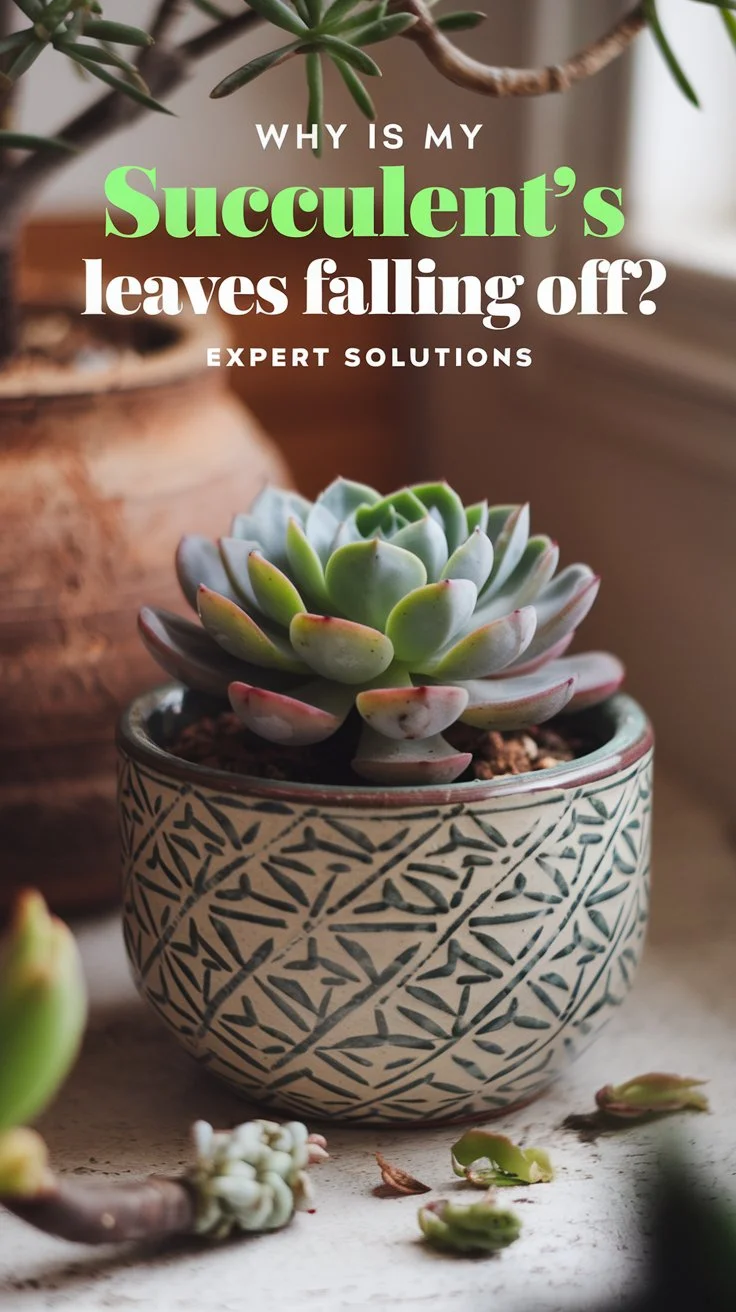
Post Views: 167 Discover why your succulent’s leaves are falling off with our comprehensive 2024 guide. Learn about overwatering, underwatering, pests, and other causes. Get expert tips to save your plant! Succulent leaves falling off can be alarming for plant owners, but it’s often a sign that your plant needs attention rather than a death sentence. This comprehensive guide explores the common causes of leaf loss in succulents and provides expert solutions to nurse your plants back to health. Whether you’re a seasoned succulent enthusiast or a beginner, understanding why succulent leaves fall off is crucial for maintaining healthy, thriving plants. As a botanist specializing in xerophytic plants with over two decades of experience, I’ve encountered nearly every succulent issue imaginable. Let’s dive into the world of succulent care and uncover the mysteries behind falling leaves! Common Reasons for Succulent Leaf Loss Succulent leaves can fall off for various reasons, ranging from natural processes to stress responses. Here are the most common causes: 1. Overwatering Why It Happens: Excessive water causes root rot, leading to leaf drop as the plant can’t absorb nutrients. How to Identify: 2024 Update: New soil moisture sensors designed specifically for succulents are helping gardeners prevent overwatering. Solution: Pro Tip: Wait until the soil is completely dry before watering again. 2. Underwatering Why It Happens: Insufficient water causes the plant to conserve resources by shedding leaves. How to Identify: 2024 Trend: Self-watering pots with customizable settings for succulents are gaining popularity. Solution: Pro Tip: When you do water, make sure to thoroughly soak the soil. 3. Insufficient Light Why It Happens: Lack of light causes the plant to etiolate and shed lower leaves. How to Identify: 2024 Innovation: New LED grow lights mimicking natural sunlight patterns are improving indoor succulent care. Solution: Pro Tip: Most succulents prefer 6 hours of bright, indirect sunlight daily. 4. Pest Infestation Why It Happens: Pests like mealybugs or spider mites can cause leaf drop by damaging the plant. How to Identify: 2024 Research: Studies are exploring natural predators as a sustainable pest control method for indoor plants. Solution: Pro Tip: Regularly inspect your succulents for early signs of pest infestation. 5. Temperature Stress Why It Happens: Extreme temperatures, especially cold, can cause leaf drop as a stress response. How to Identify: 2024 Trend: Climate-controlled mini-greenhouses for indoor use are becoming more accessible for succulent enthusiasts. Solution: Pro Tip: Most succulents prefer temperatures between 60-80°F (15-27°C). 6. Natural Aging Process Why It Happens: As succulents grow, they naturally shed older, lower leaves. How to Identify: 2024 Update: New research is helping gardeners understand the optimal growth patterns for various succulent species. Solution: Pro Tip: Use fallen leaves for propagation to create new plants! Best Practices for Preventing Succulent Leaf Loss To maintain healthy succulents and minimize leaf loss: Nurturing Healthy Succulents Understanding why your succulent’s leaves are falling off is the first step in providing better care for these unique plants. By addressing the root cause, whether it’s overwatering, light issues, or natural aging, you can help your succulents thrive and display their full beauty. Remember, every succulent species has slightly different care requirements. Take the time to research your specific varieties and don’t be discouraged if you experience some leaf loss – it’s all part of the learning process in succulent care. For more information on succulent care and troubleshooting, visit resources like the Cactus and Succulent Society of America or consult with your local botanical garden. Happy growing, and may your succulents flourish with vibrant, plump leaves! For more gardening tips and plant care guides, visit usagardenhub.com.
