Windsock Flower : Nature’s Aerial Dancer in Your Garden
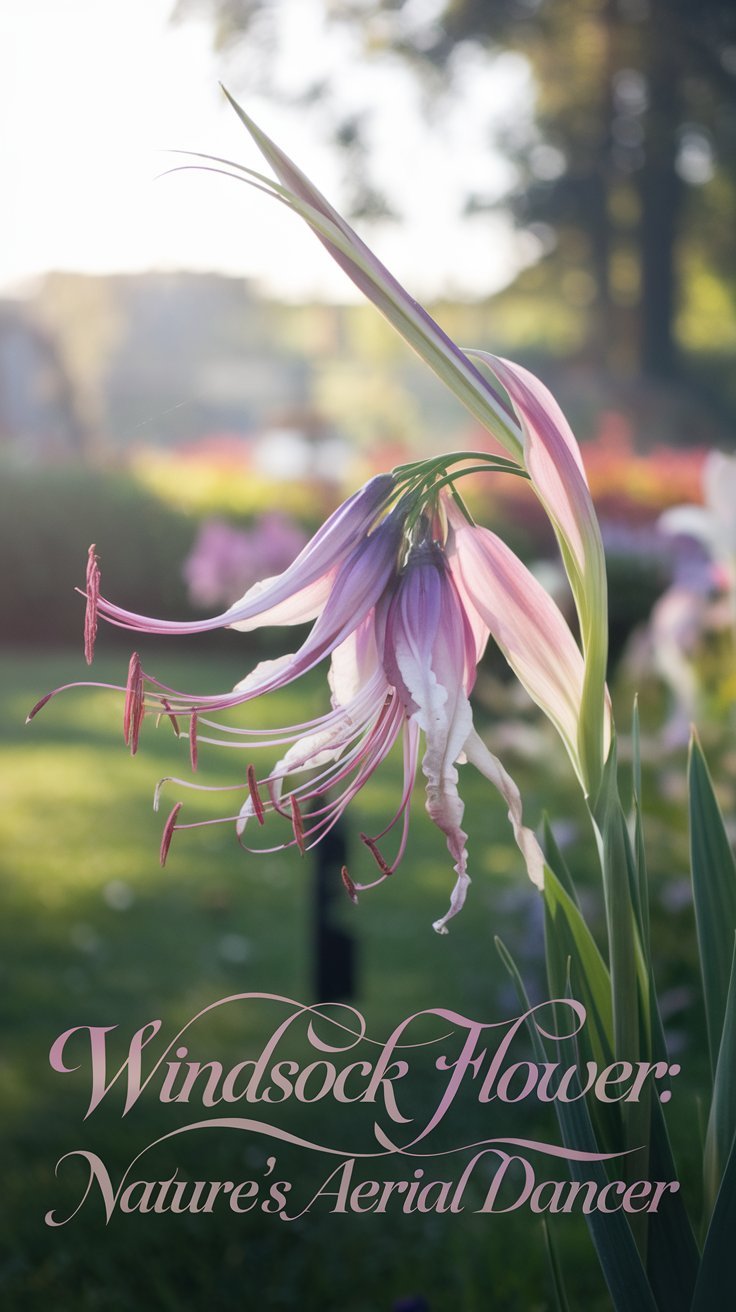
Post Views: 236 Discover the beauty of Windsock Flower with our complete guide! Learn how to grow, care for, and enjoy this unique, eye-catching bloom in your garden. The windsock flower, scientifically known as Anemone cylindrica, is a captivating perennial that adds movement and whimsy to any garden. Named for its distinctive seed heads that resemble windsocks, this North American native plant offers both visual interest and ecological benefits. In this comprehensive guide, we’ll explore the unique characteristics, cultivation requirements, and landscape uses of the windsock flower, helping you bring this aerial dancer into your own garden space.As a botanist specializing in native North American plants, I’ve had the pleasure of studying and growing windsock flowers for over two decades. Let’s dive into the fascinating world of this prairie beauty. What is a Windsock Flower? The windsock flower, also known as thimbleweed or candle anemone, is a member of the buttercup family (Ranunculaceae). Its common name comes from the distinctive cylindrical seed heads that develop after flowering, which resemble small windsocks swaying in the breeze. Key Characteristics: The Lifecycle of a Windsock Flower 1. Spring Growth As spring arrives, windsock flowers emerge from their winter dormancy, sending up basal leaves and flower stalks. 2024 Update: New research suggests that early spring soil temperatures play a crucial role in the emergence timing of windsock flowers. 2. Flowering Stage In late spring to early summer, the plants produce 1-2 inch wide, greenish-white flowers with prominent yellow centers. Growing Tip: To encourage more blooms, ensure plants receive at least 6 hours of direct sunlight daily. 3. Seed Head Development After flowering, the most distinctive feature develops – the cylindrical seed heads that give the plant its common name. 2024 Trend: Garden designers are increasingly using windsock flowers in motion gardens, capitalizing on the visual interest of the seed heads. 4. Seed Dispersal As summer progresses into fall, the seed heads mature and begin to disperse their seeds via wind. Ecological Note: The fluffy seeds provide food for various bird species, making windsock flowers valuable for wildlife gardens. Cultivating Windsock Flowers Soil Requirements Windsock flowers prefer well-draining, slightly alkaline soil. They’re adaptable to various soil types, including sandy or rocky soils. 2024 Insight: Recent studies show that mycorrhizal fungi associations can significantly improve windsock flower growth in poor soils. Sunlight Needs These plants thrive in full sun to partial shade conditions. In hotter climates, some afternoon shade can be beneficial. Water Requirements Windsock flowers are drought-tolerant once established, making them excellent choices for water-wise gardens. Planting Tip: Water regularly during the first growing season to establish a deep, extensive root system. Fertilization These prairie natives are adapted to lean soils and generally don’t require fertilization. Over-fertilizing can lead to weak, floppy growth. 2024 Trend: Organic, slow-release fertilizers specifically formulated for native plants are gaining popularity among gardeners. Landscape Uses for Windsock Flowers 2024 Innovation: New garden design apps are incorporating wind movement simulations, helping gardeners optimize placement of plants like windsock flowers for maximum visual effect. Companion Plants for Windsock Flowers Consider pairing windsock flowers with these complementary plants: Planting Tip: Combine windsock flowers with plants of varying heights and textures to create a dynamic, prairie-inspired garden design. Potential Challenges While generally low-maintenance, windsock flowers can face a few challenges: 2024 Research: New studies are exploring natural deer deterrents that are particularly effective for protecting prairie plants like windsock flowers. Propagation Methods Growing Tip: If starting from seed, cold stratification for 60 days can improve germination rates. Conservation Status While not endangered, windsock flowers and other prairie plants face habitat loss due to agricultural expansion and urban development. 2024 Initiative: Look for new community programs focused on integrating native prairie plants like windsock flowers into urban and suburban landscapes. Bringing Prairie Magic to Your Garden The windsock flower offers a unique combination of visual interest, low maintenance, and ecological benefits. By incorporating these charming native plants into your garden, you’re not only adding beauty and movement but also supporting local ecosystems and wildlife. Remember, successful gardening with native plants like the windsock flower involves understanding and mimicking their natural habitat conditions. Don’t be afraid to experiment with different companion plants and garden designs to find what works best in your unique space. For more information on native plant gardening and prairie restoration, visit resources like the Lady Bird Johnson Wildflower Center or your local native plant society. Happy gardening, and may your windsock flowers dance merrily in the breeze! For more gardening tips and plant care guides, visit usagardenhub.com.
