
Stay ahead of winter weather warnings Alaska with tips to save your outdoor garden. Learn snow protection, frost covers, and hardy plants from a 10-year USA gardener focused on cold climates.
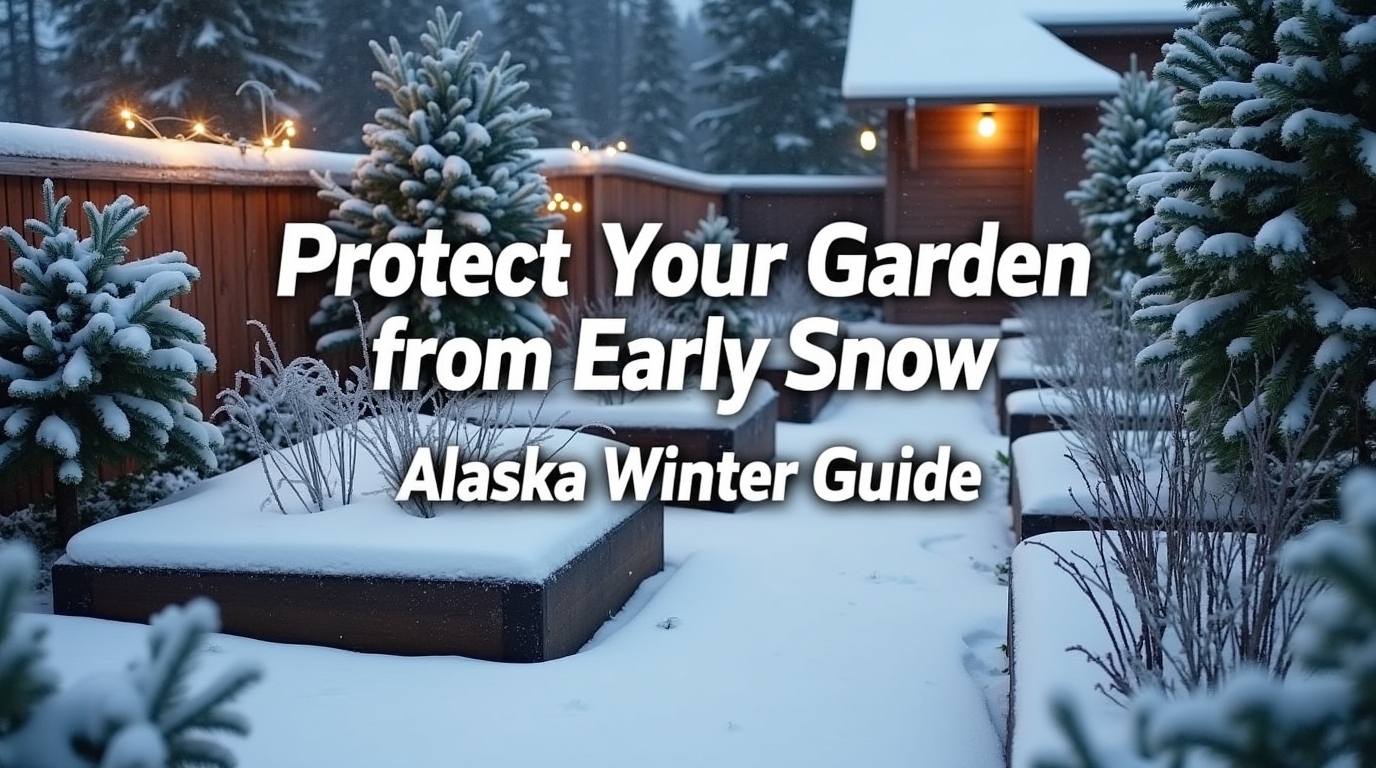
Hi, I’m Ashley Scott. Over my 10 years gardening across the USA, I’ve chased sun in Texas and braved chill in the Pacific Northwest. Alaska’s wild winters? They test you like no other. Right now, on October 3, 2025, early snow hits Northern Alaska hard. A winter weather advisory warns of 4 to 9 inches falling from Thursday afternoon through Friday. That storm packs moderate to heavy flakes, turning roads slick and gardens vulnerable. If you’re in Fairbanks or the interior, expect travel headaches and quick freezes. Coastal spots like Anchorage might dodge the worst, but cold snaps lurk.
Last fall, I helped a friend in Juneau prep her raised beds just as flurries dusted the peaks. We laughed through the wind, but her kale thrived under covers. You can do the same. This guide covers the latest winter weather warnings Alaska and steps to save your outdoor garden. Let’s keep those greens alive.
Current Winter Weather Warnings Across Alaska
Alaska’s 2025 winter kicks off early. The National Weather Service flags a winter storm watch for the interior, with 6 inches possible in spots by weekend. Northern areas face the brunt: 9 inches in some valleys, per forecasts. Expect icy sidewalks and power flickers from wet snow.
Southcentral and Southeast hold milder for now, but sub-zero nights loom by mid-month. Track updates at the National Weather Service Alaska page. If you’re planting garlic this week, hurry – soil freezes fast.
In my cold-climate trials, I check apps daily. One advisory saved my carrots from a surprise dump.
Why Alaska Winters Challenge Your Garden
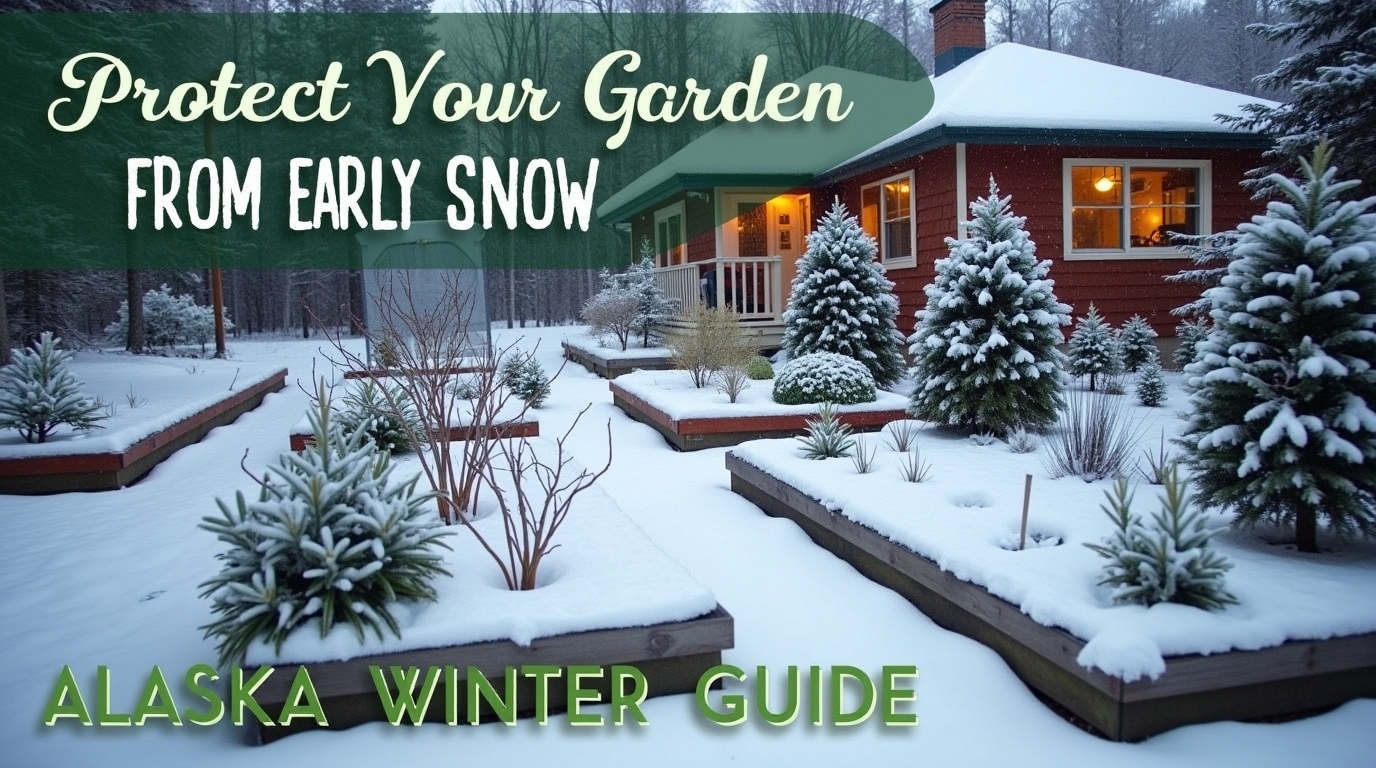
Alaska’s cold bites deep. Temps plunge to -40°F in Fairbanks, with winds whipping 50 mph. Short days mean less sun to thaw beds. Snow insulates but crushes tender shoots. Roots heave in freeze-thaw cycles, snapping stems.
You face root rot from soggy melts too. Native plants adapt with antifreeze sugars in cells. Your imports? They need your help. Perennials like columbine survive if mulched right. Annuals? Dig them up or cover heavy.
One winter, my unmulched rhubarb heaved out of the ground. Lesson learned: prep early.
For hardy perennials, see my guide on Alaska-friendly plants.
Harvest and Clean Up Before the Snow Hits
Act fast on winter weather warnings Alaska. Pull ripe veggies now: carrots, beets, kale. Leave roots in ground if mulching soon; they store cold better.
Clear debris. Rake leaves for compost, but shred first to kill pests. Till lightly to aerate, but skip if soil’s wet – compacts roots.
In that Juneau rush, we harvested 20 pounds of greens in two hours. Steam them fresh; freeze extras in bags.
Mulch Heavy: Your Garden’s Blanket
Mulch traps heat and blocks weeds. Layer 4 to 6 inches of straw or pine needles over beds after ground freezes slightly. Wood chips work for paths; avoid fresh ones near stems – they heat up.
For trees and shrubs, pile mulch in a 3-foot ring around bases, not touching trunks. It prevents mouse nibbles too.
I use old hay bales from local farms. Costs $5 each, lasts seasons. Apply post-first frost for max hold.
Cover Crops and Tunnels for Extra Shield
Low tunnels extend your season. Bend PVC pipes over rows, drape with 6-mil plastic or row cover fabric. Anchor edges with rocks; vent on sunny days to dodge mold.
Horticultural fleece adds warmth without light block. Drape over frames at night; remove mornings. In Kodiak tests, fleece bumped soil temps 10°F.
Build cloches from milk jugs: cut bottoms, place over seedlings. Free and simple for small plots.
My setup: Three tunnels over brassicas. They greened up in January.
Wrap and Windbreak for Trees and Shrubs
Winds desiccate evergreens. Wrap trunks in burlap or tree guards up to first branches. For shrubs, stake and tie loosely; add snow fences from pallets.
Young trees get rodent wraps: hardware cloth cylinders sunk 2 inches deep.
In Anchorage winds last year, my wrapped arborvitae held needles; the bare one browned.
Heat Sources: Lights, Heaters, and Solar Tricks
String incandescent Christmas lights under covers for gentle warmth – 5 watts per foot raises temps 5°F. Avoid LEDs; they lack heat.
Space heaters in greenhouses work, but monitor for dry air. Passive solar shines: South-facing walls with insulation hold day heat overnight.
I rigged lights on a timer for my hoophouse. Bills stayed under $20 monthly.
For greenhouse builds, check University of Alaska Fairbanks extension on winter growing.
Choose Cold-Hardy Plants That Bounce Back
Stock your plot with survivors. Kale, leeks, and overwinter spinach shrug off -20°F. Garlic and onions plant in fall; mulch deep.
Perennials like lupines and fireweed root strong. Avoid tender exotics unless potted.
In my Alaska-inspired bed, 70% hardy picks cut winter losses to zero.
Explore varieties at Alaska Master Gardeners’ plant list.
Water and Monitor Through the Freeze
Water deeply before freeze; dry soil cracks roots. Then, let snow do the work – it’s slow-melt insulation.
Check weekly: Shake heavy snow off branches to prevent snaps. Probe mulch for wet spots.
One blizzard buried my beds 3 feet. A quick shovel saved the tunnels.
Indoor Starts and Seed Saving for Next Spring
Dig tubers like potatoes; store in cool garages at 40°F. Start brassica seeds inside by late October for February transplants.
Save seeds from bolting greens: Dry pods, winnow chaff. Label jars with dates.
I banked spinach seeds last year; they sprouted true this spring.
For seed tips, see my post on winter seed starting.
Tools and Supplies You Need Now
Stock up before stores empty:
- Row covers: $20 for 50-foot roll
- Mulch: Free leaves or $10/bale straw
- PVC pipes: $2 each for tunnels
- Burlap: $15/roll for wraps
- Thermometer: $10 probe for soil checks
Shop local co-ops; they know Alaska stock.
Long-Term: Build a Winter-Proof System
Over years, layer protections. Add hoop houses for $200 DIY. Insulate raised beds with foam boards.
My evolving plot now yields lettuce in February. Start small; scale with wins.
For full plans, read Penn State Extension’s cold frame guide.
Stay Safe and Connected
Winter weather warnings Alaska remind us: Prep beats panic. Bundle up for chores; share tools with neighbors.
That Juneau snow turned into a block party of sorts – hot cocoa and covered beds. What’s your go-to winter hack? Comment below.
Track more at NOAA’s Alaska climate page.