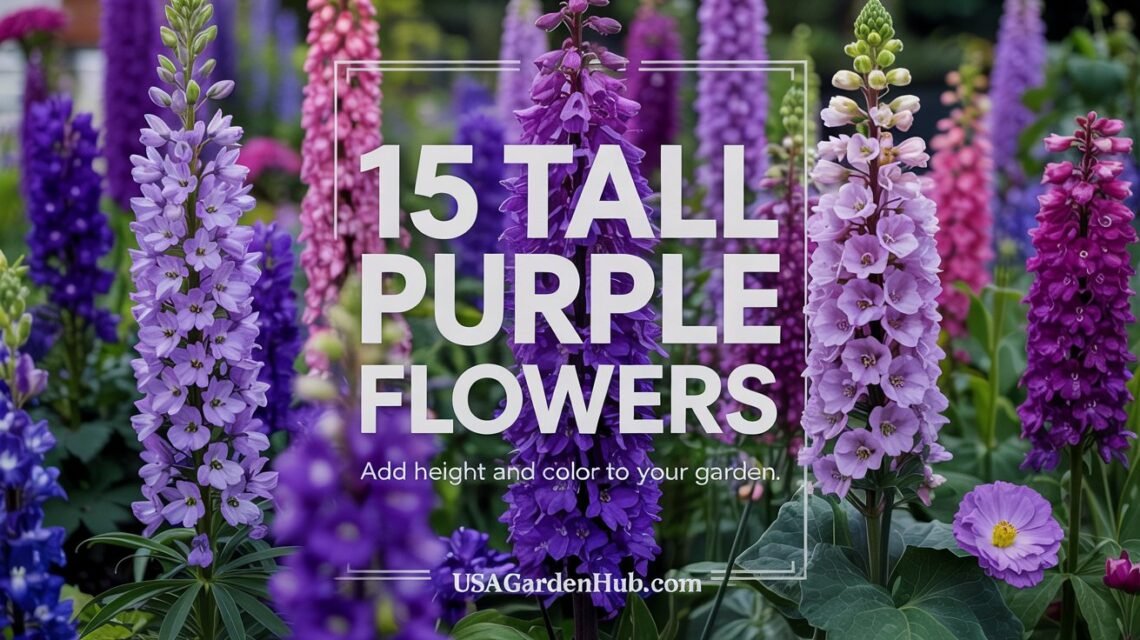
Discover 15 tall purple flowers that add height and color to your garden. Learn names, growing tips, and see pictures of stunning purple blooms.
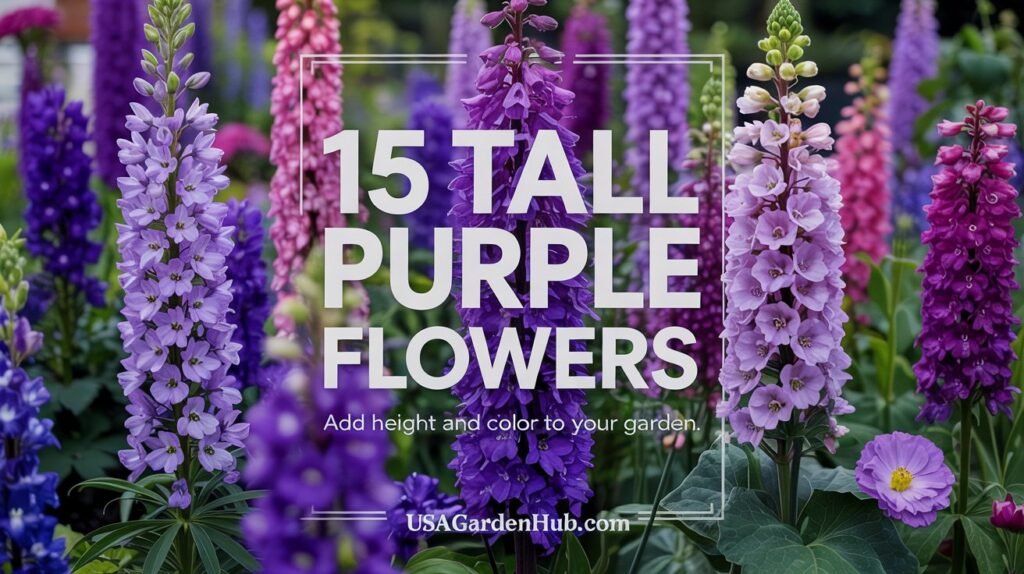
Tall purple flowers give your garden vertical color. They draw attention, attract pollinators, and fit well as borders or background plants.
Most varieties thrive in full sun and bloom through summer and fall.
You can plant them in flower beds, along fences, or around patios. They add structure and texture without crowding shorter plants.
Top 15 Tall Purple Flowers With Names and Pictures
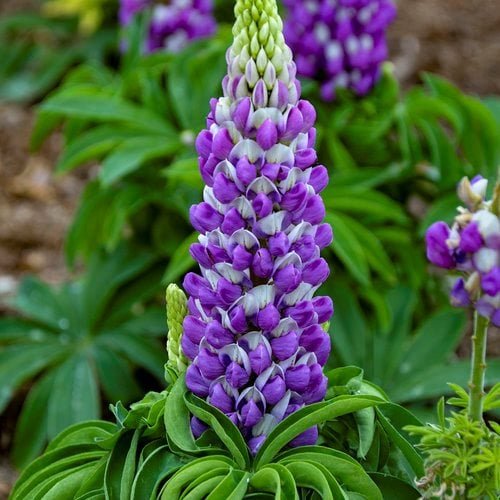
1. Lupine (Lupinus spp.)
- Height: 2–4 feet
- Bloom time: Late spring to early summer
- USDA Zones: 4–8
- Lupines grow tall spikes with dense purple flowers. They prefer well-drained soil and full sun.
- They attract bees and butterflies.
Best Fertilizer for Pothos – learn how to improve soil nutrition for better bloom results.
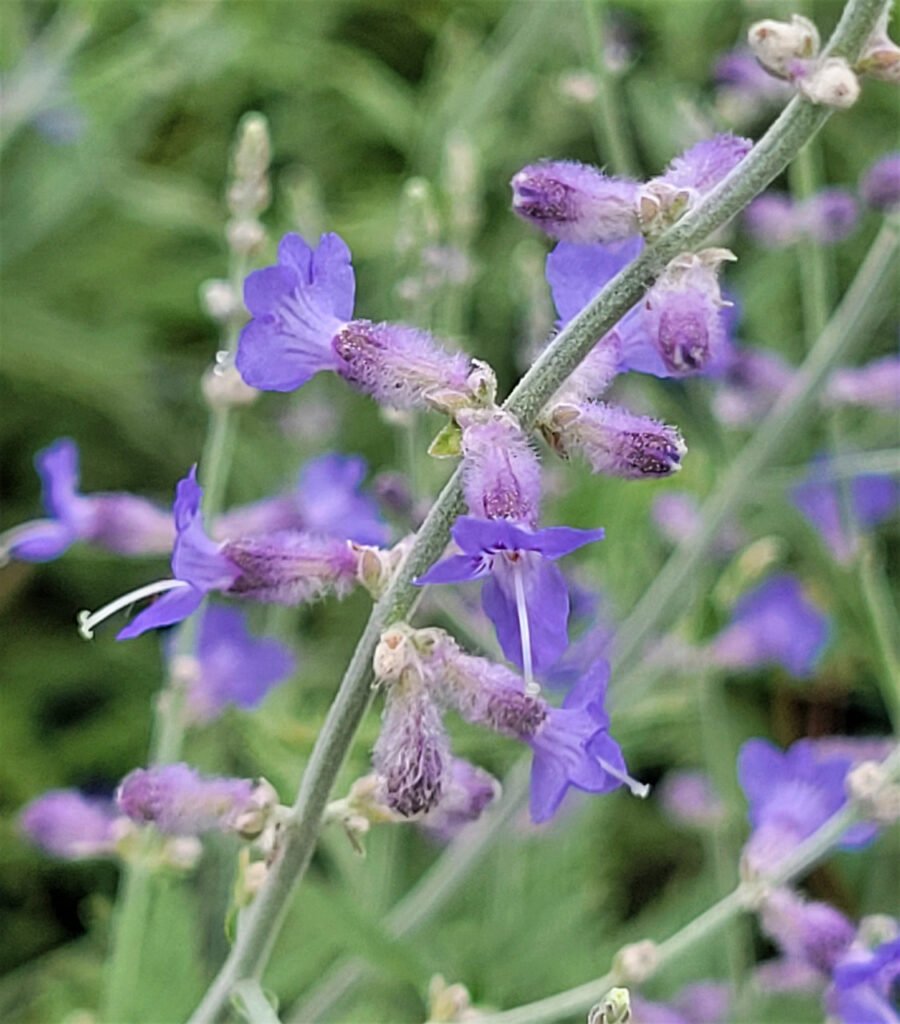
2. Russian Sage (Perovskia atriplicifolia)
- Height: 3–5 feet
- Bloom time: Summer to fall
- Zones: 5–9
- This perennial has silvery stems and long spikes of lavender-purple blooms.
- It handles drought well and thrives in sunny areas.
3. Purple Loosestrife (Lythrum salicaria)

- Height: 4–6 feet
- Bloom time: Mid to late summer
- Zones: 3–9
- Produces tall, showy spikes of purple-pink flowers.
- Grows best in moist soil near ponds or wetlands.
Note: Some regions restrict planting due to invasiveness. Always check local guidelines.
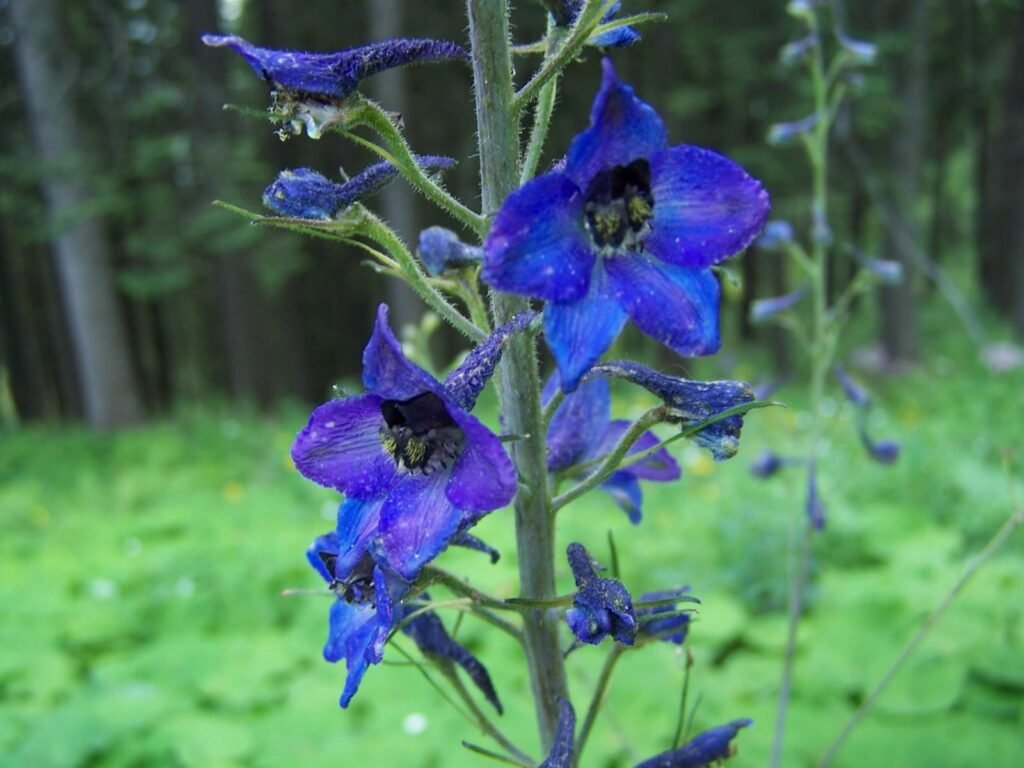
4. Delphinium (Delphinium elatum)
- Height: 4–6 feet
- Bloom time: Summer
- Zones: 3–7
- These are classic cottage garden plants. Their tall spikes come in various shades of purple and blue.
- They need staking to support the blooms.
5. Verbena bonariensis (Tall Verbena)
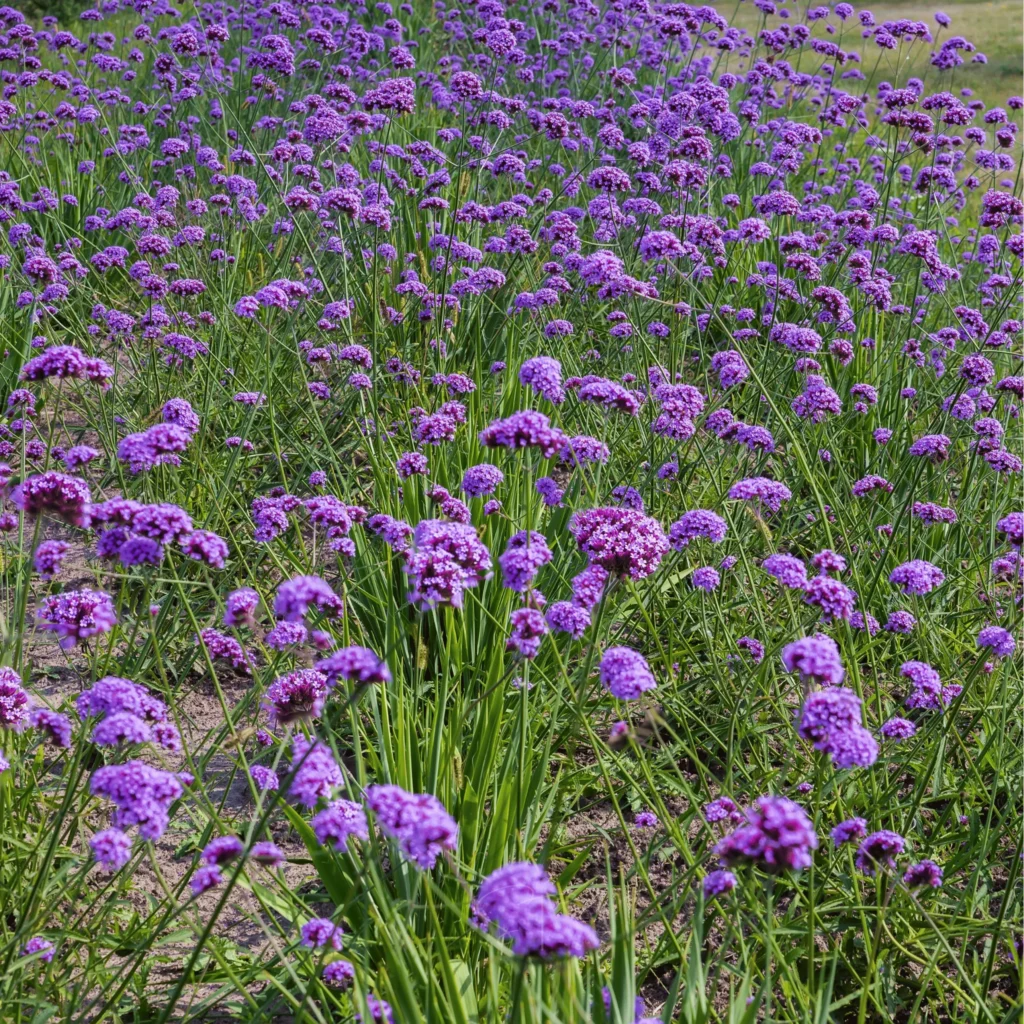
- Height: 4–6 feet
- Bloom time: Summer to fall
- Zones: 7–11
- Produces airy clusters of small purple flowers.
- Ideal for pollinator gardens.
Tree Bugs: Common Types and Control Tips – keep your tall flowering plants pest-free.
6. Globe Thistle (Echinops ritro)
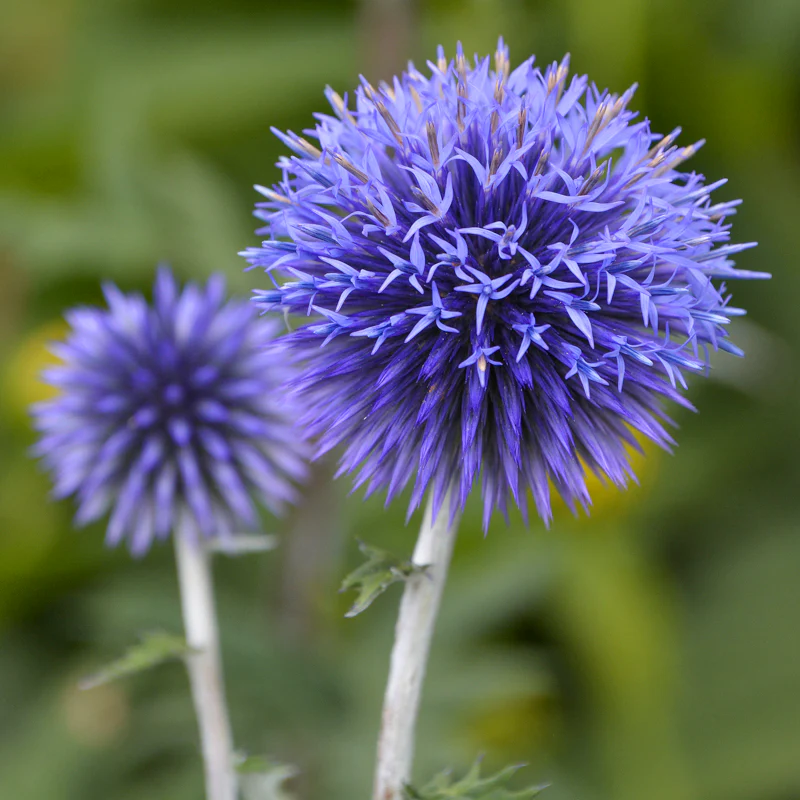
- Height: 3–4 feet
- Bloom time: Summer
- Zones: 3–9
- Has round, steel-blue flowers with a purple tint.
- Drought-tolerant and deer-resistant.
7. Catmint (Nepeta faassenii)
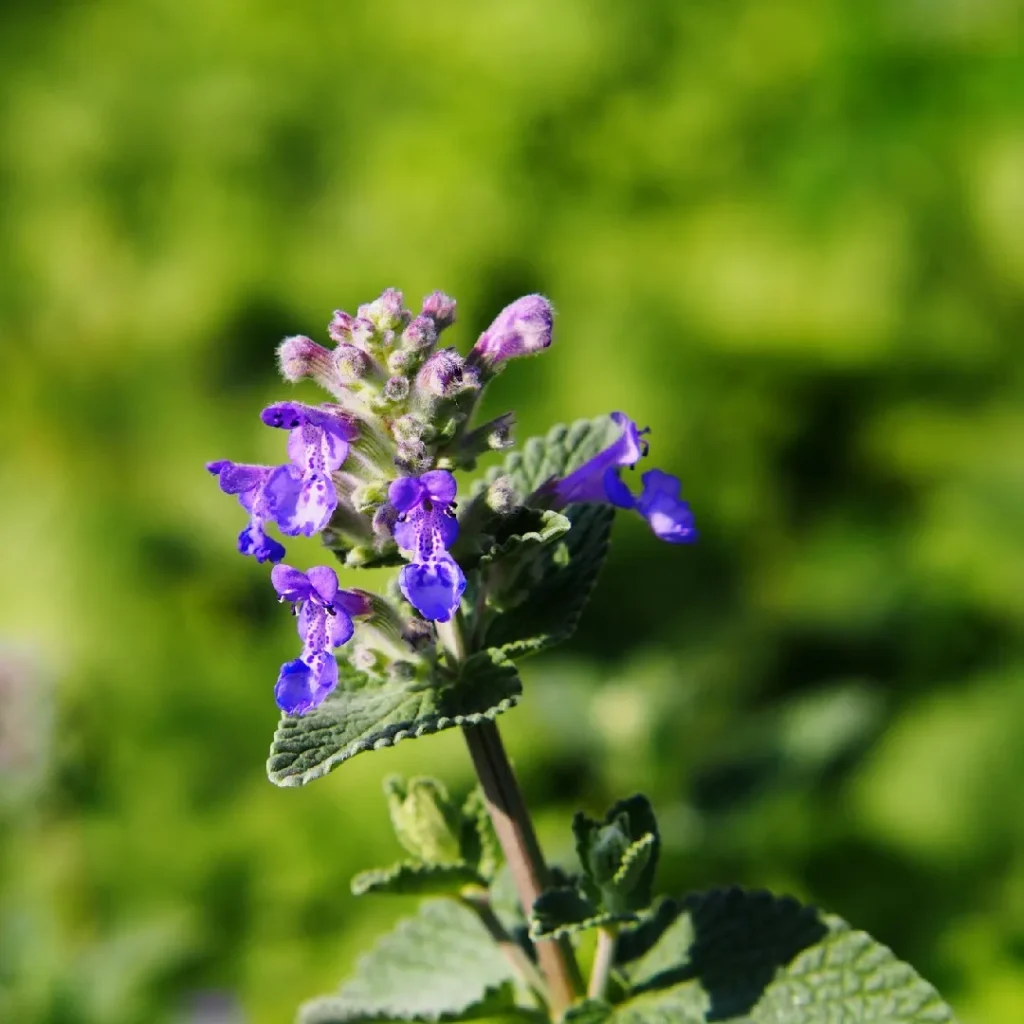
- Height: 2–3 feet
- Bloom time: Late spring to fall
- Zones: 4–8
- Produces spikes of purple-blue flowers that attract bees.
- Easy to grow and low maintenance.
8. Lavender (Lavandula angustifolia)

- Height: 2–3 feet
- Bloom time: Summer
- Zones: 5–9
- Fragrant purple spikes that attract butterflies and bees.
- Works well for edging or raised beds.
9. Blazing Star (Liatris spicata)
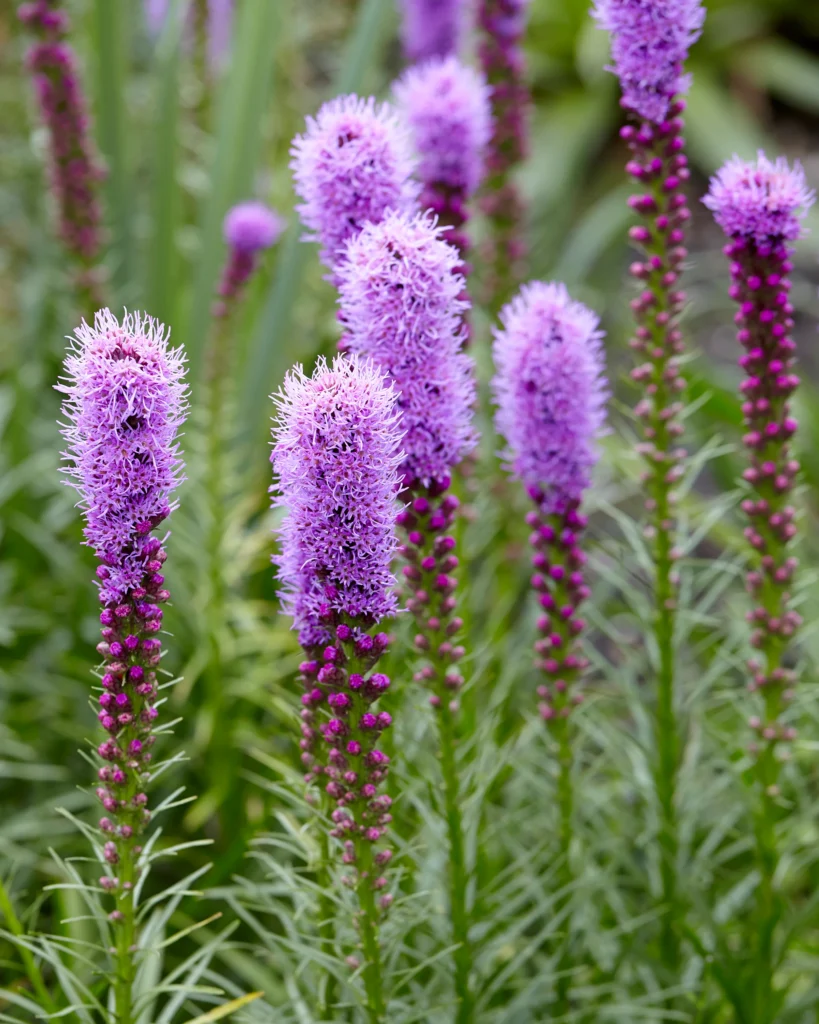
- Height: 3–5 feet
- Bloom time: Mid to late summer
- Zones: 3–9
- Native to North America. Its tall, feathery spikes attract monarch butterflies.
10. Salvia (Salvia nemorosa)

- Height: 2–3 feet
- Bloom time: Late spring through fall
- Zones: 4–9
- Produces upright spikes of purple flowers.
- Easy to maintain and drought-resistant.
11. Ironweed (Vernonia gigantea)

- Height: 4–6 feet
- Bloom time: Late summer to early fall
- Zones: 4–9
- Features clusters of deep purple blooms.
- Excellent for butterfly gardens.
12. Joe Pye Weed (Eutrochium purpureum)
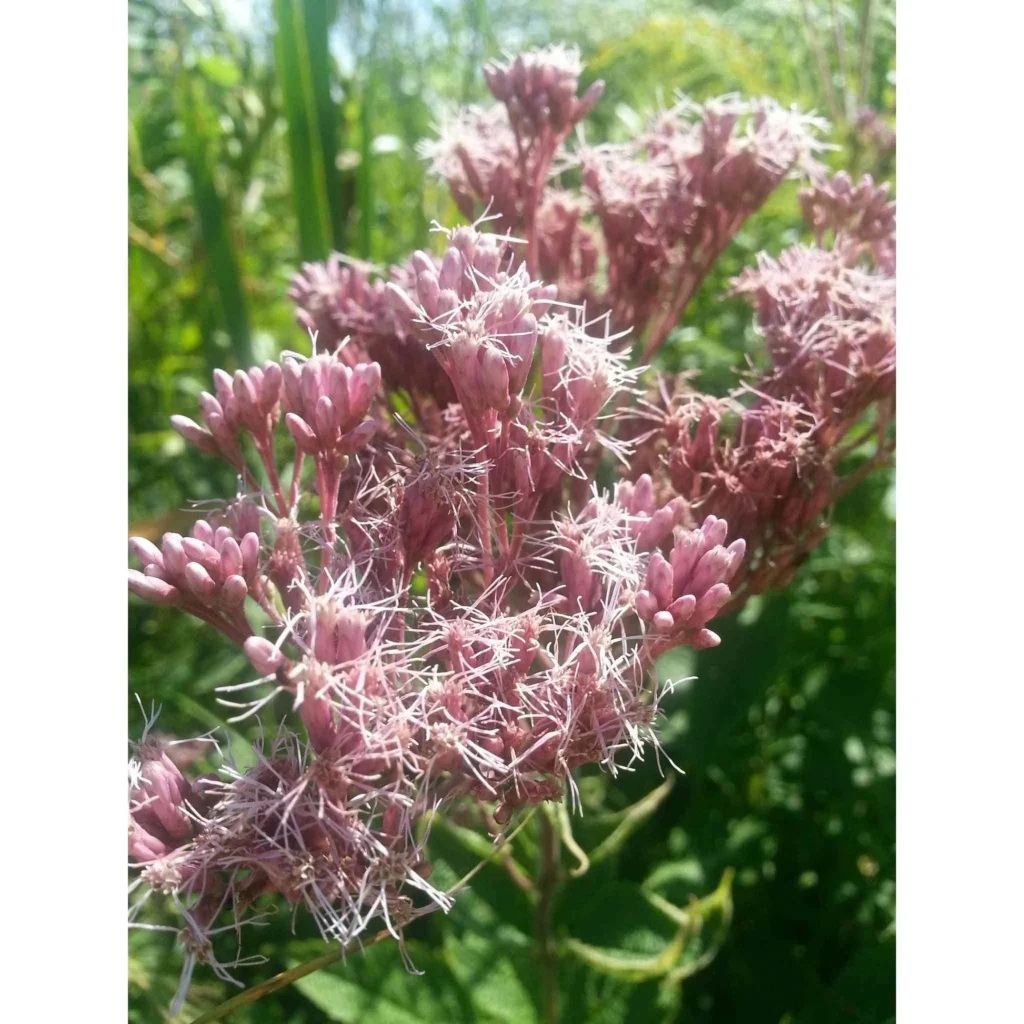
- Height: 5–7 feet
- Bloom time: Mid to late summer
- Zones: 4–9
- A native wildflower with fluffy purple flower heads.
- Attracts bees and hummingbirds.
13. Aster (Aster novae-angliae)
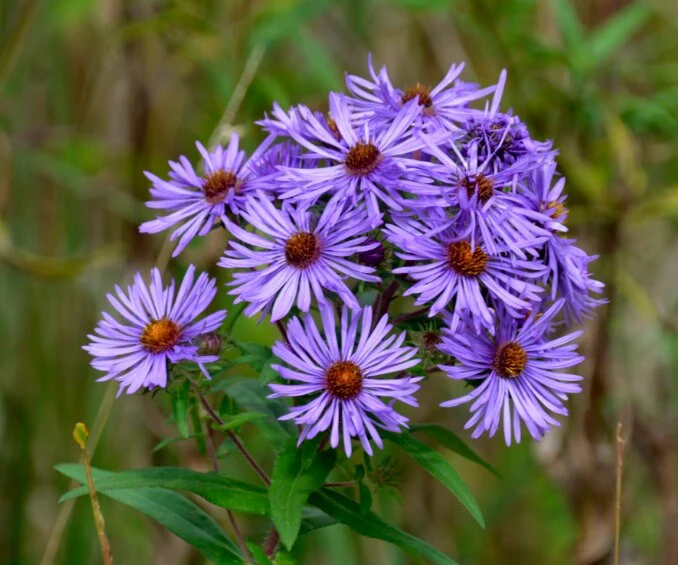
- Height: 3–5 feet
- Bloom time: Late summer to fall
- Zones: 3–9
- Offers daisy-like purple flowers with yellow centers.
- Great for extending color into fall.
14. Foxglove (Digitalis purpurea)

- Height: 3–5 feet
- Bloom time: Early summer
- Zones: 4–10
- Bell-shaped purple flowers that rise on tall spikes.
- Caution: All parts are toxic if ingested.
15. Verbascum (Mullein)
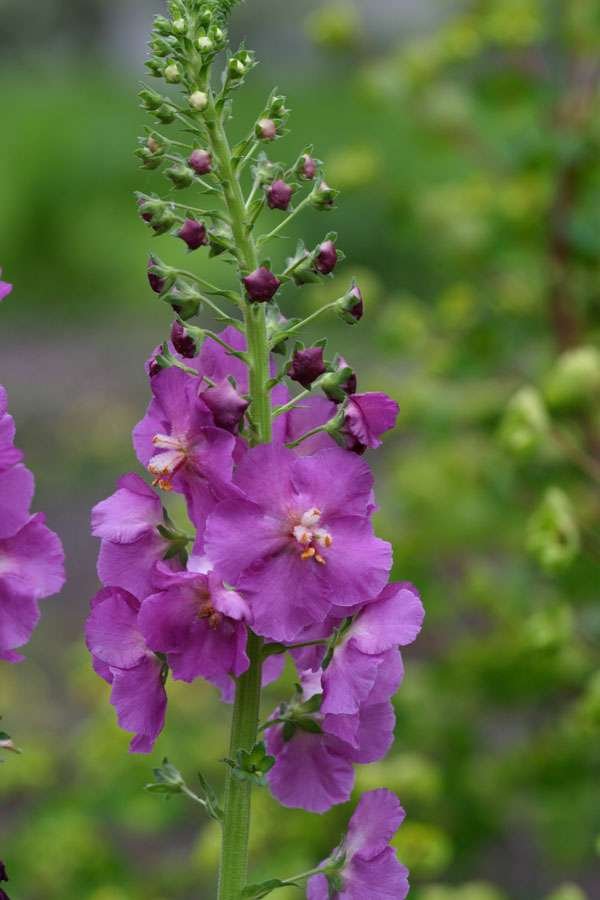
- Height: 3–6 feet
- Bloom time: Summer
- Zones: 4–9
- Has tall stalks with purple to violet blooms.
- Best for dry, sunny spots.
How to Identify Tall Purple Perennial Flowers
If you’re unsure about the name of a plant, check these details:
- Leaf shape and texture: Narrow, serrated, or hairy leaves can hint at species.
- Flower structure: Spikes, clusters, or round heads.
- Blooming season: Helps narrow down perennial types.
- Habitat: Some prefer dry soil, others moist areas.
How to Grow Tall Purple Flowers Successfully
- Choose full-sun locations with good drainage.
- Water deeply once a week instead of frequent light watering.
- Add compost to enrich the soil.
- Deadhead faded flowers to promote new growth.
- Stake tall varieties like Delphinium and Joe Pye Weed.
Vegetables to Plant in October – useful for planning garden layout.
Common Problems and Fixes
| Problem | Cause | Solution |
|---|---|---|
| Wilting | Overwatering or poor drainage | Improve soil drainage |
| Weak stems | Lack of sunlight | Move to a sunnier spot |
| Fungal issues | High humidity | Apply fungicide or prune crowded areas |
| Pest attack | Aphids, mites | Use neem oil or insecticidal soap |
Final Thoughts
Tall purple flowers add beauty, attract pollinators, and give your garden depth. I’ve grown many of these varieties in my garden for over 10 years, and the results are always rewarding.
Pick a few that match your zone and space, and you’ll enjoy a garden full of color and life all season long.